Birth Control for Acne: Pros and Cons
If your breakouts arrive like clockwork before your period, cluster along your jawline and chin, or survive every cleanser and cream you have tried, birth control for acne may have crossed your mind. Dermatologists have prescribed hormonal contraceptives for acne for decades — and the idea is appealing: one small daily pill that tackles the hormone swings driving your breakouts while also preventing pregnancy.
But birth control is a full-body medication, not a skincare product. It helps certain types of acne dramatically, does little for others, and carries real risks that deserve a clear-eyed look. This guide covers how it works, which pills actually help, the honest pros and cons, who should avoid it, what happens when you stop, and the alternatives — so you can walk into your doctor’s appointment informed and confident.
How Birth Control for Acne Actually Works
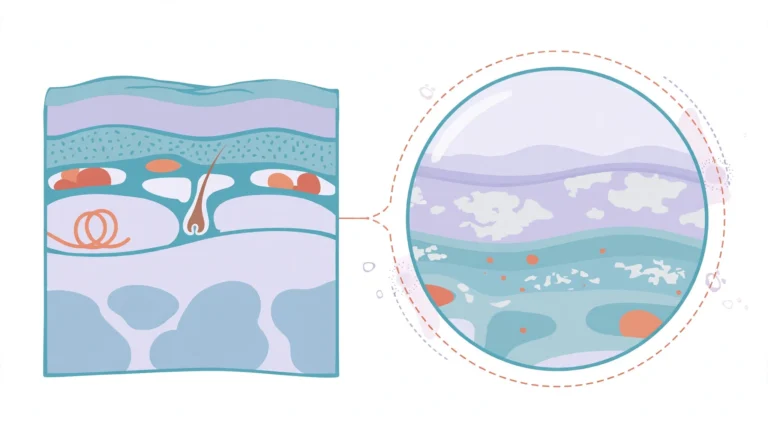
Acne begins when oil glands in your skin — called sebaceous glands — produce too much oil (sebum). Mixed with dead skin cells, excess sebum clogs pores and feeds bacteria, leading to blackheads, whiteheads, and inflamed pimples.
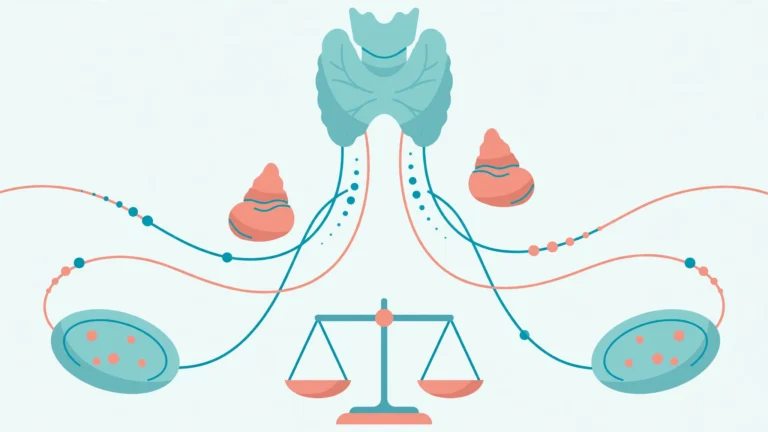
The biggest driver of that oil production is androgens, a group of hormones that includes testosterone. Women naturally produce small amounts of androgens in the ovaries and adrenal glands. When androgen levels are relatively high — or when skin is unusually sensitive to normal levels — oil glands go into overdrive. This is why acne flares during puberty, before periods, and in conditions like polycystic ovary syndrome (PCOS), where androgen levels are elevated.
Combination pills lower androgen activity through three routes:
- They increase SHBG (sex hormone-binding globulin), a protein that binds testosterone and keeps it from stimulating oil glands.
- They suppress ovarian androgen production, lowering circulating free testosterone.
- They stabilize monthly hormone swings, which is why period-related flare-ups often flatten out.
Less androgen signaling means less sebum, fewer clogged pores, and gradually calmer skin. The catch is patience: the pill does not shrink existing pimples the way an anti-inflammatory treatment would. Most women see the first improvement at 8 to 12 weeks, with the best results around 3 to 6 months. An initial flare-up in the first month is common and does not mean the pill has failed.
Which Types of Birth Control Actually Help Acne
Here is the single most important fact in this article: not every type of birth control helps acne. Only combination oral contraceptives — pills containing both estrogen and progestin — have solid evidence for improving breakouts. The estrogen component is doing the heavy lifting by raising SHBG and suppressing androgen production.
The U.S. Food and Drug Administration has specifically approved three pills for treating moderate acne in women who have started menstruating and also want contraception:
- Ortho Tri-Cyclen (ethinyl estradiol plus norgestimate)
- Yaz (ethinyl estradiol plus drospirenone)
- Estrostep Fe (ethinyl estradiol plus norethindrone acetate)
Research has not shown major differences among these three in how well they clear acne — the best one is usually the one your body tolerates best, though other combination pills have also improved acne in clinical studies.
What about everything else on the menu? If you are deciding between methods, our guide to comparing birth control options walks through the full landscape. For acne specifically: progestin-only pills (mini-pills) do not help and can make breakouts worse; hormonal IUDs, the implant, and the injection are also progestin-only, so they are not acne treatments; the patch and the vaginal ring contain estrogen plus progestin and may help some women, but have not been studied for acne the way combination pills have; and copper IUDs and barrier methods are hormone-free with no effect on acne either way. The takeaway: if acne is your primary motivation, a combination pill is the formulation the evidence supports.
Not All Progestins Are Equal: A Skin-Friendly Breakdown
Here is an angle most acne articles gloss over. Every combination pill contains the same kind of estrogen, but each uses a different progestin — and progestins vary widely in how much they mimic androgens. Since androgenic activity is exactly what you want to minimize for clear skin, the choice of progestin genuinely matters.
| Progestin | Found in examples | Androgenic tendency |
|---|---|---|
| Drospirenone | Yaz and similar generics | Anti-androgenic — blocks androgen receptors |
| Cyproterone acetate | Diane-35 (used in many countries outside the U.S.) | Strongly anti-androgenic |
| Norgestimate | Ortho Tri-Cyclen and generics | Low androgenic activity |
| Desogestrel, dienogest | Various combination pills | Low androgenic activity |
| Norethindrone | Estrostep and others | Moderate androgenic activity |
| Levonorgestrel | Many common combination pills and mini-pills | Higher androgenic activity |
Every combination pill still lowers overall androgen activity because of its estrogen component, which is why even pills with moderately androgenic progestins often improve acne — though individual response varies. Still, the pattern is useful: if you started a combination pill for acne and your breakouts worsened after a few months, ask your prescriber whether switching to a formulation with a less androgenic progestin is appropriate. If your current pill is already working for your skin, there is no reason to switch brands.
The Pros of Using Birth Control for Acne
When it is the right match, the benefits go well beyond clearer skin:
- Addresses the root hormonal driver. Instead of just unclogging pores, it reduces the androgen signal that causes excess oil — which is why it works particularly well for jawline, chin, and premenstrual breakouts.
- Long-term control without daily antibiotics. After six months, combination pills reduce acne roughly as effectively as oral antibiotics — without contributing to antibiotic resistance.
- Dual purpose and cycle benefits. For women who also want contraception, one medication covers both needs — and lighter, more regular periods with less cramping are common bonuses.
- Pairs well with other treatments. Dermatologists frequently combine the pill with topical retinoids or benzoyl peroxide, since each targets a different part of the acne process — oil from the inside, clogged pores from the outside.
- Potential extra hormonal perks. Some women also notice improvement in excess facial hair growth and oily scalp — both signs of androgen activity.
The Cons and Possible Risks
Birth control pills act on the whole body, not just the skin, so the decision deserves a full accounting of the downsides.
Common side effects
- Nausea or mild stomach upset (often improves within the first few months)
- Breast tenderness
- Spotting or bleeding between periods
- Headaches
- Mood changes or shifts in libido — see our guide on birth control and your sex drive for a deeper look
- Temporary bloating or weight fluctuations
Many of these settle as the body adjusts, and switching to a different progestin sometimes resolves persistent issues.
Serious risks (uncommon but real)
- Blood clots. Estrogen increases the risk of deep vein thrombosis and pulmonary embolism. The absolute risk is low in healthy young non-smokers, but it is the headline risk for a reason. Regulatory reviews have concluded that pills containing drospirenone may carry a somewhat higher clot risk than those with other progestins.
- Stroke and heart attack, especially in smokers and women with other cardiovascular risk factors.
- High blood pressure, which is why your prescriber checks it at appointments.
- Migraines or worsening headaches, particularly migraines with aura.
- Liver complications in rare cases.
The Mayo Clinic’s guide to combination birth control pills provides a detailed rundown of these risks and the warning signs that warrant a prompt call to your doctor — such as severe leg pain or swelling, chest pain, or sudden vision changes.
Skin-specific downsides
- It can worsen acne before it improves it. An initial flare-up in the first few weeks is common as hormone levels shift.
- The wrong formulation can make acne worse overall — particularly progestin-only methods or pills with more androgenic progestins.
- Melasma. Brownish facial patches can develop from sun exposure on estrogen-containing contraceptives — daily sunscreen becomes non-negotiable.
Who Should Probably Skip It
Doctors generally advise against combination pills if you:
- Are over 35 and smoke
- Have a personal or strong family history of blood clots, stroke, or heart disease
- Have uncontrolled high blood pressure
- Experience migraines with aura
- Have a history of breast, uterine, or liver cancer
- Have liver disease
- Are currently pregnant or breastfeeding (estrogen can reduce milk supply)
- Have diabetes with complications
Teens deserve a note too: dermatologists often recommend waiting until at least a couple of years after the first period before starting hormonal treatment for acne, since early cycles are naturally irregular and hormones are still settling. And if your acne comes with irregular periods, excess facial hair, or weight changes, your doctor may want to rule out PCOS first — the pill can mask symptoms that deserve their own diagnosis.
What Happens When You Stop: Rebound Acne and the Transition Plan
Almost no article about birth control for acne covers what comes after — but this is where many women get blindsided. When you stop the pill, your ovaries resume natural hormone production and SHBG levels fall, and androgen activity can rebound above its pre-pill baseline for a few months. Dermatologists call the resulting breakout post-pill acne: it typically begins within one to three months of stopping and settles within three to six months as hormones stabilize. It does not happen to everyone, but knowing it is possible lets you plan instead of panic.
If you are planning to stop, a few steps smooth the transition:
- Start an alternative acne treatment before or right as you stop. A topical retinoid or azelaic acid can pick up where the pill leaves off — and keep the rest of your routine gentle, since harsh scrubs irritate adjusting skin.
- Do not stop mid-pack without a plan if pregnancy prevention matters — use backup contraception and talk to your doctor about the switch.
- Track your cycles and your flare-ups. Your natural pattern helps your dermatologist choose the right next step — and give it three to six months before judging, since hormones need time to stabilize.
Myths vs. Facts About Birth Control for Acne
Let’s clear up the most persistent myths:
Myth: “The pill cures acne permanently.”
Fact: The pill manages acne while you take it; it does not reprogram your hormones forever. Most women need to keep taking it — or switch to another treatment — to keep results.
Myth: “Any birth control helps your skin.”
Fact: Only estrogen-containing methods have evidence for acne. Progestin-only options like the mini-pill, implant, injection, and hormonal IUD frequently make breakouts worse.
Myth: “It works right away.”
Fact: Plan on eight to twelve weeks for visible improvement and up to six months for full results — quitting at week six is the most common reason women abandon it too early.
Myth: “You have to choose between the pill and your regular skincare.”
Fact: They are a team. The pill reduces oil from the inside while topicals like retinoids unclog pores from the outside — dermatologists prescribe them together routinely.
Myth: “Stopping will ruin your skin forever.”
Fact: Post-pill acne is temporary for most women and usually settles within a few months. It feels permanent in the moment, but skin generally returns to its pre-pill pattern — not worse — once hormones stabilize.
Myth: “It’s only for women who need contraception.”
Fact: In practice, doctors prescribe combination pills primarily for acne management when a woman is medically cleared for estrogen. Eligibility hinges on your health history, not your reason for taking it.
Getting the Best Results: Skincare Pairing and Staying Effective
Skincare that works well alongside the pill
- A topical retinoid (tretinoin, adapalene) at night — the classic partner to hormonal treatment, keeping pores clear while the pill reduces oil.
- Azelaic acid — calms redness, fades lingering acne marks, and is well tolerated with hormonal therapy.
- Gentle cleanser and non-comedogenic moisturizer — your barrier needs protection while actives do their work.
- Broad-spectrum sunscreen every morning. This matters double on the pill: estrogen increases melasma risk, and retinoids increase sun sensitivity.
What to avoid layering
Do not stack the pill’s anti-oil effect with multiple harsh exfoliating actives at once. Over-treating causes irritation, and irritated skin breaks out more — defeating the purpose. Introduce one active at a time, a few weeks apart.
Protect the pill’s effectiveness
- Take it at the same time daily. Skipping pills reduces both contraceptive protection and hormonal stability — both of which your skin notices. See what to do after a missed birth control pill for exact steps.
- Know the interactions. The antibiotic rifampin and some anti-seizure medications reduce pill effectiveness; St. John’s wort, a common herbal supplement, can too. Always tell your doctor everything you take, including supplements.
- Give the chosen brand a fair trial. Switching brands every month keeps your hormones in flux and delays results.
Questions to Ask Your Doctor Before Starting
Bring this checklist to your appointment:
- Is my acne the hormonal type that combination pills tend to help?
- Am I medically eligible for estrogen-based contraceptives, given my history and family history?
- Which progestin formulation would you recommend for my skin specifically?
- How long should I stay on it, and what is our exit plan if I want to stop?
- What side effects should prompt a call to you versus a routine visit?
Alternatives to Birth Control for Acne
If hormones are off the table, dermatology has plenty to offer:
- Spironolactone. A prescription pill that blocks androgen receptors without being a contraceptive — a favorite for hormonal acne when estrogen is off the table.
- Topical retinoids (tretinoin, adapalene, tazarotene). The gold standard for comedonal acne — they speed cell turnover and keep pores clear.
- Benzoyl peroxide. Reduces acne-causing bacteria and inflammation; available over the counter.
- Azelaic acid. Targets redness, breakouts, and post-acne marks.
- Oral antibiotics for short-term use (typically a few months) to calm inflamed acne — best as a bridge, not a forever plan.
- Isotretinoin. The strongest option for severe, scarring acne when nothing else works; requires close medical monitoring.
The WebMD guide to birth control for acne covers the same pills and risk profile in concise form.
Frequently Asked Questions
Can birth control completely cure acne?
No. It reduces hormonally driven breakouts by lowering androgen activity, but it is management, not a cure. Most women need to continue it — or replace it with another treatment — to maintain results, and maintenance skincare like a retinoid is often still needed.
How long does birth control take to work for acne?
Expect the first visible improvement at eight to twelve weeks, with the best results around three to six months. An initial flare-up in the first month is common as hormone levels shift, and consistency is essential.
Can birth control cause acne instead of fixing it?
Yes, the wrong type can. Progestin-only methods — the mini-pill, implant, injection, and hormonal IUD — lack estrogen and can worsen breakouts. Even combination pills with more androgenic progestins may not help, which is why the specific formulation matters.
Which birth control is best for acne?
Only combination pills (estrogen plus progestin) have evidence for acne. Three brands are FDA-approved for it — Ortho Tri-Cyclen, Yaz, and Estrostep Fe — with no major differences in effectiveness among them. The “best” pill is generally the one you tolerate well and take consistently.
What happens to my skin when I stop taking birth control?
Some women develop temporary rebound acne within one to three months of stopping, as androgen activity returns to its natural level. It usually settles within three to six months, and starting a topical retinoid around the time you stop can smooth the transition.
Can I combine birth control with other acne treatments?
Yes, and dermatologists often recommend it. The pill targets oil production while topicals like retinoids or benzoyl peroxide target clogged pores and bacteria. Just introduce actives one at a time and keep sunscreen in the routine.
This article is for educational purposes only and is not medical advice. Birth control pills are prescription medications with real risks and contraindications. Talk to your doctor or dermatologist about whether hormonal treatment is appropriate for your acne and your health history. Do not start, switch, or stop any medication based on this article alone.