Hormones and Female Libido: Estrogen, Testosterone, Thyroid
If you have noticed your desire fading and wondered whether your body chemistry is to blame, you are asking the right question. The link between hormones and libido is one of the most well-documented — and most misunderstood — areas in women’s health. Desire is not simply a mood; it is the output of a finely tuned endocrine system in which estrogen, testosterone, progesterone, thyroid hormones, and several lesser-known players shape how, when, and how strongly a woman feels desire.
Studies estimate that 20 to 40 percent of women experience reduced sexual desire at some point in adulthood, with rates climbing during midlife and menopause. Yet hormonal causes are frequently overlooked, because a standard check-up rarely tests for them. This guide explains how each major hormone influences libido, which imbalances are most common, what lab tests doctors order, and what evidence-based treatments look like. By the end, you will understand the full picture of how hormones and female libido work together.
How Hormones and Libido Connect: The Short Version
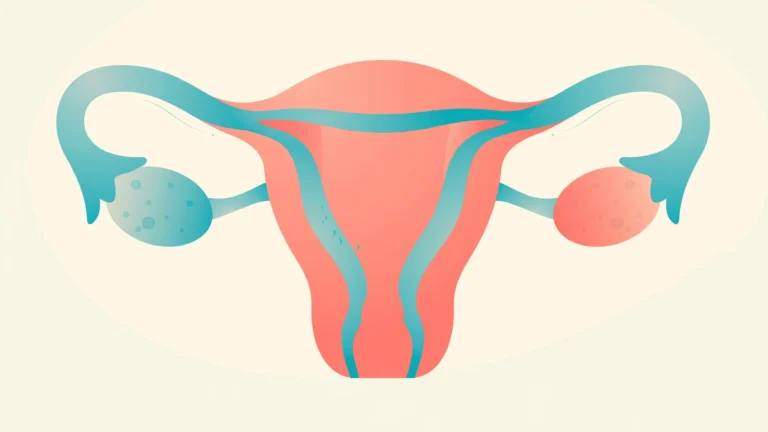
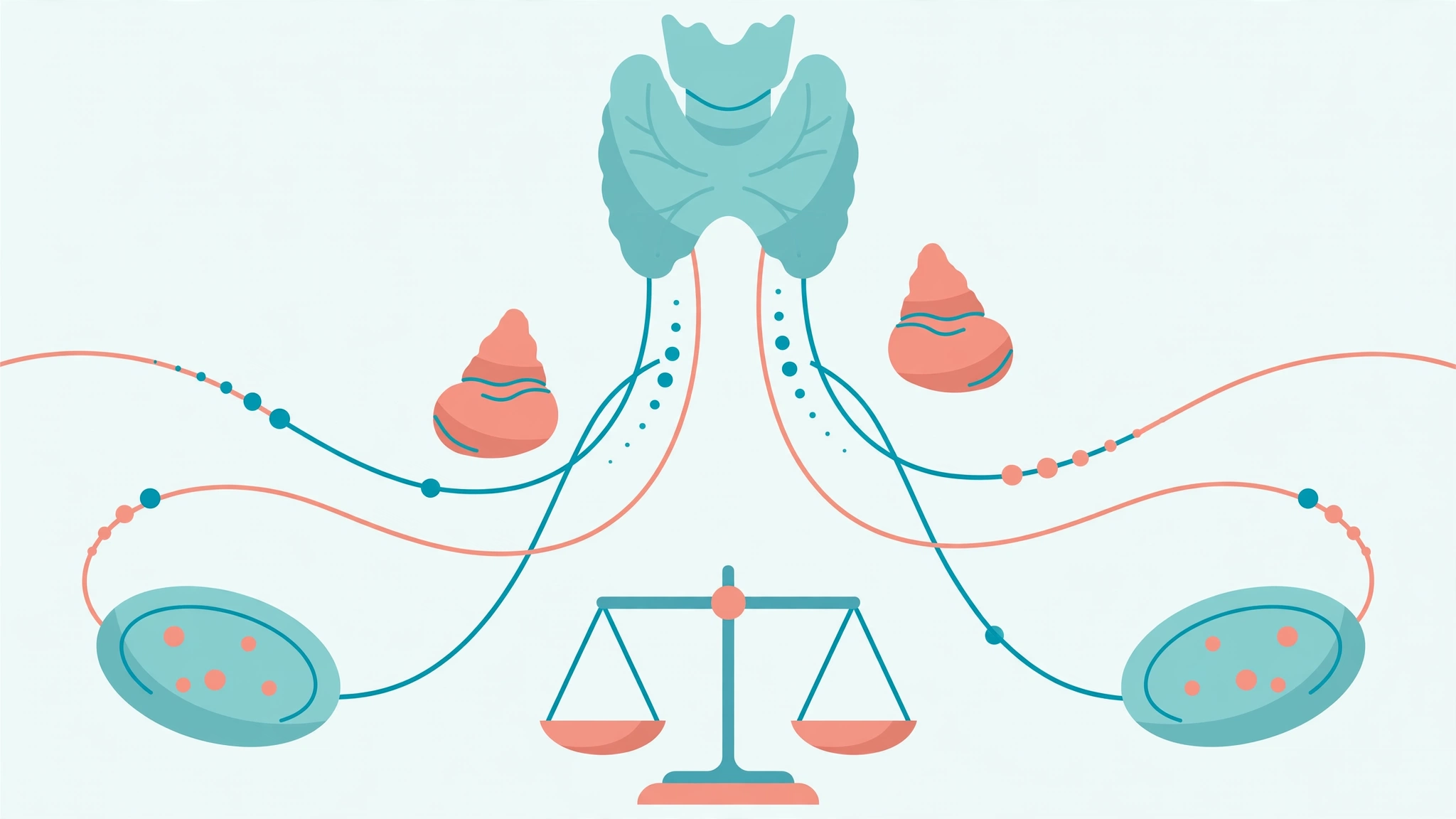
Think of sexual desire as the product of a conversation between the brain and the body, carried out in hormones. The hypothalamus and pituitary signal the ovaries, adrenals, and thyroid, whose hormones then act on the brain’s desire centers, the pelvic tissues, and mood and energy levels.
When the conversation is balanced, desire arrives naturally. When one voice gets too loud or too quiet — estrogen drops after menopause, thyroid output stalls, testosterone sinks, or stress hormones drown everything else out — desire is often the first casualty. That is why specialists rarely treat low libido as a single-hormone problem: the hormones and female libido relationship is a network, not a single switch.
Estrogen: The Foundation of Comfort and Arousal
In the conversation between hormones and libido, estrogen handles the physical side. It keeps vaginal tissue thick, elastic, and well-lubricated, maintains healthy genital blood flow essential for arousal, and supports nerve sensitivity, mood stability, and sleep quality — all of which feed back into desire.
When estrogen falls — most dramatically during perimenopause and menopause, but also after childbirth, during breastfeeding, and with certain medications — the effects are usually unmistakable: vaginal dryness, tissue thinning, and discomfort or pain during intercourse. Clinicians call this cluster the genitourinary syndrome of menopause, one of the most common treatable drivers of low desire: when sex hurts, the brain quickly learns to stop wanting it.
What doctors recommend depends on the situation. For localized symptoms, low-dose vaginal estrogen (creams, tablets, or rings) is first-line treatment per the American College of Obstetricians and Gynecologists (ACOG), acting directly on vaginal tissue with minimal bloodstream absorption. For broader menopausal symptoms — hot flashes, night sweats, mood changes — systemic hormone therapy may help, weighed against individual risks. For women navigating menopause, mapping how hormones and female libido connect is the first step toward the right treatment.
Testosterone: The Desire Hormone Women Are Rarely Tested For
Testosterone is often filed under “male hormone,” but that label is misleading. Women’s ovaries and adrenal glands produce testosterone daily, and research consistently links it to sexual desire, arousal, and the frequency of sexual thoughts in women and men — some specialists describe it as the primary biological driver of libido across both sexes, with estrogen providing the physical comfort that allows desire to be acted on. This misunderstanding is why conversations about hormones and female libido increasingly put testosterone back on the agenda.
Here is the problem: standard gynecological visits almost never measure testosterone in women. Estrogen and progesterone dominate the conversation, especially around menopause, while testosterone sits in a blind spot — and there is no universally agreed-upon “low” threshold for women. Overlapping symptoms like fatigue, brain fog, and low motivation are easily attributed to stress, aging, or depression instead.
The evidence for treatment is real but nuanced. Studies show that low-dose testosterone therapy can improve sexual desire in postmenopausal women when other causes have been ruled out, and the British Menopause Society supports its use in this setting. However, as Mayo Clinic notes, no testosterone products are approved specifically for women, so prescribing is off-label and must be managed carefully by a clinician who monitors levels and side effects such as acne or hair changes. It is never a do-it-yourself intervention.
Thyroid Hormones: The Metabolic Dimmer Switch
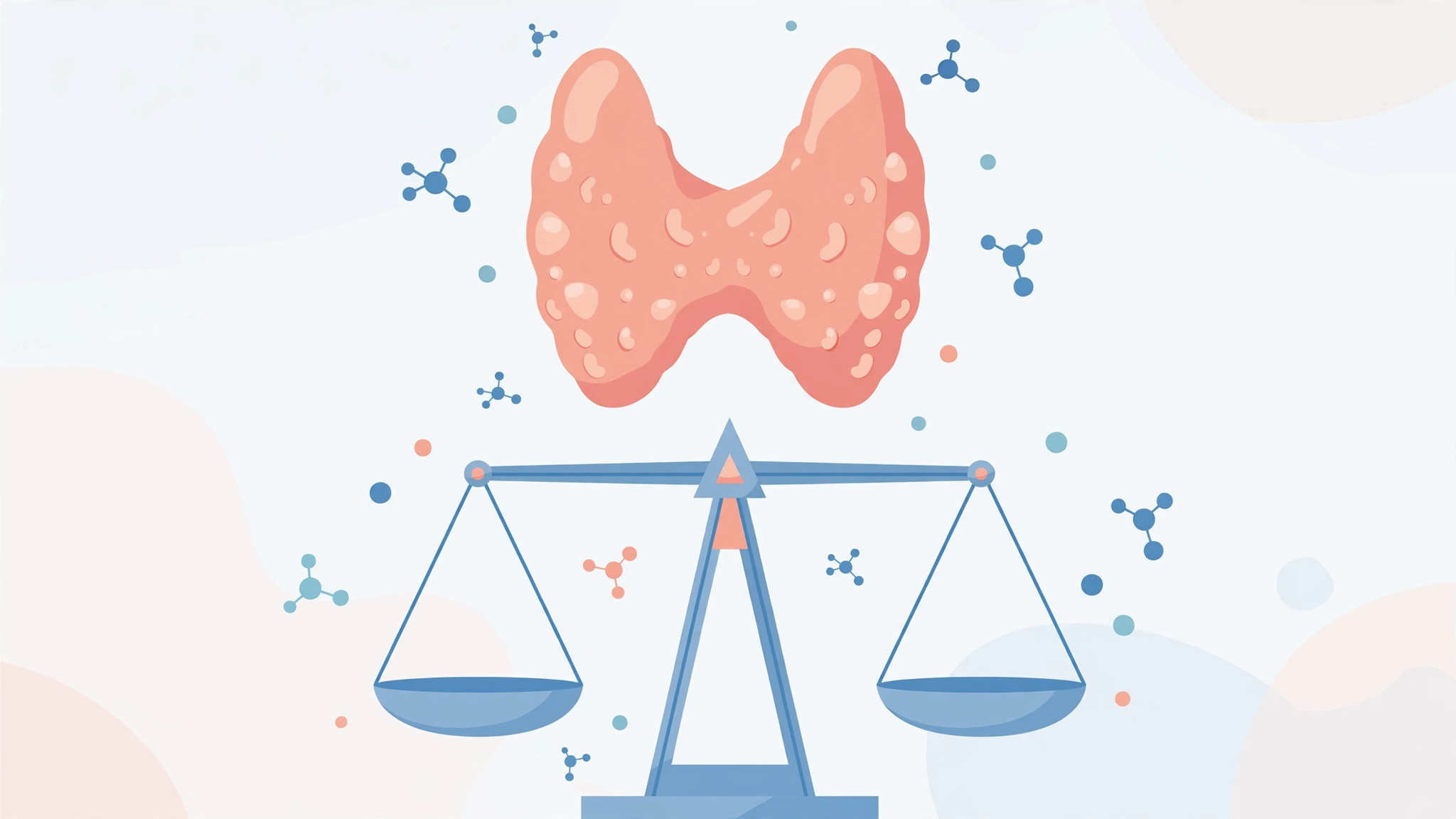
The thyroid gland does not produce sex hormones, yet thyroid dysfunction is one of the most common hidden causes of low libido in women. Thyroid hormones set the body’s metabolic pace, and when that pace is wrong, sexual function suffers through fatigue, low mood, weight changes, and direct interference with sex hormone levels. Endocrinologists who study hormones and female libido increasingly flag thyroid function as a first-line check.
In hypothyroidism, low thyroid output is associated with reduced libido and vaginal dryness, alongside fatigue that makes intimacy feel like a chore. In hyperthyroidism, excess thyroid hormone raises SHBG, a protein that locks up testosterone — leaving less free, active testosterone for the tissues. A 2024 meta-analysis found around 59.6 percent of people with hyperthyroidism experienced female sexual dysfunction, and one clinical review put the risk increase from thyroid disease at up to 77 percent. This SHBG effect is one reason thyroid screening belongs in any workup of hormones and female libido.
Treating the thyroid problem often restores sexual function — typically levothyroxine for hypothyroidism, or antithyroid medications, radioiodine, or surgery for hyperthyroidism. Multiple reviews suggest function improves once levels normalize, though it can take weeks to months. Because thyroid symptoms mimic so many other conditions, doctors recommend a simple TSH blood test as part of any low-libido workup.
Progesterone, Prolactin, Cortisol, and DHEA: The Supporting Cast
Estrogen, testosterone, and thyroid get the headlines, but several other hormones quietly shape desire. Progesterone rises in the second half of the menstrual cycle and during pregnancy; as it climbs in the luteal phase, desire tends to dip, while it peaks around ovulation when estrogen is highest. Its calming, sedating effects on the brain can dampen motivation in some women — another way hormones and female libido influence each other cycle to cycle.
Prolactin surges during breastfeeding and suppresses the brain signals that drive the ovaries, lowering estrogen and testosterone output — which is why many breastfeeding mothers experience a temporary but pronounced drop in libido. Outside of breastfeeding, persistently elevated prolactin (from certain medications or pituitary conditions) suppresses desire the same way.
Cortisol, the primary stress hormone, is libido’s most relentless opponent: sustained high cortisol suppresses sex hormone production at its source, which is why prolonged stress or burnout can flatten desire even in a healthy relationship, while also fragmenting the sleep that regulates testosterone rhythms. Managing stress is a core part of supporting hormones and female libido together.
Finally, DHEA, an adrenal precursor the body converts into estrogens and androgens, peaks in a woman’s twenties and declines steadily with age; low DHEA is sometimes investigated when fatigue and low desire travel together, though supplementation is debated and requires medical supervision.
How Birth Control Pills Can Quietly Lower Libido
One hormonal factor that rarely gets the attention it deserves is hormonal contraception itself. The NHS lists hormonal contraception — the pill, patch, and implant — among the recognized causes of low sex drive, yet many women are never told that their contraceptive could be affecting their desire.
Combined oral contraceptives suppress the ovaries’ own hormone production and substantially raise SHBG — the same binding protein implicated in thyroid-related libido loss. Higher SHBG means less free testosterone in the blood, and studies link this drop to reduced desire and arousal in some users — a textbook example of how hormones and female libido interact through a single protein.
Many women feel no difference at all. But when low libido begins within a few months of starting or switching contraception, doctors consider the timing a strong clue. Options may include switching formulations, a non-hormonal method such as the copper IUD, or a contraceptive with lower SHBG impact. These changes are reversible — bring it up with your prescriber. If you suspect your contraception is disrupting the balance of hormones and female libido, a short medication review can clarify things.
Which Blood Tests Actually Matter: A Lab Panel to Discuss With Your Doctor
Most articles on hormones and libido end with vague advice to “get your hormones tested.” Here is the panel specialists most commonly order when low libido is the presenting complaint — bring it to your appointment and ask your doctor which tests make sense for you.
- Estradiol: the main estrogen; low levels point toward perimenopause, menopause, or ovarian insufficiency.
- Total and free testosterone: free testosterone is the active fraction that matters most for desire.
- SHBG: high levels can explain low desire even when total testosterone looks normal — especially with birth control or thyroid issues.
- DHEA-S: reflects adrenal androgen reserves; checked when fatigue accompanies low libido.
- TSH and free T4: the standard thyroid screen for underactive or overactive thyroid.
- Prolactin: elevated levels suppress the whole reproductive hormone cascade.
- FSH and LH: distinguish ovarian causes from brain-signaling causes of low estrogen.
Timing matters. Estrogen and progesterone swing across the cycle, so doctors schedule testing on specific cycle days. Testosterone and SHBG are best drawn in the morning. A single abnormal result rarely tells the whole story, so key tests are typically repeated — and interpreted alongside symptoms, medications, and history rather than in isolation. A well-timed panel gives the clearest picture of how hormones and female libido interact in your body.
What Doctors Recommend: Treating the Hormonal Cause
When testing reveals how hormones and libido are interacting in your body, treatment targets the driver — not desire in the abstract. That principle shapes everything responsible clinicians do.
Treat the thyroid first. If labs show thyroid dysfunction, normalizing levels is step one, and sexual function often improves as a direct result, with repeat blood tests guiding dose adjustments.
Address estrogen deficiency locally or systemically. Low-dose vaginal estrogen remains the first-line treatment for dryness, pain, and tissue thinning, per ACOG guidance. Systemic hormone therapy is an option for broader menopausal symptoms, prescribed only after a careful review of risks and benefits.
Consider testosterone selectively. For postmenopausal women with persistent low desire after other causes are excluded, low-dose testosterone prescribed off-label by an experienced clinician is an evidence-backed option — never products made for men, and never as a first step.
Know about the FDA-approved medications. Two medicines are FDA-approved for low sexual desire in premenopausal women: flibanserin (Addyi), a daily pill acting on brain neurotransmitters, and bremelanotide (Vyleesi), an injection used before sexual activity. Both are prescription-only with notable side effects — flibanserin must not be combined with alcohol, bremelanotide can cause nausea — and work best once hormonal and medical causes have been addressed. As Mayo Clinic’s guidance emphasizes, most women benefit from combining medical treatment with counseling rather than medication alone.
Do not skip the non-hormonal half. Doctors recommend pairing any medical treatment with attention to sleep, stress management, regular exercise, and — where relevant — relationship counseling or sex therapy. Hormones set the stage, but desire also needs rest, emotional safety, and connection. A holistic view of hormones and female libido treats the body and the relationship together. For the non-hormonal side, see our guide to the common causes of low libido worth ruling out first.
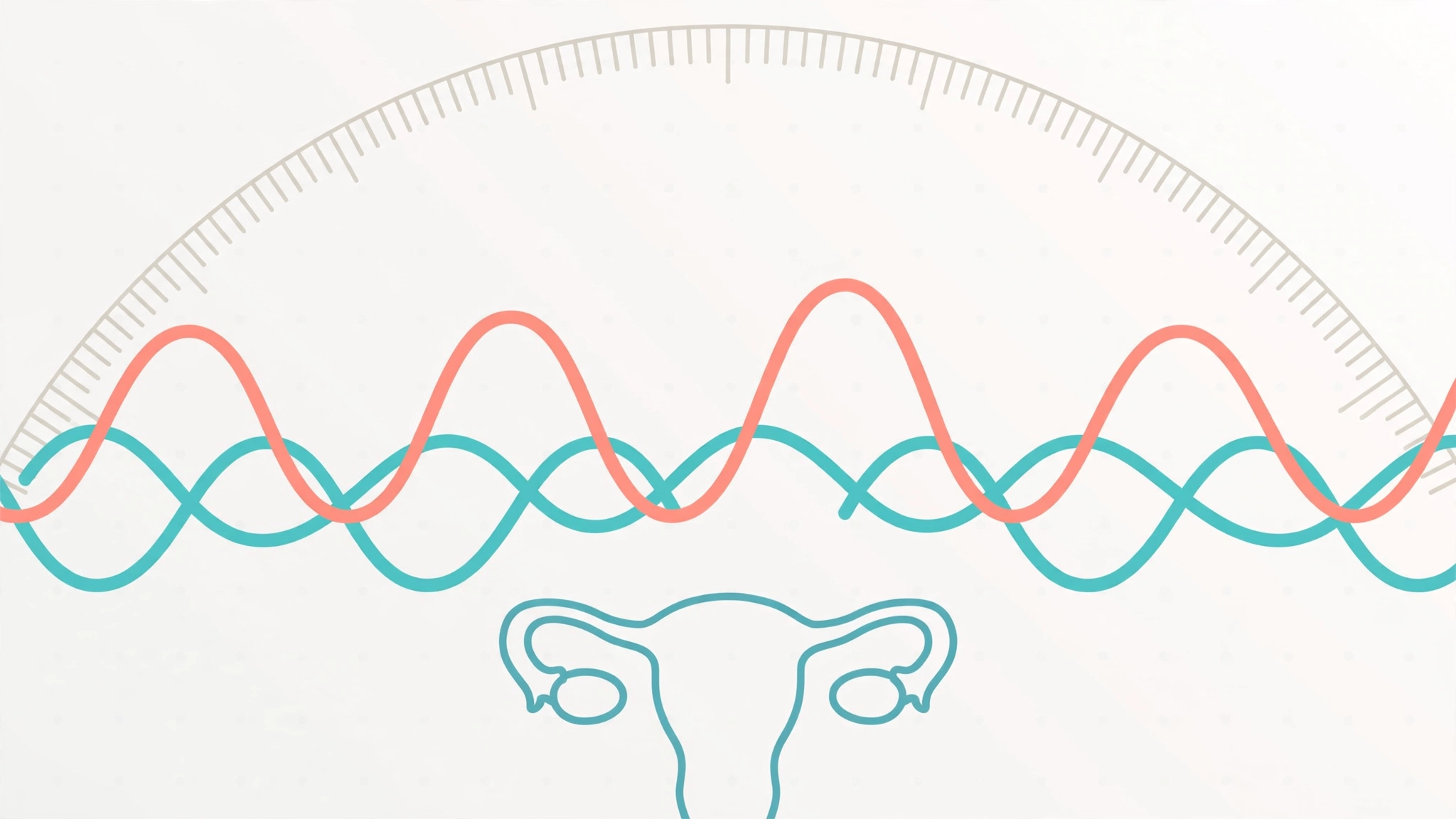
Hormones and Libido Across Life Stages
Desire is not static, because the connection between hormones and libido shifts with age. The typical pattern at each stage helps distinguish a normal fluctuation from a problem worth investigating.
- Menstrual cycle: desire often peaks around ovulation (high estrogen, low progesterone) and dips in the luteal phase.
- Pregnancy: the second trimester sometimes brings a surge in desire; the third often brings a decline as discomfort grows.
- Postpartum and breastfeeding: estrogen drops sharply while prolactin surges — a combination that commonly suppresses libido for months.
- Perimenopause: erratic estrogen and progesterone swings can make desire unpredictable.
- Menopause and beyond: persistently low estrogen and declining testosterone often reduce desire and comfort, though many women report satisfying sex lives with treatment.
A note on “normal”: there is no medically correct amount of desire. Clinicians become concerned when low desire causes personal distress or relationship strain — not when it simply differs from someone else’s.
FAQs
Which hormone matters most for female libido: estrogen or testosterone?
They do different jobs, so neither wins outright. Estrogen supports the physical side — lubrication, blood flow, tissue health, and comfort — while testosterone drives the mental side: desire, arousal, and sexual thoughts. Healthy libido needs both, which is why a complete hormone panel beats chasing a single number.
Can birth control pills lower my libido?
Yes, for some women. Combined pills raise SHBG, a protein that binds testosterone and reduces the free, active amount in the blood. If your desire dropped within a few months of starting or switching contraception, tell your prescriber — switching formulations or methods often reverses it.
How do I know if my thyroid is causing my low libido?
You cannot tell from symptoms alone — thyroid-related fatigue, low mood, and weight changes mimic many other conditions. The reliable step is a simple TSH and free T4 blood test as part of a low-libido workup. If dysfunction is found, treating it frequently improves sexual function within weeks to months.
Can testosterone therapy help women with low libido?
In selected cases, yes. Evidence supports low-dose testosterone for postmenopausal women with persistent low desire after other causes are ruled out. But no testosterone product is approved for women, so it must be prescribed off-label by a clinician who monitors levels and side effects — never as a first step.
How long does it take for libido to return after treating a hormone imbalance?
It depends on the cause. Thyroid treatment often improves energy and desire within several weeks. Vaginal estrogen can relieve dryness-related discomfort within a few weeks. Testosterone therapy and contraceptive switches typically need two to three months. If nothing changes, doctors reassess rather than simply waiting longer — because hormones and female libido recover on the body’s timeline, not a calendar.
What blood tests should I ask my doctor for?
A thorough workup usually includes estradiol, total and free testosterone, SHBG, DHEA-S, TSH and free T4, prolactin, and FSH/LH. Timing matters: some tests are best drawn on specific cycle days, usually in the morning. Bring the list and let your doctor tailor it — one abnormal result is never interpreted alone.
When low desire affects your quality of life, knowing how hormones and female libido connect makes the doctor’s visit far more productive. Book an appointment with your gynecologist or primary care doctor, note when the change started and what else changed at the same time (new medications, contraception, stress, sleep), and ask directly about a hormone panel — because untangling hormones and female libido is exactly what these tests are for. You can also explore our related guide on low libido causes worth ruling out first to arrive well prepared.
Medical disclaimer: This article is for educational purposes only and is not medical advice. It does not provide diagnoses, dosages, or prescriptions. Treatment decisions must be made with a qualified healthcare professional who can evaluate your history and order appropriate testing. If you are experiencing concerning symptoms, please consult your doctor.