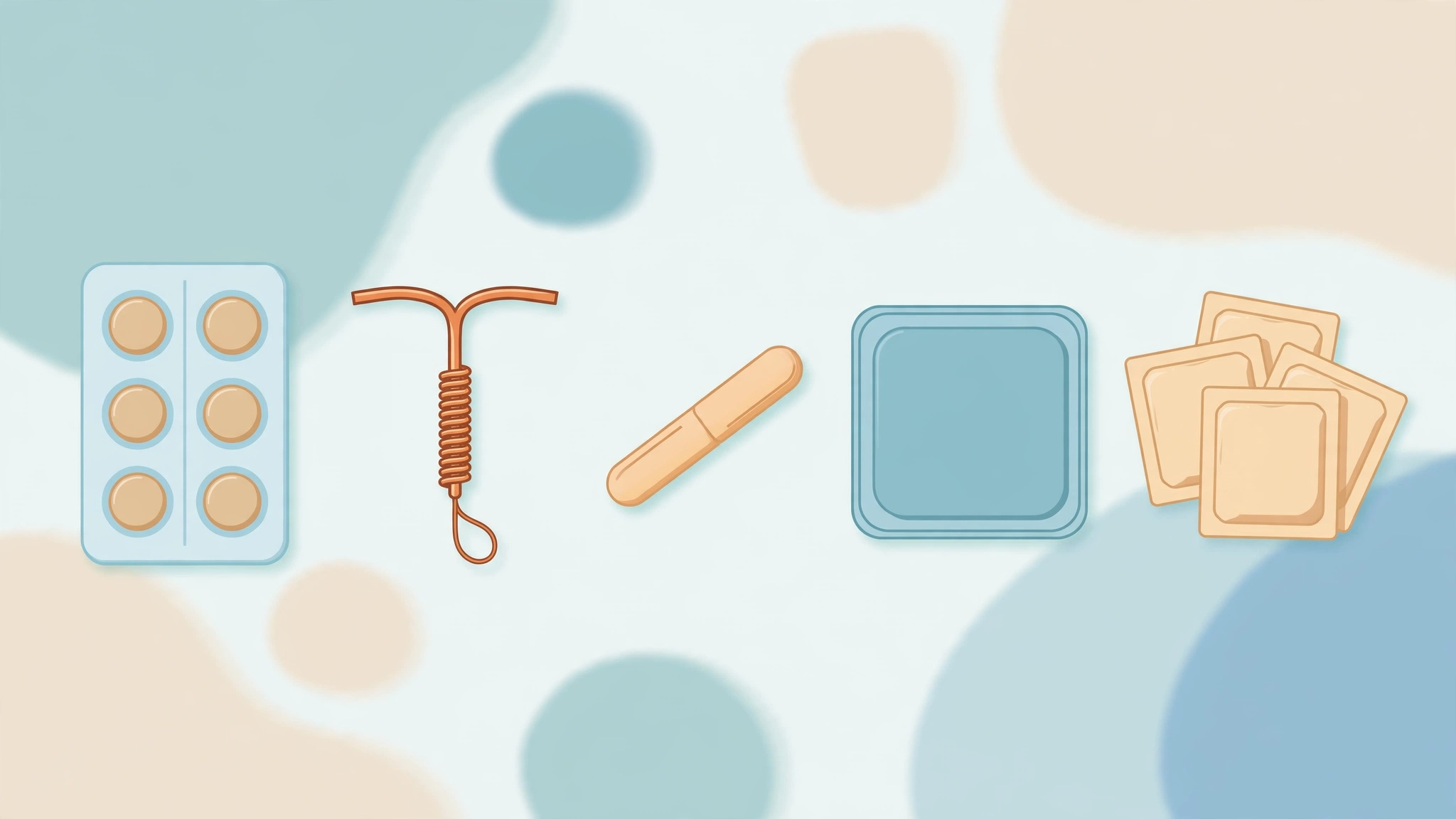
Birth Control Options Compared: Pills, IUDs, and More
Choosing contraception can feel overwhelming — dozens of products and conflicting advice make it hard to see what matters. This guide puts birth control options compared side by side, with real-world effectiveness data, costs, and the practical details doctors use when counseling patients. It is written for couples deciding together and for clinicians seeking a plain-language resource to share. This birth control options compared guide leads with typical-use data, because that is the number that actually protects you.
One thing to know before we begin: effectiveness numbers here use typical use — what happens in real life when people occasionally forget a pill or use a condom imperfectly. Perfect-use numbers are higher, but typical use is what actually protects you, and it is the first thing doctors emphasize during contraception counseling. It is also the most useful lens for any birth control options compared discussion.
Birth Control Options Compared: The Master Comparison Table
The table below summarizes every major method. When birth control options are compared by typical use, the gap between “set and forget” methods and daily methods is striking — and it comes down to human forgetfulness, not flawed technology.
| Method | Typical-use effectiveness | Duration | Hormones | STI protection | Return to fertility |
|---|---|---|---|---|---|
| Implant (e.g. Nexplanon) | 99.95% | Up to 3 years | Progestin only | No | Immediate after removal |
| Hormonal IUD (e.g. Mirena, Kyleena) | Over 99% | 3–8 years depending on brand | Progestin only | No | Immediate after removal |
| Copper IUD (e.g. ParaGard) | Over 99% | Up to 10–12 years | None | No | Immediate after removal |
| Shot (Depo-Provera) | 94% | Every ~13 weeks | Progestin only | No | May take 6–12 months |
| Combination pill | 91–93% | Daily | Estrogen + progestin | No | Usually within weeks |
| Progestin-only pill (minipill) | 91–93% | Daily, same time | Progestin only | No | Usually within weeks |
| Patch | 91–93% | Weekly | Estrogen + progestin | No | Usually within weeks |
| Vaginal ring | 91–93% | Monthly | Estrogen + progestin | No | Usually within weeks |
| Diaphragm or cervical cap + spermicide | 83–88% | Per act of sex | None | No | Immediate |
| External (male) condom | ~85% | Per act of sex | None | Yes | Immediate |
| Internal (female) condom | ~79% | Per act of sex | None | Yes | Immediate |
| Fertility awareness methods | 76–88% | Ongoing tracking | None | No | Immediate |
| Sterilization (vasectomy, tubal ligation) | Over 99% | Permanent | None | No | Not reversible |
A clear pattern emerges: long-acting reversible contraception (LARCs) — IUDs and the implant — are the most effective reversible methods because they remove daily decision-making. Yale Medicine specialists note that aside from permanent sterilization, IUDs and the arm implant offer the most protection, at under 1% pregnancy risk per year, while pills, shots, patches, and rings fail around 10% of the time with typical use. That gap is the headline finding of every honest birth control options compared review.
Short-Acting Hormonal Methods: Pill, Patch, Ring, and Shot
The pill. There are two main kinds: combination pills (estrogen + progestin) and progestin-only minipills. Combination pills come in many schedules, including conventional packs with a monthly bleed and extended-use packs that reduce bleeding to a few times a year. The Mayo Clinic’s guide to choosing a birth control pill explains that your choice depends on how often you want periods and which hormone dose suits you. Combination pills are 91–93% effective with typical use and are taken at roughly the same time each day. It is a small but real gap that shows up whenever birth control options compared on daily methods are lined up side by side.
The minipill. Progestin-only pills suit people who cannot take estrogen — for example, those with migraine with aura. They must be taken at the same time every day, with a narrower missed-dose window than combination pills, making them less forgiving for forgetful users — a detail every birth control options compared discussion should flag.
The patch and the ring. These deliver the same hormones as combination pills but on different schedules: the patch is replaced weekly, the vaginal ring monthly. Typical-use effectiveness matches the pill (91–93%) — a figure that holds steady across every birth control options compared chart.
The shot (Depo-Provera). A progestin injection given about every 13 weeks. At 94% typical use, it is more forgiving than daily pills but requires regular clinic visits. Doctors note it is the hormonal method most strongly linked to weight gain, and fertility can take months to return after the last injection, which is why birth control options compared for couples planning a pregnancy soon usually deprioritize the shot.
Long-Acting Reversible Contraception: IUDs and the Implant
Hormonal IUDs (Mirena, Kyleena, Skyla, Liletta) are small T-shaped devices placed in the uterus by a clinician. They release progestin locally, last 3 to 8 years depending on the brand, and are over 99% effective. Many users notice lighter periods; some stop having periods altogether. Removal restores fertility promptly — one reason birth control options compared for long-term planners so often start here.
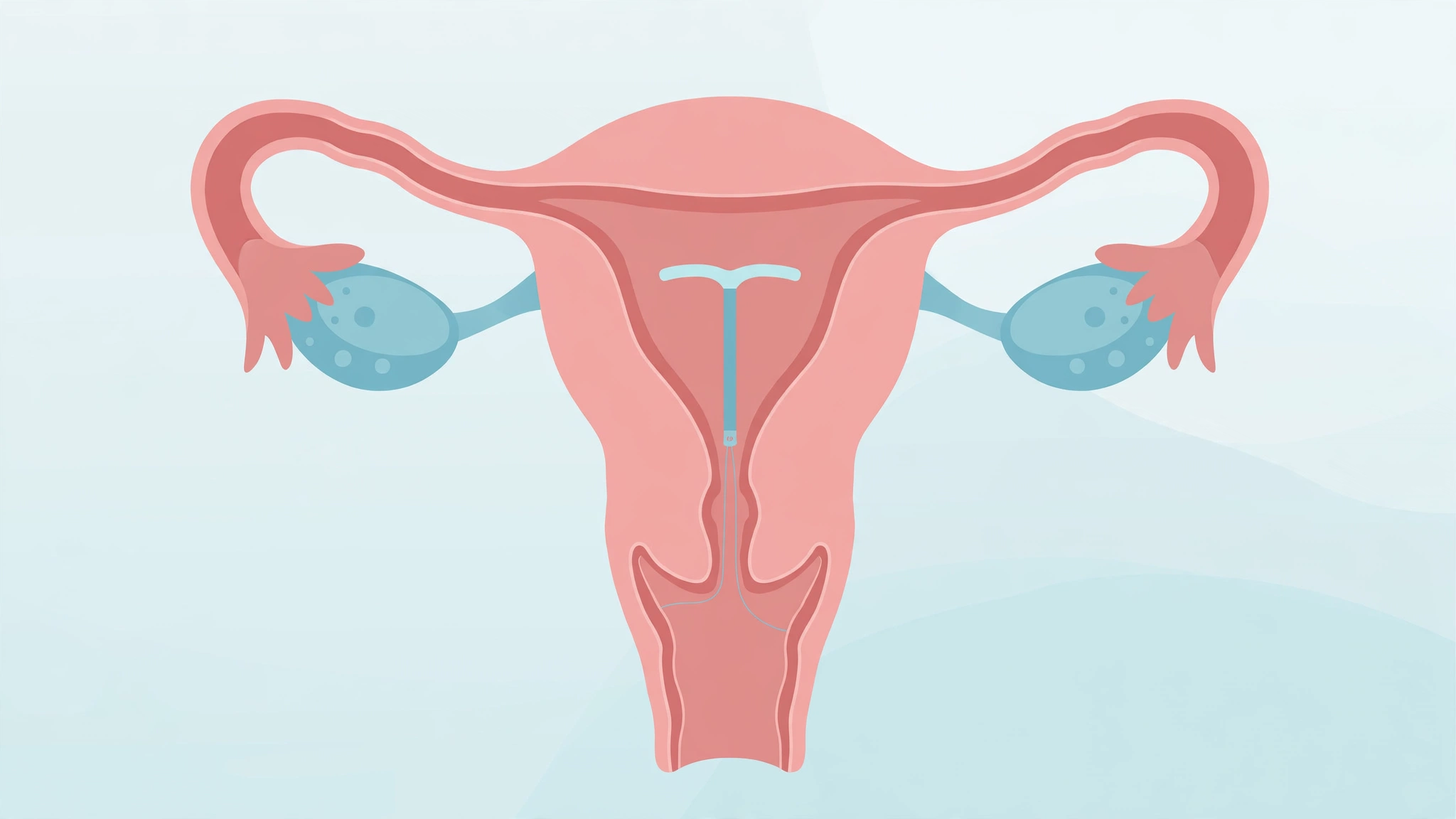
The copper IUD (ParaGard) is completely hormone-free: copper impairs sperm movement and prevents fertilization. It lasts 10 to 12 years at over 99% effectiveness — the top pick for maximum effectiveness without hormones. The trade-off: heavier periods and more cramping, especially in the first several months. For readers who want hormones out of the picture, this birth control options compared guide keeps coming back to the copper IUD.
The implant (Nexplanon) is a thin rod placed under the skin of the upper arm. It releases progestin for 3 years and is the most effective method at 99.95% typical use. Irregular bleeding is the most common side effect. On pure numbers, this is the method to beat in any birth control options compared ranking.
Barrier Methods and Spermicides
External and internal condoms physically block sperm and are the only methods that also protect against sexually transmitted infections. With typical use they are about 85% and 79% effective — lower than hormonal methods mainly because of inconsistent use, which is one reason birth control options compared on typical use rank them below IUDs and pills. Diaphragms and cervical caps are silicone devices used with spermicide, inserted before sex and fitted by a clinician.
Fertility Awareness and Behavioral Methods
Fertility awareness methods (calendar tracking, basal body temperature, cervical mucus observation) involve avoiding sex or using barriers on fertile days. Effectiveness ranges roughly 76% to 88% and depends heavily on training and cycle regularity. Doctors caution that these methods need several months of careful learning before they approach their stated effectiveness.
Sterilization
Tubal ligation and vasectomy are permanent surgical options, over 99% effective. Vasectomy is a short outpatient procedure; tubal ligation is more involved. Because reversals are expensive and unreliable, doctors counsel that sterilization should be treated as final — a trade-off no birth control options compared chart should minimize.
What to Do When Contraception Fails: Emergency Options and Missed-Pill Rules
A complete birth control options compared guide would be incomplete without the backup plan. Emergency contraception covers a broken condom, missed pills, or unprotected sex — it is not for regular use, and timing is critical.
- Copper IUD as emergency contraception. Inserted within five days of unprotected sex, the copper IUD is over 99% effective and then provides ongoing contraception for up to 12 years — the first choice for eligible patients.
- Levonorgestrel pills (such as Plan B) delay ovulation and must be taken within 72 hours. They are available without a prescription in many countries.
- Ulipristal acetate (ella) requires a prescription, works up to 120 hours after unprotected sex, and remains effective at higher body weights, where levonorgestrel options may be less reliable.
Equally important is knowing when backup protection is needed. Doctors generally advise condoms for the first seven days when starting pills, the patch, the ring, an IUD, or the implant, and after the shot if more than about 15 weeks have passed since the last injection. Missing more than two active pills also calls for backup. Keep this birth control options compared backup plan somewhere you will actually find it.
Which Methods Your Doctor May Rule Out: Medical Contraindications
This is what most birth control options compared charts skip — but it is the first thing a clinician screens for. Certain health conditions make estrogen-containing methods unsafe, and knowing your risk factors narrows the field dramatically.
- Migraine with aura. Doctors generally advise against estrogen-containing methods (combination pills, patch, ring) because of increased stroke risk. Progestin-only or non-hormonal methods are preferred.
- Smoking after age 35. Smoking plus estrogen raises the risk of blood clots and stroke, so clinicians steer smokers over 35 toward progestin-only or non-hormonal options.
- History of blood clots, stroke, or certain cancers. Estrogen-containing methods are usually ruled out; your doctor will discuss alternatives.
- High blood pressure. Estrogen can raise blood pressure further, requiring careful screening and monitoring.
- After childbirth. Most IUDs and the implant can be placed soon after delivery, while combined estrogen methods are typically delayed — especially while breastfeeding — because estrogen may affect milk supply.
Doctors also check how contraception interacts with other medications and existing conditions. Bring a full medication and health history to your appointment — it is the single most useful thing you can do to get a safe recommendation.
How Fast Does Fertility Return? A Reversibility Timeline
When birth control options are compared on how quickly you can conceive after stopping, the differences surprise many couples.
| Method | Return to fertility |
|---|---|
| Hormonal or copper IUD, implant | Immediately upon removal — ovulation can resume within days |
| Pill, patch, ring | Usually within weeks; most people ovulate within 1–3 months |
| Progestin-only pill | Usually within weeks |
| Shot (Depo-Provera) | Delayed — can take 6 to 12 months after the last injection |
| Barrier and behavioral methods | Immediate |
| Sterilization | Not reversible; treat as permanent |
One persistent myth deserves debunking: modern IUDs do not cause infertility. Major complications are rare, and fertility returns promptly after removal — unlike the outdated devices of the 1970s that created this fear. If anything, modern evidence strengthens how birth control options compared on reversibility favor IUDs.
Contraception While Breastfeeding
New parents have a narrower menu — which is why birth control options compared for new parents need a separate shortlist. Progestin-only methods — the minipill, the implant, and both IUD types — are generally considered compatible with breastfeeding, and the copper IUD has no effect on milk supply. Combination estrogen methods are usually postponed because they may reduce milk production. Exclusive frequent breastfeeding can suppress ovulation for up to six months, but clinicians warn against relying on it alone.
Dual Protection and the True Yearly Cost
No hormonal method, IUD, or implant protects against sexually transmitted infections — a gap most comparison charts hide. Clinicians frequently recommend dual protection: a highly effective method plus condoms for anyone with STI risk. The Yale Medicine contraception guide agrees: IUDs and implants give the most protection against pregnancy, while only condoms guard against STIs. Skipping dual protection is the blind spot in most birth control options compared articles.
Cost matters too. Here is how birth control options compared by yearly cost stack up, using typical out-of-pocket ranges where insurance does not cover them:
- Pills: roughly $180–$600 per year, every year
- Patch/ring: similar to pills
- Shot: roughly $150–$600 per year
- Implant: $0–$1,300 upfront, lasting up to 3 years — often the cheapest per year over its lifespan
- Hormonal IUD: $0–$1,300 upfront for 3–8 years
- Copper IUD: $0–$1,300 upfront for up to 12 years — the lowest long-term cost of any method
- Condoms: roughly $100–$250 per year for regular use
The pattern is clear: higher upfront costs for LARCs translate into the lowest cost per year of any reversible method — while also being the most effective.

How Doctors Help Couples Pick the Right Method
With all these facts in hand, the decision still comes down to fit — which is exactly what birth control options compared in a real appointment reveal. A good clinician runs through a short checklist first — and a birth control options compared conversation goes faster when you arrive with answers.
- What is your top priority? Maximum effectiveness, hormone-free, lighter periods, STI protection, or lowest cost?
- How consistent are you, honestly? If daily pills are unrealistic, a LARC removes the problem.
- What is your timeline? Pregnancy within a year or two favors short-acting methods; longer horizons favor IUDs or the implant.
- What are your medical risk factors? Migraine with aura, smoking, blood pressure, clotting history, and postpartum status all shape the safe options.
Doctors also normalize two things most comparisons gloss over. First, a trial period: most hormonal side effects stabilize within about three months. Second, switching is normal and safe — many people try several methods over a decade. If a hormonal method is affecting your desire or comfort, that is a legitimate reason to revisit the choice; hormonal contraception can influence libido in some users, a topic we explore in our guide on low libido and the common causes worth ruling out first.
FAQs
These are the questions readers ask most when birth control options compared in the clinic and online.
Which birth control method is the most effective?
The contraceptive implant and IUDs are the most effective reversible methods, at over 99% typical use — which is why birth control options compared by doctors always rank LARCs at the top. The implant reaches about 99.95%, while pills, patches, and rings sit at 91–93% typical use. Your clinician can confirm which top-tier method suits your health profile.
Which birth control has the fewest side effects?
The copper IUD has no hormonal side effects at all, but it can cause heavier periods and cramping, especially early on. Low-dose hormonal IUDs tend to have milder systemic effects than pills for many users. There is no universally side-effect-free method — the best choice depends on which trade-offs your body tolerates.
Does birth control cause weight gain?
The evidence is mixed and depends on the method. The contraceptive shot shows the strongest link to weight gain in studies. Most research finds little average weight change with pills and IUDs, though individual experiences vary. If weight changes concern you, raise it with your doctor before choosing a method.
Can I switch from the pill to an IUD?
Yes — switching methods is common and safe. Your clinician will advise on timing so you stay protected during the change, which usually means starting the new method while finishing the old one or using condoms for the first week. Never leave a gap between methods without backup unless pregnancy is acceptable. A clinician can map the overlap for you, which is a standard part of any birth control options compared appointment.
Do I need backup birth control when starting a new method?
Usually yes. Doctors generally advise condoms for the first seven days after starting pills, the patch, the ring, an IUD, or the implant. The shot needs backup if more than about 15 weeks have passed since the previous injection. Missing more than two active pills also calls for backup protection.
How soon can I get pregnant after stopping birth control?
Fertility returns immediately after IUD or implant removal, and usually within weeks to a few months after stopping pills, the patch, or the ring. The shot is the exception — it can take 6 to 12 months after the last injection. Plan your method switch around your pregnancy timeline with your doctor.
With birth control options compared across effectiveness, cost, reversibility, and medical fit, the “best” method is the one that matches your body, lifestyle, and plans — and that you will use consistently. Bring your questions to your next appointment: a short conversation with a clinician turns this comparison into a personal recommendation. On contraception and desire, see our related guide on low libido and its common causes.
Medical disclaimer: This article is for educational purposes only and is not medical advice. Contraception choices depend on individual health factors that only a qualified healthcare professional can assess. Always consult your doctor or another qualified healthcare professional before starting, stopping, or switching any birth control method.