PCOS and Sexual Health: Symptoms, Fertility, and Care
Polycystic ovary syndrome (PCOS) is one of the most common hormone disorders in women of reproductive age, and the connection between pcos and sexual health is more significant than most people realize. Beyond irregular periods, acne, and unwanted hair growth, PCOS can quietly affect sexual desire, arousal, comfort, fertility, and the emotional side of intimacy. Many women notice these changes long before they learn the two are connected — and because sexual health is rarely discussed at PCOS appointments, they are left wondering whether what they feel is normal.
Medical guidance and research show that pcos and sexual health are linked through several overlapping pathways: hormonal imbalance, metabolic changes, mood and body-image effects, and the practical realities of fertility treatment. The encouraging news is that every one of these pathways is manageable. This guide explains how PCOS affects your sex life, what the latest research actually shows, how PCOS intersects with fertility and conception, and the doctor-backed care plan that helps couples restore comfort, desire, and confidence.
What Is PCOS?
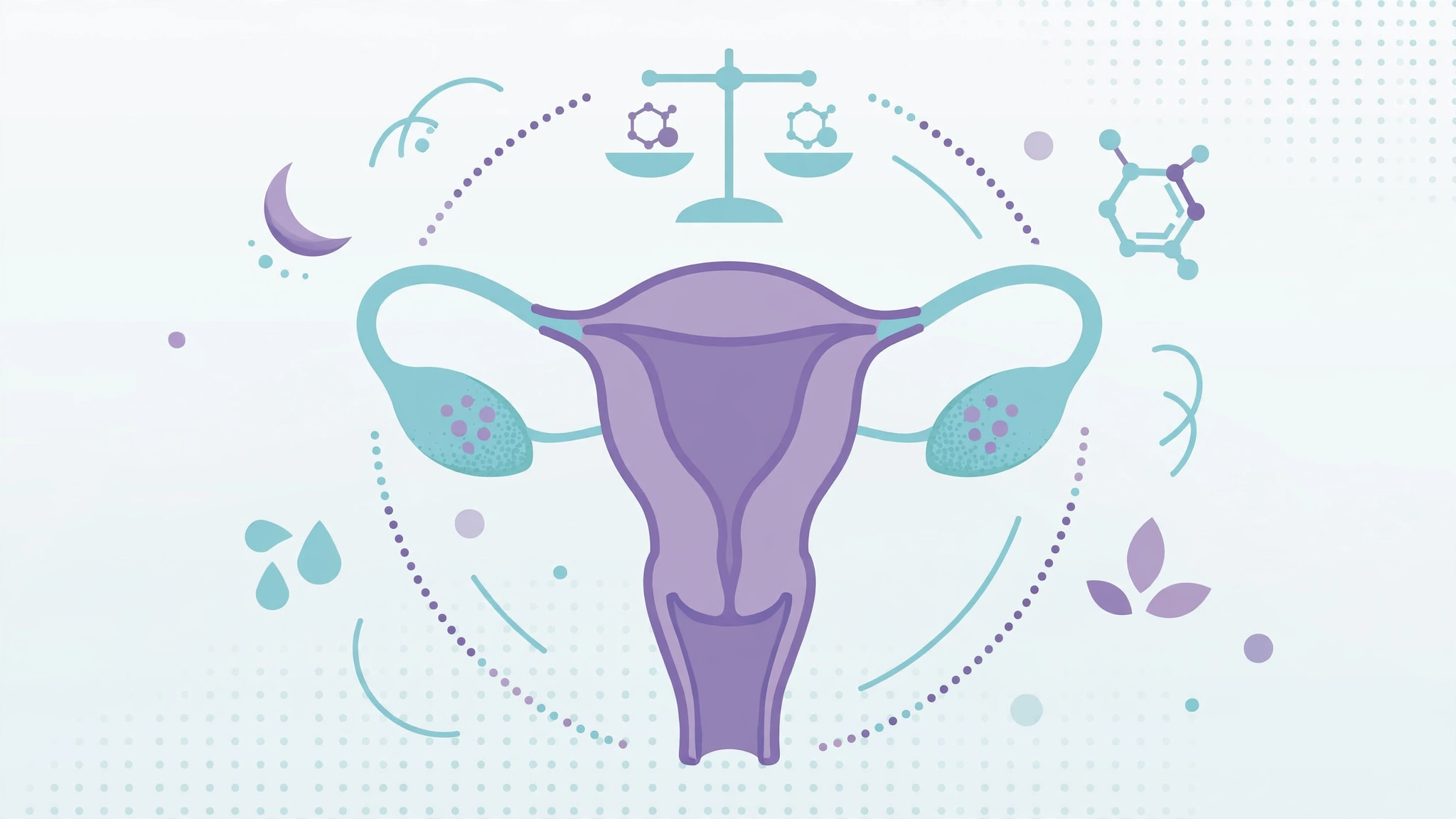
PCOS is a hormonal condition in which the ovaries produce higher-than-normal levels of androgens (often called “male” hormones, though women naturally make them too). According to the Mayo Clinic, a diagnosis of PCOS is made when at least two of three signs are present: irregular menstrual periods (fewer than nine per year or more than 35 days apart), excess androgen causing facial or body hair growth, acne, or scalp hair thinning, and ovaries containing many small follicles that fail to release eggs regularly.
The condition affects roughly 1 in 10 women of childbearing age, and it runs in families. Insulin resistance — where the body’s cells respond poorly to insulin, driving blood sugar and androgen levels up — is common and makes symptoms more severe. Because PCOS involves hormones, metabolism, mood, and reproduction all at once, its effects reach far beyond the ovaries. That breadth is exactly why PCOS and your sex life deserve to be discussed together.
PCOS and Sexual Health: The Physical Links
Sexual function is influenced by biology, psychology, and relationships acting together. PCOS touches all three. Understanding the physical mechanisms first helps separate what the condition causes directly from what can be improved with care. Below is a breakdown of how pcos and sexual health intersect on the physical level.
Hormonal Imbalance and Sexual Desire
The physical side starts with hormones. Elevated androgens are often assumed to raise libido, since testosterone contributes to sexual desire in both sexes. In reality, research has found that the hormonal disruption of PCOS — abnormal ratios of estrogens, androgens, luteinizing hormone, and follicle-stimulating hormone — can impair sexual desire and satisfaction rather than boosting it. Women with PCOS frequently report lower desire even when testosterone levels are high, which suggests overall hormonal balance matters more than any single hormone. That insight is central to understanding pcos and sexual health as a whole.
Irregular Cycles, Anovulation, and Intimacy
When ovulation is irregular, cycles become unpredictable — months apart, or absent altogether. This removes the natural rhythm many couples build their intimate life around and can make contraception planning confusing. Irregular bleeding also causes anxiety around spontaneous intimacy. Regulating cycles is often the first step toward a healthier sexual routine and a healthier overall picture of pcos and sexual health.
Weight, Insulin Resistance, and Body Changes
As many as 4 in 5 women with PCOS carry excess weight, according to ACOG, and insulin resistance makes weight gain easy and weight loss frustratingly slow. Visible androgen symptoms — acne, hirsutism (unwanted facial and body hair), scalp hair thinning, and skin darkening around skin folds — take a toll on how women feel about their bodies. Body self-consciousness is strongly linked to sexual avoidance: it is difficult to feel present during intimacy when preoccupied with how you look. Confidence in your body is a genuine part of pcos and sexual health, not a side issue.
Pain, Dryness, and Lubrication
Something most guides skip entirely is pain. A large 2025 cross-sectional study of women seen for women’s-health specialty care found that women with PCOS were significantly more likely to report pain or discomfort during vaginal penetration, along with lower sexual satisfaction, than women without PCOS. Hormonal disruption can also reduce natural lubrication. Pain during sex is a medical symptom — not something to endure quietly — and it has specific, effective treatments, from pelvic floor physiotherapy to prescription therapies your doctor can recommend. Pain remains one of the most under-discussed aspects of pcos and sexual health, yet it is also one of the most treatable.
What the Research Actually Shows About PCOS and Sexual Health
Here is a nuance that most popular articles about pcos and sexual health get wrong: having PCOS does not automatically mean sexual dysfunction is inevitable. A meta-analysis of ten studies, covering more than 2,600 participants, found no significant increase in the overall risk of female sexual dysfunction in women with PCOS compared with women without it. A large 2025 cross-sectional study reached the same conclusion — overall sexual function scores did not differ significantly between groups.
So what did differ? Women with PCOS scored worse on specific domains: lower sexual satisfaction, more pain during penetration, and much higher rates of anxiety, depression, and body-image distress. When researchers examined which factors best predicted sexual problems, the strongest predictors were not hormone levels at all. They were depression, body self-consciousness, relationship satisfaction, and “sexual esteem” — how confident and comfortable a woman feels as a sexual person.
This finding is genuinely encouraging, because it reframes the problem. Rather than a fixed hormonal destiny, sexual difficulties with PCOS are driven largely by mood, self-image, and relationship quality — all of which respond well to treatment and support. Depression deserves special attention: women with PCOS face roughly three times the incidence of depression and five times the anxiety of women without it, according to clinical guidelines. Treating the mind is often the most direct route to improving the intimate relationship, and for anyone navigating pcos and sexual health, this reframes the goal: address mood and self-image, and intimacy often follows.
PCOS, Fertility, and Your Sex Life
No guide to pcos and sexual health is complete without addressing fertility, because for many couples, the bedroom becomes stressful the moment conception becomes the goal. PCOS is one of the most common causes of female infertility — irregular or absent ovulation means fewer chances to conceive each month. When sex turns into a scheduled, ovulation-timed obligation, desire and spontaneity fade, and repeated negative pregnancy tests strain even strong relationships. When fertility becomes the focus, pcos and sexual health can feel like competing priorities — protecting both matters.
The clinical picture is hopeful. Doctors can induce ovulation with well-established medications, and lifestyle changes producing even modest weight loss can restore regular cycles on their own. Many women with PCOS conceive successfully with treatment. Couples do best when they protect some of their intimate life as purely pleasurable and separate from the “project” of conception — a point fertility specialists emphasize routinely.
For couples actively trying to conceive, understanding your fertile window and how to track ovulation makes a real difference. Our detailed guide, Trying to Conceive: How Often to Have Sex and When, walks through how often to have sex, how to identify ovulation, and when to bring a specialist into the conversation. If irregular cycles are the barrier, addressing PCOS with your doctor and tracking fertility in parallel is the strategy most clinicians recommend.
The Emotional Side: Body Image, Mood, and Intimacy
The visible symptoms of PCOS — acne that persists into adulthood, facial hair that requires constant management, weight that resists dieting, hair thinning on the scalp — are emotionally loaded in a culture that prizes conventional attractiveness. Many women with PCOS describe avoiding mirrors, photos, social events, and eventually intimacy itself. This withdrawal is understandable, but it feeds a cycle: avoiding intimacy reduces relationship closeness, which increases stress and low mood, which further suppresses desire.
Breaking this cycle requires self-compassion and communication. Research on women with PCOS repeatedly identifies partner communication as a protective factor: women who talk openly about their symptoms, frustrations, and needs report better sexual satisfaction than those who stay silent. Your partner cannot intuit hormonal symptoms. Concrete conversation starters help: “Some days my body image makes intimacy hard; it’s not about you,” or “I need extra time and patience on days when symptoms flare.” Honest conversation protects both the relationship and pcos and sexual health as a whole.
If low mood, anxiety, or persistent body-image distress is present, professional support is a medical intervention, not a luxury. Cognitive-behavioral therapy has strong evidence for depression and body-image concerns, and many therapists specialize in the intersection of chronic health conditions and intimacy. You can simply request a referral from your primary care doctor or gynecologist.
A Doctor-Backed Care Plan for PCOS and Sexual Health
Managing pcos and sexual health works best as a coordinated plan rather than a single fix. Doctors typically address the condition layer by layer: lifestyle foundations first, then targeted medical treatment, then specialist support where needed. Each layer of a pcos and sexual health care plan builds on the one before it.
Lifestyle Changes That Improve Desire
Exercise and modest weight loss are the most evidence-backed first steps in PCOS management — and their sexual benefits are documented, not just assumed. A randomized clinical trial of 114 women with PCOS, published in Fertility and Sterility (2020), tested 16 weeks of intensive lifestyle modification, combined oral contraceptive pills, and the combination of both. Intensive lifestyle change improved sexual desire scores, and women who started with sexual dysfunction saw overall improvement. Oral contraceptives alone did not change sexual function scores — a useful finding that sets realistic expectations.
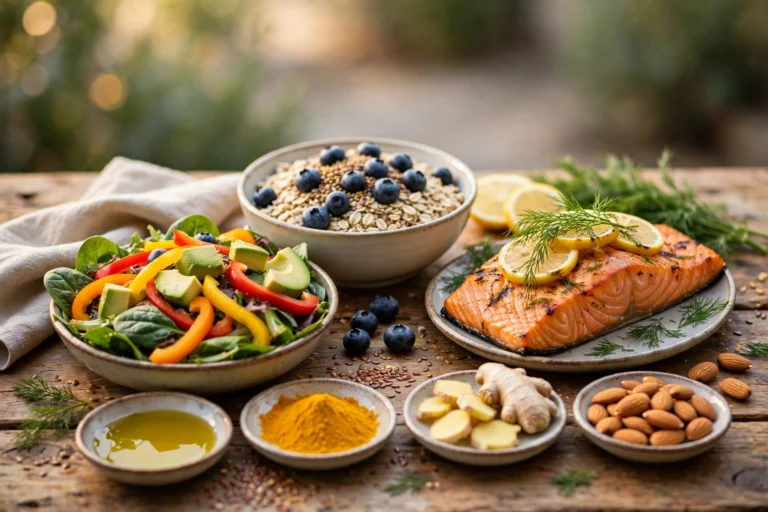
Practically, this means regular moderate exercise, a balanced diet low in refined sugar and high in fiber, consistent sleep, and stress management. Even a 5–10% weight reduction can regulate cycles, improve insulin sensitivity, and reduce androgen symptoms — while lifting energy, mood, and body confidence. When it comes to pcos and sexual health, sustainable habits beat crash diets every time.
Medical Options: Hormonal Contraception and Beyond
For women not currently trying to conceive, combined hormonal contraceptives (containing estrogen and progestin) are the most effective medical treatment for PCOS, according to ACOG. They regulate cycles, lower androgen levels (reducing acne and unwanted hair), and increase sex hormone-binding globulin. Anti-androgens may be added for stubborn hirsutism or acne, and insulin-sensitizing medications for prominent insulin resistance.
One important caveat: hormonal contraception affects libido differently in different women. Some notice improved desire as symptoms settle; others notice a dip. If you suspect your contraception is affecting your sex drive, that is a valid reason to revisit the choice with your doctor — there are many formulations, and sexual side effects deserve the same clinical attention as any other. Finding the right formulation is a normal part of good pcos and sexual health care. Read our full breakdown in Does Birth Control Affect Sex Drive? What Doctors Say.
Pelvic Floor, Sleep, and Mental Health Support
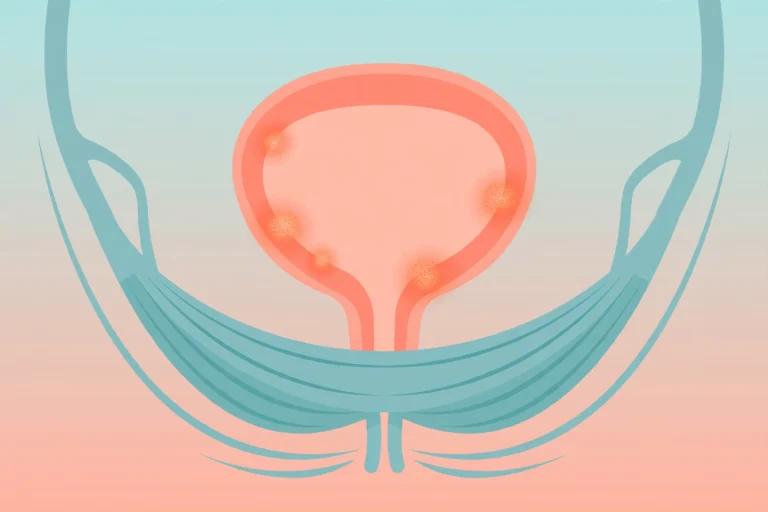
If intercourse is painful, a pelvic floor physiotherapist can assess and treat muscle tension or weakness in the pelvic floor — a common, fixable contributor to pain that many women never hear about. Sleep matters too: PCOS is associated with higher rates of sleep apnea, and chronic fatigue suppresses desire reliably. And because depression and anxiety are the strongest predictors of sexual difficulties in PCOS, screening for and treating them is arguably the single highest-impact intervention available.
When to See a Doctor About PCOS and Sexual Health
Many women with PCOS tolerate sexual symptoms for years because they seem “part of the condition.” They are not — they are treatable problems that deserve care. Use this table as a guide for when to book an appointment:
| Symptom or Situation | Why It Matters | What to Ask About |
|---|---|---|
| Pain during intercourse | May indicate pelvic floor dysfunction, dryness, or hormonal effects | Pelvic floor physiotherapy, lubricants, hormonal evaluation |
| Persistent low desire (6+ months) | Strongly linked to depression, anxiety, or contraceptive effects | Mental health screening, medication review |
| Periods fewer than 9 per year | Unopposed estrogen raises long-term uterine health risks | Cycle regulation options |
| Trouble conceiving after 12 months (6 months if over 35) | PCOS-related anovulation is highly treatable | Ovulation induction, fertility referral |
| New or worsening depression/anxiety | PCOS greatly increases risk; mood drives sexual problems | Counseling, psychiatric referral |
| Rapid weight gain or hair changes | May signal insulin resistance or thyroid issues | Blood sugar, thyroid, androgen testing |
Bring this list to your appointment. A good opener is simply: “I want to talk about how PCOS is affecting my sexual health — can we make a plan for that?” Most doctors welcome an open conversation about pcos and sexual health.
FAQs
Does PCOS lower sex drive?
PCOS is commonly associated with lower sexual desire, though the mechanism is indirect. The biggest drivers are hormonal disruption, depression and anxiety (far more common with PCOS), body-image distress from symptoms like acne and unwanted hair, and fertility-related relationship stress. Addressing mood and self-image often improves desire more than changing hormone levels alone.
Can PCOS make orgasm more difficult?
Some studies report that arousal, lubrication, and orgasm can be compromised in women with PCOS, particularly with anovulatory cycles. However, meta-analyses find no overall increase in clinical sexual dysfunction compared with women without PCOS. Difficulties that do occur often improve with cycle regulation, adequate lubrication, treating mood issues, and pelvic floor physiotherapy where needed.
Does birth control prescribed for PCOS affect libido?
It can, in either direction. Combined hormonal contraceptives regulate cycles and reduce androgen symptoms, improving confidence and desire for many women — but a minority notice reduced libido. If you notice a change after starting contraception, tell your doctor; different formulations or non-hormonal strategies can be explored.
Can you still get pregnant if you have PCOS?
Yes. PCOS is a common but highly treatable cause of infertility. Lifestyle changes that restore regular cycles, doctor-prescribed ovulation-inducing medications, and timed intercourse around ovulation help many women with PCOS conceive. See a fertility specialist if you have been trying for 12 months (or 6 months if you are over 35).
Does PCOS go away after menopause?
PCOS does not disappear after menopause, although some symptoms shift: periods stop, but androgen effects and metabolic risks (diabetes, cardiovascular disease) persist. Postmenopausal women with PCOS may notice changes in sexual comfort such as dryness. Long-term follow-up — including metabolic screening — remains important even after the reproductive years end.
Will losing weight improve my sex life if I have PCOS?
Evidence says yes, with realistic expectations. A clinical trial of 114 women with PCOS found that 16 weeks of intensive lifestyle modification improved sexual desire scores, particularly in women with existing sexual dysfunction. Even a 5–10% weight reduction can regulate cycles, improve insulin sensitivity, and lift mood and energy. Sustainable habits beat crash diets every time.
If PCOS is affecting your intimacy, desire, or plans for a family, you do not have to manage it alone — or in silence. The connection between pcos and sexual health is well understood by doctors, and every link in the chain, from hormones to mood to fertility, has an evidence-based response. Talk to your doctor, ask directly about your sexual health concerns, and explore our related guides to keep learning. The right care plan can make a genuine difference.
Medical disclaimer: This article is for educational purposes only and does not constitute medical advice. Treatment decisions should be made with a qualified healthcare professional who can evaluate your individual needs. If you are experiencing symptoms discussed here, please consult your doctor, gynecologist, or endocrinologist.