Ovarian Cysts: Types, Symptoms, and Care
What Are Ovarian Cysts?
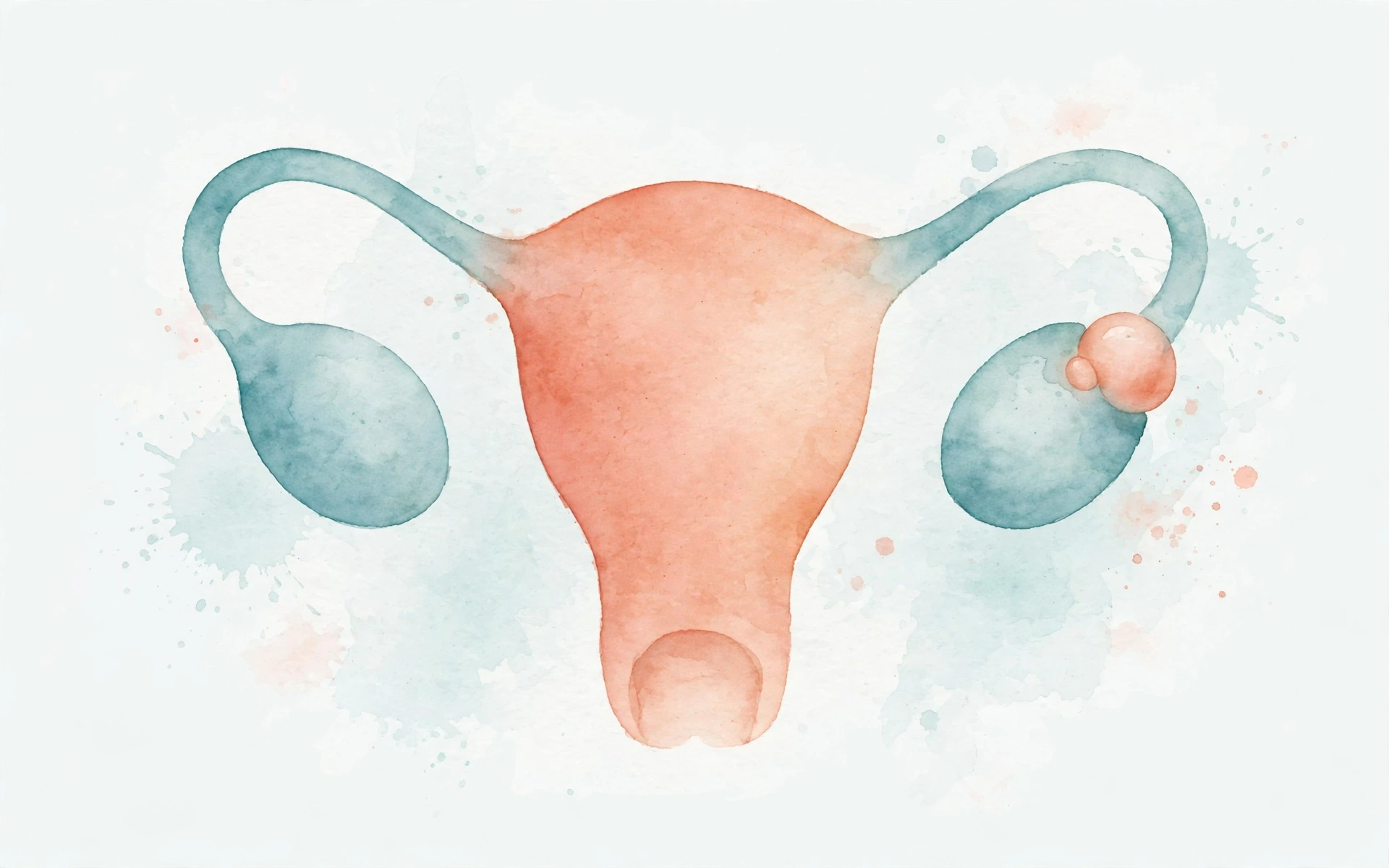
This guide to ovarian cyst symptoms covers the causes, warning signs, and care options every woman should know. Ovarian cysts are fluid-filled sacs that develop on or inside an ovary. Most women of reproductive age will develop at least one during their lifetime, and the vast majority are harmless. Still, understanding ovarian cyst symptoms and types matters, because good information helps you tell a harmless, self-resolving cyst apart from one that deserves medical attention. Many cysts are found by accident, during a routine pelvic exam or an imaging test done for another reason, and never cause a single symptom. Learning to recognize common ovarian cyst symptoms early can help you decide when to call your doctor.
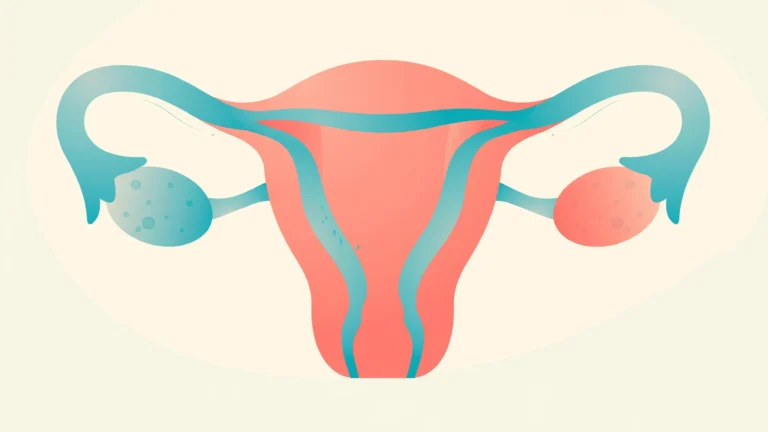
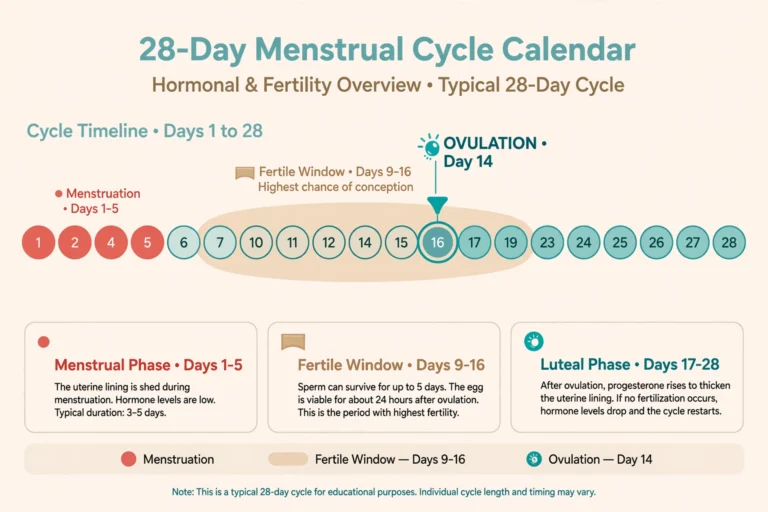
The ovaries are two small, almond-shaped organs on either side of the uterus. Each month during the menstrual cycle, a follicle matures an egg and releases it at ovulation. An ovarian cyst forms when that normal process takes a slightly different path, or when tissue grows in a way it should not. Knowing which type you have, what symptoms to watch for, and what care looks like takes most of the fear out of the diagnosis.
Types of Ovarian Cysts
Doctors generally group ovarian cysts into two broad families: functional cysts, which are tied to the normal menstrual cycle, and non-functional cysts, which arise from other processes. The distinction matters because it strongly influences whether a cyst is likely to resolve on its own. This overview explains each kind in turn, along with the ovarian cyst symptoms each type tends to cause.
Functional Cysts
Functional cysts are by far the most common and are considered a normal variation of ovulation. There are two main kinds. Because they come and go with ovulation, any ovarian cyst symptoms they cause are usually brief and mild.
- Follicular cysts form when a follicle does not rupture to release its egg. Instead of breaking open, the follicle keeps growing and fills with fluid. These are usually small and tend to disappear within one to three menstrual cycles.
- Corpus luteum cysts form after ovulation, when the empty follicle seals off instead of shrinking away. The corpus luteum normally produces hormones that support an early pregnancy, so when it fills with fluid or blood it can grow larger than a follicular cyst and cause more noticeable pelvic discomfort. Like follicular cysts, these usually resolve on their own within a few weeks to months.
Endometriomas
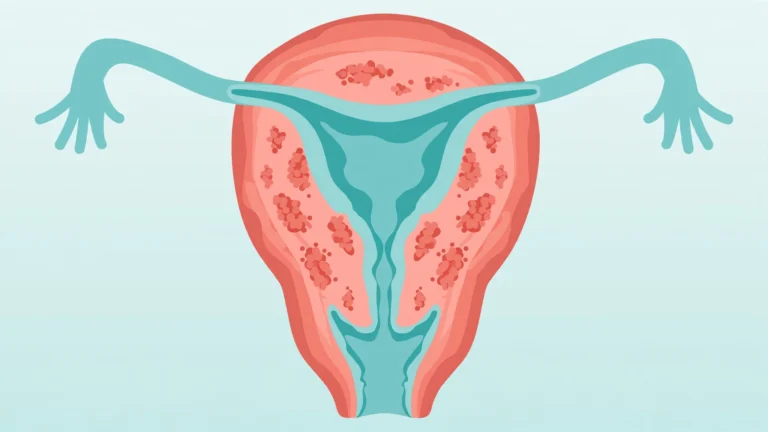
Endometriomas, sometimes called “chocolate cysts” because they contain old, dark blood, develop when tissue similar to the uterine lining grows on an ovary. This is a sign of endometriosis, a condition that can cause chronic pelvic pain, painful periods, and fertility problems. Unlike functional cysts, endometriomas typically do not resolve on their own and often require medical or surgical management.
Dermoid Cysts
Dermoid cysts (mature cystic teratomas) develop from germ cells, the cells that eventually become eggs. They can contain a mix of tissue types, including skin, hair, or fat. They are almost always benign and grow slowly, but because they do not resolve spontaneously and their weight can make the ovary more prone to twisting, doctors often recommend surgical removal, particularly for larger cysts. Since dermoid cysts grow so slowly, ovarian cyst symptoms may develop gradually enough to be easy to dismiss.
Cystadenomas
Cystadenomas grow from the outer surface of the ovary and are filled with a watery fluid (serous cystadenomas) or a thicker, mucus-like fluid (mucinous cystadenomas). Some can grow quite large. They are typically benign, but they generally require surgical removal to prevent complications and to confirm that no abnormal cells are present. As these cysts enlarge, ovarian cyst symptoms such as pelvic pressure and bloating become more likely.
Common Ovarian Cyst Symptoms
Most small ovarian cysts cause no symptoms at all. When symptoms do appear, they usually reflect the cyst’s size, its location, or a complication such as rupture or twisting. Tracking your ovarian cyst symptoms over time can help your doctor spot patterns. Common ovarian cyst symptoms include:
- Pelvic pain or a dull ache on one side of the lower abdomen — the most common ovarian cyst symptom
- Bloating, a feeling of fullness, or pelvic pressure, which are frequently reported ovarian cyst symptoms
- Needing to urinate more often, or difficulty fully emptying the bladder, when a cyst presses on the bladder
- Discomfort during intercourse, particularly deeper pelvic pain, can be an ovarian cyst symptom
- Menstrual changes, such as spotting between periods, irregular cycles, or heavier bleeding
- A dull ache in the lower back or thighs that may accompany other ovarian cyst symptoms
- Nausea or bloating that comes and goes with the cycle — possible ovarian cyst symptoms

What Your Ovarian Cyst Symptoms May Suggest
While only imaging can identify the type of a cyst, certain symptom patterns give useful context. This does not replace a diagnosis, but it helps you have a better conversation with your doctor.
- Pain that appears around mid-cycle and fades is often associated with functional cysts, since it follows the rhythm of ovulation.
- Pain that worsens with each period, along with heavy or painful menstruation, is more typical of endometriomas and the endometriosis behind them.
- Symptoms that build gradually over months, such as a slowly growing feeling of pressure or increasing waist circumference, can occur with cystadenomas or dermoid cysts, which tend to enlarge over time rather than come and go.
- Sudden, sharp pain on one side that arrives out of nowhere needs prompt medical attention. It may signal a ruptured cyst or ovarian torsion, where the ovary twists around its blood supply.
Warning Signs: When to Seek Urgent Care
Most ovarian cysts never become emergencies, but two complications require immediate medical attention: rupture and ovarian torsion. Call your doctor or go to urgent care if you experience:
- Sudden, severe pelvic or abdominal pain — a red-flag ovarian cyst symptom
- Pain accompanied by fever or vomiting, which can signal serious ovarian cyst symptoms
- Dizziness, fainting, or feeling like you might pass out — urgent ovarian cyst symptoms
- Rapid breathing or a fast heartbeat alongside severe ovarian cyst symptoms
- Cold, clammy skin or signs of shock with acute ovarian cyst symptoms
These symptoms can indicate internal bleeding from a ruptured cyst or a twisted ovary losing its blood supply. Ovarian torsion is time-sensitive: the sooner treatment begins, the better the chance of preserving the ovary.
How Ovarian Cysts Are Diagnosed
Diagnosis usually begins with a conversation about your symptoms and menstrual history, followed by a pelvic exam. If a cyst is suspected, the key test is a pelvic ultrasound, most often a transvaginal ultrasound, which uses sound waves to show the ovaries in detail. The scan reveals the cyst’s size, location, and whether it appears simple (fluid-filled) or complex (containing solid areas or blood), which guides the next steps.
Other tests your doctor may order include a pregnancy test, since pregnancy can cause similar abdominal symptoms, and blood tests for the CA-125 protein. An elevated CA-125 can occur with ovarian cancer, but it is also elevated with endometriosis, pelvic infection, or even menstruation, so it is only one piece of the puzzle and is interpreted alongside imaging, symptoms, and age. For a concise clinical overview of this ovarian cysts symptoms types diagnostic process, the Mayo Clinic’s guide to ovarian cysts symptoms and causes is a reliable reference.
What to Expect at Your Appointment
A little preparation makes the visit more productive. You may be asked to arrive with a full bladder for part of the ultrasound and to empty it for the transvaginal portion, so check with the clinic beforehand. Bring notes on your cycle, when symptoms started, how they relate to your period, and any pain relievers you have tried. Useful questions to ask include: what type does this look like on the scan, what size is it, is it simple or complex, when should we recheck it, and what symptoms should bring me back sooner.
Treatment and Care Options
For small, simple cysts that are not causing significant symptoms, the standard approach is watchful waiting: the cyst is monitored with a repeat ultrasound in several weeks to a few months to confirm it is shrinking or gone. This is not “doing nothing,” it is the medically appropriate choice for cysts that overwhelmingly resolve by themselves. This ovarian cysts symptoms types treatment overview reflects current medical guidance.
- Over-the-counter pain relief can help with cramping and pelvic aching while a cyst resolves. Applying heat to the lower abdomen often eases discomfort as well.
- Hormonal birth control does not shrink a cyst that already exists, but your doctor may recommend it to prevent new functional cysts from forming if you develop them frequently.
- Laparoscopy (minimally invasive surgery) is used when a cyst is large, persists over several months, causes significant symptoms, or looks complex on imaging. Through small incisions, the surgeon can remove the cyst while preserving the ovary in most cases.
- Open surgery is reserved for very large cysts or those that appear suspicious for cancer, allowing the surgeon to remove and examine the tissue directly.
Caring for Yourself While Waiting
During a watchful-waiting period, gentle activity is usually fine, and many women find that light walking actually eases pelvic aching. Listen to your body: avoid high-impact or twisting abdominal movements that cause pain, and ease back into intense exercise once symptoms settle. Keep your follow-up ultrasound appointment even if you feel better, because confirming the cyst has resolved is what closes the loop. Seek care sooner if pain suddenly intensifies, which could indicate rupture or torsion.

Recovery After Cyst Surgery
After a laparoscopy, most people go home the same day. Mild shoulder or abdominal soreness from the surgical gas is common and fades within a day or two. Light activity and short walks are encouraged early to help healing, while heavy lifting and intense exercise are usually paused for a couple of weeks per your surgeon’s instructions. Many people return to desk work within a week. Follow-up visits check healing and review the pathology results that confirm the cyst’s nature. The NHS overview of ovarian cysts also summarizes these treatment and recovery expectations clearly.
Ovarian Cysts in Pregnancy
Finding an ovarian cyst during pregnancy is common, often spotted at the first prenatal ultrasound. Most are corpus luteum cysts, which are doing important work: the corpus luteum produces hormones that sustain the pregnancy until the placenta takes over around the end of the first trimester. These cysts usually shrink on their own as pregnancy progresses.
Large or complex cysts in pregnancy are monitored more closely, but surgery during pregnancy is only done when truly necessary, such as for torsion or a suspected rupture, and is typically timed for the second trimester when it is safest. If you are pregnant and learn you have a cyst, the usual plan is observation with scheduled rechecks, not intervention. Our ovarian cysts symptoms types guide covers pregnancy monitoring in detail.
Ovarian Cysts After Menopause
After menopause, new cysts are less common, and the approach is more cautious. Because ovulation has stopped, functional cysts should not be forming, so any cyst found after menopause is evaluated with extra care. That does not mean cancer is likely, but the threshold for further testing is lower: your doctor may order a CA-125 blood test, a more detailed ultrasound, or a referral to a gynecologist even for a cyst that would have been simply watched before menopause.
Small, simple-looking cysts after menopause are still often benign and may simply be monitored. However, complex cysts, cysts that grow, or cysts accompanied by symptoms such as bloating, pelvic pressure, or changes in urinary habits deserve thorough evaluation. If you are past menopause, take a new cyst finding seriously enough to complete every recommended test, while remembering that most turn out to be benign. Women researching ovarian cysts symptoms types after menopause should complete every recommended test.
Ovarian Cysts vs. PCOS: What’s the Difference?
This is one of the most common points of confusion. Having an ovarian cyst is not the same as having polycystic ovary syndrome (PCOS). An ovarian cyst is usually a single, distinct fluid-filled sac on one ovary. PCOS is a hormonal condition in which the ovaries contain many small, immature follicles that never fully develop, alongside broader signs such as irregular periods, acne, excess hair growth, weight changes, or fertility difficulties.
You can have a single ovarian cyst without having PCOS, and most women with PCOS do not have the large, symptomatic cysts described in this article. If irregular cycles, acne, or unwanted hair growth accompany your cyst finding, it is worth asking your doctor whether a PCOS evaluation makes sense.
Fertility and Ovarian Cysts
Most ovarian cysts do not affect fertility. Functional cysts are part of ovulation itself, and women conceive normally after they resolve. Dermoid cysts and cystadenomas that require surgery are usually removed with a technique called cystectomy, which takes out the cyst while preserving as much healthy ovarian tissue as possible.
Endometriomas are the main type linked to fertility difficulties, both through the endometriosis itself and because surgery on them can affect ovarian reserve. If you are planning a pregnancy and have an endometrioma, discuss fertility-preserving options with your doctor before surgery, including how the size and number of cysts factor into the decision. In all cases, preserving fertility is a standard goal of modern ovarian surgery, and it should be part of your treatment conversation.
Frequently Asked Questions
Can ovarian cysts go away on their own?
Yes. Most functional cysts, including follicular and corpus luteum cysts, resolve on their own within one to three menstrual cycles without any treatment. This is why watchful waiting with a follow-up ultrasound is the standard first approach for small, simple cysts, and it is one of the most reassuring facts in any ovarian cysts symptoms types guide.
Can an ovarian cyst turn into cancer?
Ovarian cysts themselves do not “turn into” cancer. The vast majority are benign. Cancer arising from a cyst is rare, especially before menopause, where the malignancy rate is well under one percent. The risk is higher after menopause, which is why postmenopausal cysts are evaluated more carefully.
Can I get pregnant if I have an ovarian cyst?
In most cases, yes. Ordinary functional cysts do not prevent pregnancy, and corpus luteum cysts are actually a normal part of early pregnancy. Fertility concerns mainly relate to endometriomas, so discuss your specific type and treatment plan with your doctor if you are trying to conceive.
Should I avoid exercise with an ovarian cyst?
Not necessarily. Gentle activity such as walking is usually fine and may ease discomfort. Avoid high-impact sports or exercises involving hard twisting if they cause pain, and stop anything that triggers sharp pelvic pain. Your doctor can give guidance based on your cyst’s size.
Do birth control pills shrink an existing cyst?
No, hormonal birth control does not shrink a cyst that has already formed. It works by preventing ovulation, which reduces the chance of new functional cysts developing. It is a prevention strategy, not a treatment for a current cyst.
When is surgery needed for an ovarian cyst?
Surgery is typically considered when a cyst is large, has persisted for several months without shrinking, causes significant symptoms, looks complex on ultrasound, or raises concern for ovarian torsion or malignancy. When surgery is needed, it is usually done by laparoscopy, a minimally invasive technique with a quick recovery.
How often should an ovarian cyst be rechecked?
Your doctor will set a schedule, often a repeat ultrasound in 6 to 12 weeks for a small simple cyst, to confirm it is resolving. The timing depends on the cyst’s size, appearance, and your age. Keep the follow-up appointment even if your symptoms have disappeared.
This article is for educational purposes only and is not medical advice. Ovarian cysts vary widely, and only a qualified healthcare provider who has examined you can diagnose your condition and recommend appropriate care. If you are experiencing pelvic pain, bleeding changes, or other symptoms described here, please consult your doctor.