Painful Sex in Women: Common Causes Doctors Check First
Pain during sex is far more common than most people admit. The American College of Obstetricians and Gynecologists (ACOG) reports that nearly 3 out of 4 women experience pain during intercourse at some point. If you are searching for painful sex women causes, you want more than a vague list — you want to know what is actually behind the pain and what a doctor will investigate first. The medical term for recurring pain before, during, or after sex is dyspareunia, and according to sources like Mayo Clinic, Cleveland Clinic, and the NHS, it is usually a symptom with a discoverable cause — and most causes are treatable.
If you are trying to sort through the many painful sex women causes, this guide follows the way clinicians think: where the pain is felt, the conditions doctors check for most often, and exactly what a medical workup looks like.
Painful Sex Women Causes: Entry Pain vs. Deep Pain — the First Diagnostic Clue
The very first question most doctors ask is not “how bad is it?” but “where exactly does it hurt?” That single detail is one of the most powerful clues in the painful sex women causes checklist, because different locations point to very different conditions.

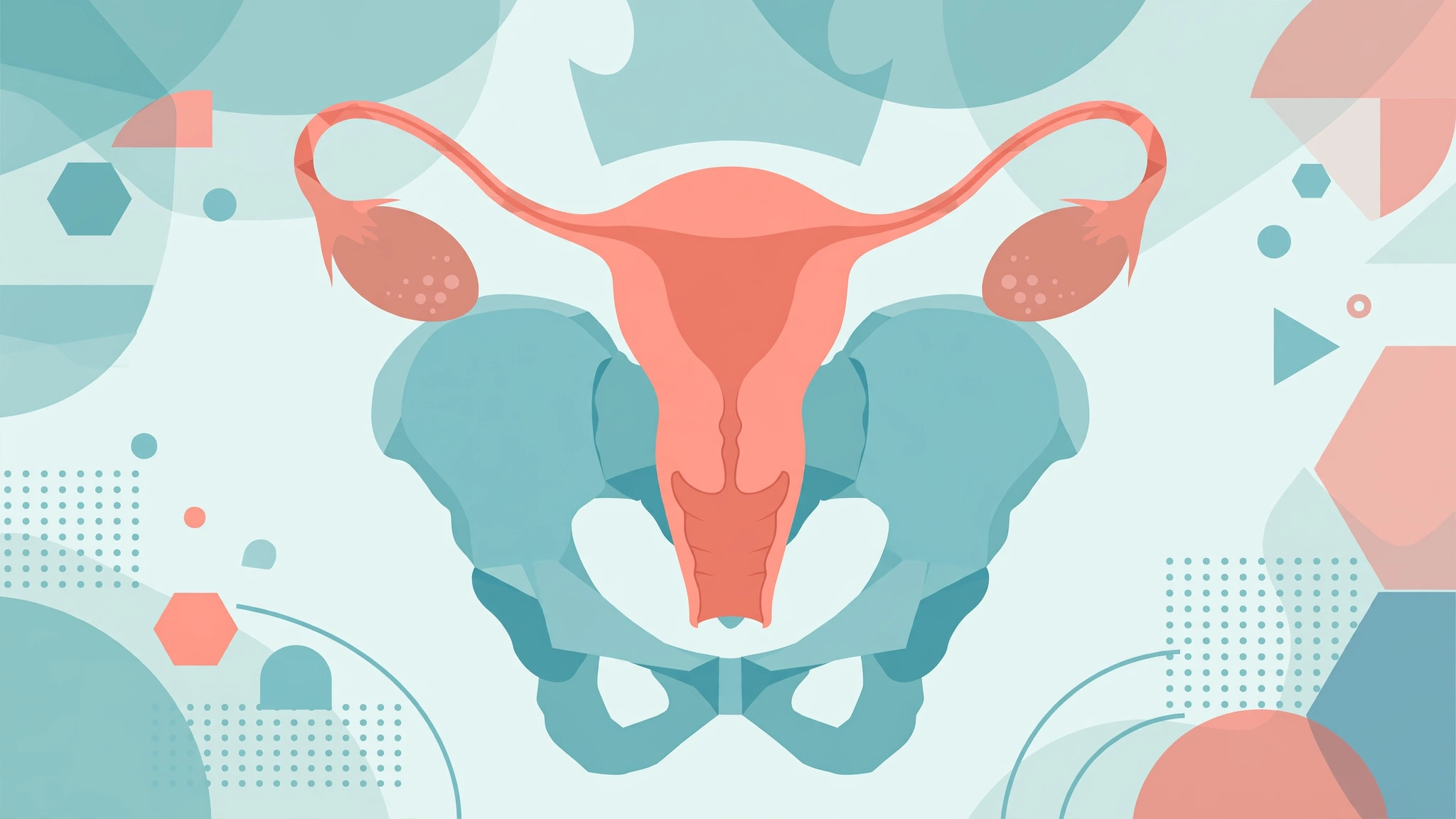
Entry pain (superficial dyspareunia) is felt at the vaginal opening — burning, stinging, or a sharp tear-like sensation on penetration. Common causes doctors check first: inadequate lubrication (often hormonal, medication-related, or stress-related), vulvovaginal infections such as yeast infection or bacterial vaginosis, urinary tract infection, skin conditions like lichen sclerosus or eczema of the vulva, and vaginismus — involuntary tightening of the pelvic floor muscles. Deep pain (deep dyspareunia) is felt deeper inside — aching or cramping with deep penetration or thrusting. Doctors investigate endometriosis, pelvic inflammatory disease (PID), uterine fibroids, ovarian cysts, adenomyosis, and interstitial cystitis. Knowing which kind you feel is the fastest way to narrow down the painful sex women causes that apply to you.
What Doctors Check First: The 7 Most Common Painful Sex Women Causes
When a patient reports painful sex, clinicians work through a familiar differential list. These are the painful sex women causes they investigate in roughly this order:
1. Vaginal Dryness and Inadequate Lubrication
The single most common and most easily fixable cause. Estrogen keeps vaginal tissue thick, elastic, and naturally lubricated — when estrogen drops (postpartum, breastfeeding, perimenopause and menopause, certain hormonal contraceptives), dryness and friction pain follow. Medications like antihistamines and some antidepressants also reduce lubrication. Doctors check: medication list, hormonal status, breastfeeding history. Treatment: water- or silicone-based lubricants during sex, vaginal moisturizers used regularly, and for menopausal patients, low-dose vaginal estrogen prescribed by a doctor.
2. Infections
Yeast infections, bacterial vaginosis, trichomoniasis, and urinary tract infections all cause inflammation that makes penetration painful — typically burning or stinging at entry. Sexually transmitted infections such as chlamydia and gonorrhea cause deep pelvic pain and are classic workup items. Doctors check: a pelvic exam, vaginal swabs, urine testing, and STI screening. Treatment: targeted antibiotics or antifungals — pain usually resolves once the infection clears.
3. Vaginismus and Pelvic Floor Dysfunction
Vaginismus is involuntary spasm of the pelvic floor muscles that can make penetration painful, difficult, or impossible. A closely related problem is hypertonic (overly tight) pelvic floor muscles from chronic stress, previous pain, or trauma — the body “guards” and the guarding becomes the cause. Doctors check: a gentle pelvic exam assessing muscle tone, sometimes with pelvic floor physical therapy referral. Treatment: pelvic floor physical therapy with biofeedback, graduated vaginal dilators, and breathing/relaxation retraining — with very high success rates.
4. Endometriosis
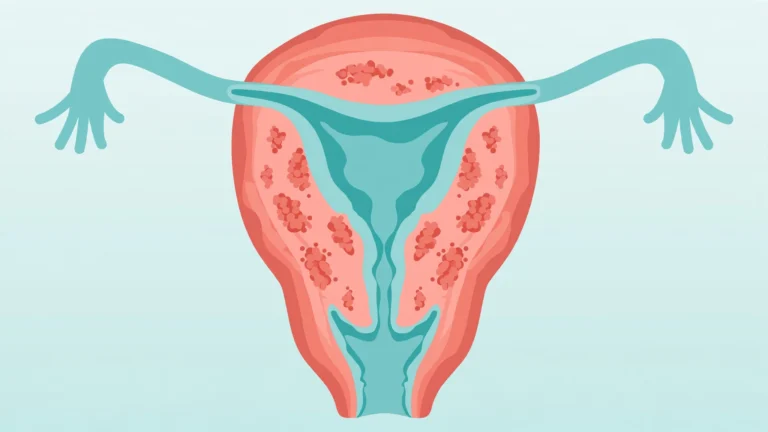
Endometriosis — tissue similar to the uterine lining growing outside the uterus — is one of the leading causes of deep dyspareunia. Pain with deep penetration, especially around the menstrual period, is a hallmark. Doctors check: symptom history (period pain, heavy bleeding, infertility), pelvic exam, and transvaginal ultrasound; laparoscopy is the definitive diagnosis. Treatment ranges from hormonal therapies to excision surgery for severe cases.
5. Hormonal and Life-Stage Changes
Beyond menopause, hormonal shifts after childbirth, during breastfeeding, and with certain birth control methods (especially some progestin-heavy contraceptives) can thin vaginal tissue and reduce desire-linked arousal. Doctors check: obstetric history, contraceptive method, and whether symptoms track with a life stage. Treatment: adjusting contraception, topical estrogen where appropriate, and time (postpartum and breastfeeding-related pain often improves).
6. Pelvic Inflammatory Disease, Fibroids, and Ovarian Cysts
PID — usually from untreated STIs — causes deep pelvic pain, fever, and discharge, and is an urgent workup item because untreated PID can damage fertility. Fibroids and large ovarian cysts press on surrounding structures and cause aching pain with deep penetration. Doctors check: pelvic exam, ultrasound imaging, and infection screening. Treatment: antibiotics for PID; fibroids and cysts are managed with monitoring, medication, or surgery depending on size and symptoms.
7. Vulvodynia and Skin Conditions
Vulvodynia is chronic vulvar pain or burning without an identifiable cause, lasting three months or more — a diagnosis of exclusion that affects up to 8% of women. Skin conditions like lichen sclerosus (thinning, whitening vulvar skin), contact dermatitis from fragranced products, and eczema also cause entry pain. Doctors check: careful visual exam, sometimes vulvar biopsy. Treatment: topical treatments, pelvic floor therapy, and eliminating irritants.

The Medical Workup: What Happens at the Appointment
Most women delay seeking help for painful sex because of embarrassment — but when it comes to painful sex women causes, doctors treat this as a routine, solvable medical issue. Here is what a typical workup involves: a detailed history (where, when, and how the pain feels; menstrual, obstetric, and sexual history; medications), a gentle external and internal pelvic exam, and targeted tests only when indicated — vaginal pH and wet mount, STI screening, urine testing, or pelvic ultrasound. You do not need to “prepare” beyond writing down your symptoms; a good clinician will guide the exam and stop if anything hurts.
Red Flags: When Painful Sex Needs Prompt Medical Care
Seek medical care promptly — not “eventually” — if pain during sex comes with any of these: new bleeding after sex (especially after menopause), fever, unusual vaginal discharge or odor, severe pelvic or abdominal pain, inability to insert anything into the vagina, or pain that is suddenly much worse. These painful sex women causes and warning signs can signal infection, PID, or other conditions that should not wait.
Treatments That Work: From Lubricants to Pelvic Floor Therapy
Treatment depends on the cause — which is exactly why diagnosis comes first — but most painful sex women causes respond well to straightforward care: quality lubricants and moisturizers for dryness, antibiotics/antifungals for infections, pelvic floor physical therapy and dilators for vaginismus, hormonal adjustments for life-stage changes, and targeted treatment (medication or surgery) for endometriosis, fibroids, or cysts. Communication with your partner matters too — pacing, positions, and plenty of foreplay reduce pain for almost every cause. Most importantly, know that painful sex is not something you have to accept: with the right diagnosis, the large majority of women find real relief.
FAQ
Is painful sex in women normal?
Occasional mild discomfort can happen, but recurring or significant pain during sex is not something to normalize — it is a symptom (called dyspareunia) with discoverable, usually treatable causes. If it happens regularly, a clinician can help you identify the painful sex women causes behind it.
What are the most common painful sex women causes?
The most common causes doctors check first are vaginal dryness (often hormonal), infections, vaginismus or pelvic floor tension, endometriosis, hormonal life-stage changes, PID or fibroids, and vulvar skin conditions.
Should I see a doctor for painful sex?
Yes — especially if the pain is recurring, worsening, or accompanied by bleeding, discharge, or fever. A clinician can run a simple workup and most causes have effective treatments.
Can painful sex be treated?
In the large majority of cases, yes. Lubricants, treating infections, pelvic floor physical therapy, hormonal adjustments, and targeted treatment for conditions like endometriosis all have strong track records.
Does painful sex affect fertility?
Painful sex itself does not cause infertility, but some underlying causes (endometriosis, PID, STIs) can — which is another reason to get evaluated rather than endure it.
Disclaimer: This article is for educational purposes only and is not medical advice. Pain during sex can have many causes — if you experience it, consult a qualified healthcare professional for diagnosis and treatment.
Sources: ACOG — Dyspareunia (Pain With Intercourse); Mayo Clinic — Painful intercourse; NHS — Pain during sex. Related reading: for pelvic floor relaxation and core recovery, see our guides on pelvic floor exercises for women and the postpartum recovery timeline.