Hormonal vs Copper IUD: Which Is Right for You?
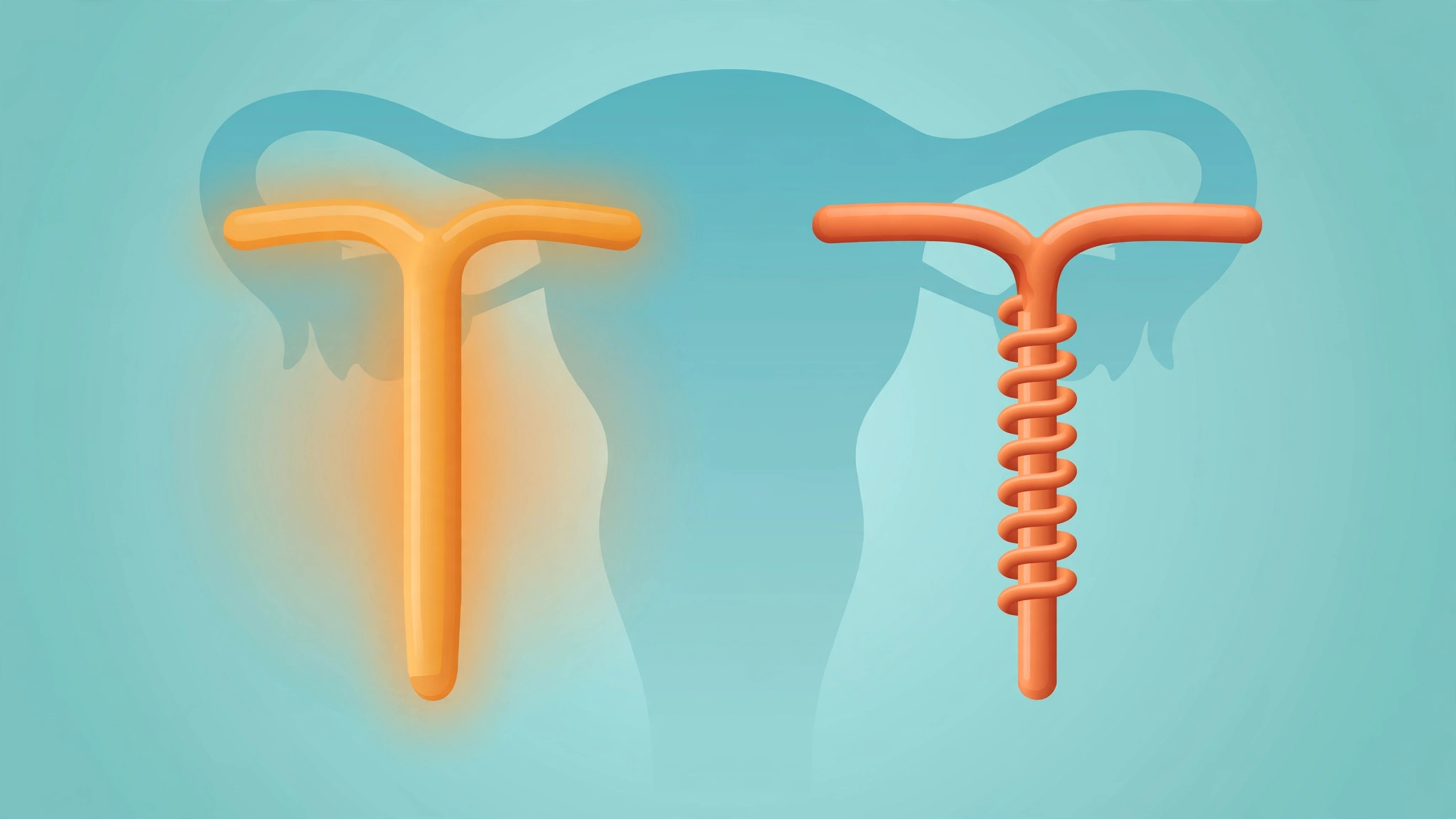
Choosing between a hormonal vs copper IUD is one of the most common decisions women face when considering long-acting reversible contraception. Both types are tiny, T-shaped devices placed inside the uterus by a healthcare professional, and both are more than 99% effective at preventing pregnancy. Yet they work through completely different mechanisms and affect the body — especially menstrual bleeding — in very different ways. This guide breaks down the hormonal vs copper IUD comparison with clinical data, so you can make the choice with your doctor confidently.
How Each Type Works
Understanding the mechanism behind each device is the foundation of the hormonal vs copper IUD decision.
The Hormonal IUD
Hormonal IUDs — sold under brand names such as Mirena, Liletta, Kyleena, and Skyla — release a small, steady dose of levonorgestrel, a synthetic form of the hormone progesterone, directly into the uterus. The progestin works in three ways: it thickens cervical mucus so sperm cannot reach an egg, it thins the uterine lining (the endometrium), and in some users it suppresses ovulation. Because the hormone is delivered locally rather than circulating through the bloodstream, the total hormone exposure is far lower than with birth control pills. Depending on the brand, hormonal IUDs last from 3 to 8 years.
The Copper IUD
The copper IUD (ParaGard, the only copper IUD available in the United States) contains no hormones at all. Fine copper wire wound around the device releases copper ions that are toxic to sperm — they impair sperm motility and viability before sperm can reach an egg. The copper also triggers a mild, localized sterile inflammatory response in the endometrium that makes the uterine environment hostile to sperm and prevents implantation. It works immediately upon insertion and lasts up to 10 years.
Hormonal vs Copper IUD: Side-by-Side Comparison
| Feature | Hormonal IUD | Copper IUD |
|---|---|---|
| Active agent | Levonorgestrel (progestin) | Copper ions |
| Contains hormones | Yes, progestin only | No — 100% hormone-free |
| Effectiveness | 99.8% (fewer than 1 in 100 pregnancies per year) | 99.2% (fewer than 1 in 100 pregnancies per year) |
| Duration | 3–8 years, depending on brand | Up to 10 years |
| Effect on periods | Lighter, shorter, or absent periods | Heavier, longer periods with more cramping |
| Effective immediately | No — up to 7 days for full protection | Yes — effective right away |
| Emergency contraception | No | Yes, if inserted within 5 days |
| Common side effects | Irregular spotting (first months), headaches, acne, breast tenderness, mood changes | Heavier bleeding, stronger cramps, spotting between periods |
| Safe while breastfeeding | Yes | Yes |
Bleeding Patterns: The Data Behind the Biggest Difference
For most women, the single largest practical difference in the hormonal vs copper IUD choice is what happens to menstruation. This is where clinical numbers — not just descriptions — help set realistic expectations.
With a hormonal IUD, menstrual blood loss typically falls by roughly 90% compared to pre-insertion levels. In studies of the higher-dose device (Mirena), 30% to 50% of users experience amenorrhea — no periods at all — after the first 6 months, and most remaining users report light, short bleeding. Spotting and irregular bleeding are common during the first 3 to 6 months, then stabilize.
This dramatic reduction in bleeding is a key point in any hormonal vs copper IUD discussion. The hormonal IUD is FDA-approved not only as contraception but also as a treatment for heavy menstrual bleeding, and it is frequently recommended by doctors for patients with endometriosis, adenomyosis, or fibroid-related bleeding.
With a copper IUD, the picture reverses. Because copper provokes a local inflammatory response — and cramping is itself an inflammatory process — menstrual flow often increases by about 50% and cramps can intensify, especially in the first 6 to 12 months. Research indicates that up to 20% of copper IUD users develop iron deficiency from heavier bleeding, with a smaller share developing overt anemia after a year. The heavier bleeding usually improves after 6 to 12 months, though it rarely returns fully to the pre-IUD baseline.
This quantified bleeding picture is the anchor of most hormonal vs copper IUD counseling sessions: for women who already struggle with heavy or painful periods, doctors generally advise against the copper IUD; if hormones are the concern but periods are manageable, the copper option deserves serious consideration. Keeping an iron-rich diet and discussing iron supplementation with your doctor are sensible precautions during the adjustment period.

Libido, Mood, and Hormones: What the Evidence Says
One of the most-searched questions in the hormonal vs copper IUD debate is how each affects sex drive. The simple story — “copper is hormone-free, so it must be better for libido” — turns out to be only partly true.
Progestins, even at the low local doses released by hormonal IUDs, can decrease libido in some women. Yet the doses involved are tiny compared with oral contraceptives: a hormonal IUD releases roughly 14–20 micrograms of levonorgestrel per day locally in the uterus, while a progestin-only pill delivers hundreds of times more hormone systemically. Because the hormonal IUD does not suppress the body’s natural estrogen and testosterone cycles the way combined pills do, the hormonal drivers of desire largely remain intact.
The population-level evidence is reassuring. A population-based study found no association between hormonal IUD use and lack of interest in sex, and a study directly comparing hormonal vs copper IUD users found no statistically significant difference in sexual dysfunction prevalence between the two groups (about 33% versus 37%). Among hormonal IUD users who did notice changes, the direction was not uniform — some reported increased desire, others decreased.
The nuance worth knowing: many women who switch from the pill to a copper IUD report a rebound in libido, because the pill suppresses natural hormone cycles far more aggressively than either IUD does. Meanwhile, a copper IUD can indirectly dampen desire if periods become dramatically heavier and more painful. Doctors recommend tracking symptoms for the first 6 months and reporting persistent mood or libido changes rather than suffering in silence — either device can be removed at any time.
Switching From One to the Other
Choosing a hormonal vs copper IUD is not a one-way door. Many women switch types, and doctors handle this routinely. A few evidence-based points on how switching works:
- Immediate swap is standard practice. A clinician can remove the old device and place the new one in the same visit. There is no mandatory “break” between IUDs.
- Timing matters for pregnancy protection. If you are switching from a hormonal to a copper IUD and have had unprotected sex in the previous few days, tell your doctor — the copper IUD inserted promptly can double as emergency contraception. When switching from copper to hormonal, the hormonal device may need up to 7 days to reach full effectiveness, so doctors typically advise backup contraception (condoms) for that week.
- Expect a bleeding reset. Moving from hormonal to copper often brings back full periods, sometimes heavier than remembered, for the first few cycles. Moving from copper to hormonal brings the familiar 3-to-6-month spotting phase again. Neither reset signals that anything is wrong during a hormonal vs copper IUD transition.
- Common reasons to switch. Women most often move from copper to hormonal because of unmanageable bleeding and cramping; they move from hormonal to copper because of persistent spotting, mood changes, or a desire to be hormone-free.
If you are also weighing what insertion itself involves, see our guide on IUD insertion pain and what to expect before your appointment.
Special Situations Doctors Consider
Postpartum and breastfeeding. Both IUD types are safe during breastfeeding and can be placed about 6 weeks after delivery. Doctors often recommend the copper IUD for breastfeeding mothers who want to avoid any hormonal exposure, though hormonal IUDs are also considered compatible with lactation.
Emergency contraception. The copper IUD is the most effective form of emergency contraception available — more effective than emergency pills — when inserted within 5 days of unprotected sex, and it then continues to provide up to 10 years of ongoing contraception. Hormonal IUDs cannot be used this way, which is another point for copper in the hormonal vs copper IUD emergency-contraception debate.
Who should avoid which. The copper IUD is not suitable for women with copper allergy, Wilson’s disease (a rare disorder causing copper buildup), unexplained vaginal bleeding, or active pelvic infection. Hormonal IUDs are generally avoided in women with certain hormone-sensitive cancers or unexplained bleeding until evaluated. Women with a history of blood clots who cannot use estrogen-based methods can usually use either IUD, since neither contains estrogen — but your doctor must confirm this based on your history. For more on how different contraceptives affect desire, read our article on birth control and sex drive.
How to Make the Decision With Your Doctor
Doctors typically frame the hormonal vs copper IUD decision around three personal questions:
- What is your period doing now? In the hormonal vs copper IUD decision, heavy, painful, or disruptive periods usually point to the hormonal device — it treats the bleeding while preventing pregnancy. If your periods are fine and you simply want hormone-free contraception, copper is the natural fit.
- How do you feel about hormones? Some women prefer zero hormonal exposure on principle or because of past sensitivity to hormonal methods. Others are comfortable with a low, localized progestin dose in exchange for lighter periods. This is the most personal part of the hormonal vs copper IUD trade-off.
- How long do you want it to last? If you want the longest-acting option with the fewest replacements, the copper IUD’s 10-year lifespan is unmatched — a decisive factor in many hormonal vs copper IUD decisions.
According to guidance from Mayo Clinic, both devices share key advantages: they are more than 99% effective, fully reversible with a quick return to fertility after removal, and do not protect against sexually transmitted infections — so condoms remain necessary for STI protection.
Bring a list of your medical history, current medications, and period symptoms to your appointment, and ask which device your doctor would choose for someone with your profile. Writing down your top three priorities — for example, lighter periods, zero hormones, or maximum lifespan — helps your clinician match the device to your life rather than offering a generic recommendation. That conversation, not the internet, is what settles the hormonal vs copper IUD question for you personally.
FAQs
Is the copper or hormonal IUD better for heavy periods?
In the hormonal vs copper IUD comparison for heavy periods, the hormonal IUD is clearly better. It cuts menstrual blood loss by roughly 90%, and 30–50% of users stop having periods after 6 months. It is FDA-approved to treat heavy bleeding. The copper IUD typically increases flow by about 50% and can worsen cramps, so doctors usually advise against it if heavy periods are already a problem.
Does the copper IUD cause weight gain?
No. The copper IUD contains no hormones, so it does not trigger the fluid retention or metabolic changes associated with weight gain. Hormonal IUDs use a very low local progestin dose, and large studies show no meaningful average weight gain — though a small share of users report perceived weight changes. So in a hormonal vs copper IUD weight comparison, neither device is a clear culprit — but the copper IUD remains the zero-hormone option. Persistent weight concerns should be discussed with your doctor.
Can the hormonal IUD affect my libido?
It can in some women, but the evidence is reassuring. Population studies of sexual function in hormonal vs copper IUD users find no significant difference between the two groups, and the low local dose does not suppress natural hormone cycles like the pill does. If you notice persistent changes in desire, report them — the device can be removed at any time.
Can I switch from a copper IUD to a hormonal IUD?
Yes. Doctors routinely remove one device and place the other in the same visit, so crossing from one side of the hormonal vs copper IUD divide to the other takes a single appointment. When switching from copper to hormonal, use backup contraception such as condoms for the first 7 days, since the hormonal device needs time to reach full effectiveness. Expect a 3-to-6-month spotting phase as bleeding patterns reset.
Is the copper IUD effective as emergency contraception?
Yes — it is the most effective emergency contraception method available, more effective than emergency contraceptive pills, when inserted within 5 days of unprotected sex. Unlike pills, it then continues providing up to 10 years of ongoing birth control. Hormonal IUDs cannot be used for emergency contraception, so this is one clear area where copper stands alone in the hormonal vs copper IUD comparison.
How long does each IUD type last?
For hormonal vs copper IUD longevity, copper wins outright: the copper IUD lasts up to 10 years, the longest of any IUD. Hormonal IUDs last 3 to 8 years depending on the brand: Mirena and Liletta up to 8 years, Kyleena up to 5 years, and Skyla up to 3 years. Both types can be removed earlier at any time, with fertility typically returning quickly after removal.
Medical disclaimer: This article is for educational purposes only and is not medical advice. Contraception choices depend on your individual medical history. Consult a qualified healthcare professional before deciding on an IUD or any birth control method.