IUD Insertion: What to Expect and How to Ease the Pain at Home
Considering an IUD but nervous about the pain? You are not alone. Getting iud insertion pain explained honestly — what it feels like, why it happens, what actually relieves it, and how to recover comfortably at home — turns a frightening unknown into something you and your partner can plan for.
Intrauterine devices are among the most effective forms of birth control available, lasting three to ten years depending on the type, and the insertion itself typically takes only a few minutes. This complete iud insertion pain explained guide covers the full picture: the physiology of the pain, what makes it better or worse, the pain-relief options your doctor may offer, a first-48-hours home recovery plan, and the warning signs that mean you should call your clinician.
IUD Insertion Pain Explained: What It Actually Feels Like
Most people describe IUD insertion as intense menstrual cramps — a deep, squeezing ache low in the abdomen — compressed into a short window. The sensation comes in waves: first a pinching feeling as instruments steady the cervix, then sharper cramping as the device passes through the cervical canal and opens inside the uterus. Many clinicians describe it to patients as three quick cramps that peak and fade. It is also common to feel pressure, lower back ache, sweating, nausea, or dizziness immediately afterward.
A small number of people find the pain severe; others report it as surprisingly manageable. There is no “right” reaction — pain thresholds, anxiety, and anatomy all play a role, and your experience deserves to be taken seriously wherever it falls on that spectrum.
Why Does It Hurt? The Physiology Behind the Pain
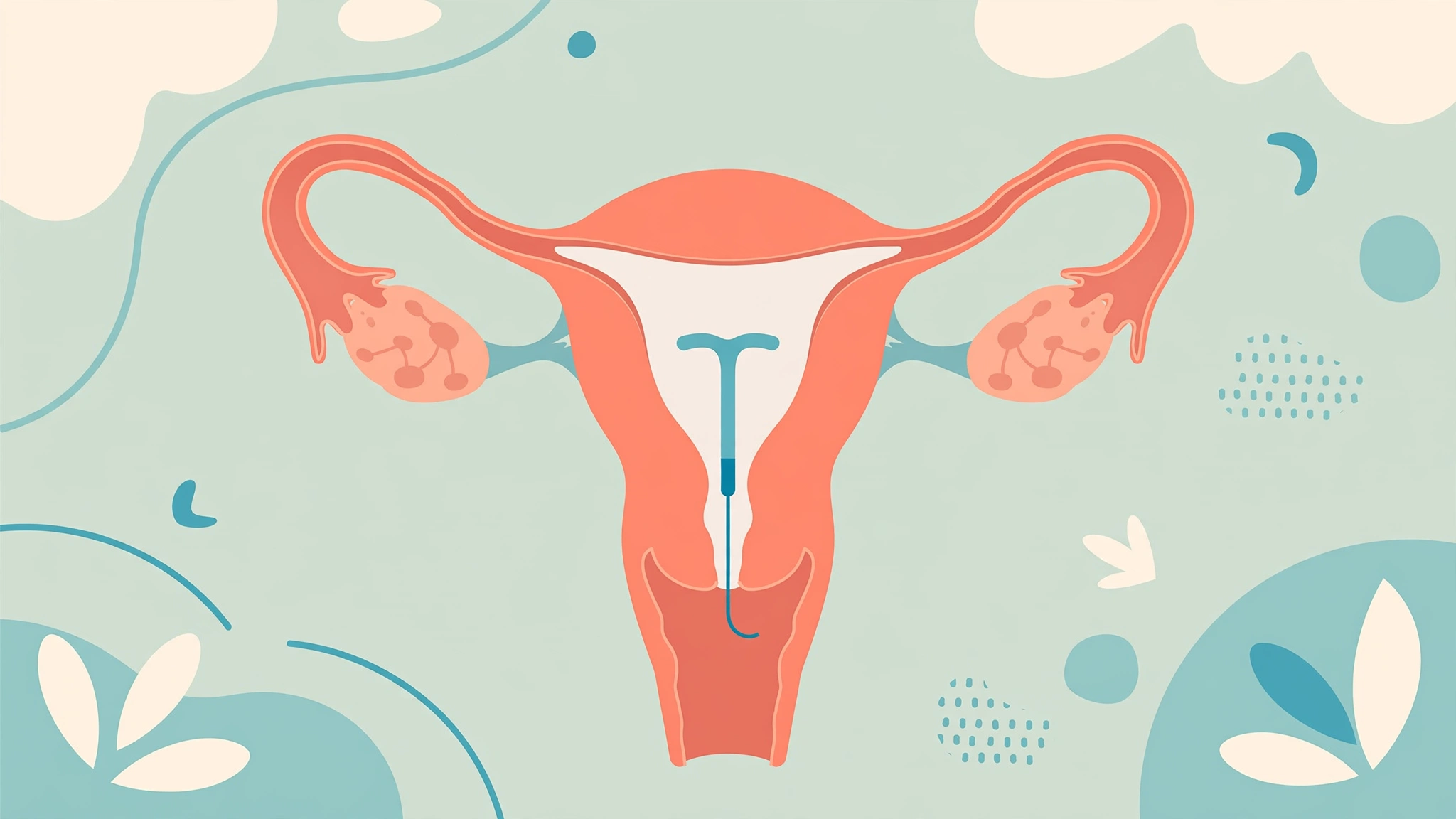
Getting iud insertion pain explained in terms of what each step triggers makes the sensations less alarming. Three mechanisms are at work. First, the cervix is manipulated: a speculum opens the vaginal canal and a small clamp steadies the cervix, causing a brief pinch or sting. Second, the uterus is measured and entered: a thin instrument measures the uterus, then the folded IUD threads through the narrow cervical canal — this stretch produces the sharpest cramp, usually lasting seconds.
Third, the uterus reacts by contracting around the device, the same prostaglandin-driven mechanism behind period cramps. An often overlooked factor is the vasovagal response: cervical stimulation can briefly drop heart rate and blood pressure, causing dizziness, nausea, or even fainting. This reflex is physiological, not weakness, and it passes within minutes of lying still.
Factors That Change How Much It Hurts
People who have given birth vaginally often report less pain, because the cervical canal has previously stretched; people who have never delivered tend to experience more discomfort. A history of severe period cramps or anxiety about the procedure is also associated with higher pain scores — fear and tension genuinely amplify how the brain processes pain signals, which is why feeling informed and in control is itself a form of pain management.
Provider technique matters too: an experienced clinician who works efficiently and communicates continuously can make the experience markedly better. The specific device matters less than people assume — insertion steps are nearly identical for copper and hormonal IUDs — though the two diverge in the weeks afterward, as covered below.
What Doctors Recommend: The Pain-Relief Menu
Part of getting iud insertion pain explained honestly is knowing what actually helps — and what does not. Here is what clinicians and the evidence say:
- Over-the-counter NSAIDs before the appointment: Taking ibuprofen or naproxen about an hour beforehand is the most common advice. Research suggests NSAIDs help more with cramping after insertion than with the sharpest moments during it, but they remain worth taking.
- Lidocaine on or around the cervix: A lidocaine gel or spray applied to the cervix, or a small injected paracervical block, can reduce the most intense cervical sensations. Research reviews have ranked lidocaine-based approaches among the more effective options studied — see this expert-reviewed overview of IUD insertion pain. Not every clinic offers these routinely, so ask ahead.
- Anti-anxiety support: Some clinicians prescribe a single dose of an anti-anxiety medication beforehand when procedure anxiety is high. Slow breathing, grounding, and having a trusted person in the room help too.
- “Verbocaine”: Clinicians use this informal term for talking you through the procedure — announcing each step and checking in. Clear communication and distraction measurably lower perceived pain.
- What has limited support: Medications like misoprostol to soften the cervix are sometimes suggested, but guidance generally reserves them for difficult insertions, since evidence of pain benefit is weak and side effects like cramping and diarrhea are common.
The key message from clinicians’ professional societies is that pain management should be offered proactively, not treated as something you must request or justify. If you want numbing or anti-anxiety support, ask about it when you book: the best time to sort out this iud insertion pain explained detail is before the appointment, not while you are already in the exam chair.
Before Your Appointment: Your Preparation Checklist
Eat normally and stay hydrated — arriving with low blood sugar or dehydration makes dizziness and faintness more likely. Arrange a ride home or a ride-share pickup; most people can drive themselves, but a meaningful minority feel too lightheaded. Bring a pad or panty liner (spotting is common), your preferred pain reliever, water, and a light snack. Wear loose, comfortable clothing.
The final item on the iud insertion pain explained preparation checklist is a brief planning call with your clinic: confirm what pain management they offer, ask whether you should take an NSAID beforehand, and mention anything relevant — a history of fainting with procedures, pelvic pain conditions, or past sexual trauma. Clinicians who know this in advance can adjust their approach, and you have every right to ask questions until you feel ready.

During the Procedure: A Step-by-Step Walkthrough
Getting iud insertion pain explained step by step removes the fear of the unknown.
The standard sequence at most clinics:
- Check-in and consent: You confirm your medical history, take a urine pregnancy test, and your clinician explains each step and your pain-management plan.
- Positioning: You lie on the exam table with hips near the edge and feet in the stirrups — the same position as a pelvic exam.
- Speculum and cleaning: The clinician places a speculum and cleans the cervix with antiseptic. Expect pressure, usually not pain.
- Cervical stabilization and measurement: A small clamp gently steadies the cervix — expect a brief pinch — and a thin instrument measures the uterus. This is often the sharpest cramp, lasting seconds.
- Device placement: The folded IUD passes through the cervix and opens into its T shape inside the uterus. Expect a deep, strong cramp.
- Trimming and removal: The strings are trimmed, instruments removed, and it is over. Most people feel immediate relief, with residual aching like period cramps.
The active procedure typically takes under five minutes, with the most intense sensations concentrated in under a minute. You will usually rest on the table for a few minutes afterward while your clinician checks that you feel steady.
The First 48 Hours at Home: A Recovery Timeline
Here is iud insertion pain explained as a home-recovery roadmap. Hours 0–4: Expect the strongest cramping, like the worst day of a period, plus possible spotting, backache, nausea, or lightheadedness. Rest, keep taking NSAIDs on the schedule your clinician advised, and apply a heating pad or take a warm bath — heat relaxes the uterine muscle directly. Hours 4–24: Cramping usually eases into a dull, intermittent ache; most people can resume normal activities by the next day, though strenuous exercise can wait.
Day 2: Most discomfort has faded to occasional twinges, with light spotting possibly continuing. Weeks ahead: Mild, intermittent cramping and irregular spotting are normal for the first few weeks as your uterus settles around the device — the tail end of the iud insertion pain explained recovery arc. What helps at home throughout: consistent heat, regular NSAIDs for the first day or two rather than waiting for pain to spike, and rest when rest feels right — there is no universal formula.
Copper vs Hormonal IUD: Does the Pain Differ?
When it comes to iud insertion pain explained by device type, the answer during insertion is simple: copper and hormonal IUDs cause essentially the same pain, because the placement steps are identical.
Where they differ is afterward. The copper IUD is hormone-free but creates a local inflammatory response that is hostile to sperm — the trade-off is that many users experience heavier, longer, and crampier periods, especially in the first six to twelve months. Hormonal IUDs release a small, steady dose of progestin that thins the uterine lining; many users see lighter periods over time, which often means less period-related cramping in the long run. If painful periods are already a major part of your life, this after-insertion difference is worth weighing. For the broader picture on contraception and intimacy, see our guide on birth control and sex drive.

Red Flags: When Pain Means “Call Your Doctor”
Most post-insertion pain follows a clear arc: worst in the first hours, steadily better by day two, fading to occasional twinges within weeks. Pain that breaks that pattern needs a clinician’s attention — this is the line every iud insertion pain explained guide draws. Use this comparison, drawn from clinical aftercare guidance — for a fuller walkthrough of recovery do’s and don’ts, see this provider guide to IUD insertion pain management:
| Usually normal | Call your doctor |
|---|---|
| Mild to moderate cramps that improve over days | Severe or escalating pelvic pain |
| Light spotting or irregular bleeding for weeks | Soaking two or more pads per hour |
| Dull backache on the day of insertion | Fever, chills, or foul-smelling discharge (possible infection) |
| Occasional mild cramping for the first weeks | New or worsening pain during intercourse |
| Strings occasionally hard to find at first | Missing strings plus pain or heavy bleeding (possible expulsion) |
Serious complications — infection, partial expulsion, or the rare uterine perforation — are uncommon, but they are real, and early evaluation matters. Do not convince yourself that escalating pain is “just part of the process.” Clinicians would far rather hear from you about a false alarm than see you late about a real problem.
Your Partner’s Playbook: How Couples Can Prepare Together
An IUD decision usually affects a couple, not just one person — and having iud insertion pain explained as a shared plan makes the whole experience easier. Before the appointment, sit down with this iud insertion pain explained guide together and talk through what she is nervous about and what support she wants: some people want their partner in the room, others want privacy and a pickup ride instead. Offer to handle the logistics — booking, the ride, the heating pad and snacks at home — because practical help reduces anticipatory anxiety.
If you are invited into the appointment, hold her hand, breathe with her, and be a calm presence. Afterward, take over for the evening: meals, chores, childcare. Do not minimize the pain and do not catastrophize it; steady, matter-of-fact care is what helps. If starting conversations about intimacy feels hard, our article on questions to ask your OB/GYN about sexual health can help structure the talk.
Sex After IUD Insertion: When and What to Expect
One of the most searched questions around IUD insertion pain explained also covers what comes next in the bedroom. The standard medical guidance: if your IUD was placed within the first seven days of your period, a copper IUD protects you immediately, while a hormonal IUD placed later in the cycle may need up to seven days of backup contraception (such as condoms) unless your clinician advises otherwise.
Physically, the iud insertion pain explained guidance here is straightforward: most people can have intercourse as soon as cramping and bleeding have settled — often within a few days — though many clinicians suggest waiting until spotting stops to lower any infection risk. Neither partner should feel the IUD during sex; the strings sit high in the vaginal canal and soften over time. If your partner feels a persistent poke, or intercourse is painful for you, mention it at your follow-up — the strings may need trimming.
FAQs
How long does IUD insertion pain last?
In short, this iud insertion pain explained FAQ boils down to: the sharpest pain lasts seconds to under a minute during placement. Strong period-like cramping typically continues for a few hours and eases over the first day or two. Most people feel back to normal within 48 hours, though mild, intermittent cramping and spotting can continue for several weeks.
Does insertion hurt more if you have never given birth?
Often, yes. Research finds that people who have not delivered vaginally report higher pain scores, because the cervical canal has never stretched. This does not mean it will be unbearable — many people without children have straightforward insertions — but mention it to your clinician so pain management can be planned.
Can I ask my doctor for numbing medication?
Yes, and ask when you book. Options include lidocaine gel or spray on the cervix and, at some clinics, an injected paracervical block. Professional guidance says pain management should be offered as routine care, not treated as a special request you must justify.
Can I go to work after my IUD insertion?
Many people return to normal activities the same or next day. However, a meaningful minority feel too crampy or lightheaded, so scheduling the appointment for a day when you can rest afterward — or at least a lighter workday — is the safer plan. Strenuous physical work can wait a day or two.
Is getting a second IUD less painful than the first?
Many people say yes. The cervix has been through the process before, you know exactly what to expect, and you can plan pain management better. Removal of the old IUD usually feels like a brief pinch, and the new insertion often feels milder — though experiences still vary.
When can I have sex after getting an IUD?
Medically, once cramping and bleeding have settled — usually within a few days. A copper IUD works immediately if placed during your period; a hormonal IUD placed later in the cycle may need about a week of backup contraception. Neither partner should feel the device, but report persistent pain to your clinician.
We hope this iud insertion pain explained guide helps you and your partner plan with confidence. Talk to your doctor about whether an IUD fits your health history and your plans as a couple — and keep exploring our guides for honest, evidence-based answers to the questions couples ask most about contraception and intimacy.
Medical disclaimer: This article is for educational purposes only and is not medical advice. It does not replace professional evaluation, diagnosis, or treatment. If you are considering an IUD or experiencing concerning symptoms after insertion, consult a qualified healthcare professional such as your OB/GYN or family doctor.