Endometriosis and Painful Sex: Treatments That Actually Work Well
Pain during sex is one of the most common and least discussed symptoms of endometriosis. Doctors call it dyspareunia, and research suggests that as many as 7 in 10 women with endometriosis experience it at some point. The good news is that endometriosis painful sex treatment has advanced significantly: today there is a clear, evidence-based path from first-line hormonal options and pelvic floor therapy to highly effective surgery — and most women who follow it see real improvement. This guide explains what doctors actually recommend, step by step, in plain language.
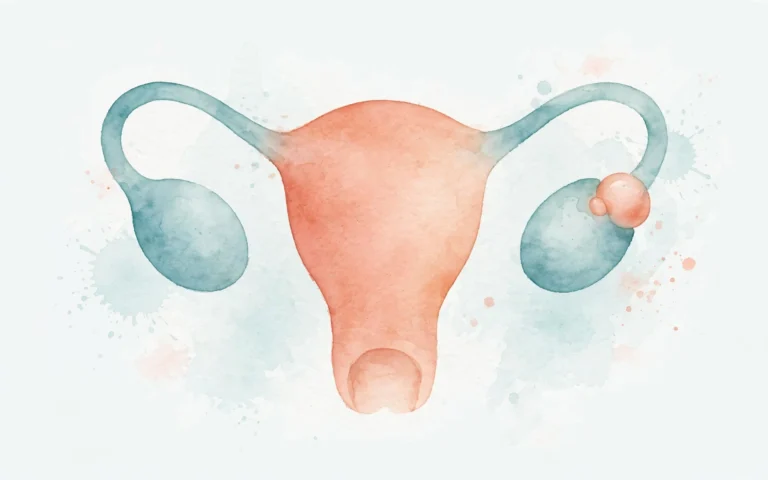
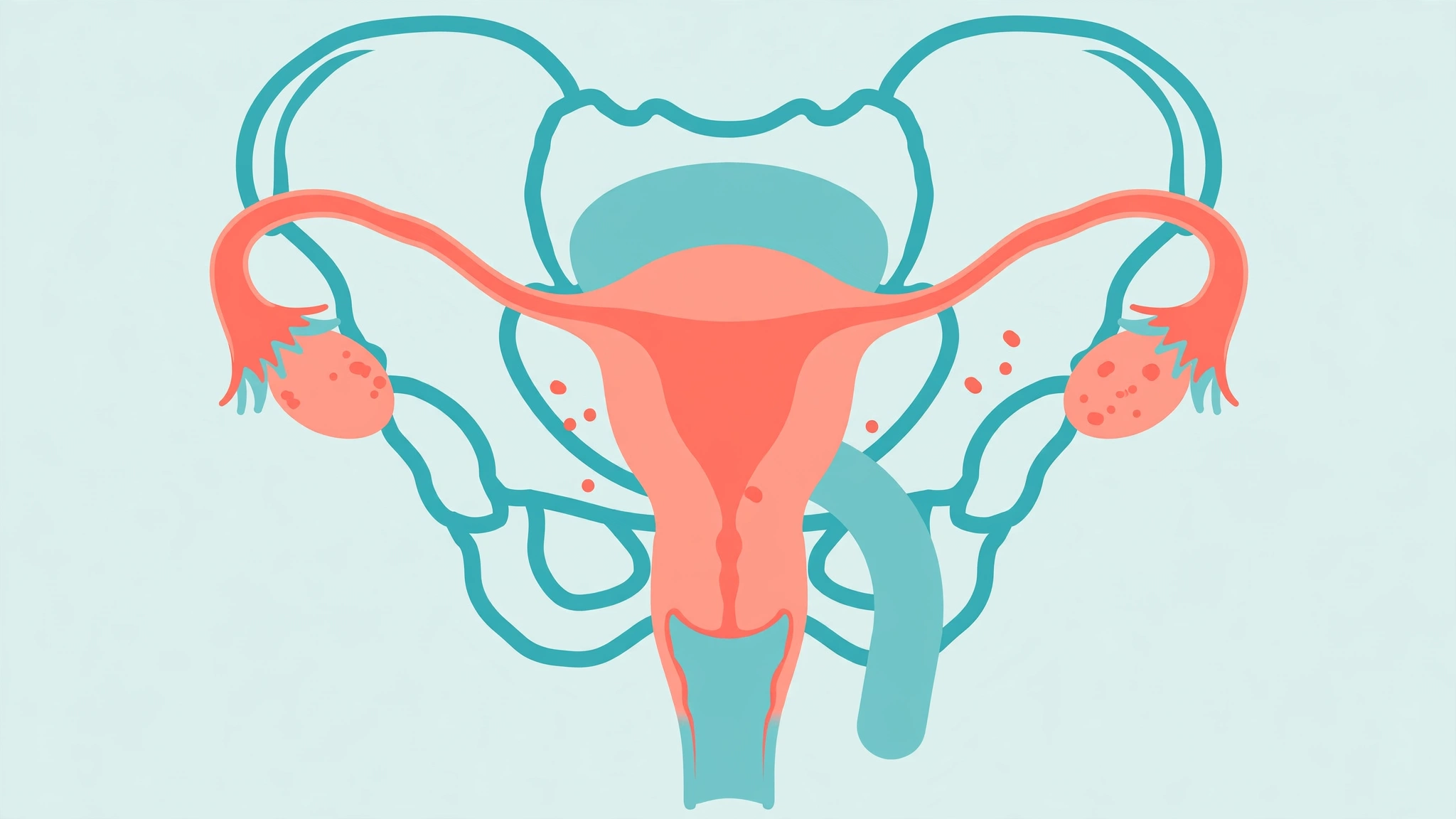
Endometriosis happens when tissue similar to the uterine lining grows outside the uterus — on the ovaries, the fallopian tubes, the bowel, the bladder, or the tissue lining the pelvis. These growths bleed and become inflamed with each menstrual cycle, which causes scarring and adhesions over time. Because this tissue cannot leave the body, the result is chronic inflammation and pain. When lesions sit in the cul-de-sac (the pocket of space between the uterus and the rectum) or behind the vagina, deep penetration pushes directly against them — and that is precisely when and why sex hurts. Understanding where the disease sits is the starting point for any effective endometriosis painful sex treatment plan.
Why Endometriosis Causes Painful Sex
Understanding the mechanism helps explain why endometriosis painful sex treatment needs to address more than one problem at a time. The pain with endometriosis is typically deep pain — a sharp, stabbing, or aching sensation felt deep inside during or after penetration, not at the vaginal entrance. The location of the lesions matters most: disease behind the vagina and in the posterior cul-de-sac is the strongest predictor of dyspareunia.
Several overlapping factors contribute. First, the lesions themselves are inflamed and tender, so pressure during sex irritates them directly. Second, scarring and adhesions can glue pelvic organs together, limiting the natural stretching and movement that should occur during intercourse. Third, the pelvic floor muscles often become chronically tight as the body guards against pain — a protective reflex that, over time, creates its own source of pain. Fourth, months or years of recurring pain can sensitize the nervous system itself, so the pain system begins to overreact even when the original irritation has calmed down. Finally, associated conditions such as vulvar or pelvic pain conditions, bladder pain syndrome, and anxiety or depression can add further layers. Good treatment plans address each layer in turn.
Endometriosis Painful Sex Treatment: A Step-by-Step Guide Doctors Recommend
Clinicians generally approach endometriosis painful sex treatment in a stepwise way, starting with the least invasive options and moving up only as needed. What your doctor recommends will depend on your symptoms, your medical history, the location of your disease, and your fertility plans. Here is the sequence most specialists follow.
Step 1: Pain relief and cycle tracking
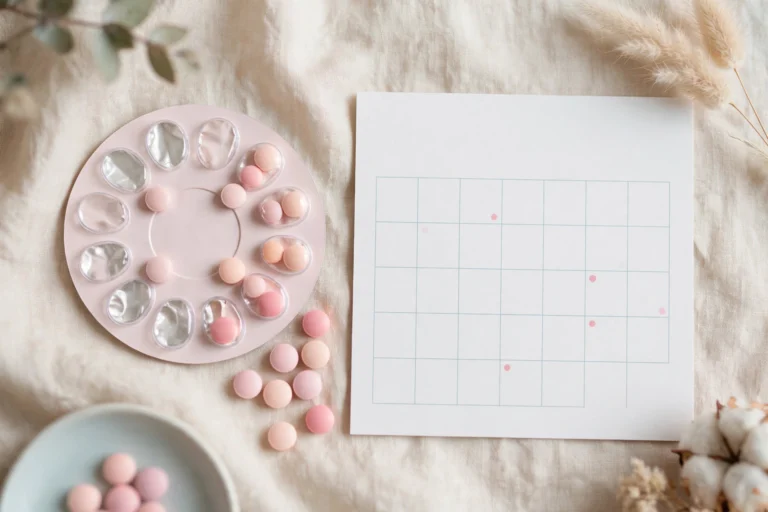
The first step is often the simplest. Over-the-counter anti-inflammatory pain relievers (such as ibuprofen or naproxen) can reduce the pain of dyspareunia, especially when taken about an hour before intercourse, as both Mayo Clinic and NHS guidance note for endometriosis pain generally. Keeping a pain and symptom diary for two or three months is equally valuable: many women discover their pain is worst around their period and mildest in the week or two after it, which helps with both planning intimacy and showing the doctor a clear pattern. Your diary also gives your doctor a baseline for judging how well your endometriosis painful sex treatment is working month to month.
Step 2: Hormonal therapy — comparing your options
Hormonal treatments are the cornerstone of endometriosis painful sex treatment for most patients. They work by stabilizing or suppressing the rise and fall of hormones across the menstrual cycle, which quiets the bleeding and inflammation inside the lesions. Hormones are not a permanent cure — symptoms can return after treatment stops — but they provide lasting relief while in use and are usually the first medical therapy doctors prescribe. There is no single best choice; your doctor will weigh effectiveness, side effects, and whether you are trying to conceive. Which option you choose shapes the rest of your endometriosis painful sex treatment journey, so discuss your priorities openly.
| Option | How it works | Common trade-offs to discuss |
| Combined hormonal contraception (pill, patch, ring) | Steady estrogen plus progestin suppresses ovulation and lesion activity | Often taken continuously to skip periods; may affect sex drive in some users |
| Progestin-only options (mini-pill, injection, implant, hormonal IUD) | Thins the uterine lining and often stops periods entirely | Irregular bleeding in the first months; hormonal IUD is long-acting and reversible |
| GnRH agonists and antagonists | Lower estrogen sharply, creating a temporary, reversible menopause-like state that shrinks lesions | Hot flashes, vaginal dryness, and bone-density concerns; usually given with low-dose “add-back” hormones |
| Aromatase inhibitors | Reduce estrogen production even outside the ovaries | Usually combined with another hormone; reserved for specific cases |
One detail matters a lot for intimacy: GnRH medications and other estrogen-lowering therapies can cause vaginal dryness, which itself makes sex painful. If hormonal treatment starts your dryness, tell your doctor rather than abandoning the therapy — water-based or silicone-based lubricants usually solve the friction problem, and your doctor can adjust the regimen.
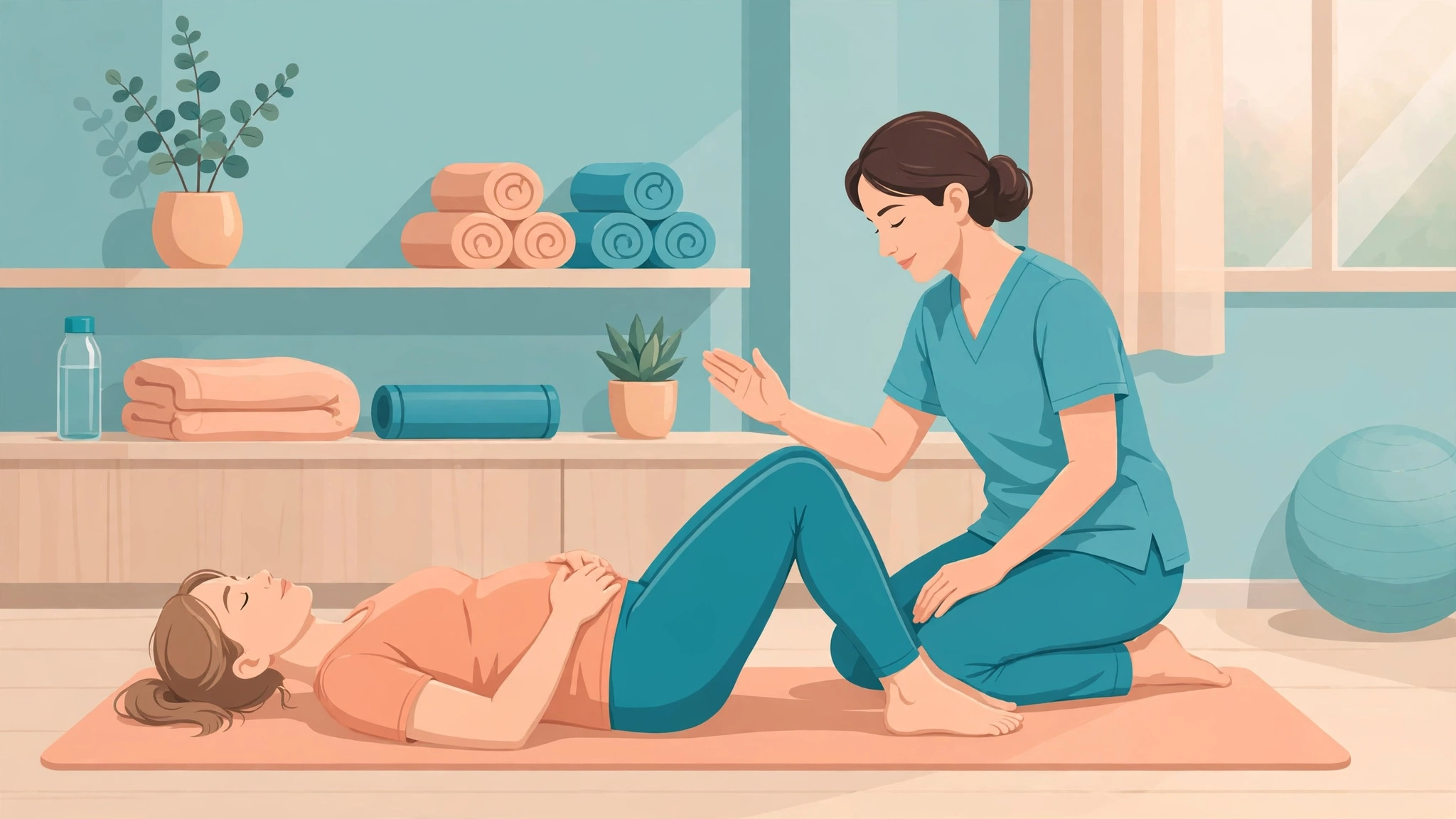
Step 3: Pelvic floor physical therapy
This is one of the most underused tools in endometriosis painful sex treatment, yet specialists recommend it routinely. A pelvic floor physical therapist evaluates whether your pelvic muscles have become chronically tight and guarded — which happens in a large share of women with endo-related dyspareunia — and teaches you to release them. A typical program includes:
- Muscle downtraining: breathing and relaxation training that teaches the pelvic floor to “let go” instead of bracing, calming the nervous system’s overreaction.
- Manual and myofascial therapy: gentle hands-on work to loosen tight pelvic, abdominal, hip, and lower-back muscles and improve how pelvic organs glide during movement.
- Vaginal dilator therapy: a set of smooth, gradually sized dilators used at home with plenty of lubricant. You insert the smallest comfortable size for a few minutes while practicing relaxation breathing, progressing only when pain-free. Dilators retrain the pelvic floor to accept penetration without spasm.
- Self-massage and home exercises: personalized stretches, self-myofascial release, and therapeutic yoga poses to keep muscles flexible between visits.
Most programs run for several weeks to a few months, and many women report noticeable improvement in dyspareunia within the first month or two. Because it addresses the muscular and nervous-system components of pain, pelvic floor therapy helps even when hormonal treatment has already quieted the lesions. For many women it becomes the most valued part of their endometriosis painful sex treatment.
Step 4: Laparoscopic excision surgery
When hormonal therapy and pelvic floor work are not enough — or when imaging shows deep disease behind the vagina or in the cul-de-sac — the next rung of endometriosis painful sex treatment is laparoscopic excision surgery. This is the gold standard of surgical care: through small incisions near the navel, a surgeon removes the endometriosis lesions and scar tissue while preserving the uterus and ovaries. Studies have found that excision focused on the anterior and posterior cul-de-sac produces measurable improvements in both dyspareunia and overall sexual function.
Two important distinctions: excision (cutting the disease out) is the preferred technique for dyspareunia over ablation (burning the surface), because ablation can miss deeper disease. And a hysterectomy does not cure endometriosis, since the disease lives outside the uterus — it is considered a last resort for pain when all else has failed. Many surgeons combine surgery with follow-up hormonal therapy to slow recurrence. If you pursue surgery, choose a surgeon with specific experience in deep infiltrating endometriosis and ask how they handle cul-de-sac disease. Talk through how surgery fits into your wider endometriosis painful sex treatment plan, including whether follow-up hormonal therapy makes sense for you.
Why Pain Sometimes Lingers Even After Treatment
One of the least discussed parts of endometriosis painful sex treatment is central sensitization: when pain signals have fired for months or years, the spinal cord and brain can become sensitized, amplifying pain even after the original lesions are treated. This is why a woman can have successful surgery and still feel pain with sex — the pain system itself has learned to overreact. This does not mean the pain is “in your head”; it is a well-documented neurological process and it is treatable.
Recognizing this process matters, because it explains why a complete endometriosis painful sex treatment plan looks beyond the pelvis itself. This is exactly why the best outcomes come from multidisciplinary care: a gynecologist managing the disease, a pelvic floor therapist retraining the muscles, and sometimes a pain specialist, sex therapist, or counselor addressing the sensitized nervous system and the anxiety that painful sex understandably creates. If one treatment alone is not enough, ask for a referral to a chronic pelvic pain program rather than giving up.
At-Home Strategies That Make Sex More Comfortable
Alongside medical endometriosis painful sex treatment, practical day-to-day measures help couples stay intimate without dread. These are the strategies women with endo consistently say make the biggest difference:
- Time it to your cycle: many women find the week or two after their period — before ovulation — is the least painful window. Use your pain diary to find your best days.
- Plan pain relief ahead: an anti-inflammatory taken about an hour before sex, or a warm bath to relax pelvic muscles, can lower the pain threshold.
- Use lubricant generously: water-based or silicone-based lubricants reduce friction; avoid products with glycerin, parabens, fragrances, or warming agents, which can irritate sensitive tissue. If you use latex condoms, skip oil-based lubricants.
- Choose positions you control: positions that limit depth and let you set the pace — being on top, side-lying spoon, or face-to-face lying down — are most often reported as comfortable. Missionary with deep penetration is the most commonly painful position for women with endo.
- Slow down and communicate: slower, shallower movement with real-time feedback (“a little less deep,” “slower, please”) prevents pain from escalating mid-act.
- Expand beyond penetration: extended foreplay, massage, oral stimulation, and mutual touch are deeply intimate and completely bypass the problem. Many couples find that removing the pressure for intercourse improves desire as well.
What to Tell Your Doctor at Your Appointment
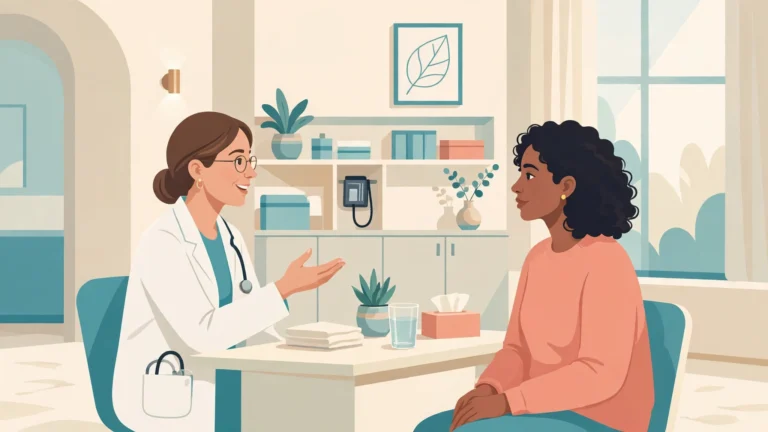
The single biggest difference between women who get effective endometriosis painful sex treatment and those who do not is often what they tell their doctor. Sexual symptoms are easy to mention vaguely and then move past — but the details guide treatment, and a precise history helps your doctor tailor the right endometriosis painful sex treatment plan to your needs. Prepare for your visit with the following:
- Describe the pain precisely: is it deep or at the entrance? Sharp, aching, burning, or stabbing? During penetration, with deep thrusting, or hours afterward? Pain that lasts for days after sex is an important detail.
- Bring your pain diary: your cycle-symptom record shows patterns a doctor cannot get from one visit and helps them judge treatment response later.
- Ask about pain mapping: some specialists use pain mapping — systematically identifying which pelvic areas are tender — to pinpoint where the disease is likely located before surgery.
- Ask about deep infiltrating endometriosis: since cul-de-sac and retrovaginal disease drives dyspareunia most strongly, ask whether a specialist ultrasound or MRI is warranted to map it.
- Ask for referrals early: a pelvic floor physical therapist and, where needed, a sex therapist or counselor are not last resorts — they are part of standard multidisciplinary care for endo-related sexual pain.
- Flag red flags: tell your doctor about bleeding after sex, pain that is rapidly worsening, or severe pain that keeps you from intimacy at all — these deserve prompt evaluation, not watchful waiting.

FAQs
Why does endometriosis make sex painful?
When endometriosis grows behind the vagina or in the cul-de-sac (the space between the uterus and rectum), penetration pushes directly against inflamed, scarred tissue. Adhesions limit natural pelvic movement during sex, and the pelvic floor muscles often become chronically tight from guarding against pain. All of these layers combine into what doctors call deep dyspareunia. Understanding which layers affect you helps your doctor choose the right endometriosis painful sex treatment.
Will surgery fix painful sex caused by endometriosis?
Often, yes — laparoscopic excision surgery that removes disease from the cul-de-sac has been shown to improve dyspareunia and sexual quality of life in many patients. However, results are best when the surgeon has specific expertise in deep infiltrating endometriosis. Because pain can persist from sensitized muscles and nerves even after successful surgery, many women get the best results when surgery is combined with pelvic floor therapy. In other words, surgery works best as one part of a complete endometriosis painful sex treatment approach.
Can birth control pills really help with endometriosis painful sex treatment?
Yes. Hormonal contraception is a first-line medical treatment: it suppresses the hormonal cycling that inflames endometriosis lesions, reducing deep pain with sex in many women. It works best when taken for a year or more, often continuously to skip periods. Note that some hormonal treatments can cause vaginal dryness, so lubricants may be needed — discuss options with your doctor.
Why does the pain last for hours or days after sex?
Deep penetration can inflame endometriosis lesions and strain tight pelvic floor muscles, and the resulting inflammation takes time to settle — similar to how an overworked muscle aches afterward. Lingering pain after sex is a classic sign of deep endometriosis, and pain that hangs around for days is worth reporting to your doctor, since it may mean the disease is not yet adequately treated.
Are there sex positions that hurt less with endometriosis?
Positions that limit depth of penetration and let you control the pace — being on top, side-lying spoon, or face-to-face lying down — are most commonly reported as comfortable. Missionary with deep penetration is most often painful. Slower, shallower movement and real-time communication help. If all penetration is painful, non-penetrative intimacy can keep your connection strong while you pursue treatment. Remember that positioning alone cannot replace medical endometriosis painful sex treatment when extensive lesions are present.
When should I see a doctor about painful sex?
See a doctor if the pain is persistent or worsening, if it lasts for days after sex, if there is bleeding after intercourse, if self-help measures are not enough, or if pain is affecting your relationship or mental health. Seek care early rather than avoiding intimacy or developing anxiety about sex — early evaluation leads to earlier relief, and your doctor has heard all of this before.
If painful sex is affecting your quality of life, talk to your doctor about a full endometriosis painful sex treatment plan — hormonal therapy, pelvic floor physical therapy, and excision surgery when needed. You can also explore our related guides on birth control and sex drive and other pelvic pain conditions that can complicate intimacy. For authoritative medical background, see the Mayo Clinic’s endometriosis treatment overview and the NHS guide to endometriosis treatment.
Medical disclaimer: This article is for educational purposes only and is not medical advice. Endometriosis diagnosis and treatment should be guided by a qualified healthcare professional. If you are experiencing painful sex or other symptoms, please consult your doctor or a gynecologist for personalized evaluation and care.