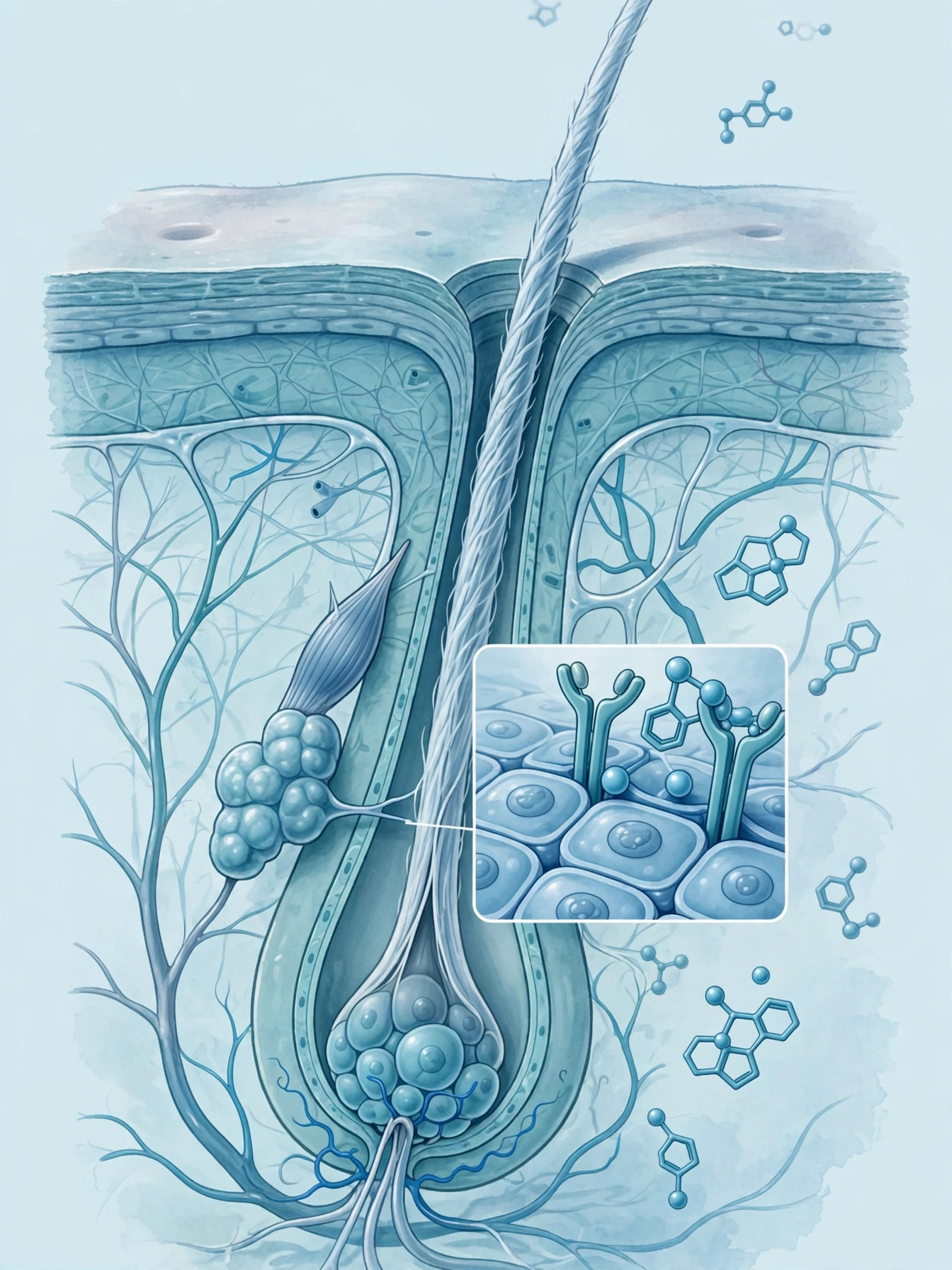
Finasteride and Sexual Side Effects
Finasteride is one of the most widely prescribed medicines in the world for male pattern hair loss, and questions about finasteride are usually the first thing men raise before starting it. The concern is understandable: a medicine taken to keep your hair should not come at the cost of your sex life, and the internet is full of alarming claims that make it hard to know what is actually supported by evidence.
This guide separates the science from the noise. It covers which sexual side effects are genuinely linked to finasteride, how often they occur compared with placebo, why they happen at a hormonal level, what usually makes them resolve, and when a conversation with a clinician becomes essential. Everything below is drawn from published clinical trials, systematic reviews, and current regulator guidance.
What Sexual Side Effects Does Finasteride Cause?
Across clinical trials and post-marketing reports, the sexual side effects associated with finasteride fall into four main categories: reduced libido (lower interest in sex), erectile dysfunction (difficulty getting or keeping an erection firm enough for sex), ejaculatory changes, and reduced semen volume. Some men also report difficulty reaching orgasm. These effects, when they occur, typically appear early in treatment.
The table below summarises the rates reported in the clinical trials that supported finasteride’s approval for hair loss, compared against placebo:
| Side effect | What it means in practice | Finasteride vs placebo in hair-loss trials |
|---|---|---|
| Reduced libido | Less interest in sex than usual | 1.8% vs 1.3% |
| Erectile dysfunction | Difficulty getting or keeping an erection | 1.3% vs 0.7% |
| Reduced ejaculate volume | Noticeably less semen at orgasm | 0.8% vs 0.4% |
| Difficulty reaching orgasm | Delayed or less satisfying climax | Reported; less precisely quantified in trials |
A broader systematic review of 73 papers on medicines for prostate enlargement — which used higher strengths of finasteride — found somewhat higher ranges: ejaculation problems in 2.1–7.7%, erection problems in 4.9–15.8%, and libido problems in 3.1–5.4%. The key takeaway is consistent across all of these sources: the absolute risk is small, and it sits only modestly above the background rate seen with placebo.
How Common Are finasteride Really?
Short answer: uncommon, and the gap between finasteride and placebo is narrow. In the pivotal hair-loss trials, the difference in reported sexual side effects between the finasteride group and the placebo group was roughly half a percentage point for each symptom. That matters because it tells us something important — sexual difficulties are common in the general male population anyway, and some of what gets attributed to the medicine would have happened regardless.
Longer-term data is reassuring. In extended follow-up studies, the incidence of each sexual side effect declined over time, falling to 0.3% or less by the fifth year of treatment — essentially indistinguishable from placebo at that point. Many men who noticed effects early on found they faded even while continuing the medicine.
One of the largest datasets comes from the Prostate Cancer Prevention Trial, which followed 17,313 men for seven years. Even at the higher strength used for prostate enlargement, finasteride increased sexual dysfunction only slightly, and the effect diminished over time. The trial authors concluded that the impact on sexual functioning is minimal for most men and should not, on its own, drive the decision to prescribe or take the medicine.
A systematic review of twelve randomised trials (nearly 4,000 men) added useful nuance: while erectile dysfunction was more likely with finasteride than placebo, the rate at which men actually stopped treatment because of sexual side effects was no higher than with placebo. In other words, when these effects do occur, most men find them mild enough to continue — a detail that rarely makes it into online discussions.
Why finasteride Happen: The DHT Connection
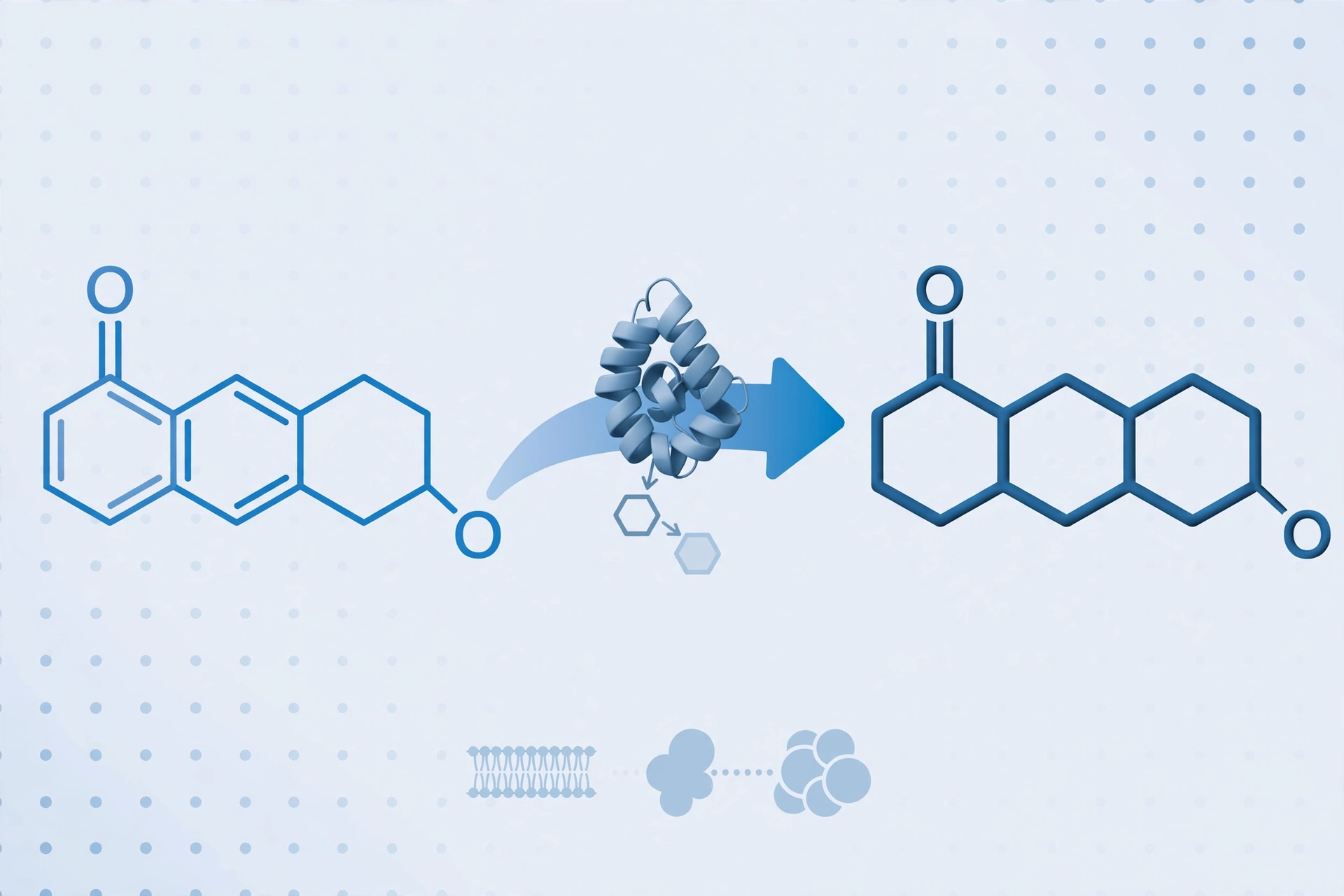
To understand why finasteride can affect sexual function at all, it helps to know exactly what the medicine does — and what it does not do. A common misconception is that finasteride lowers testosterone. It does not. Finasteride blocks the enzyme 5-alpha-reductase, which converts a portion of testosterone into a more potent androgen called dihydrotestosterone (DHT). Testosterone levels themselves are not reduced in the way they are by hormone-suppressing treatments; it is the downstream conversion to DHT that drops, by roughly two-thirds in scalp skin and blood.
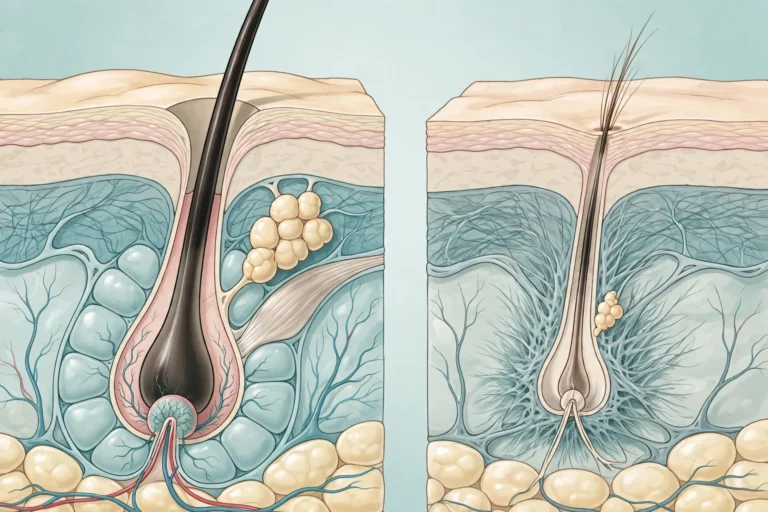
DHT is the hormone that shrinks hair follicles in men genetically prone to pattern hair loss, which is why blocking it helps hair. But DHT also acts on the prostate, seminal vesicles, and other androgen-sensitive tissues. Reduced ejaculate volume is the one sexual side effect with a direct, well-understood causal explanation: less DHT action on the prostate and seminal vesicles means less seminal fluid is produced.
The other effects — libido and erections — are less straightforward. Libido is influenced by androgens, but also by visual, emotional, and psychological stimuli, sleep, stress, and general health. Erections are primarily under the control of the vascular and nervous systems; even men with low testosterone can achieve erections. This is why only a small minority of finasteride users notice sexual changes: lowering DHT removes one contributor among many, rather than switching off a master control.
It is also worth knowing that there are different types of the 5-alpha-reductase enzyme. Finasteride selectively inhibits types II and III — the forms concentrated in hair follicles, prostate, and seminal vesicles. A related medicine, dutasteride, blocks all three types, including type I found in skin and liver, producing a deeper and broader DHT suppression. This distinction is one reason researchers believe sexual side-effect profiles can differ between the two medicines. If you want a deeper look at how these hormones interact with hair loss itself, see our guide on testosterone, DHT, and hair loss.
The Nocebo Effect: When Expecting Side Effects Makes Them More Likely
One of the most striking findings in finasteride research has nothing to do with hormones. In a well-known study, men prescribed finasteride were divided into two groups: one was told in detail about the possible sexual side effects, and the other was not. The informed group reported significantly more erectile dysfunction than the uninformed group — and when the medicine was stopped, their symptoms resolved completely within days.
This is the nocebo effect: the mirror image of the placebo effect, in which expecting harm makes harm more likely. It does not mean anyone’s symptoms are imagined or dishonest. Anxiety about sexual performance is itself a potent cause of erectile difficulty — worry triggers adrenaline, adrenaline constricts blood vessels, and the very act of monitoring for a problem can create it. For younger men in particular, where erectile dysfunction is most often psychological rather than physical, this monitoring loop can be powerful.
The practical lesson is not to avoid information — informed consent matters — but to hold it in proportion. Serious finasteride are uncommon, most men take the medicine for years without issues, and approaching treatment with calm, realistic expectations appears to genuinely reduce the likelihood of problems.
Post-Finasteride Syndrome: What the Evidence Shows
No discussion of this topic is complete without addressing post-finasteride syndrome (PFS) — the term used for persistent sexual, physical, and neuropsychiatric symptoms that some men report continuing after they stop taking finasteride. Reported symptoms include ongoing low libido, erectile dysfunction, loss of morning erections, reduced genital sensitivity, fatigue, low mood, anxiety, and cognitive difficulties sometimes described as “brain fog.”
The most widely cited study, by Irwig and colleagues, interviewed 71 otherwise healthy men aged 21–46 who reported new-onset sexual side effects that persisted for at least three months after stopping finasteride. On average, their sexual function scores were markedly worse than before treatment. However, the study had significant limitations: a small, self-selected sample, reliance on recall of pre-treatment function, and no hormone measurements. It can document that these men are suffering, but it cannot prove finasteride caused it.
Researchers who take PFS seriously propose a biological mechanism involving neuroactive steroids. Finasteride’s DHT blockade also reduces levels of related neurosteroids such as allopregnanolone in the brain, and these compounds play roles in mood regulation and sexual function. The theory is plausible but unproven, and more research is needed.
Regulators have responded cautiously but clearly. In its April 2024 safety update, the UK’s MHRA stated that sexual dysfunction associated with finasteride may persist after treatment is stopped, and patient information materials now carry this warning. At the same time, the International Society of Hair Restoration Surgery’s task force noted that no double-blinded, placebo-controlled trial of finasteride for hair loss has produced evidence-based data substantiating persistent sexual side effects, and the true incidence remains unknown.
The honest summary: persistent symptoms after stopping are reported by a small minority, the science has not settled whether the medicine causes them, and anyone with ongoing symptoms deserves a proper medical work-up rather than self-diagnosis — other causes, from depression to hormonal disorders, must be ruled out.
Finasteride, Semen Volume, and Fertility
Of all the sexual side effects, reduced semen volume has the clearest explanation: DHT drives much of the prostate and seminal vesicle activity that produces seminal fluid, so lowering DHT predictably reduces volume. For most men this is a cosmetic observation rather than a health problem, and it reverses after stopping.
Fertility is a separate question that deserves care. A small number of case reports have described reduced sperm counts or motility in men taking finasteride who were being investigated for infertility — and importantly, these parameters improved after the medicine was stopped. The effect appears small and reversible, but the evidence base is thin, consisting of case series rather than large trials.
The practical guidance is straightforward: if you are actively trying to conceive, have known fertility difficulties, or are concerned about semen changes, discuss it with your clinician before continuing treatment. This is a planning conversation, not an emergency — but it is one worth having proactively rather than after months of unsuccessful attempts.
finasteride vs Other Causes
One reason this topic generates so much confusion is that sexual difficulties have many overlapping causes, and finasteride often gets blamed for problems it did not create. Before attributing a symptom to the medicine, it helps to compare the pattern against other common causes:
| Clue | Points more toward finasteride | Points more toward another cause |
|---|---|---|
| Timing | Began within weeks of starting the medicine | Developed gradually over months or years, or predates treatment |
| Mood and stress | Mood unchanged; only sexual symptoms appeared | New stress, anxiety, depression, or grief alongside the symptoms — see our guide on low libido causes in men |
| Other medicines | No new medicines or supplements started | Recently started antidepressants, blood pressure medicines, or other drugs known to affect sexual function |
| General health | Otherwise healthy, active, sleeping well | Diabetes, hypertension, sleep apnoea, smoking, or heavy alcohol use — all established contributors |
| Response to stopping | Improves within days to weeks of stopping (only with clinician guidance) | Persists unchanged regardless of the medicine |
A clinician’s job in this situation is essentially detective work: mapping the timeline, reviewing every medicine and supplement, screening for mood disorders and cardiometabolic risk factors, and only then judging how much weight to give the finasteride hypothesis.
A Practical Plan to Lower Your Risk
You cannot eliminate the risk of side effects entirely, but a structured approach meaningfully reduces it. Consider this a checklist to work through with your prescriber:
- Before starting: read the patient information leaflet fully, and tell your prescriber about any history of depression, suicidal thoughts, anxiety, or existing sexual dysfunction. List every medicine and supplement you take.
- Establish a baseline: for two weeks before starting, keep a brief private note of your libido, erection quality, and general mood. Without a baseline, every normal fluctuation after starting can feel like a side effect.
- Enlist a second observer: regulators advise telling a partner or trusted person that the medicine can occasionally affect mood, since they may notice changes before you do.
- Do not adjust on your own: never increase, reduce, or stop the medicine without medical advice — with one exception: if you develop depression or suicidal thoughts, current UK guidance is to stop the hair-loss medicine promptly and contact a clinician urgently.
- Ask about alternatives: topical finasteride formulations, which act mainly on the scalp with minimal bloodstream absorption, are an option some clinicians discuss with men who are anxious about systemic effects.
- Support the foundations: regular exercise, adequate sleep, not smoking, and moderating alcohol all independently protect erectile function and libido, shrinking the background noise against which any medicine effect would appear.
- Set a review date: agree with your prescriber to reassess at 6–12 months — is the hair benefit worth it, and are you tolerating the medicine well? A scheduled review beats indefinite drifting.
- Mind your screening tests: finasteride lowers PSA (prostate-specific antigen) levels, which can mask the results of prostate screening. Always tell any doctor ordering a PSA test that you take finasteride so the result is interpreted correctly. Our PSA test guide explains what the numbers mean.
For a fuller picture of the medicine’s overall safety profile, the NHS guide to finasteride side effects is a clear, authoritative reference worth bookmarking.

When to Talk to a Clinician
Speak to your prescriber or pharmacist promptly if sexual side effects are persistent, distressing, or affecting your mood, confidence, or relationship. Seek urgent medical advice if you develop depression or suicidal thoughts, signs of an allergic reaction (swelling of the lips, face, or throat, breathing difficulty, severe rash), or breast changes such as lumps, swelling, pain, or nipple discharge — the last of these needs prompt assessment to rule out serious causes.
If symptoms continue after stopping finasteride, ask for a proper evaluation rather than assuming the cause. Useful questions to bring to the appointment include: “Could anything else explain these symptoms?” “Should we check my hormone levels?” “What alternatives exist for my hair loss?” and “How long should we observe before changing course?” The MHRA’s 2024 safety update on finasteride is a helpful document to read before that conversation so you arrive well informed.
Frequently Asked Questions
Do finasteride go away after stopping?
In most cases, yes — and often quickly. Trial data and clinical experience show that sexual side effects frequently resolve within days to weeks of stopping, and many resolve even while continuing treatment. A small minority of men report symptoms persisting for months after stopping, which is why regulators now flag persistence as a possible (though uncommon) outcome. Any persistent symptoms warrant a full medical evaluation to check for other causes.
How soon do sexual side effects appear?
When they occur, sexual side effects typically emerge early — within the first weeks to months of treatment. This early onset is actually diagnostically useful: symptoms that begin long after a stable period on the medicine, or that predate it, are less likely to be medicine-related. Effects that appear early also tend to be the ones most likely to fade with continued use.
Does finasteride lower testosterone?
No. Finasteride does not reduce testosterone itself; it blocks the conversion of testosterone into DHT by inhibiting the 5-alpha-reductase enzyme. This is an important distinction — it works differently from hormone-suppressing treatments that lower testosterone directly. In fact, because less testosterone is being converted, circulating testosterone levels may remain stable or rise slightly.
Can finasteride cause permanent erectile dysfunction?
There is no established evidence from randomised trials that finasteride causes permanent erectile dysfunction. The large controlled trials show effects that are reversible and diminish over time. That said, regulators acknowledge rare reports of sexual dysfunction persisting after the medicine is stopped, and the scientific debate continues. Anyone with ongoing erectile difficulties — whatever the suspected cause — should have cardiovascular, hormonal, and psychological contributors assessed.
Should I stop finasteride if I notice sexual changes?
Do not make that decision alone. Mild, early changes often settle, and stopping abruptly forfeits the hair benefit the medicine was providing. The right move is to contact your prescriber, describe exactly what changed and when, and decide together whether to continue, pause, or stop. The one exception is mood: if you develop depression or suicidal thoughts, current guidance is to stop the medicine and seek medical help promptly.
Can I still father children while taking finasteride?
Most likely yes, but have the conversation first. Finasteride can reduce semen volume and, in a small number of reported cases, temporarily lower sperm count or motility — with recovery after stopping. If you are actively trying to conceive or have known fertility issues, discuss timing and options with your clinician before continuing. Also note: the medicine must never be handled by women who are pregnant or may become pregnant if tablets are crushed or broken, as it can affect the development of a male foetus.
Medical disclaimer: This article is for educational purposes only and is not medical advice. It does not diagnose any condition or recommend any treatment for any individual. Finasteride is a prescription medicine with benefits and risks that differ from person to person. Always consult a qualified clinician — your doctor or pharmacist — before starting, stopping, or changing any medicine, and seek prompt medical attention for concerning symptoms.