Erectile Dysfunction in Your 20s and 30s: What to Know
Erectile dysfunction in young men is far more common than most people realise. For decades it was treated as a condition of middle age, yet clinics are seeing a steady rise in men in their 20s and 30s asking for help. If this is happening to you, the most important thing to know is that you are not alone, you are not broken, and in most cases the problem is both identifiable and treatable. This guide explains what doctors now understand about erectile dysfunction in younger men, what causes it, what the newest research says, and how it is properly evaluated and treated.
How Common Is ED in Your 20s and 30s?
Erectile dysfunction (ED) is defined as the persistent inability to achieve or maintain an erection firm enough for satisfying sexual activity. Occasional difficulty, especially when tired, stressed, or after drinking, is normal and is not ED. Doctors generally consider it a medical concern when the difficulty is frequent or ongoing over several weeks or months.
The numbers surprise most people. A landmark study in the Journal of Sexual Medicine found that 1 in 4 men seeking help for newly diagnosed ED were under 40. A later review estimated up to 30% of men aged 18–40 have experienced erectile difficulties, a 2021 Journal of Urology study found nearly 15% of sexually active men under 31 reported some degree of ED, and a 2025 UK survey of over 1,000 men found 68% of those aged 18–34 had experienced erectile difficulty at least once. Many cases are never reported, so the true figure is likely higher.
The takeaway: erectile dysfunction in young men is common, it is increasing, and it deserves medical attention rather than silence.
Why Erectile Dysfunction in Young Men Is Different
In men over 50, ED is most often driven by gradual physical decline. In men in their 20s and 30s, psychological and lifestyle factors play a much larger role, although physical causes are increasingly found in men under 40. Often it is a combination of several factors rather than one single cause.
The psychological side
Anxiety, depression, performance anxiety, and relationship stress are the leading contributors to erectile dysfunction in young men. Performance pressure can create a vicious cycle: one difficult experience raises anxiety, which makes the next experience harder, which raises anxiety further.
Stress from work is also emerging as a major and under-appreciated factor. A 2026 study in the International Journal of Clinical Practice followed 826 working men aged 22–40 and found a striking dose-response relationship: in the high work-stress group, the prevalence of erectile dysfunction in young men reached 54.4%, roughly ten times higher than in the low-stress group. Elevated cortisol appeared 2–4 weeks before testosterone declined, and testosterone changes appeared 4–6 weeks before erectile function was affected — suggesting a 6–10 week window in which intervention could prevent the problem from taking hold. Long working hours did the damage; supportive workplaces had a measurable protective effect.
The physical side
Physical causes of erectile dysfunction in young men are more common than many assume:
- Cardiovascular and metabolic issues: high blood pressure, high cholesterol, obesity, and pre-diabetes can damage the small blood vessels and nerves involved in erections, even in men under 35.
- Hormonal imbalance: low testosterone, elevated prolactin, and thyroid disorders can all affect sexual function. Testosterone naturally begins a slow decline around age 30, and some men fall below healthy levels earlier.
- Diabetes: both type 1 and type 2 diabetes damage blood vessels and nerves; ED can be one of the earliest complications.
- Pelvic injury or nerve problems: cycling very long distances (several hours per week), pelvic trauma, or neurological conditions can interfere with erectile function.
- Medications: antidepressants (especially SSRIs), some blood-pressure drugs, hair-loss treatments such as finasteride, certain antihistamines, and some sleeping pills can contribute. Never stop a prescribed medication suddenly — discuss alternatives with your doctor.
Doctors generally note that psychological causes tend to appear suddenly, while physical causes tend to develop gradually — one of the clues your doctor will use during evaluation.

Lifestyle Factors That Quietly Raise the Risk
By your 30s, the body is less forgiving of the habits you could shrug off at 22. The lifestyle factors most strongly linked to erectile dysfunction in young men include:
- Smoking: nicotine narrows arteries and reduces nitric oxide, a molecule essential for healthy blood flow. Men who smoke heavily report ED at markedly higher rates.
- Alcohol: regular heavy drinking dulls the nervous system and disrupts hormone balance. Occasional moderate use is unlikely to cause persistent ED; chronic heavy use can.
- Lack of exercise: a sedentary lifestyle is tied to erectile dysfunction in young men through obesity, poor circulation, and metabolic syndrome. Regular aerobic exercise improves blood flow throughout the body.
- Poor sleep: chronic sleep deprivation lowers testosterone and raises stress hormones. Most testosterone is produced during deep sleep.
- Unhealthy diet: a 2018 study in the Journal of Sexual Medicine found that young men without erectile difficulties ate more fruit and vegetables, less dairy, and drank less alcohol than men with ED.
- Obesity: studies have linked a body mass index above 30 to erectile dysfunction in men under 45, independent of smoking or drinking.
- Substance use: cannabis, cocaine, and other recreational drugs can impair erectile function.
Importantly, masturbation does not cause ED — but anxiety or guilt around it sometimes can, and frequent use of pornography can alter arousal patterns in some men, making real-life intimacy less satisfying. If you suspect this is a factor, it is worth discussing openly with a doctor or sexual-health counsellor rather than drawing conclusions alone.
Morning Erections: A Simple Clue Most Men Never Use
Here is a practical insight that rarely makes it into online articles: healthy men usually experience erections during sleep and on waking, driven by normal sleep-cycle physiology rather than sexual stimulation. This gives you and your doctor a useful clue. If you still get firm morning erections but struggle during partnered sexual activity, the cause is more likely psychological. If erections are weak or absent both at night and during the day, a physical cause is more likely and a medical workup becomes more urgent.
This is not a diagnosis — but doctors specifically ask about morning erections because it helps them decide what to test next. It is a completely safe, private self-observation you can note before your appointment.
When ED Is an Early Warning Sign
This is the part of the conversation that matters most. The arteries supplying blood for an erection are among the smallest in the body, so they are often the first to show the effects of vascular disease. Doctors describe erectile dysfunction in young men as a potential early warning sign of cardiovascular problems, sometimes appearing 3–5 years before a heart attack or stroke. A man in his 30s with persistent ED, high cholesterol, or rising blood pressure may be seeing the first symptom of a wider vascular issue.
This is precisely why doctors take ED seriously at any age and why guidelines recommend that younger men with ED receive a cardiovascular assessment — blood pressure, cholesterol panel, and fasting blood sugar — even if they feel otherwise healthy.

What a Doctor Will Actually Check
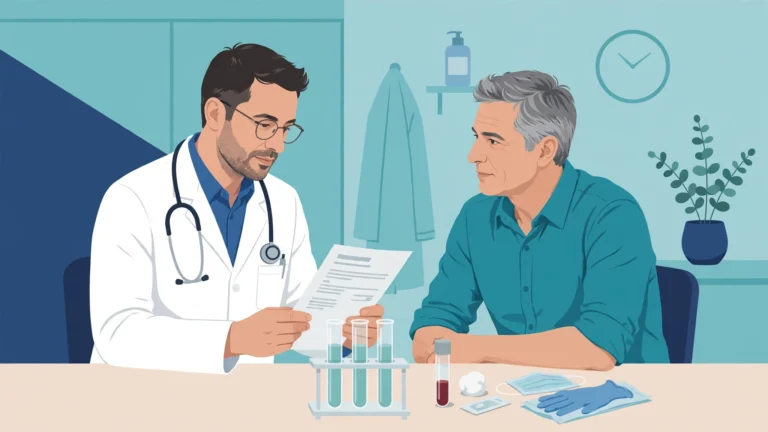
Many young men avoid seeking help because they do not know what the appointment involves. In practice, an evaluation for erectile dysfunction in young men is straightforward and usually starts with a primary care doctor, who may refer you to a urologist if needed. According to clinical guidelines from sources such as the Mayo Clinic and the NHS, you can typically expect:
- A detailed history: when the problem started, whether it is sudden or gradual, morning erections, libido, mood and stress, alcohol and substance use, relationship factors, and any medications or supplements.
- A physical examination: a general exam including blood pressure, plus a brief genital examination to check for anatomical issues.
- Blood tests: fasting blood sugar and cholesterol, and a morning blood draw for testosterone (levels are highest in the morning). Doctors often add prolactin and thyroid hormone tests, since both can affect erectile function.
- Cardiovascular screening: because of the early-warning-sign connection, young men with ED frequently get their heart-health markers checked.
- Psychological screening: questions about depression, anxiety, and stress — not to judge, but because these are among the most treatable causes in this age group.
- Sometimes a standardised questionnaire: tools like the International Index of Erectile Function (IIEF-5) help grade severity and track improvement over time.
No single test defines ED; the combination of results points to the most likely cause, and treatment follows from that.
How Erectile Dysfunction in Young Men Is Treated
Treatment depends on the cause, which is why the evaluation above matters. Common approaches doctors recommend include:
- Lifestyle change as first-line therapy: quitting smoking, reducing alcohol, exercising regularly, improving sleep, and eating a heart-healthy diet. For mild or lifestyle-driven erectile dysfunction in young men, these changes alone often produce meaningful improvement within weeks to months.
- Oral medications: PDE5 inhibitors such as sildenafil, tadalafil, and vardenafil improve blood flow and are commonly prescribed. They require sexual stimulation to work, and must be used only as prescribed — misuse, especially with other substances or underlying heart conditions, can be dangerous.
- Counselling and sex therapy: for psychogenic erectile dysfunction in young men, therapy — individually or as a couple — addresses performance anxiety, stress, and relationship dynamics. Combining counselling with pelvic-floor (Kegel) exercises has shown benefit in studies.
- Hormone treatment: if blood tests confirm low testosterone or another hormonal disorder, doctors may recommend targeted hormone therapy, monitored with follow-up blood work.
- Treating the underlying condition: managing diabetes, blood pressure, or switching a problematic medication (under medical supervision) often improves erectile function.
If low desire rather than erection difficulty is the main issue, it is worth reading our guide on low libido and the common causes worth ruling out first, since low libido and erectile dysfunction in young men frequently overlap and share causes. Treatment works best when both partners understand what is being treated and why — the section below is for them.
For Partners: How to Help (and What Not to Do)
Erectile dysfunction in young men affects couples, not just individuals, and how a partner responds can genuinely influence recovery. If your partner is experiencing ED:
- Do not take it personally. ED is not a measure of attraction or desire. In younger men it is most often about anxiety, stress, or health — not about you.
- Talk about it calmly and outside the bedroom. A relaxed conversation over coffee does more good than a tense discussion in bed. Framing it as a health issue you will tackle together removes shame.
- Avoid pressure and jokes. Performance pressure is one of the strongest drivers of erectile dysfunction in young men; even well-meant teasing can deepen the cycle.
- Encourage a medical check-up, not avoidance. Suggest it as routine health care — because it is. Offer to attend the appointment if that helps.
- Stay physically close. Intimacy without the pressure of intercourse — affection, massage, closeness — keeps the connection strong while treatment takes effect and reduces the anxiety that feeds the problem.
One more point for couples trying to conceive: erectile function and fertility are different things — ED rarely has any direct connection to sperm health. If conception is the goal and ED is persistent, a doctor can evaluate both separately.
FAQs
Is it normal to have erectile dysfunction in your 20s?
Occasional difficulty is normal at any age, especially with stress, tiredness, or alcohol. But persistent erectile dysfunction in young men is also more common than most men think — studies suggest up to 30% of men under 40 experience it — and it is highly treatable. If it happens frequently over several weeks, see a doctor rather than waiting.
How can I tell if my ED is physical or psychological?
A useful clue is timing and pattern. ED that starts suddenly, for example after a stressful event or in a new relationship, while morning erections remain firm, points more toward psychological causes. Erectile dysfunction in young men that develops gradually and affects erections in all situations, including mornings, suggests a physical cause. Only a doctor’s evaluation can confirm this.
Does masturbation or watching porn cause erectile dysfunction?
Masturbation itself does not cause ED, according to current medical understanding. However, guilt or anxiety around it can temporarily affect performance, and heavy pornography use can alter arousal patterns for some men, making partnered intimacy less satisfying. If this concerns you, discuss it honestly with a sexual-health professional.
Can erectile dysfunction affect my ability to have children?
ED and fertility are largely separate. ED affects the ability to achieve an erection; fertility depends on sperm production and quality, which are usually unaffected. That said, if erectile dysfunction in young men makes intercourse difficult, conception can be delayed. If you are trying to conceive, tell your doctor so both can be evaluated.
When should a young man see a doctor about ED?
See a doctor if erectile difficulty is frequent or persistent for more than a few weeks, if it started suddenly alongside other symptoms, if you have risk factors such as diabetes, high blood pressure, or depression, or if it is affecting your confidence or relationship. Because erectile dysfunction in young men can signal early cardiovascular issues, it is worth checking even when you feel otherwise healthy.
Will quitting smoking or cutting back on alcohol help?
Yes — these are among the most effective first steps. Smoking damages the blood vessels and nitric-oxide pathways needed for erections, and chronic heavy alcohol use disrupts hormones and the nervous system. Many young men see improvement within weeks to months of quitting, alongside better sleep, exercise, and stress management.
For a companion read on desire and hormones, see our guide on low libido and the common causes worth ruling out first. And if anything in this article sounds familiar, the single most productive step is a conversation with your doctor — erectile dysfunction in young men is one of the most treatable conditions in sexual medicine, and getting answers early almost always leads to better outcomes.
Medical disclaimer: This article is for educational purposes only and is not medical advice. It does not provide a diagnosis or treatment plan for any individual. If you are experiencing erectile dysfunction or any other health concern, please consult a qualified healthcare professional for personalised evaluation and care.