Low Libido in Men: It’s Not Always Testosterone — Causes and Fixes
When a man’s sex drive fades, the first suspect is almost always testosterone. But the real low libido men causes are far broader than one hormone, and many men have completely normal testosterone when their desire disappears. Understanding low libido men causes correctly matters because the cause determines the fix: stress, poor sleep, medications, relationship strain, and other hormones can all quietly suppress desire, and treating the wrong cause wastes months while the real problem goes unaddressed.
The Real Low Libido Men Causes: It’s Not Always Testosterone
Testosterone does play a central role in male sexual desire, and low testosterone can absolutely reduce libido. Yet clinicians see a common pattern: a man gets his testosterone tested, the result comes back in the normal range, and he’s told “your hormones are fine” — while his low desire persists. Research and clinical guidance, including the WebMD overview of hypoactive sexual desire disorder, confirm that desire is driven by an interplay of hormones, brain chemistry, physical health, and emotional wellbeing. A disruption anywhere in that system can lower libido.
The fact most men never hear: testosterone treatment generally does not improve libido in men whose levels are already normal. Guidelines reserve therapy for confirmed low levels on proper testing. When desire is gone but testosterone is normal, something else — often several things at once — is suppressing it.
Hormones Beyond Testosterone That Quietly Affect Desire
Testosterone gets all the attention, but several other hormones strongly influence male libido — the low libido men causes most ranking articles barely mention:
- Thyroid disorders. Both hypothyroidism and hyperthyroidism can change sexual desire — an underactive thyroid causes fatigue, weight gain, and low mood, while an overactive thyroid can cause anxiety and irritability that interfere with interest in sex.
- Elevated prolactin. In men, high prolactin (hyperprolactinemia) suppresses testosterone production and can directly dampen libido. A small benign pituitary tumor called a prolactinoma is one possible — and treatable — cause doctors check for.
- SHBG (sex hormone-binding globulin). Total testosterone can look normal while free (biologically active) testosterone is low, because excess SHBG binds it up. Obesity, liver issues, and aging can raise SHBG — a subtle driver basic tests miss.
- Cortisol. Chronic stress keeps cortisol elevated, and cortisol works directly against the reproductive axis: it suppresses testosterone and quietens sexual desire. This is why a man can have “fine” lab numbers and still feel no interest in sex.
- Estradiol imbalance. Men need small amounts of estrogen, but too much — often from excess body fat converting testosterone to estrogen — can suppress libido.
For clinicians and couples, the takeaway is practical: a single “total testosterone” draw is not a full hormonal picture. A proper workup looks at free testosterone, thyroid function, and prolactin — covered in the diagnostic roadmap below.
The “Cause Stack”: Low Libido Rarely Has Just One Cause
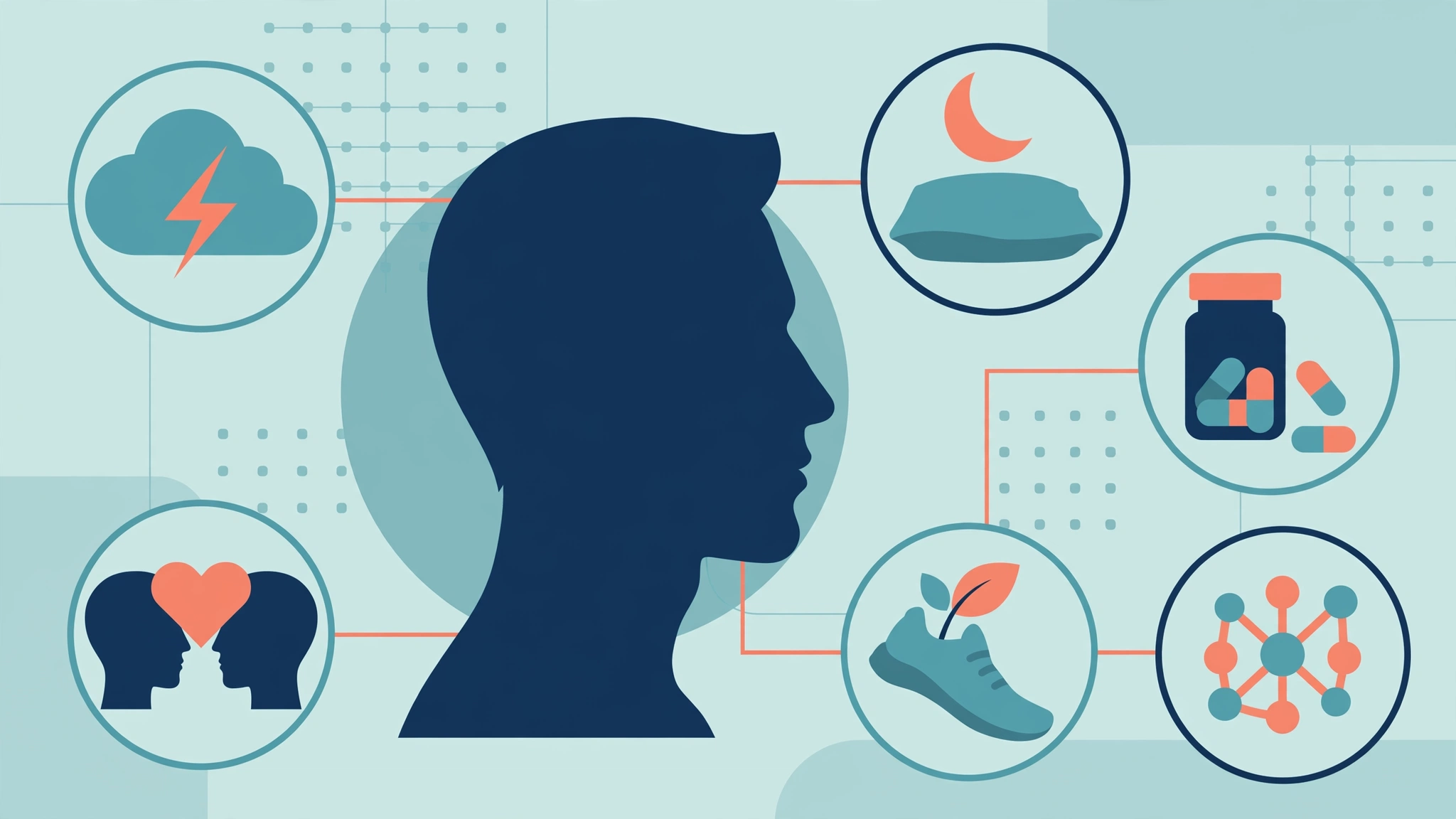
One honest framework clinicians use is the cause stack: desire rarely collapses because of one switch flipping overnight. Instead, several modest factors pile up — a little extra weight, a new medication, months of poor sleep, rising work stress — until the combined load suppresses desire. Each factor alone might be manageable; together they overwhelm the system.
This is why low libido men causes can feel so mysterious: often there is no single dramatic change — the real story is several small things adding up. The encouraging flip side: you usually don’t need to fix everything. Removing even two or three stacked causes often restores desire noticeably.
| Common pattern | Likely contributors to consider |
|---|---|
| Desire faded gradually over years, more tired, gained belly fat | Age-related testosterone decline, low activity, possible sleep apnea, metabolic issues |
| Sudden drop in the last few weeks | New medication, acute stress, illness, major life event — deserves medical evaluation |
| No interest in partner but normal interest alone | Relationship tension, emotional disconnection, unresolved conflict, performance pressure |
| Desire gone after starting an antidepressant | SSRI/SNRI sexual side effects — discuss with your prescribing doctor, never stop abruptly |
| Exhausted every evening, scrolling phone in bed | Poor sleep, stress, sedentary lifestyle — highly reversible |
| Low mood, nothing feels enjoyable | Depression or anxiety — treating the underlying condition often restores desire |
Medications: The Overlooked Driver of Low Libido
Medication side effects are among the most common — and most fixable — low libido men causes, yet men rarely connect their prescription to their fading desire. The main culprits include:
- Antidepressants, especially SSRIs (sertraline, paroxetine, fluoxetine) and SNRIs, which can reduce desire and delay orgasm. Our related guide on antidepressants and sex drive explains the options doctors consider, such as dose adjustments or switching to medications with fewer sexual side effects.
- Blood pressure drugs, including some beta blockers and diuretics, linked to both lower desire and erectile difficulty.
- Opioids and some pain medications, which suppress the hormonal axis and reduce testosterone production.
- Anti-androgens, certain prostate medications (such as 5-alpha-reductase inhibitors), and some anti-anxiety and antipsychotic drugs.
- Anticonvulsants and some chemotherapy agents, which can disrupt the hormones that support desire.
If desire dropped after starting a new prescription, bring a complete medication list — including over-the-counter drugs and supplements — to your appointment. Your doctor can often switch you to an alternative with fewer sexual side effects. Never stop a prescribed medication on your own; the underlying condition it treats can itself harm libido.
Lifestyle Drivers: The Five Fixes Within Your Control
Everyday habits are among the most powerful and most correctable low libido men causes — and they are squarely within a man’s control:
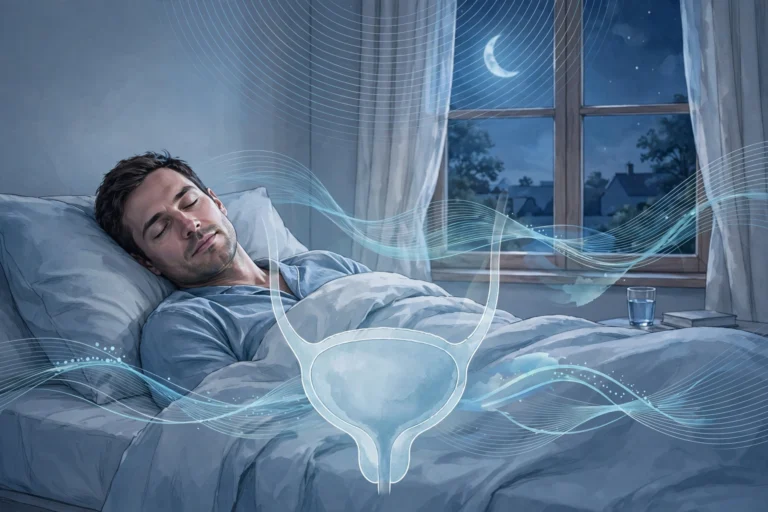
- Sleep. A large share of a man’s daily testosterone is produced during deep sleep. One week of sleeping five hours a night can measurably lower testosterone in healthy young men. Chronic poor sleep — including undiagnosed sleep apnea, which is common in overweight men — is one of the most underrated low libido men causes.
- Chronic stress. Sustained stress elevates cortisol, which suppresses testosterone and dampens desire directly. Men under chronic stress often report that they could perform sexually but simply don’t feel like it — the classic “desire without drive” pattern.
- Alcohol. Occasional moderate drinking rarely matters, but heavy or daily drinking lowers testosterone production, disrupts sleep quality, and dulls sexual responsiveness. Cutting back is one of the fastest reversible fixes.
- Weight and activity. Obesity raises estrogen relative to testosterone and promotes sleep apnea and diabetes risk — all of which suppress desire. Regular exercise, particularly strength training, supports healthy testosterone levels, circulation, mood, and body image.
- Pornography and sexual overstimulation. This driver is almost absent from mainstream medical guides, yet clinicians and the Mayo Clinic’s discussion of low libido note its real effects: heavy pornography use can create “pseudo-low libido,” where a man still has sexual interest but not in a partnered, healthy way — with unrealistic expectations, diminished response to a real partner, and a sense that desire itself is broken when it has actually been retrained. Men who suspect this plays a role often see improvement after a period of reducing or abstaining from pornography, sometimes with counseling support.
Psychological Causes: Stress, Depression, and Relationship Strain
The mind is one of the strongest influences on male desire, and psychological factors are among the most underestimated low libido men causes. Depression can erase interest in sex along with interest in everything else; anxiety keeps the nervous system in a fight-or-flight state incompatible with desire; chronic stress crowds out the mental space desire needs.
Relationship dynamics matter just as much — unresolved conflict, emotional disconnection, and performance anxiety are common low libido men causes that can each suppress desire — and performance anxiety creates a self-reinforcing cycle: worry about sex reduces interest in sex, which creates more worry. As Harvard Health’s guide to sluggish sex drive emphasizes, low desire is not a sign of rejection, and clarifying that with a partner is often the turning point.
Low self-esteem and body image concerns also rank among the overlooked low libido men causes in men, particularly after weight gain or erectile difficulties. Therapy — including cognitive behavioral therapy for depression or anxiety, and couples or sex therapy for relationship factors — is a first-line treatment when psychological causes dominate.
Medical Conditions That Reduce Male Desire
Beyond hormones and lifestyle, several medical conditions are established low libido men causes: diabetes, cardiovascular disease and hypertension, high cholesterol, chronic kidney or liver disease, and chronic pain or fatigue syndromes. For a broader overview, see our guide on the common causes of low libido worth ruling out first.
A sudden, severe drop in desire — especially with other symptoms like breast enlargement, vision changes, loss of body hair, or testicular shrinkage — warrants prompt medical evaluation, since it can occasionally signal a pituitary issue or another significant hormonal disorder.
What Doctors Actually Test: The Diagnostic Roadmap
None of the top-ranking articles on this topic give men a concrete picture of the evaluation process — so here is what a thorough doctor’s workup for persistent low libido men causes typically includes:
- History and medication review. Onset and timeline, sleep, stress, mood, relationship context, alcohol and substance use, and every medication and supplement you take.
- Physical exam. Including blood pressure, body mass, and examination for signs of hormonal imbalance.
- Blood tests. Morning total testosterone (drawn before 10 a.m., often repeated on 2–3 different days, since levels fluctuate), free testosterone or SHBG, LH (luteinizing hormone) and FSH to locate where a hormonal problem sits, prolactin, TSH (thyroid), plus metabolic screening such as blood sugar/A1c and cholesterol.
- Questionnaires. Validated tools for depression, anxiety, erectile function, and sometimes sleep quality — because psychological and lifestyle contributors are diagnosed by structured assessment, not guesswork.
Come prepared to discuss your suspected low libido men causes: note when the change began, whether desire is low in all contexts or only with your partner, any medication changes, and symptoms like fatigue or mood changes. This roadmap turns a vague complaint into an actionable investigation.
Fixes That Match the Cause: What Doctors Recommend
Because the cause determines the treatment, fixing low libido men causes really means fixing each cause:
- Confirmed low testosterone (hypogonadism): testosterone therapy — gels, injections, patches, or pellets — may be recommended, with monitoring for side effects and prostate health.
- Thyroid or prolactin problems: treated directly (thyroid hormone replacement; medications that lower prolactin), which often restores desire.
- Medication-induced: dose adjustment or switching to alternatives with fewer sexual side effects, guided by the prescribing doctor.
- Sleep apnea or poor sleep: sleep hygiene improvements or apnea treatment, which can lift both energy and desire.
- Depression/anxiety: treating the underlying condition — therapy, and if medication is needed, choosing options with lower sexual side effects.
- Relationship strain: couples or sex therapy, plus deliberate rebuilding of emotional and non-sexual physical intimacy.
- Lifestyle-driven: weight management, regular strength and cardio exercise, limiting alcohol, quitting smoking, and reducing pornography use where relevant.
When to see a doctor: seek evaluation if low desire persists for several weeks to months, causes you or your partner distress, appeared suddenly, or comes with fatigue, mood changes, erectile difficulty, or other physical symptoms. Early evaluation catches reversible causes before they become entrenched.
For Partners: How to Talk About His Low Libido
If you’re the partner of a man with low desire, how you respond matters enormously. Lead with teamwork, not blame: name what you’ve observed without accusation, share how you feel, and invite collaboration. Use “I” statements — “I miss feeling close to you” lands very differently from “You never want me.” Many men shut down from the shame of feeling they’ve disappointed their partner, so clarify early that you don’t interpret his low desire as rejection.
Reduce pressure by separating intimacy from intercourse for a while: affection and closeness without the expectation of sex can rebuild safety, and desire often follows. Approach the medical side of low libido men causes as a team — treating low libido as a health issue you’re solving together rather than a verdict on the relationship.
FAQs
Is low libido always a sign of low testosterone?
No. Low testosterone is one of several low libido men causes, and many men with low desire have normal testosterone levels. Stress, poor sleep, depression, medications, relationship strain, thyroid problems, and high prolactin can all suppress desire independently. That’s why a proper evaluation looks beyond a single testosterone number.
What is the difference between low libido and erectile dysfunction?
Low libido is reduced interest in sex — the “wanting” — while erectile dysfunction is difficulty getting or keeping an erection. They are distinct conditions but often overlap: stress, low testosterone, poor sleep, and depression can cause both. A man can have normal erections and still rarely initiate sex if desire is the issue.
Can stress alone really kill a man’s sex drive?
Yes. Chronic stress raises cortisol, which directly suppresses testosterone production and dampens sexual desire even when everything else is healthy. Men under prolonged stress commonly report they could perform but simply don’t feel like it. Stress management — exercise, better sleep, therapy, or workload changes — often restores desire noticeably.
What blood tests should a man get for low libido?
Doctors typically start with morning total testosterone drawn on 2–3 separate days, plus free testosterone or SHBG, LH and FSH, prolactin, and thyroid function (TSH). Metabolic screening like blood sugar and cholesterol is also common. This panel identifies whether the problem is hormonal, metabolic, or elsewhere.
Do antidepressants cause low libido in men, and what can be done?
Yes — SSRIs and SNRIs are among the most common medication-related low libido men causes, affecting desire and sometimes orgasm or erections. Options include waiting to see if side effects settle, adjusting the dose, switching to medications with fewer sexual side effects, or adding treatments your doctor recommends. Never stop an antidepressant abruptly; discuss changes with your prescriber.
When should a man see a doctor about low sex drive?
See a doctor if low desire lasts several weeks to months, causes personal distress or relationship problems, appeared suddenly, or comes with fatigue, low mood, erectile difficulty, or other physical symptoms. Since many low libido men causes are reversible, early evaluation catches them before they become entrenched. Sudden severe drops deserve prompt evaluation to rule out hormonal or medical causes.
Medical disclaimer: This article is for educational purposes only and is not medical advice. Low libido can have many causes, and only a qualified healthcare professional can evaluate your individual situation. If you are experiencing persistent low desire, please consult your doctor or a qualified clinician rather than self-diagnosing or self-treating.
If the low libido men causes described in this guide have been affecting you or your relationship, don’t wait in silence — talk to your doctor, bring this guide’s diagnostic roadmap to the appointment, and explore our related guides on men’s sexual health to keep learning together.