Low Testosterone Symptoms in Men: When to Get Tested
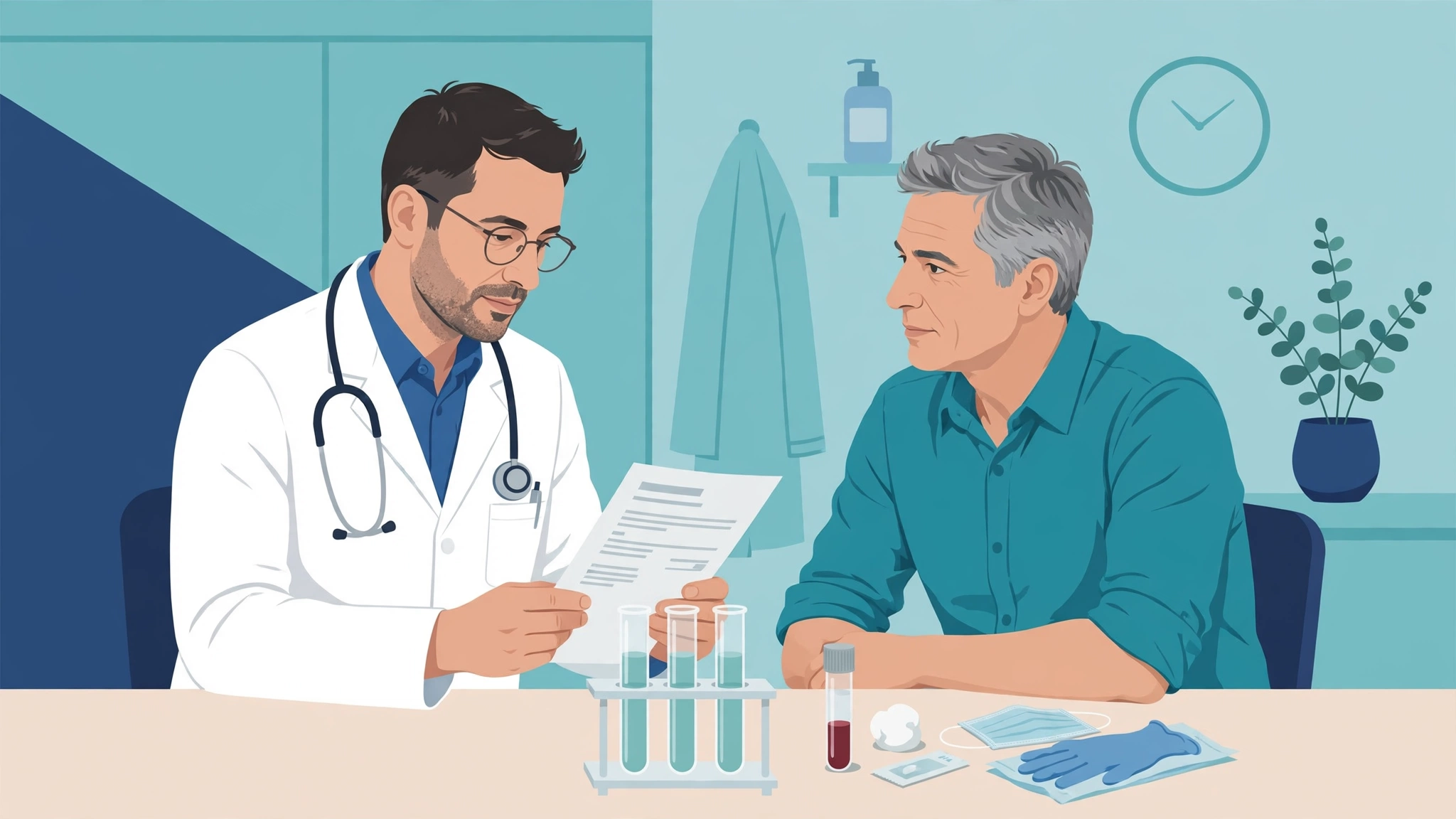
Recognizing low testosterone symptoms men commonly overlook can be the difference between months of silent struggle and a treatable medical answer. Low testosterone — clinically called male hypogonadism — affects up to 40 percent of men over age 45, according to figures cited by major health resources, yet most men never get checked. That is because the symptoms arrive gradually: less energy, weaker workouts, a fading sex drive, shorter temper. Each one is easy to blame on stress, work, or “just getting older.” In this guide, we walk through the physical, sexual, and emotional signs, explain exactly how testosterone testing works, and help you decide when to book that doctor’s appointment.
What Is Low Testosterone, Really?
Testosterone is the primary male sex hormone, produced mainly by the testes, with smaller contributions from the adrenal glands. It does far more than drive sex drive: it maintains muscle mass and strength, protects bone density, supports red blood cell production, influences mood and motivation, and is essential for sperm production, as the Mayo Clinic explains. When testosterone levels fall below the healthy range and symptoms appear, doctors call it testosterone deficiency or hypogonadism.
Testosterone naturally peaks in the late teens and twenties, then declines by roughly 1 to 2 percent per year starting around age 30. That slow drift means most men feel nothing dramatic at first. Clinically significant low testosterone is usually diagnosed only when both symptoms and low morning blood-test results are present — a single number on a lab report is never enough on its own.
The Physical Signs
Body changes are often the earliest low testosterone symptoms men notice. Because they develop slowly, many men notice them only when a partner points them out or a favorite shirt fits differently.
Sexual Symptoms
Among the sexual low testosterone symptoms men report, a persistent drop in sex drive is the hallmark doctors take most seriously. Along with it may come fewer spontaneous or morning erections, erectile difficulty, reduced semen volume, and — in some men — smaller, softer testicles. If low sex drive is your main concern, start by ruling out the common causes in our guide to the common causes of low libido, since many factors overlap with hormone issues. When low libido, erection changes, and fatigue arrive together, hormone testing becomes especially worth discussing.
Body Composition Changes
Testosterone is the body’s main signal to build and keep muscle. When it dips, men often lose strength faster than expected — gym numbers stall or reverse despite consistent training — while belly and chest fat accumulate even without obvious diet changes, which is why these physical low testosterone symptoms men notice in the mirror deserve attention. Over time, weakened bones can lose mineral density, raising fracture risk, a concern the Cleveland Clinic highlights for men over 65. Some men develop breast tenderness or enlarged breast tissue (gynecomastia), and body or facial hair growth may slow.
Other Physical Clues
Less widely discussed but well documented: hot flashes and night sweats (yes, men can get them too), unexplained fatigue that no amount of sleep fixes, and slower recovery from exercise or minor injuries. Individually, none of these proves anything. Together, they form a pattern worth investigating.
The Mental and Emotional Toll
Ask partners of men later diagnosed with low testosterone, and they will often describe a personality shift that arrived long before the physical signs: more irritability, shorter fuse, flat motivation, and a fog over thinking that makes concentration feel like wading through mud. Depression, low mood, anxiety, and poor sleep quality are all commonly reported. The emotional low testosterone symptoms men describe are routinely misattributed to stress or ordinary depression — sometimes leading to antidepressant prescriptions — without anyone checking hormones. That is one reason clinicians encourage men to consider the whole cluster of symptoms rather than any single one.
What Causes Testosterone to Drop?
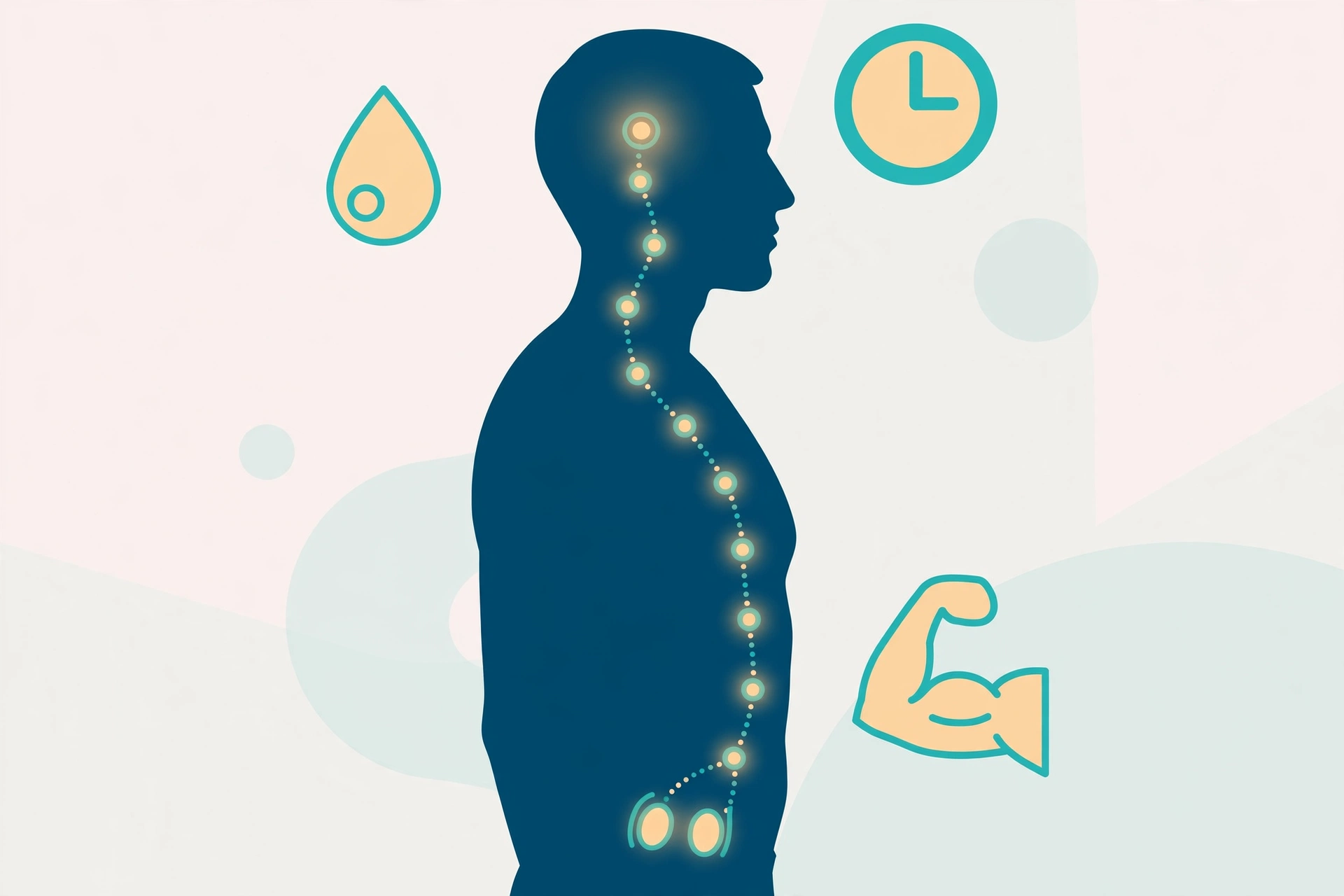
Age is the most common cause — simple, gradual decline. But testosterone can also fall because of medical causes, which doctors group into two categories:
- Primary hypogonadism: a problem in the testes themselves — injury, infection such as mumps, cancer treatment, or inherited conditions like Klinefelter syndrome.
- Secondary hypogonadism: the testes are healthy, but the brain’s signaling centers (the pituitary gland and hypothalamus) do not send enough stimulating hormones. Obesity, long-term opioid pain medications, pituitary disorders, chronic illness, and severe stress can all contribute.
Beyond these medical causes, several reversible factors behind low testosterone symptoms men can actually change suppress hormone production: chronic sleep deprivation (one well-cited study found a single week of short sleep cut testosterone by 10 to 15 percent), excess body fat, heavy alcohol use, and untreated sleep apnea. Doctors typically review medications and lifestyle factors before diagnosing a permanent deficiency, because fixing a reversible cause beats starting hormone therapy.
Low Testosterone Symptoms Men Should Act On: When to Get Tested
The clinical consensus is refreshingly simple: if you have symptoms, get tested — you do not need every marker on the list. Still, some patterns make testing clearly worthwhile. Consider booking a blood test if you have three or more of the following for longer than four to six weeks:
- Low sex drive or reduced sexual performance that developed gradually
- Persistent fatigue that does not improve with rest
- Noticeable loss of muscle or strength despite normal activity
- Increased belly fat that resists diet and exercise
- Low mood, irritability, or unexplained anxiety
- Brain fog, poor concentration, or memory lapses
- Reduced morning erections or erectile difficulty
- Hot flashes, night sweats, or sleep disruption
Clinicians sometimes use the ADAM questionnaire (Androgen Deficiency in Aging Males) as a quick self-screen: ten yes-or-no questions about libido, energy, strength, mood, and work performance. Answering “yes” to the libido or erection-strength questions — or to any three overall — is a reasonable prompt to see a doctor. If several of the low testosterone symptoms men commonly report describe your last few months, booking a blood test is a reasonable next step. It is a screening aid, not a diagnosis: only a blood test can confirm.
Age guidance: men under 40 with clear symptoms should not wait — low testosterone at a young age is less common but often signals a treatable underlying cause such as sleep apnea, obesity, a medication side effect, or a pituitary issue. Men 40 to 60 with multiple symptoms should prioritize testing, since this is when age-related decline accelerates. After 60, doctors may suggest a baseline test if risk factors like diabetes or obesity are present.
How Testosterone Testing Actually Works
Testing is a simple blood draw — but when and how it is done matters enormously for accuracy. Here is the protocol doctors follow once the low testosterone symptoms men describe have been screened:
- Morning only: testosterone peaks between roughly 7 and 10 AM and falls through the day. Testing must happen in the morning for results to be meaningful.
- Two separate mornings: guidelines recommend confirming low results with a second morning test on a different day, because illness, poor sleep, or alcohol can temporarily depress levels.
- A full hormone panel, not just total testosterone: a thorough workup includes several markers. Ask your doctor what your results mean in context.
| Test | What It Shows |
|---|---|
| Total testosterone | Overall hormone level; below about 300 ng/dL is generally considered low |
| Free testosterone | Hormone available for the body to use; can be low even when total looks normal |
| SHBG | Protein that binds testosterone; rises with age, reducing usable hormone |
| LH and FSH | Brain signals to the testes; help distinguish primary from secondary causes |
| Prolactin | Elevated levels can suppress testosterone production |
| Estradiol | Estrogen balance; excess fat tissue converts testosterone to estrogen |
Preparation tips: avoid heavy alcohol for a few days before, get a normal night’s sleep, tell the lab about all medications, and reschedule if you are acutely ill. Reference ranges vary by laboratory — your doctor interprets results against your symptoms, not a single cutoff. Some men feel symptoms at 350 ng/dL while others feel fine at 280, which is why clinical judgment matters more than any number alone.
Conditions That Mimic Low Testosterone
Many of the classic symptoms overlap with other treatable conditions, which is why a good doctor rules these out alongside hormone testing:
- Depression and anxiety — fatigue, low libido, and poor concentration fit perfectly.
- Thyroid disorders — an underactive thyroid mimics low energy and mood changes almost exactly.
- Sleep apnea — fragmented sleep tanks both energy and testosterone; treating apnea often restores both.
- Anemia and nutrient deficiencies — low iron or vitamin D can produce fatigue and weakness on their own.
Because so many of the low testosterone symptoms men report overlap with these conditions, testing turns a guessing game into data. Bring a written list of your symptoms, their timeline, medications, and sleep and exercise habits to the appointment — it makes the workup faster and more accurate.
How to Bring It Up — With Your Doctor and Your Partner
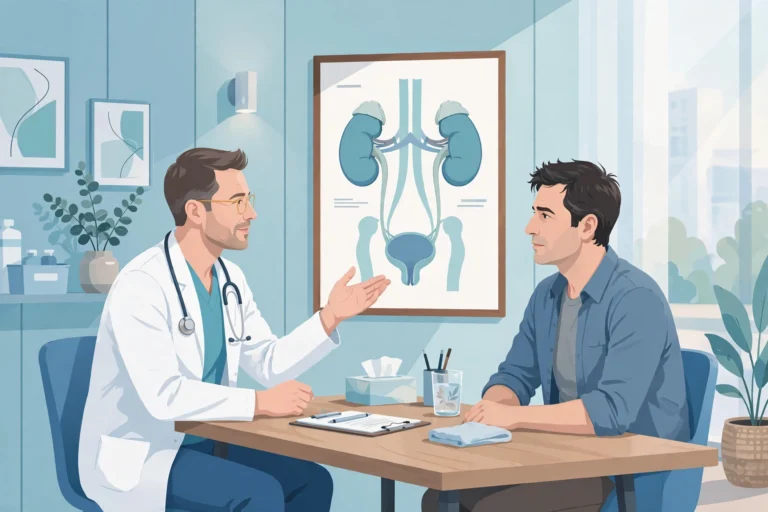
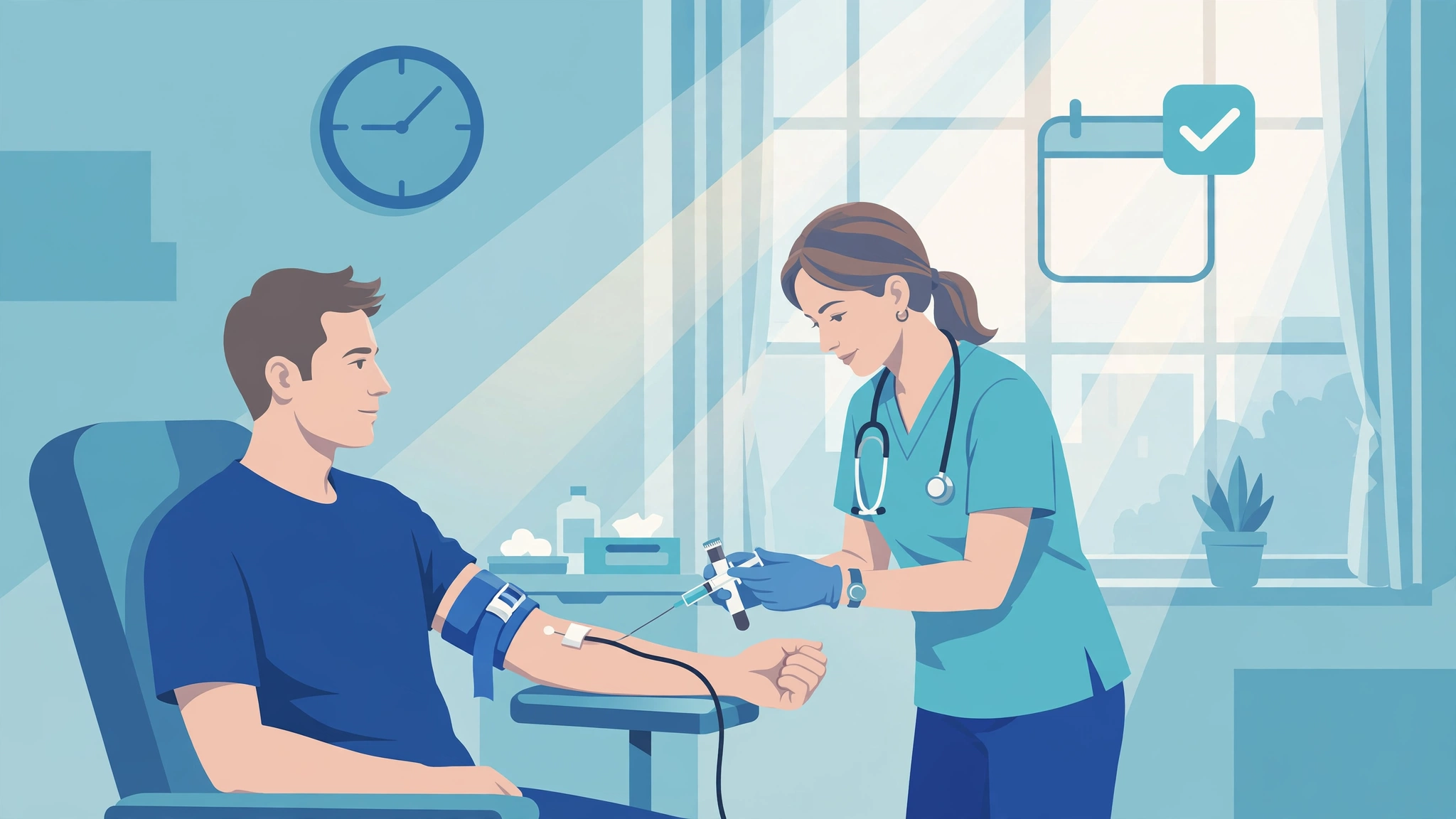
Many men delay testing for one reason: embarrassment. Framing it as a health workup, not a personal failing, helps. A direct opener works best: “I’ve been experiencing low energy, low libido, and trouble concentrating for a few months. I’d like to check whether low testosterone could be involved.” Doctors hear this regularly and will take you more seriously when you arrive with a symptom timeline.
For couples, this conversation matters just as much at home. Low testosterone can quietly erode intimacy, patience, and connection — and partners often take the withdrawal personally. When the low testosterone symptoms men experience begin straining a relationship, sharing this guide can open the discussion: the symptoms are medical, not a verdict on the relationship. Tackling testing and any treatment together usually strengthens both the outcome and the relationship.
What Doctors Recommend After a Diagnosis
If testing confirms testosterone deficiency, treatment is usually straightforward and starts conservatively. Doctors typically recommend lifestyle foundations first: consistent sleep, resistance exercise, gradual weight loss if overweight, limiting alcohol, and treating sleep apnea — all of which support natural hormone production. Vitamin D supplementation is sometimes discussed when levels are low.
When levels are clearly abnormal and symptoms are significant, doctors may discuss testosterone replacement therapy (TRT), available as gels, injections, patches, or pellets. TRT is a medical treatment with real benefits and real risks — including reduced sperm production, acne, breast enlargement, and cardiovascular considerations — and it requires regular blood monitoring. It is never something to start on your own or order from an unverified online clinic. The decision, the formulation, and the follow-up belong in a doctor’s hands.
FAQs
What are the first signs of low testosterone in men?
The earliest signs are usually persistent fatigue that rest does not fix, declining sex drive, and subtle mood shifts like irritability or lost motivation. Many men also notice fewer morning erections and weaker gym performance. Because these early low testosterone symptoms men face develop gradually, a symptom cluster lasting over a month deserves a morning blood test.
What is a normal testosterone level for men?
Most laboratories place the typical adult male range at roughly 300 to 1,000 ng/dL, though reference ranges vary by lab and testing method. Doctors emphasize that symptoms matter as much as the number: some men feel fine at 280 ng/dL while others have clear symptoms at 350. Diagnosis requires low morning levels on more than one test plus consistent symptoms.
At what age should men start testing their testosterone?
There is no universal screening age; the Endocrine Society recommends testing symptomatic men at any age. Because testosterone declines about 1 to 2 percent per year after 30, symptomatic low levels become more common after 40. Men with risk factors — obesity, type 2 diabetes, sleep apnea, chronic opioid use, or testicular injury — may warrant earlier testing.
Is one blood test enough to diagnose low testosterone?
No. Medical guidelines call for at least two morning blood draws (between about 7 and 10 AM) on separate days, since levels fluctuate with sleep, illness, and alcohol. A complete workup also includes free testosterone, SHBG, LH, FSH, prolactin, and estradiol — because the pattern across these markers reveals whether the problem starts in the testes or the brain.
Can low testosterone be treated without hormone therapy?
Often, yes — especially when levels are borderline. Doctors commonly recommend improving sleep, adding resistance exercise, losing excess weight, reducing alcohol, and treating sleep apnea before considering therapy. Correcting low vitamin D may also help. If symptoms are severe and bloodwork confirms deficiency, doctors may discuss testosterone replacement therapy, with its benefits and risks weighed carefully.
Does low testosterone cause infertility?
It can. Testosterone is essential for sperm production, so low levels often mean low sperm counts — and some men produce little or none. For couples struggling to conceive, hormone testing is a sensible step alongside fertility evaluation. Importantly, testosterone replacement therapy itself can further suppress sperm production, so men planning fatherhood must discuss fertility-preserving options with their doctor.
If several of the low testosterone symptoms men describe in this guide sound familiar, the next step is simple: book an appointment and ask for a morning testosterone test. Understanding your hormone health is one of the most underused tools in men’s health — and for deeper reading on related issues, explore our guide to the common causes of low libido.
Medical disclaimer: This article is for educational purposes only and is not medical advice. Testosterone levels, symptoms, and treatment decisions vary from person to person. Always consult a qualified healthcare professional for diagnosis and treatment. If you are experiencing concerning symptoms, speak with your doctor promptly.