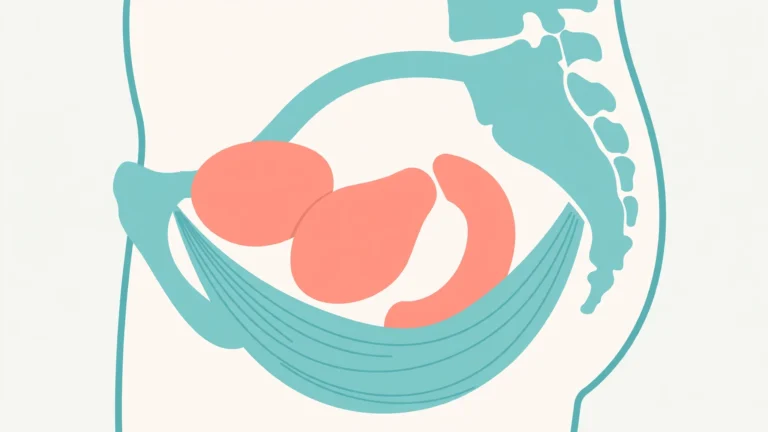
High Blood Pressure and Low Libido in Women
Understanding blood pressure and sex drive is the first step to reclaiming intimacy. Research confirms that blood pressure and sex drive rise and fall together. Because blood pressure and sex drive share the same vascular pathways, treating one often helps the other.
When a woman’s interest in intimacy quietly fades, the usual suspects — stress, exhaustion, relationship tension — take the blame first. But research increasingly points to another contributor that rarely comes up in conversation: blood pressure. The connection between hypertension and female libido is real, and it operates through blood flow, hormones, medication effects, and the emotional weight of a chronic diagnosis. If your desire has slipped and your blood pressure has crept up, the two may be linked — and the hopeful part is that understanding the link gives you concrete ways to address it. In this guide, we look closely at how hypertension and female libido are connected, what the research reveals, and the practical steps that may help.
High blood pressure is often called a silent condition because it usually produces no obvious symptoms — which is why the link between blood pressure and sex drive often goes unnoticed. Yet behind the scenes, it reshapes the cardiovascular system — the same system that powers sexual arousal. For women, the connection shows up as lower desire, weaker arousal, and less satisfaction.
Understanding how blood pressure and sex drive are connected is the first step toward addressing both. This guide breaks down what the science says, which medications help or hurt, and the practical steps that can protect both your numbers and your intimacy.
What the Research Says About Blood Pressure and Sex Drive in Women

Female sexual function in the context of hypertension has been studied less than male sexual dysfunction, but the studies that exist tell a consistent story. A 2022 systematic review published in the journal Medicina analyzed clinical trials and cross-sectional studies from 1991 to 2021 and concluded that sexual dysfunction appears more common in hypertensive women than in normotensive women, with beta-blockers showing the strongest evidence of harm and ARBs appearing relatively beneficial. Understanding how blood pressure and sex drive interact helps make sense of these results.
In one well-known study of 417 sexually active women, those with high blood pressure were roughly twice as likely to report sexual dysfunction than normotensive women. These numbers are the clearest evidence that blood pressure and sex drive are closely linked.
The details matter too: women with controlled hypertension tend to report better sexual function than those whose numbers stay high — evidence that management quality influences outcomes, not just the diagnosis itself. Understanding how blood pressure and sex drive interact helps make sense of these results.
How High Blood Pressure Dampens Desire and Arousal
To understand how blood pressure and sex drive are linked, it helps to know that female sexual response is deeply vascular. Arousal involves increased blood flow to the clitoris and vaginal walls, lubrication driven by that blood flow, and engorgement that heightens sensation. When blood pressure is chronically high, several things go wrong:
- Stiffened arteries: Chronic high pressure makes arterial walls stiffer and less able to widen when more blood flow is needed, including during arousal.
- Endothelial dysfunction: Hypertension damages the delicate inner lining of blood vessels, reducing nitric oxide — a chemical that helps smooth muscle relax and vessels dilate. Less nitric oxide means reduced blood flow to the vagina and clitoris.
- Oxidative stress and inflammation: Hypertension-related inflammation can damage genital tissue and endothelial cells over time.
- Autonomic nervous system disruption: Hypertension can disturb the sympathetic/parasympathetic balance that coordinates sexual response.
- Mood effects: Living with hypertension is associated with higher rates of anxiety and depression, which strongly dampen desire.
The practical result can show up across the whole sexual response cycle: lower interest, less excitement, weaker orgasms, and even pain during sex when lubrication falters. This full-cycle impact is exactly why blood pressure and sex drive should be addressed together rather than treated as separate concerns.
Could Your Blood Pressure Medication Be Lowering Your Libido?
This is one of the most important — and most misunderstood — pieces of the puzzle. Some classes of blood pressure drugs affect sexual function more than others — a nuance that matters enormously for blood pressure and sex drive:
- Beta-blockers: Older beta-blockers such as atenolol and metoprolol have the strongest evidence of dampening female sexual function, including reduced libido. One notable exception is nebivolol, a newer beta-blocker that appears to spare sexual function because it supports nitric oxide activity.
- Thiazide diuretics: Strongly linked to sexual problems in men; the evidence in women is less consistent, though one study found somewhat higher dysfunction rates among women on thiazides.
- ACE inhibitors and ARBs: These appear friendliest to female sexual function. In crossover trials, the ARB valsartan improved libido scores while atenolol lowered them, and losartan showed no significant harm to desire.
- Calcium channel blockers and alpha-blockers: Limited evidence suggests these are generally less problematic for sexual function than beta-blockers.
The crucial takeaway is never to stop a blood pressure medication on your own because of libido concerns. Uncontrolled hypertension raises the risk of heart attack, stroke, and kidney disease — far more serious than a dip in desire. Instead, bring the issue to your doctor: switching to a different class of medication may improve things, since drugs like ACE inhibitors and ARBs appear to protect sexual function while controlling pressure. Getting this balance right is what protecting blood pressure and sex drive together really means.
If you are already taking a medication that can affect libido, ask your prescriber about alternatives — Mayo Clinic’s guide to high blood pressure and sex notes that some blood pressure medications are less likely to cause problems with sex drive and encourages patients to discuss options openly with their healthcare team. Many women have never had this conversation, simply because nobody raised it. Their guidance is a useful starting point for understanding how blood pressure and sex drive connect.
Asking about blood pressure and sex drive during a medication review is a simple step that can change the treatment plan. For more on how drugs in general can interfere with desire, see our guide to medications that lower libido.
The Hormonal Overlap: Contraception, Perimenopause, and Blood Pressure
Here is an angle that gets almost no attention: the years when hypertension commonly appears in women — the 40s and 50s — are the same years when hormones shift dramatically, and some hormonal medications themselves raise blood pressure. Untangling which factor is dampening desire matters, because each has different solutions. Sorting out these overlapping influences is an important part of managing hypertension and female libido in midlife.
Hormonal contraception. Combined oral contraceptives (those containing estrogen) can raise blood pressure in some women — sometimes enough to cause hypertension — and can also alter sex hormone levels in ways linked to reduced desire. A woman in her 30s or 40s on the pill who notices fading libido alongside rising blood pressure readings may be dealing with both effects from one source.
If this sounds like you, discuss contraception options with your doctor; progestin-only methods and non-hormonal options do not carry the same blood pressure concern.
Perimenopause and menopause. Estrogen decline brings vaginal dryness, thinning tissues, and reduced blood flow to genital areas — symptoms that closely resemble what hypertension causes. Since blood pressure also tends to rise around menopause, many women face a double hit without realizing it. Sorting out the relative contribution of hormones versus hypertension usually requires a clinician’s eye, but low-dose vaginal estrogen — which does not carry the same clotting concerns as oral estrogen — is one option doctors may discuss for dryness and discomfort. It is one more reminder that blood pressure and sex drive share the same midlife crossroads.
Learn more about this phase in our guide to perimenopause signs in your 40s and how hormones affect female libido. Midlife is therefore a key window for asking about blood pressure and sex drive together.
The Hidden Contributors: Sleep, Mood, and Stress
Three factors travel alongside hypertension so often that they deserve their own spotlight — because each independently lowers libido, each is treatable, and each shapes how hypertension and female libido interact.
Sleep apnea: the triangle nobody mentions
Obstructive sleep apnea is far more common in people with hypertension than in the general population, and it is also independently associated with reduced desire, fatigue, and low mood. The mechanism is straightforward: fragmented sleep raises blood pressure, tanks daytime energy, and disrupts the hormonal rhythms that support libido. If you snore loudly, wake unrefreshed, or feel exhausted despite a full night in bed, a sleep evaluation may help both your blood pressure and your interest in intimacy.
Our article on sleep and sex drive explores this connection further. Treating apnea may therefore benefit blood pressure and sex drive at the same time.
Depression, anxiety, and antidepressants
Anxiety and depression are both more prevalent among women managing chronic conditions like hypertension — and both strongly dampen desire. Worse, some antidepressants, particularly SSRIs and SNRIs, are themselves well-known libido suppressants. This creates a difficult stack: a blood pressure drug plus an antidepressant can suppress desire more than either would alone. If you take both, talk to the prescribing clinicians about the full picture rather than either drug in isolation. Read more about this overlap in our guide to depression and low sex drive. For women juggling both conditions, treating mood can be a genuine turning point for blood pressure and sex drive together.
Chronic stress and fatigue
Stress raises blood pressure acutely and keeps the sympathetic nervous system — the “fight or flight” branch — running hot, which works directly against the relaxed state arousal requires. Persistent fatigue, which many women with hypertension report, is desire’s most basic enemy. Even small daily recovery windows — a short walk, a consistent bedtime, ten minutes of unwinding before bed — support blood pressure and sex drive together. For practical ideas, see our guide to stress management for your sex life and what to do when you’re too tired for sex.
Practical Steps to Protect Both Blood Pressure and Desire

The most encouraging finding in the research is also the most actionable: women whose hypertension is well controlled report better sexual function than those whose blood pressure stays elevated. Everything that helps your blood pressure is also, in effect, helping your sex life. These moves support blood pressure and sex drive through the same pathways — a few evidence-backed examples:
- Move regularly. Aerobic exercise lowers blood pressure and improves endothelial function and blood flow — the same vascular improvements that support arousal. Even brisk walking most days makes a measurable difference. See how exercise boosts sexual health and libido.
- Eat for your vessels. A DASH-style eating pattern — rich in fruits, vegetables, whole grains, legumes, and lean protein, with limited sodium — is the dietary standard for blood pressure. Many of the same circulation-supporting foods also support sexual health; read more in our guide to diet and libido.
- Limit alcohol and quit smoking. Both raise blood pressure and impair circulation. Cutting back on alcohol and stopping smoking helps pressure, vessels, and desire alike.
- Address dryness directly. Water-based lubricants and vaginal moisturizers are simple, effective tools for dryness and discomfort during sex — recommended even in clinical reviews of this topic.
- Keep your partner in the loop. Libido changes are easily misread as rejection. A brief, honest conversation — “my medication and blood pressure may be affecting my desire, and I’m working on it with my doctor” — preserves closeness while you address the physical side. Our guide to mismatched libidos in marriage has practical communication scripts.
- Track patterns. Note when desire dips relative to medication changes, sleep quality, stress spikes, or where you are in your menstrual cycle. A month of simple notes gives your doctor far more to work with than “it’s been low for a while.”
How to Talk to Your Doctor About Libido (Without Awkwardness)
Most clinicians will not ask about sexual function unless you raise it — the topic comes up in only a minority of visits — so the conversation usually has to start with you. Here is how to make it straightforward — including the link between blood pressure and sex drive:
- Link it to your condition. Open with the medical framing: “I’ve read that blood pressure and sex drive are connected and that some BP medications can affect libido. I’ve noticed changes since starting my treatment — can we review my medications?” This makes it clinical, not confessional.
- Bring the full list. Include prescription drugs, over-the-counter medicines, supplements, and hormonal contraception — combinations matter.
- Ask directly about alternatives. “Are there blood pressure medications that are less likely to affect sexual function?” ACE inhibitors and ARBs are often the classes doctors consider in this situation.
- Mention the other suspects. Sleep quality, mood, stress, menopause symptoms, and relationship strain all deserve a mention so the workup is complete.
If you feel embarrassed, remember that sexual side effects of blood pressure drugs are among the most common reasons people quietly stop taking them — a safety problem your doctor takes seriously. Raising it is responsible self-care — and a routine part of talking about blood pressure and sex drive.
Because the link between blood pressure and sex drive is well documented, your doctor will likely take the concern seriously. You can also prepare by tracking your symptoms beforehand — our guide to talking to your doctor about libido has practical scripts for starting the conversation.
When to Seek Care Promptly
Most libido changes related to blood pressure and sex drive develop gradually and are worth discussing at a routine visit.
Seek care sooner for chest pain, shortness of breath, or severe headaches (possible signs of dangerously high blood pressure), severe pain during sex, bleeding after intercourse, or persistent low mood and hopelessness.
Frequently Asked Questions
Can high blood pressure cause low libido in women?
Research suggests it can contribute. Studies have found that women with hypertension are roughly twice as likely to experience sexual dysfunction as women with normal blood pressure, affecting desire, arousal, lubrication, orgasm, and satisfaction. Likely mechanisms include reduced blood flow to genital tissues, lower nitric oxide levels, arterial stiffness, and the fatigue and anxiety that accompany a chronic diagnosis. Encouragingly, women with well-controlled blood pressure report better sexual function than those whose pressure stays high. In short, research supports a real connection between blood pressure and sex drive.
Which blood pressure medications are most likely to lower libido?
Older beta-blockers such as atenolol and metoprolol have the strongest evidence of dampening female sexual function, including desire. Thiazide diuretics may have a mild effect, though evidence in women is less consistent. ACE inhibitors and ARBs (like losartan and valsartan) appear the most sex-friendly and may even improve scores, and the newer beta-blocker nebivolol also seems to spare sexual function. Never stop a medication on your own — ask your doctor whether a different class could work for you. Understanding how blood pressure and sex drive interact helps your doctor choose the friendliest option.
Should I stop my blood pressure medication if I notice a low sex drive?
No — stopping blood pressure medication on your own can cause dangerous rebound hypertension, heart attack, or stroke. Sexual side effects are a common reason people quietly quit their prescriptions, which is exactly why you should raise the issue with your doctor instead. Switching to a different medication class often resolves the problem while keeping your pressure controlled. That way you protect both blood pressure and sex drive.
Can birth control pills affect both blood pressure and libido?
Yes, this double effect on blood pressure and sex drive is possible. Combined oral contraceptives containing estrogen can raise blood pressure in some women and are also associated with reduced desire through hormonal shifts. If your libido faded and your blood pressure rose after starting the pill, discuss alternatives with your clinician — progestin-only or non-hormonal contraception does not carry the same blood pressure concern.
Does treating hypertension improve libido?
The evidence points in that direction. Studies found that women with controlled hypertension have better sexual function scores than women whose blood pressure stays above target, and some drug classes (notably ARBs) have been associated with improved libido scores. Lifestyle measures that lower blood pressure — regular exercise, DASH-style eating, good sleep, stress management — support circulation and desire through the same pathways. For many women, this means blood pressure and sex drive improve together.
Is my low libido from hypertension, or is it just menopause?
It may be both, since declining estrogen and rising blood pressure often arrive together in midlife and produce overlapping symptoms — vaginal dryness, reduced arousal, lower desire. A clinician can help disentangle them by reviewing your blood pressure history, medication timeline, menopause symptoms, and hormone levels. Many treatments help both: exercise, weight management, good sleep, and (where appropriate) vaginal estrogen for dryness support sexual health regardless of which factor dominates. Either way, the overlap means blood pressure and sex drive are best evaluated together with your clinician.
How do I bring up libido with my doctor without feeling embarrassed?
Use the medical framing: “I’ve noticed changes in my sex drive since my blood pressure diagnosis, and I’ve read that blood pressure and sex drive are connected — can we review my medications?” Doctors consider sexual side effects a routine part of medication management. Bringing a complete medication list and noting when the changes started turns an awkward topic into a practical clinical question.
This article is for educational purposes only and is not medical advice. If you are experiencing changes in sexual health, symptoms of hypertension, or side effects from medication, talk to a qualified healthcare professional for guidance suited to your situation.