Depression and Low Sex Drive: Causes, Care, and What Helps Most
When sex starts to feel like one obligation too many, depression is one of the most common — and most misunderstood — reasons. Understanding depression low sex drive causes matters because the lost desire is rarely a single problem: it is usually the combined effect of brain chemistry changes, the physical toll of depression itself, and sometimes the medication used to treat it. The encouraging news is that treating depression usually restores desire — and when it does not, there are clear, evidence-based paths forward. This guide is for couples making sense of what is happening, and for clinicians who need a practical, compassionate framing to share.
Depression Low Sex Drive Causes: What the Research Shows
Loss of interest in sex is a recognized diagnostic feature of depression, not a side issue. Clinicians describe libido as a barometer of overall well-being: when mood, energy, and the capacity for pleasure collapse, sexual desire is usually among the first things to fade. Large population surveys consistently show that mood problems are among the strongest predictors of low desire in both men and women. Understanding depression low sex drive causes starts with separating the illness itself from everything riding along with it.
This guide covers all of that, plus what most articles miss: a framework for telling depression-driven low desire apart from medication side effects and unrelated medical causes, gender-specific patterns, the recovery timeline, and the steps that help most.
How Depression Changes the Brain’s Desire Circuitry
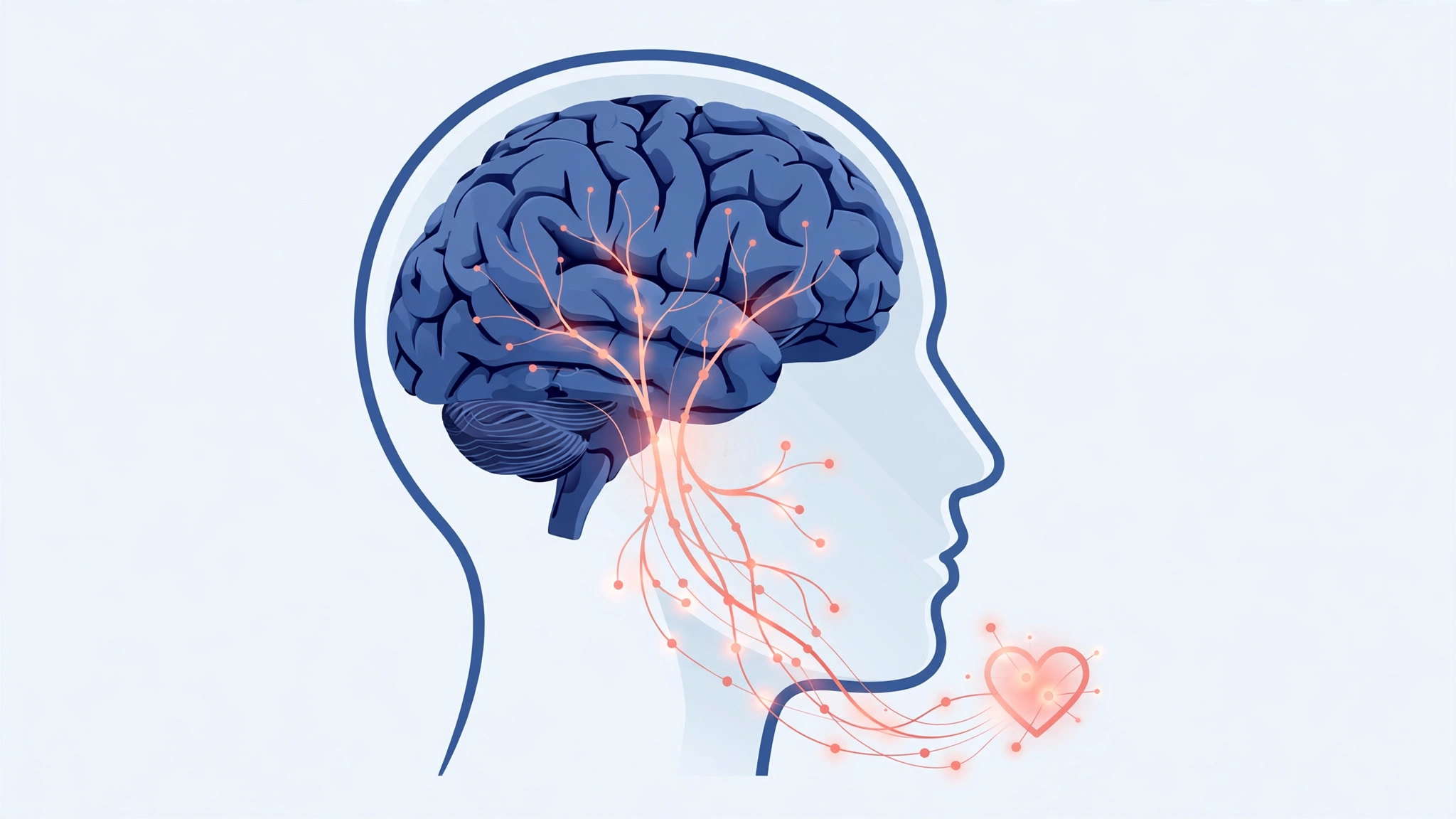
The most direct of the depression low sex drive causes is chemical. Desire depends on dopamine and serotonin — the same systems that regulate mood and the anticipation of pleasure. When depression disrupts them, the result is anhedonia: the inability to look forward to things that once felt good, including sex.
As a psychiatrist quoted in WebMD explained, sexual arousal starts with the ability to anticipate pleasure — precisely the capacity depression takes away. Desire begins with a mental image of pleasure to come, and when the brain cannot form that image, the drive never switches on. It is neurochemistry, not selfishness or lost love.
Depression also disrupts sleep and elevates cortisol while suppressing the hormones that support sexual function. Research suggests the sleep–sex connection may run partly through vasopressin, and that depression-driven appetite changes — weight gain or restrictive eating — can further undermine desire through brain chemicals like neuropeptide Y. The mood disorder and the body’s stress response push libido down through several pathways at once — which is why depression low sex drive causes so often overlap and reinforce each other.
The Ripple Effects: Fatigue, Body Image, and Emotional Distance
Beyond chemistry, several secondary depression low sex drive causes quietly dismantle desire:
- Fatigue: Depression drains physical and mental energy, and sleep is almost always disturbed. When someone is exhausted, intimacy slides to the bottom of the priority list — not from rejection, but from depletion.
- Compromised sense of self: Depression breeds feelings of worthlessness and a negative body image. People who feel unattractive or unworthy of affection often withdraw from the vulnerability that intimacy requires.
- Emotional disconnection: Depression makes people pull away from partners, friends, and family. That emotional distance almost always extends to physical closeness — even when love for the partner is fully intact.
- Shame and self-monitoring: Feeling stressed or ashamed about having depression makes intimacy feel like a performance rather than a shared experience, and worry about whether the body will “work” can keep someone stuck in their head during sex.
- Affection avoidance: Some people stop initiating even non-sexual affection because they fear a hug or kiss will be read as a promise of sex. Over time, both partners feel rejected — and the gap widens.
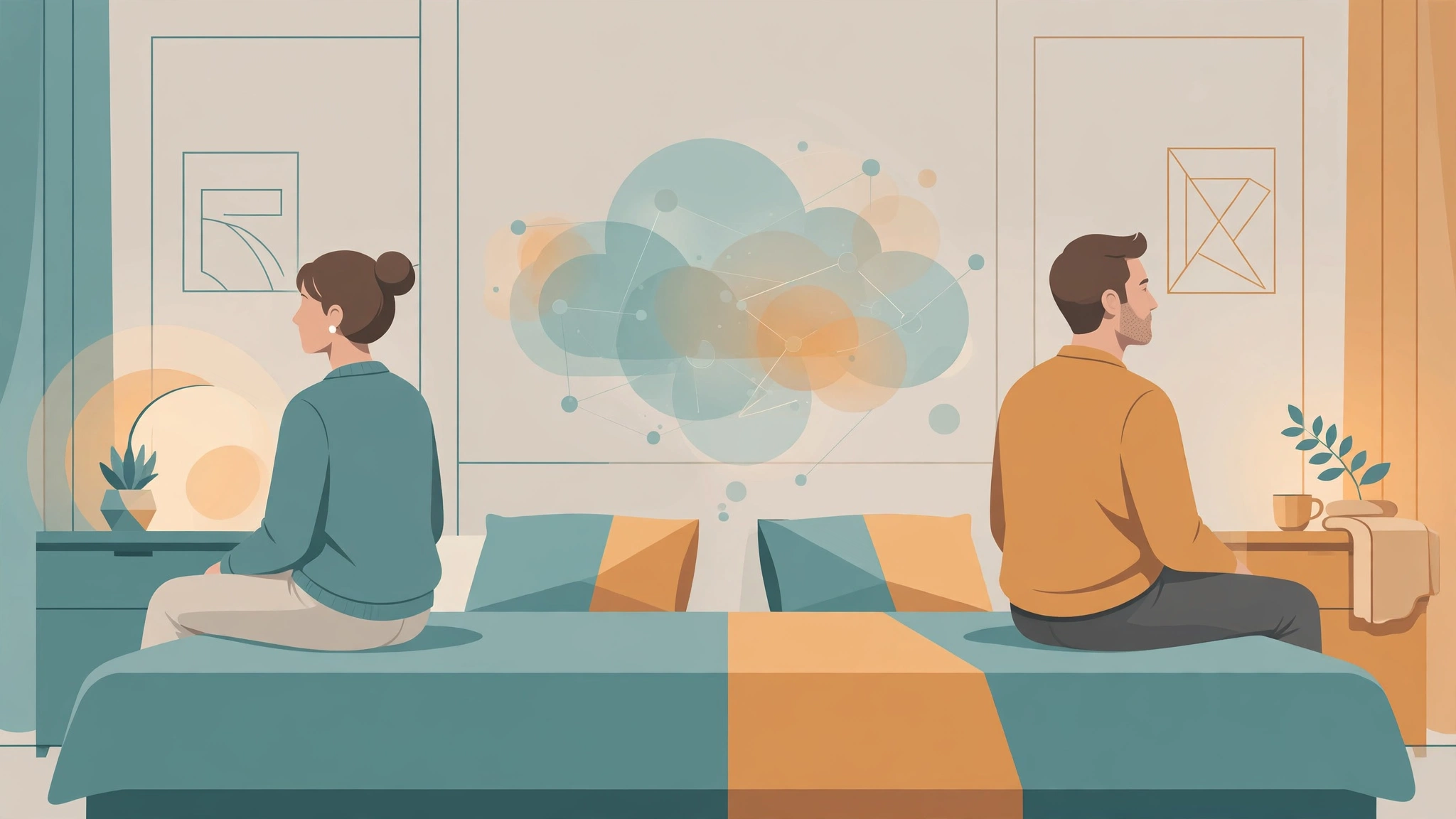
Note that attraction and desire differ: many depressed people still find their partner attractive and want closeness but cannot summon the sexual pull — the distinction where couples most often misunderstand each other. Recognizing these hidden depression low sex drive causes helps partners stop reading lost desire as personal rejection.
Is It the Depression, the Medication, or Something Else? A Framework
One of the most common — and most important — of the depression low sex drive causes is actually the treatment. Antidepressants, especially SSRIs, are well known for dampening libido, arousal, and orgasm in a large share of users. Mayo Clinic notes these effects can include changes in desire, arousal, orgasm, and sexual comfort. Harvard Health has highlighted that SSRIs achieve remission in only about a third of patients while causing sexual dysfunction in a much larger proportion — which is why sorting out the cause matters so much.
Clinicians use the timeline to tell the depression low sex drive causes apart — which is why sorting them out matters so much. Use this framework before your appointment:
| Pattern | Points toward | What to tell your doctor |
|---|---|---|
| Desire faded before any medication was started, alongside other depressive symptoms | The depression itself | When the change began relative to mood symptoms |
| Desire was returning as mood improved, then dropped after starting or increasing an antidepressant | Medication side effect | The medication name, dose, and when sexual changes began |
| Desire is gone but mood, energy, and interest in other pleasures are normal | Possibly a separate medical or relationship cause | Other symptoms: pain, dryness, erectile changes, fatigue |
| Low desire persists months after depression has lifted and medication has stopped | Residual effect or an unaddressed contributor | Full timeline including medication stop date |
Never stop or change a prescribed antidepressant on your own. Abrupt changes can cause withdrawal symptoms or a relapse of depression. If you suspect your medication is one of the depression low sex drive causes, the right move is a conversation with your prescriber about dose timing, switching to an option with a lower sexual side-effect profile, or adding a counteracting strategy. Our companion guide on antidepressants and sex drive walks through these clinical options in detail.
Also rule out thyroid problems, low testosterone, diabetes, chronic illness, alcohol use, and other medications such as some blood-pressure drugs — all can suppress desire. Our guide to the common causes of low libido worth ruling out first has the full checklist.
How Depression Affects Men and Women Differently
The depression low sex drive causes do not play out identically across genders, and most articles skip this entirely.
In men, depression-linked low desire often arrives with loss of morning erections, reduced interest in initiating, and a spiral in which worry about performance becomes its own desire-killer. Testosterone can dip with depression and chronic stress, compounding the problem — and men are more likely to frame it as physical failure, which slows help-seeking.
In women, depression more often shows up as diminished arousal and difficulty reaching orgasm, layered over the hormonal interplay of the menstrual cycle, perimenopause, or postpartum recovery. Postpartum depression deserves special attention: new mothers face exhaustion, body changes, and hormonal shifts all at once, and depression can make the resulting loss of desire feel like a personal failing rather than a treatable condition.
The clinical takeaway is the same for both: screen mood whenever desire changes, and screen desire whenever mood is treated. Depression and sexual function are two sides of one physiological system. That is why treatment plans for depression low sex drive causes work best when they account for these gender-specific patterns.
What Helps Most: Evidence-Based Ways to Rebuild Desire

Treating the depression is the single highest-leverage step — as mood lifts, desire usually returns. But “treat the depression” is a strategy, not a plan. Here is what the evidence and clinical guidelines point to, in roughly the order doctors recommend them for depression low sex drive causes:
- Get the right depression treatment — and keep adjusting it. For moderate depression, psychotherapy, exercise, and sleep restoration are often tried first; for more severe depression, medication is added. If sexual side effects appear, your prescriber can adjust dose timing, switch to an antidepressant with a lower sexual side-effect profile, or add a counteracting strategy. Never abandon depression treatment because of side effects — manage the side effects instead, since resolving the underlying depression low sex drive causes depends on staying the course.
- Move your body. Regular aerobic exercise is one of the strongest non-drug interventions for both depression and libido: it reduces depressive symptoms, improves sleep, supports testosterone levels, and restores the dopamine signaling that desire depends on.
- Repair sleep deliberately. Depression wrecks sleep, and sleep deprivation independently tanks desire. Treating sleep as a clinical target — consistent wake times, morning light, limiting alcohol before bed — often moves both mood and libido together.
- Try responsive desire on purpose. Many people wait to feel spontaneous desire before initiating intimacy. Sex therapists note that for most adults — especially under stress or depression — desire more often follows connection and touch than precedes it. Scheduling unpressured time together, with no expectation that it leads anywhere, lets responsive desire re-emerge naturally.
- Relearn touch without pressure: sensate focus. This structured, therapist-guided exercise asks partners to take turns touching while explicitly banning goal-oriented sex for a period. It breaks the performance-monitoring cycle and rebuilds the association between touch and safety rather than touch and anxiety.
- Use mindfulness and CBT skills. Cognitive behavioral therapy targets the depressive thought patterns (“I am unattractive,” “sex will be a failure”) that block desire, while mindfulness keeps attention in the body during intimacy instead of spiraling into self-criticism.
- Limit alcohol. Chronic heavy drinking depresses sexual desire and can lower androgen levels. Cutting back removes a common hidden contributor.
- Consider couples or sex therapy. When depression has strained the relationship itself — resentment, mismatched expectations, a cycle of pursuit and withdrawal — a certified sex therapist or couples therapist can rebuild the communication the depression eroded.
What to Tell Your Partner: Scripts That Work
One of the most overlooked depression low sex drive causes is silence itself: almost every expert source agrees couples should talk about it, but few say how. Clinicians suggest these approaches:
- Name the mechanism, not just the symptom: “My depression has switched off my desire the way it switched off my interest in everything else. It is not about how I feel about you.”
- Separate affection from obligation: “I want closeness with you. Can we agree that cuddling doesn’t have to lead anywhere, so I can relax into it?”
- Invite your partner into the treatment: “I’d like you to come to a session with me so you can hear directly from my doctor what’s happening and what the plan is.”
- For partners: Ask “What kind of touch feels good right now?” rather than “What’s wrong?” Avoid framing the loss of desire as rejection, and resist taking the depression personally — guilt is one of the heaviest desire-killers of all.
Your Doctor Visit: What to Ask and What to Expect
Clinicians routinely ask about mood, medications, sleep, and sexual function — the four domains most relevant to depression low sex drive causes — so answer honestly; they have heard it all. Useful questions to bring:
- Could my low desire be a symptom of depression, a side effect of my medication, or both — and how can we tell?
- What are the options if my antidepressant is affecting my sex life?
- Should we check testosterone, thyroid, or other medical contributors?
- Would therapy — individual, couples, or sex therapy — be appropriate alongside medication?
- How long should it take for desire to return as my mood improves, and what should I do if it does not?
On the last question: for most people, the depression low sex drive causes resolve as depression lifts, with desire returning gradually over weeks to months. If desire stays low long after mood has recovered, clinicians look for what researchers call post-SSRI sexual dysfunction — persistent sexual effects after stopping medication — or an unaddressed contributor such as ongoing relationship strain, hormonal issues, or incomplete depression treatment. Either way, it is a medical question with medical answers, not a verdict on your relationship. Resources such as Harvard Health’s guide to sex, drugs, and depression and Planned Parenthood’s overview of low sexual desire can help you prepare for the conversation.
FAQs
Can depression cause low sex drive?
Yes. Loss of interest in sex is a recognized symptom of depression. Depression disrupts the brain’s dopamine and serotonin systems, which drive both mood and desire, while fatigue, poor sleep, negative body image, and emotional withdrawal further suppress interest. These depression low sex drive causes are symptoms of an illness — not a reflection of your love for your partner.
Does low libido from depression go away when depression is treated?
Usually, yes — treating depression restores desire for most people, often gradually over weeks to months. If desire does not return, the medication itself may be the cause, or an unaddressed contributor like hormones, relationship strain, or incomplete recovery. Report persistent problems to your doctor rather than assuming they are permanent.
How can I tell if my low sex drive is from depression or my antidepressant?
Use the timeline. If desire faded before any medication, alongside other depressive symptoms, the depression is the likely cause. If desire was improving and then dropped after starting or raising an antidepressant, a side effect is likely. Share the medication name, dose, and timing with your prescriber to sort it out safely. Tracking this timeline is the most useful way to pin down which depression low sex drive causes apply to you.
How do I talk to my partner about depression and low sex drive?
Be direct and name the mechanism: explain that depression has switched off desire the way it switched off interest in other pleasures, and that it is not about attraction. Agree that affection does not have to lead to sex. Many couples find one joint session with a therapist helps the partner hear the clinical picture directly.
Should I stop my antidepressant if it lowers my sex drive?
No. Never stop or change a prescribed antidepressant without your prescriber’s guidance — abrupt changes can cause withdrawal or a depression relapse. Instead, tell your prescriber when the sexual changes began and what you noticed. Options include adjusting dose timing, switching to a medication with a lower sexual side-effect profile, or adding a counteracting strategy.
Can depression ever increase sex drive?
Less commonly, yes. Some people experience increased desire or riskier sexual behavior during depression, sometimes as a coping mechanism or during hypomanic episodes in bipolar disorder. If sexual behavior changes feel out of character, impulsive, or unsafe, bring it up with your clinician — it is clinically relevant information.
The bottom line: of all the depression low sex drive causes, most are treatable — the illness responds to treatment, medication side effects have clinical workarounds, and the relationship strain can be repaired with honest communication and the right help. If your desire has changed and you do not know why, talk to your doctor.
Medical disclaimer: This article is for educational purposes only and is not medical advice. Depression and sexual dysfunction are medical conditions that require individualized evaluation. Do not start, stop, or change any medication based on this article. Please consult a qualified healthcare professional for diagnosis and treatment.