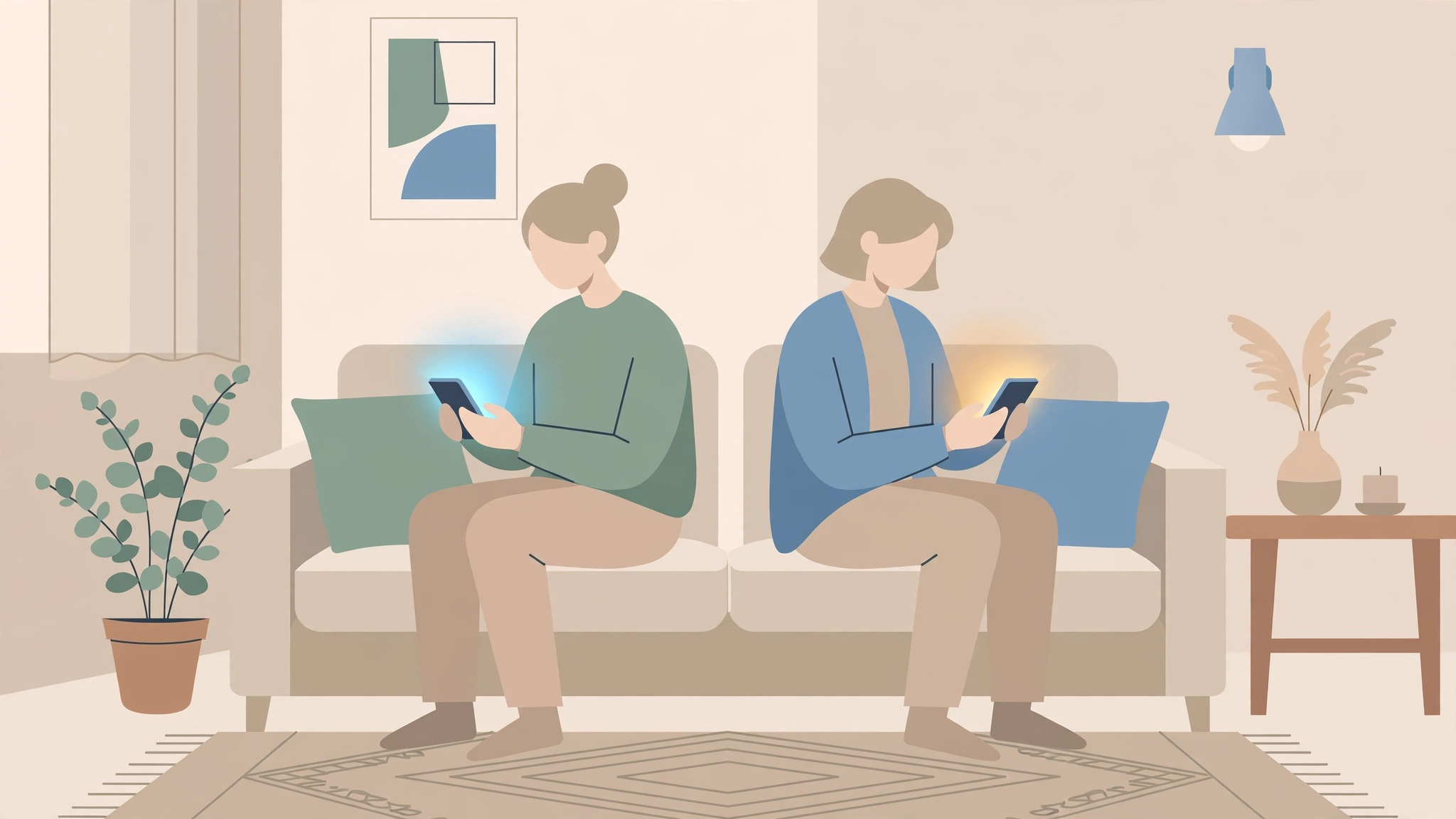
Porn and Relationships: What Research Actually Shows About the Effects
Few subjects create more confusion in committed relationships than pornography. Some couples treat it as a non-issue; for others, a single discovery feels like betrayal. So what do porn and relationships effects research actually show? The honest answer is more nuanced than either side usually admits: peer-reviewed studies do find consistent negative associations with relationship stability, but the size and direction of the effect depend heavily on frequency, context, values, and — crucially — how couples communicate about it. This guide reviews the evidence, explains the mechanisms clinicians see, and offers a practical way forward.
The rest of this article breaks down porn and relationships effects by mechanism, so you can weigh the evidence yourself.
Porn and Relationships Effects: What the Peer-Reviewed Research Shows
The scientific literature on porn and relationships effects is large but imperfect: most studies are correlational, rely on self-report, and cannot prove causation. Still, several large, well-designed studies are worth knowing about.
The relationship stability finding
A widely cited study published in the Journal of Sex Research by Willoughby and Dover analyzed data from more than 3,500 people in committed relationships across the United States. It found a moderate negative association between pornography use and relationship stability: higher reported use tracked with thinking the relationship might be in trouble, discussing ending it, and separating and getting back together. Notably, the association held regardless of gender, and both religiosity and perceived addiction magnified it. The authors’ conclusion was that pornography use functions as a risk factor for relationship stability — a real risk factor, not a guaranteed outcome.
That distinction sits at the heart of modern porn and relationships effects research.
The longitudinal divorce study
Perry and Schleifer’s 2018 longitudinal study (“Till Porn Do Us Part?”) followed 2,120 married adults from 2006 to 2014. The chance of divorce roughly doubled for men and women who began using porn after getting married: the overall divorce rate was 6 percent among non-users versus 11 percent among users. For women who started using porn, the rate nearly tripled (6 to 16 percent). Stopping use was associated with reduced divorce risk only for women in the sample. Longitudinal data like this is stronger than snapshots because it can show that use preceded the decline — though even here, unmeasured third factors cannot be ruled out.
The nuance most articles skip
Not all research points the same way. In a daily-diary study, researchers had couples record porn use and relationship feelings day by day. They found that porn use was essentially unrelated to day-to-day relationship satisfaction — neither clearly dragging it down nor compensating for deficiencies. Intriguingly, gender differences emerged: women were more likely to desire sex with their partner on days they had viewed porn, while men in mixed-sex relationships were less likely to have sex with their partners on porn-use days. This suggests pornography’s effects are not uniform — they vary by person, context, and relationship type.
These mixed findings are a reminder that porn and relationships effects are not one-size-fits-all.
Taken together, the research picture on porn and relationships effects is this: at the population level, heavier use is a consistent risk factor for lower stability and satisfaction, but individual couples experience very different outcomes. Understanding why helps couples respond constructively instead of panicking.
How Pornography Changes Expectations and Sexual Scripts
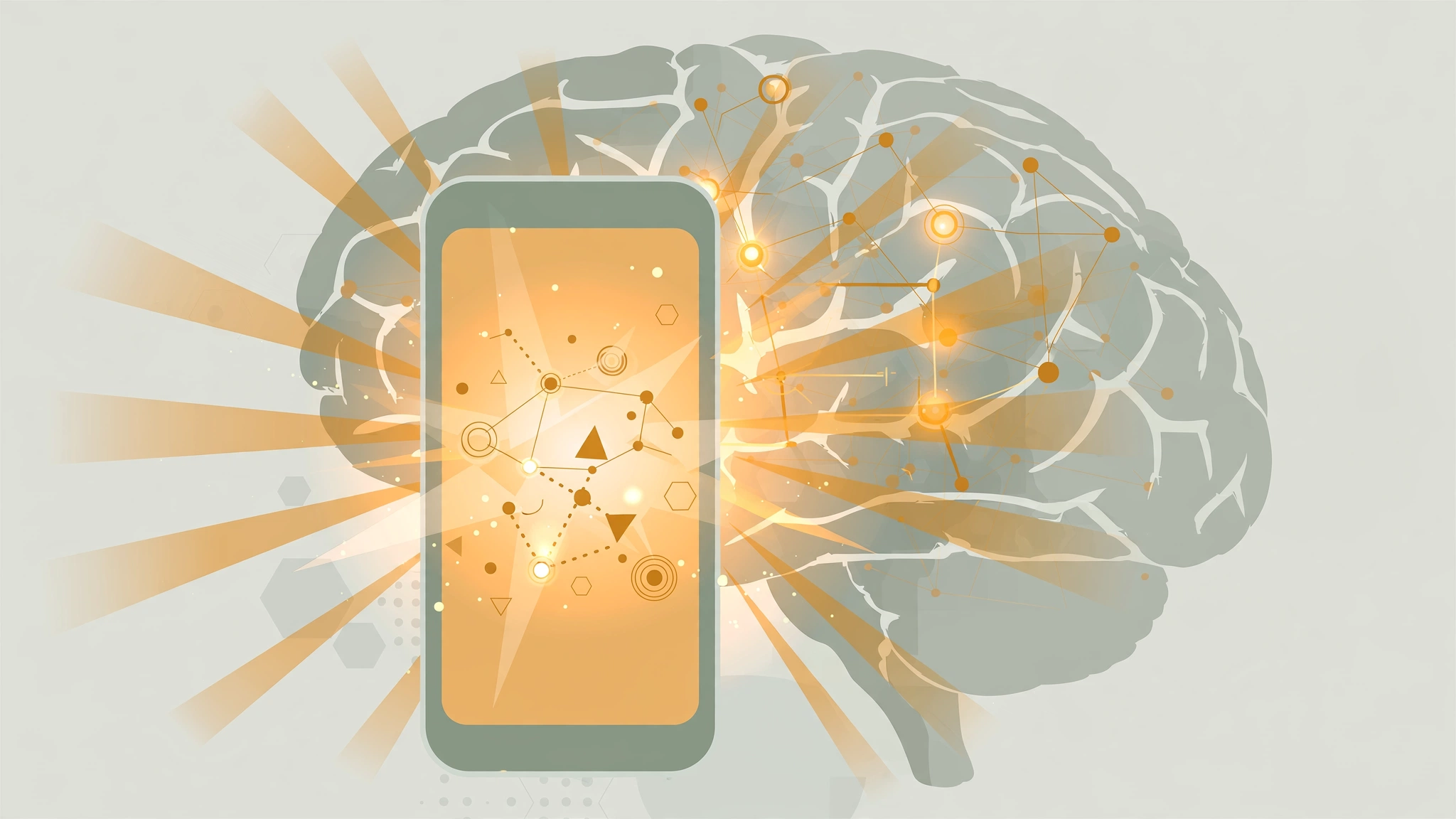
One of the most robust findings in the porn and relationships effects literature is that pornography reshapes what people expect from real sexual encounters. Researchers call these internalized templates “sexual scripts,” and porn scripts are notably unrealistic.
Body image distortion
Pornography overwhelmingly features atypical bodies — cosmetic surgery, specific body types, professional lighting, and selective camera angles. Regular exposure normalizes these manufactured standards. Research has found that men who frequently consume pornography rate their partners as less attractive and report lower sexual satisfaction, while partners who discover heavy use often internalize feelings of inadequacy. Both people in the relationship can end up hurt.
Body-image comparison remains one of the most underreported porn and relationships effects.
Performance pressure
Mainstream porn depicts choreographed, edited performances: instant arousal, no negotiation of boundaries, endless intensity. When these scenes become someone’s primary frame of reference, they create implicit expectations — that good sex should look effortless, that a partner should perform acts they never discussed, or that real-life encounters are somehow deficient. Clinicians report that this “performance script” is one of the most common complaints in couples counseling.
Clinicians now routinely screen for porn and relationships effects when couples report desire gaps.
Conditioned arousal patterns
Repeated porn use can condition arousal to specific cues — novelty, visual intensity, particular scenarios — that a real partner cannot replicate. Researchers describe a version of the “Coolidge effect”: sexual interest that rekindles with novelty. Over time, some users find they need more extreme content to feel aroused, or experience difficulty with partnered sex while having no difficulty alone. This is a neurological learning process, not a character flaw, and it is one reason clinicians treat compulsive use as a behavioral health issue rather than a moral one.
The Emotional Fallout: Secrecy, Shame, and Trust
In practice, clinicians studying porn and relationships effects report that the damage often comes less from the viewing itself than from what surrounds it: secrecy and broken agreements.
That surrounding context explains why porn and relationships effects feel so different from couple to couple.
Even in relationships where porn use is not explicitly forbidden, concealment almost always develops — cleared histories, hidden apps, defensiveness when asked. Partners who discover secret use consistently describe the discovery as a betrayal: “I’m not upset about the porn; I’m upset that you lied.” The deception forces a painful question: what else are they hiding?
Partners of compulsive users often describe symptoms resembling “betrayal trauma”: hypervigilance about devices, intrusive thoughts, loss of self-esteem, and anxiety or depression. These reactions deserve compassionate clinical attention, not dismissal — the pain is real whether or not the use meets any formal definition of addiction.
Meanwhile, users themselves often get trapped in a shame cycle: viewing, guilt, hiding, intensified shame, and returning to porn to escape the discomfort. Shame is a poor engine for change; it typically drives the behavior underground rather than resolving it.
Moral Incongruence: It’s Not Always About the Minutes
Here is a gap most popular articles miss entirely. A growing body of research led by Joshua Grubbs and colleagues finds that a large share of the distress around porn use is driven not by the amount watched but by moral incongruence — the conflict between the behavior and the person’s own values or religious beliefs. People who feel they are violating their own moral standards report the most distress, and they are the most likely to describe themselves as “addicted,” sometimes at viewing levels far below clinical thresholds.
This is a crucial nuance in porn and relationships effects research. Two partners may be reacting to entirely different problems: one reacting to perceived values betrayal, the other feeling shamed for a habit they do not consider harmful. The World Health Organization’s ICD-11 includes Compulsive Sexual Behaviour Disorder, a formal diagnosis with specific criteria (impaired control, continued use despite harm, functional impairment over months) — a much higher bar than feeling conflicted about occasional viewing. Knowing the distinction prevents couples from pathologizing normal behavior while still taking compulsive patterns seriously.
Disentangling personal values from actual behavior is central to porn and relationships effects counseling.
Solo Use, Shared Use, and Disclosure: The Context Most Guides Ignore
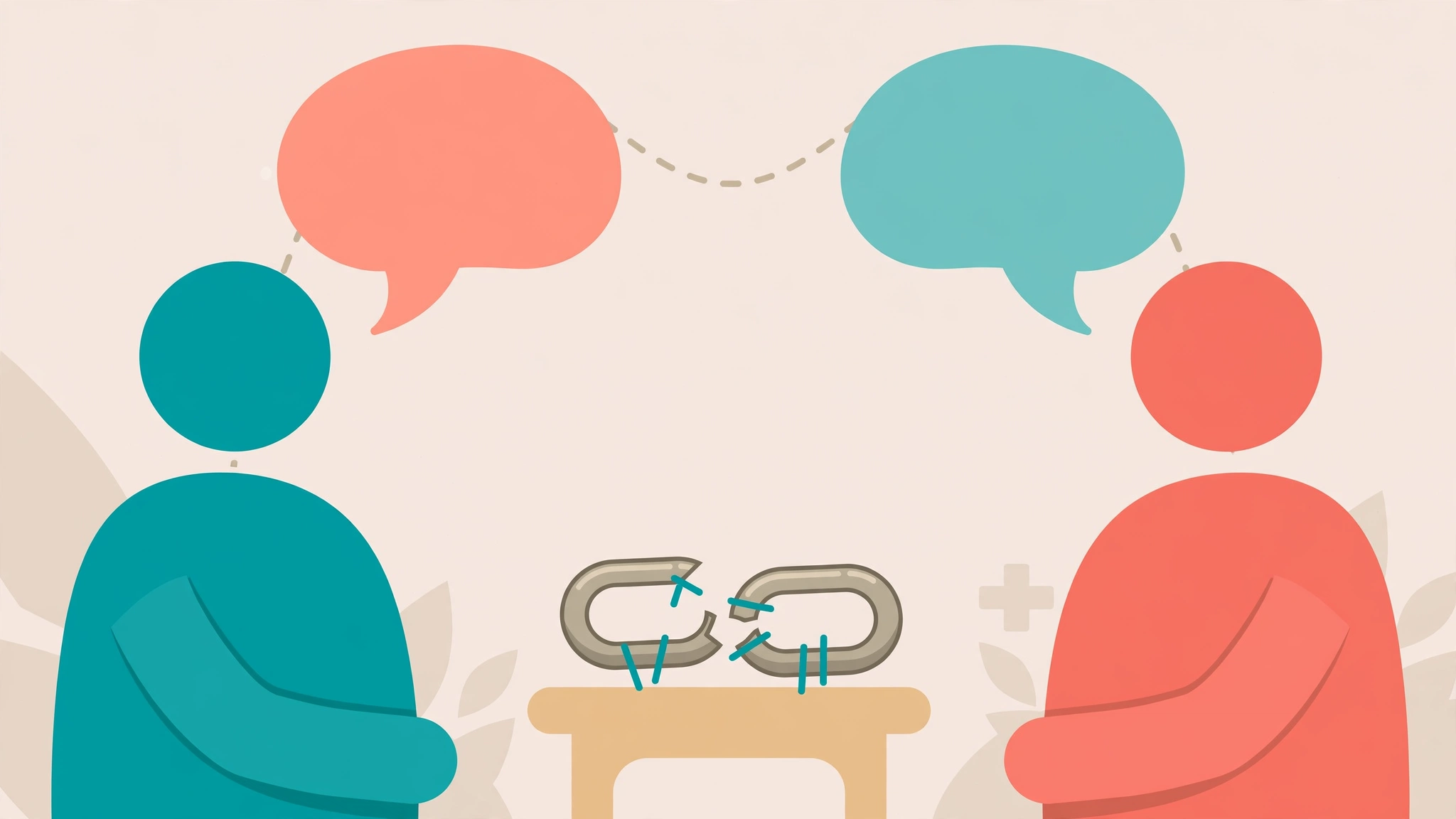
Another under-discussed finding in the porn and relationships effects literature comes from Campbell and Kohut’s 2017 review in Current Opinion in Psychology: how porn is used matters. Couples who view pornography together and communicate openly about it sometimes report neutral or even positive outcomes — it can prompt conversations about desires that rarely happen otherwise. Solo, secretive use is consistently associated with worse outcomes.
Similarly, how a partner learns about the use changes everything. Voluntary, calm disclosure before discovery tends to preserve more trust than being caught — discovery multiplies the betrayal. This is why therapists advise: if the use is bothering your partner or violating your agreements, bringing it up yourself is almost always better than waiting.
In practice, most productive conversations about porn and relationships effects begin with voluntary disclosure.
How to Talk About Porn as a Couple: A Practical Framework
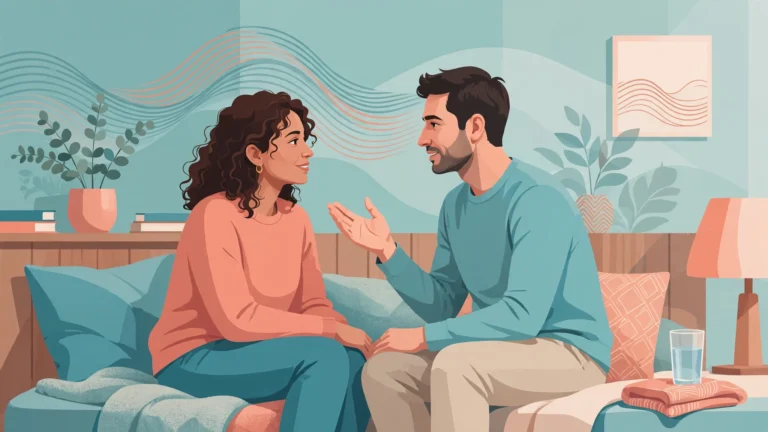
Difficult conversations about pornography go better with structure. Clinicians recommend the following approach:
Couples who discuss porn and relationships effects openly tend to reach agreements faster.
For the partner who uses porn
- Lead with honesty: Disclose the full extent of your use without minimizing. Partial honesty that later unravels does more damage than the original use.
- Listen without defensiveness: Your partner’s hurt is data, not an attack. Reflect back what you hear before responding.
- Take responsibility: Own your choices rather than blaming stress, your partner, or circumstances.
- Commit to concrete change: Vague promises fail. Agree on specific boundaries — written down — and demonstrate follow-through.
For the partner who is hurting
- Name your feelings clearly: “I feel betrayed because you hid this” is more productive than “you’re disgusting.”
- State your needs, not just your pain: What would help you feel safe going forward? Transparency? Agreed boundaries? Professional support?
- Give it time: Avoid ultimatums issued in the heat of the moment. Rebuilding trust is measured in months of consistent behavior.
- Seek your own support: A therapist, counselor, or trusted friend can help you process feelings that your partner cannot hold alone.
Agree on boundaries together
The healthiest question is not “is porn okay or not” in the abstract but “what works for us?” Some couples agree on occasional, transparent use that never replaces couple intimacy. Others agree on abstinence. What matters is that the agreement is genuinely mutual — not one partner pressuring the other into compliance — and that both people honor it. If desire levels already differ, our guide on mismatched libidos in marriage can help you address that underlying gap too.
When to See a Professional
Consider professional help — individually, as a couple, or both — if any of the following apply:
- Use continues despite repeated promises to stop or cut back.
- Viewing is escalating in frequency or intensity to achieve the same effect.
- Porn use is displacing sleep, work, responsibilities, or couple intimacy.
- One partner experiences persistent anxiety, depression, or obsessive thoughts after discovery.
- Attempts to discuss the issue reliably end in shouting, stonewalling, or threats.
A certified sex therapist, psychologist, or licensed couples counselor can assess whether the pattern meets criteria for compulsive sexual behavior and help design a recovery plan. The International Society for Sexual Medicine maintains clinician-reviewed educational resources on sexual health concerns. If you’re unsure whether the issue warrants professional help, our article on when to see a sex therapist walks through the signs in detail.
The porn and relationships effects research is clear on one point: untreated compulsive use and unresolved secrecy erode intimacy over time, while honest communication and appropriate professional help give couples their best chance of rebuilding it.
Addressing porn and relationships effects early gives couples the best chance of a full recovery.
FAQs
Below are answers to the questions people ask most often about porn and relationships effects, drawn from the research reviewed above.
The questions below cover the most common porn and relationships effects concerns.
Does porn automatically ruin relationships?
No. Population-level research finds heavier use is a risk factor for lower relationship stability, but outcomes vary widely. Occasional, transparent use that both partners genuinely accept is associated with far less harm than secretive or compulsive use. Context — frequency, honesty, shared values, and communication — determines the outcome more than the behavior alone.
This context-dependence is the single most important takeaway from porn and relationships effects science.
Is watching porn in a relationship cheating?
There is no universal answer; “cheating” is defined by the agreements a couple makes. Many partners experience secret porn use as a form of infidelity because sexual energy is directed elsewhere and trust is broken. The conflict usually stems from mismatched definitions. Couples should explicitly discuss where their boundaries around pornography, erotic material, and secrecy lie.
Can porn cause erectile dysfunction or low desire?
Some heavy users report difficulty with partnered arousal while functioning fine alone, which clinicians attribute to conditioned arousal patterns — the brain learns to respond to screen-based novelty rather than a partner. This differs from medical erectile dysfunction. A urologist or sex therapist can help distinguish the two, since cardiovascular, hormonal, and psychological causes must be ruled out first.
Can couples watch porn together?
Research reviews suggest that when both partners genuinely agree, use is occasional, and it sparks open communication about desires, shared viewing is not associated with the same harms as solo secretive use. The key conditions are authentic mutual consent (not one partner pressuring the other), transparency, and that it never replaces couple intimacy or violates agreed boundaries.
How do I tell my partner I watch porn?
Choose a calm, private moment — not during or right after an argument. State plainly what you do and how often, acknowledge why it might hurt them, and listen without defensiveness. Voluntary disclosure before discovery preserves far more trust than being caught. End by proposing boundaries you can both accept, then follow through.
When does porn use become a clinical problem?
Professionals look for impaired control (unsuccessful efforts to stop), escalation, continued use despite clear harm to relationships or work, and functional impairment lasting months — the WHO’s ICD-11 Compulsive Sexual Behaviour Disorder criteria. Guilt about occasional viewing does not equal addiction. If the pattern fits, a licensed therapist or sex counselor is the appropriate next step.
This article is for educational purposes only and is not medical advice. Pornography’s effects on relationships vary by individual and couple, and research findings cannot diagnose or predict any specific person’s situation. If you or your partner are struggling, please consult a qualified healthcare professional, licensed therapist, or certified sex counselor. If you are in crisis, contact your local mental health helpline.
Porn and relationships effects research is still evolving; these findings reflect the best current evidence.
Talk to a counselor or explore our related guides to keep building a healthier intimate life — honest conversation is always the best place to start.
Honest dialogue remains the strongest antidote to porn and relationships effects on trust.