Diet and Libido: Foods That Support Sexual Health
No single meal can turn desire on like a switch. But the science is now clear: the overall connection between diet and libido is real, measurable, and stronger than most people realize. What you eat shapes your hormones, your blood flow, your energy, and even your mood — and every one of those systems feeds directly into sexual desire and function.
The good news? Improving the diet and libido connection in your own life does not require exotic superfoods or expensive supplements. It requires understanding a few key nutrients, choosing the right everyday foods, and avoiding the dietary habits that quietly drain desire.
The Science Behind Diet and Libido: How Food Shapes Desire
Sexual desire is not just a matter of psychology or chemistry in the brain. It is a whole-body process, and nutrition touches nearly every step of it. Researchers studying the diet and libido connection have identified at least four biological pathways through which food influences sexual health:
1. Hormone production. Sex hormones such as testosterone and estrogen are built from cholesterol, and their production depends on dietary fats and specific minerals. Zinc, for example, helps regulate testosterone levels in both men and women. When zinc intake is low, hormone balance can suffer — and desire often drops with it. Healthy fats from sources like olive oil, nuts, and fish provide the building blocks hormones need.
2. Blood flow and circulation. Sexual arousal — in all bodies — depends on healthy blood flow. Certain amino acids and dietary nitrates help the body produce nitric oxide, a molecule that relaxes blood vessel walls and improves circulation. Foods rich in L-citrulline, L-arginine, and natural nitrates directly support this pathway, which is one of the most evidence-backed links in diet and libido research.
3. Energy and metabolism. Fatigue is one of the most common libido killers reported in clinical practice. Diets high in refined sugar and ultra-processed foods cause blood-sugar spikes and crashes, chronic low-grade inflammation, and weight gain — all of which are associated with lower desire. Stable energy from whole foods, by contrast, keeps both body and mind ready for intimacy.
4. Mood, stress, and the brain. The gut-brain axis is real: a healthy diet supports serotonin and dopamine production, while chronic inflammation from poor nutrition has been linked to depression and anxiety — two of the biggest psychological barriers to desire. Dark chocolate, for instance, contains compounds that support endorphin release, which is one reason it has earned its romantic reputation.
Key Nutrients That Support a Healthy Libido
Before reaching for any “aphrodisiac,” it helps to understand which nutrients actually matter for sexual health. Understanding these building blocks is the foundation of any diet and libido plan that actually works — and clinicians and dietitians consistently point to the following:
- Zinc: Essential for testosterone regulation and reproductive function in both sexes. Oysters are the richest dietary source, but beef, pumpkin seeds, chickpeas, and spinach all contribute meaningful amounts.
- L-arginine and L-citrulline: Amino acids that the body converts into nitric oxide, improving blood flow. Found in watermelon (especially the rind and white flesh), nuts, seeds, and legumes.
- Omega-3 fatty acids: Found in salmon, sardines, walnuts, and flaxseeds. They support cardiovascular health and reduce inflammation, both of which underpin healthy sexual function.
- Antioxidants and flavonoids: Berries, dark chocolate, pomegranate, and colorful vegetables protect blood vessels from oxidative damage and support circulation.
- Magnesium: Plays a role in testosterone regulation, muscle function, and nerve transmission. Leafy greens, almonds, bananas, and dark chocolate are good sources.
- Vitamin E: An antioxidant that supports blood flow and, in some studies, sperm quality. Avocados, sunflower seeds, and almonds are rich in it.
- B vitamins and iron: Especially relevant for women — iron deficiency and low B12 can cause fatigue that quietly erodes desire. Lean meats, lentils, eggs, and fortified whole grains help close the gap.
What Clinical Trials Say: The Mediterranean Diet and Sexual Function
Most articles about diet and libido stop at listing individual foods. But the strongest scientific evidence is not about any single food — it is about overall eating patterns. And when it comes to diet and libido, one eating pattern stands out above the rest: the Mediterranean diet.
In a 2021 study published in JAMA Network Open, researchers found that men with erectile dysfunction who adhered more closely to a Mediterranean-style diet had measurably better erectile function. Other trials have linked the same eating pattern — rich in vegetables, fruits, whole grains, legumes, nuts, olive oil, and fish, with limited red meat and processed foods — to improved sexual function scores in women as well, and to lower rates of metabolic syndrome, a known driver of low desire in both sexes.
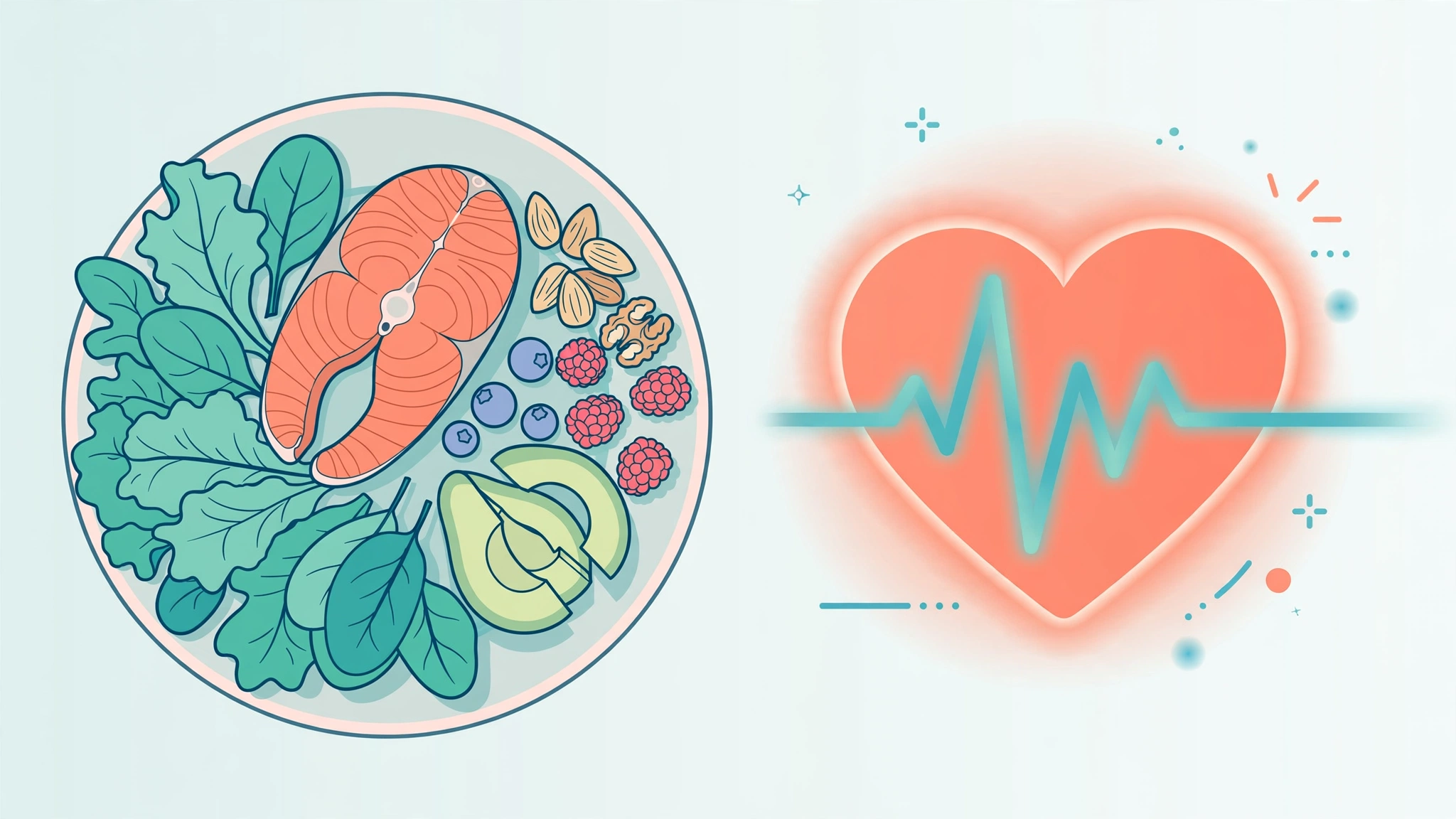
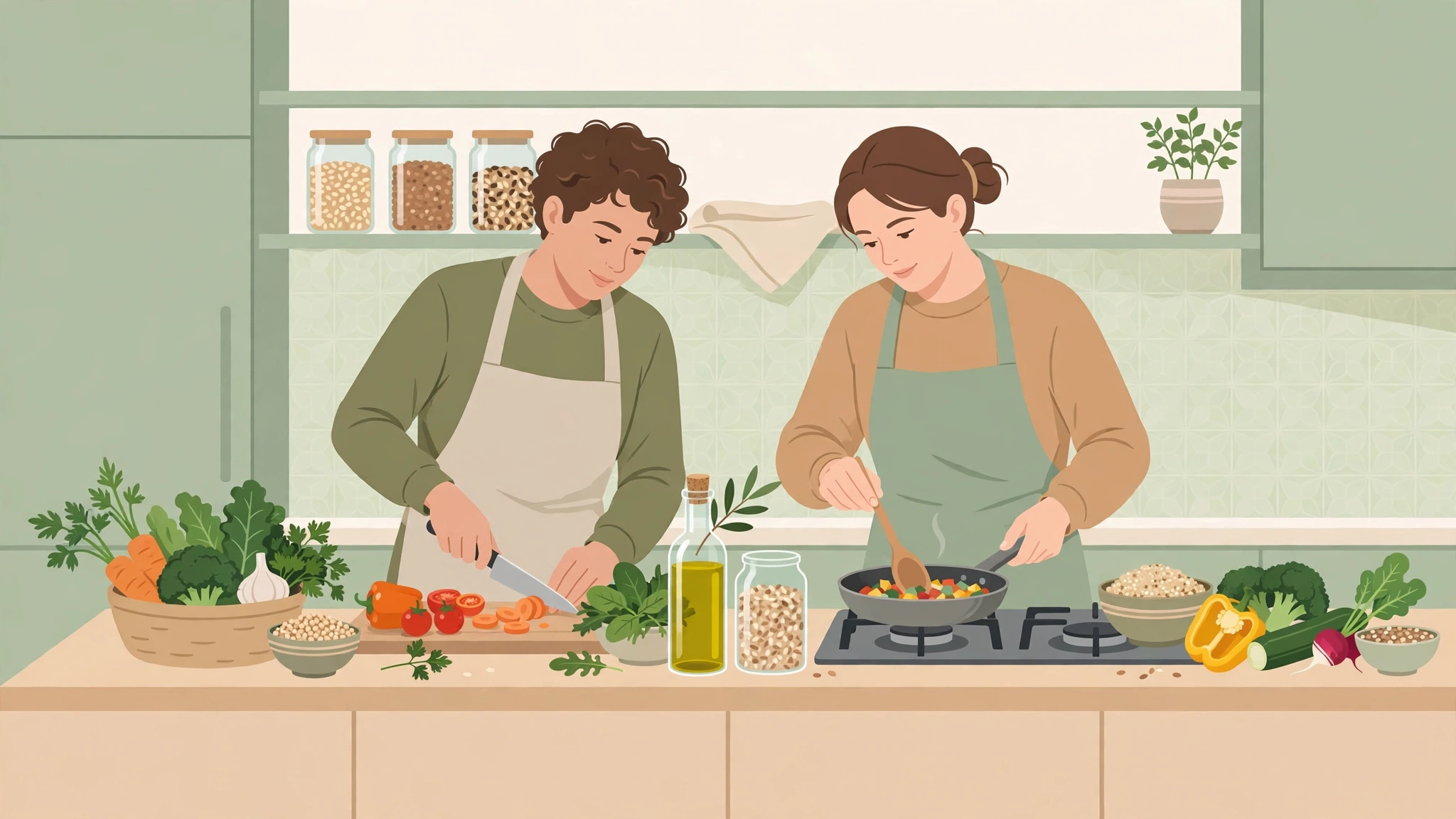
Why does it work? The Mediterranean pattern delivers almost everything the four pathways above need: healthy fats for hormone production, nitrates and antioxidants for blood flow, fiber and whole foods for stable energy, and anti-inflammatory nutrients for mood. Doctors often recommend it not as a “libido diet” but as the eating pattern with the broadest cardiovascular and metabolic evidence — and sexual function, which depends on the same vascular system, benefits as a natural consequence.
If you want one evidence-based takeaway from this article, it is this: rather than chasing exotic aphrodisiacs, adopt a Mediterranean-style way of eating. It is the closest thing nutrition science has to a proven foundation for sexual health — and it is why the Mediterranean pattern keeps appearing in diet and libido research as the gold standard.
Foods That Support Sexual Desire
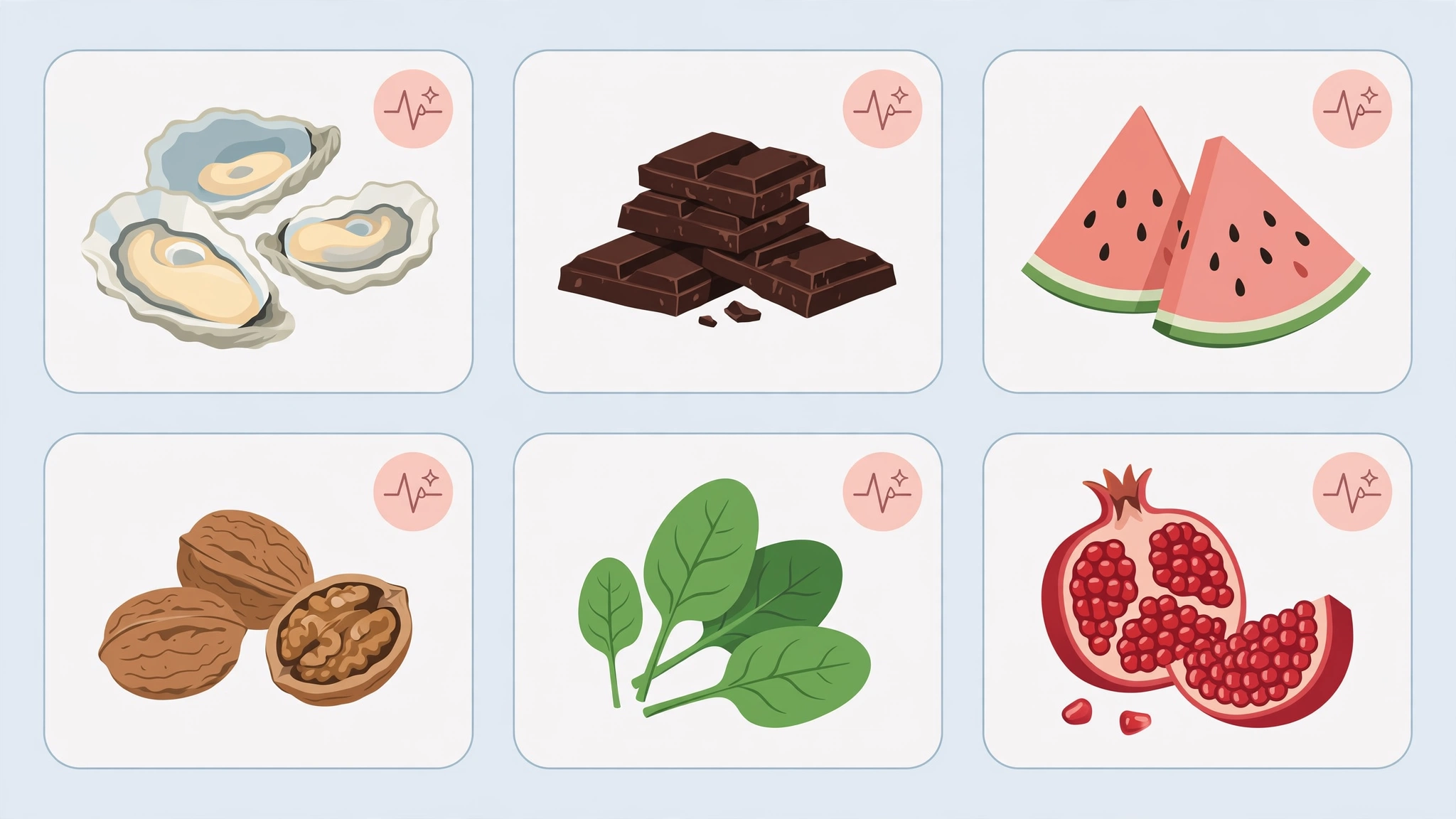
Here are the foods with the best combination of traditional reputation and modern nutritional evidence for diet and libido support:
| Food | Key nutrients | Why it helps |
|---|---|---|
| Oysters | Zinc, protein | Richest dietary zinc source; supports testosterone regulation |
| Watermelon | L-citrulline | Converts to nitric oxide, supporting blood flow |
| Dark chocolate (70%+) | Flavonoids, magnesium | Antioxidants support circulation; compounds support mood |
| Salmon and sardines | Omega-3s, vitamin D | Heart and vessel health; anti-inflammatory |
| Avocado | Vitamin E, healthy fats | Hormone building blocks; blood-flow support |
| Nuts and seeds | Arginine, zinc, magnesium | Vascular relaxation; hormone support |
| Leafy greens | Nitrates, magnesium, folate | Natural nitrates aid circulation |
| Pomegranate | Antioxidants | Studied for effects on blood flow and erectile function |
| Berries | Flavonoids, vitamin C | Vascular protection; energy support |
| Eggs | B vitamins, protein | Sustained energy; hormone precursors |
A few notes on the classics. Oysters earned their aphrodisiac reputation honestly — their zinc content is unmatched, and zinc deficiency genuinely impairs sexual function. But oysters are not magic; any zinc-rich food provides the same mineral. Watermelon has been called “nature’s Viagra” because of its L-citrulline content, and a small 2011 study at the University of Foggia found citrulline supplementation improved mild erectile dysfunction in about half the participants. Promising — but dietary watermelon delivers far less citrulline than a supplement, so think of it as supportive, not therapeutic. Dark chocolate deserves its romantic status for real reasons: flavonoids that support blood vessels and compounds that nudge feel-good brain chemistry.
Foods and Habits That Can Lower Libido
Just as some foods support desire, others actively work against it. Doctors counseling patients about diet and libido consistently flag these:
- Ultra-processed foods and refined sugar: Spike blood sugar, promote inflammation and weight gain, and are linked to hormonal disruption. Diets heavy in processed foods are associated with higher rates of erectile dysfunction.
- Excess alcohol: A glass of wine may lower inhibitions, but heavy drinking suppresses testosterone, dulls arousal, and impairs performance. The Mayo Clinic notes that too much alcohol directly affects sex drive.
- Very high-sodium diets: Chronic excess salt contributes to high blood pressure, which damages the blood vessels that sexual function depends on.
- Trans fats and fried foods: Linked to poor cardiovascular health and reduced circulation — bad news for arousal in every body.
- Crash dieting and severe calorie restriction: Eating too little tanks energy, disrupts hormones (including leptin and testosterone), and almost always lowers desire. A libido-supportive diet is never a starvation diet.
Smoking deserves a mention here too: it damages blood vessels and reduces blood flow, which dulls arousal — and no food can fully compensate for it.
The Overlooked Connection: Vitamin D, Gut Health, and Hormones
Two nutritional factors rarely appear in articles about diet and libido, yet both have growing scientific support:
Vitamin D. Multiple observational studies have linked vitamin D deficiency to lower testosterone levels in men and to sexual dysfunction more broadly. Vitamin D functions almost like a hormone in the body, and receptors for it are found in reproductive tissues.
Fatty fish, egg yolks, and fortified foods provide dietary vitamin D, but sensible sun exposure remains the main source for most people. If you spend most of your time indoors, this is worth discussing with your doctor — a simple blood test can reveal a deficiency that may be affecting both your health and the diet and libido connection.
Gut health and inflammation. The gut microbiome influences how the body handles inflammation and even how it metabolizes estrogen. Chronic, diet-driven inflammation — from excess sugar, alcohol, and processed foods — is increasingly recognized as a background factor in fatigue, depression, and hormonal disruption, all of which suppress desire. Fermented foods such as yogurt, kefir, and kimchi, plus fiber-rich vegetables and legumes, support a healthier gut environment. It is an indirect pathway, but for couples where stress, low energy, and poor digestion travel together, it may be a meaningful one.
A Sample Day of Libido-Supportive Eating
Theory is useful; a plate is better. Here is what a day of eating that supports diet and libido goals can look like — Mediterranean-style, realistic, and built from the nutrients above:
- Breakfast: Greek yogurt with mixed berries, walnuts, and a drizzle of honey; a boiled egg on the side. (Protein, probiotics, flavonoids, zinc, B vitamins.)
- Mid-morning snack: A small handful of almonds and a square or two of 70%+ dark chocolate.
- Lunch: Large salad with spinach, chickpeas, avocado, cherry tomatoes, olive oil, and lemon; a slice of whole-grain bread. (Nitrates, folate, healthy fats, fiber.)
- Afternoon snack: Watermelon slices or a pomegranate, with pumpkin seeds.
- Dinner: Grilled salmon with roasted vegetables and quinoa. (Omega-3s, vitamin D, magnesium, complete protein.)
- Evening: Herbal tea — and keep alcohol to one drink or none.
Notice what is missing: no exotic powders, no expensive supplements, nothing you cannot find in an ordinary grocery store. Consistency matters far more than any single ingredient — researchers emphasize that the benefits of a diet and libido-friendly eating pattern build over weeks and months, not hours.
When Food Isn’t Enough: Talk to Your Doctor
Diet is a powerful foundation for the diet and libido connection, but it is not a cure-all. If low desire persists despite healthy habits, it may signal something that food cannot fix on its own — hormonal conditions, medication side effects, depression, sleep apnea, or relationship stress. The Mayo Clinic advises seeing a doctor if loss of sex drive is sudden, distressing, or accompanied by other symptoms such as fatigue, erectile difficulties, or pain during sex.
A clinician can check hormone levels, review your medications, and rule out medical causes — read our guide to the common causes of low libido worth ruling out first to know what to expect. Women experiencing desire changes related to hormonal shifts may also find our guide to hormones and female libido helpful background before that conversation. For a balanced overview of what the evidence actually supports, the Cleveland Clinic’s explainer on aphrodisiacs is also worth a read, and the Mayo Clinic’s page on causes of low sex drive lists the medical factors doctors look for first. Whatever your situation, combining professional care with a diet and libido-friendly eating pattern gives you the best of both worlds.
FAQs
Can changing my diet really improve my libido?
Yes — within realistic limits. No food works like a drug, but diet and libido research shows that overall dietary patterns, especially the Mediterranean diet, are associated with better sexual function in both men and women. Nutrients like zinc, omega-3s, and dietary nitrates support the hormones, blood flow, and energy that desire depends on. Expect gradual improvement over weeks, not overnight transformation.
What foods kill libido the fastest?
The biggest offenders are diets high in ultra-processed foods and added sugar, which promote inflammation, weight gain, and blood-sugar crashes — all linked to lower desire. Excess alcohol suppresses testosterone and dulls arousal, while very high sodium intake harms the blood vessels arousal depends on. Crash dieting also tanks libido by disrupting hormones and energy.
Does watermelon really work like Viagra?
Not exactly. Watermelon contains L-citrulline, an amino acid the body converts into nitric oxide, which relaxes blood vessels and supports blood flow — the same general pathway erectile medications target. A small 2011 study found citrulline supplements helped some men with mild erectile dysfunction. But eating watermelon delivers far less citrulline than a supplement, so consider it supportive rather than therapeutic.
Do oysters and other aphrodisiacs actually work?
Partially. Oysters are genuinely rich in zinc, a mineral essential for testosterone regulation, so they can help if your diet is zinc-deficient. Dark chocolate’s flavonoids support circulation and its compounds nudge mood chemistry. But no single “aphrodisiac” food has strong evidence of boosting desire on its own — the effect comes from a consistently nutrient-rich diet, not one romantic dinner.
How long does it take for diet changes to affect libido?
Most nutrition researchers suggest allowing at least 4 to 12 weeks of consistent healthy eating before judging the effect on desire. Hormone balance, vascular health, and energy levels shift gradually. If you have not noticed any change after three months of solid nutrition, sleep, and exercise habits, it is worth talking to your doctor about other possible causes.
Should I take zinc or other supplements for my sex drive?
Supplements help mainly when you are genuinely deficient — zinc supplementation can support testosterone in men with low zinc status, for example. But more is not better: excessive zinc can cause copper deficiency and other problems. Doctors generally recommend getting nutrients from food first and only supplementing after a blood test confirms a deficiency. Never start hormone-related supplements without medical guidance.
Medical disclaimer: This article is for educational purposes only and is not medical advice. Nutrition affects everyone differently, and persistent changes in sexual desire can have medical, psychological, or medication-related causes. Always consult a qualified healthcare professional before making significant dietary changes or starting supplements, and see your doctor if you have concerns about your sexual health.