Pelvic Floor Physical Therapy: What to Expect
If you have ever leaked urine when you laugh, struggled with persistent constipation, felt pelvic pressure or heaviness, or experienced pain during intimacy, you may have a pelvic floor problem. Pelvic floor physical therapy is a specialized, evidence-based rehabilitation treatment for these issues, and it is one of the first treatments doctors recommend before medication or surgery.
Yet many people put off going because they do not know what happens behind the clinic door. Will the exam be painful? Is the assessment private? How many sessions will it take? This guide walks you through exactly what pelvic floor physical therapy involves, who it helps, how to prepare for your first visit, what treatments you will receive, how long results typically take, what it costs, and how to find a qualified therapist.
What Is Pelvic Floor Physical Therapy?
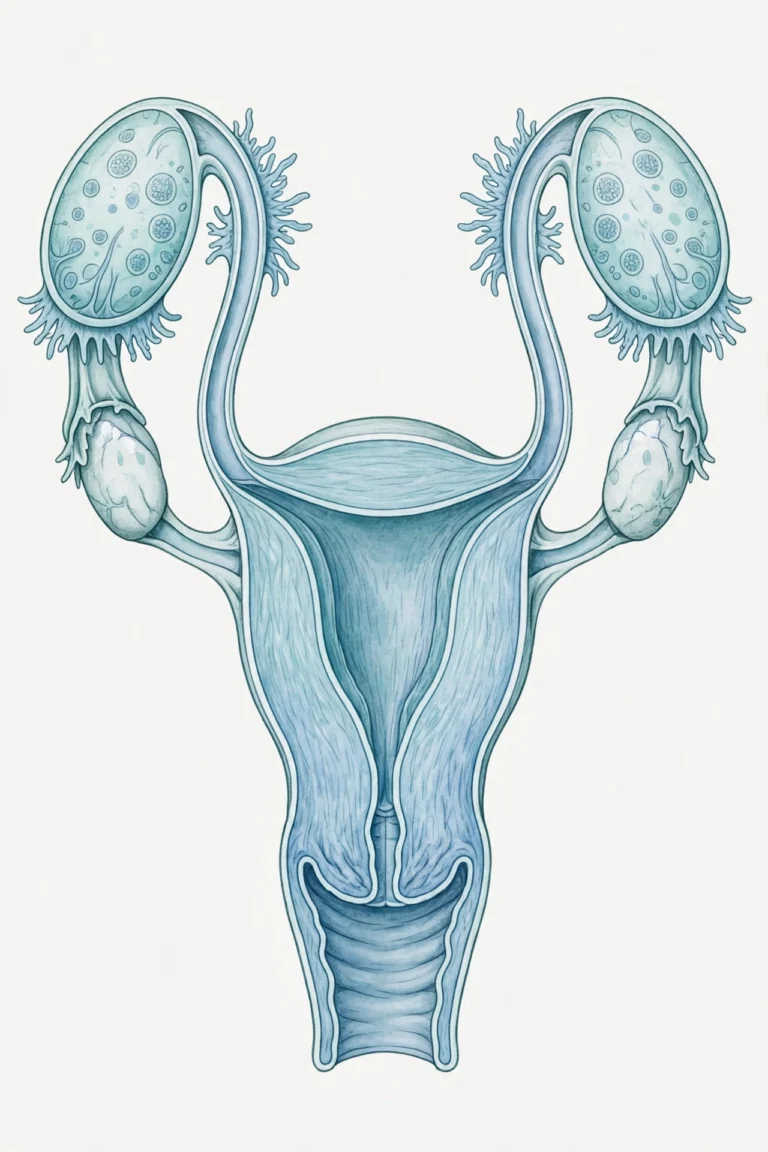
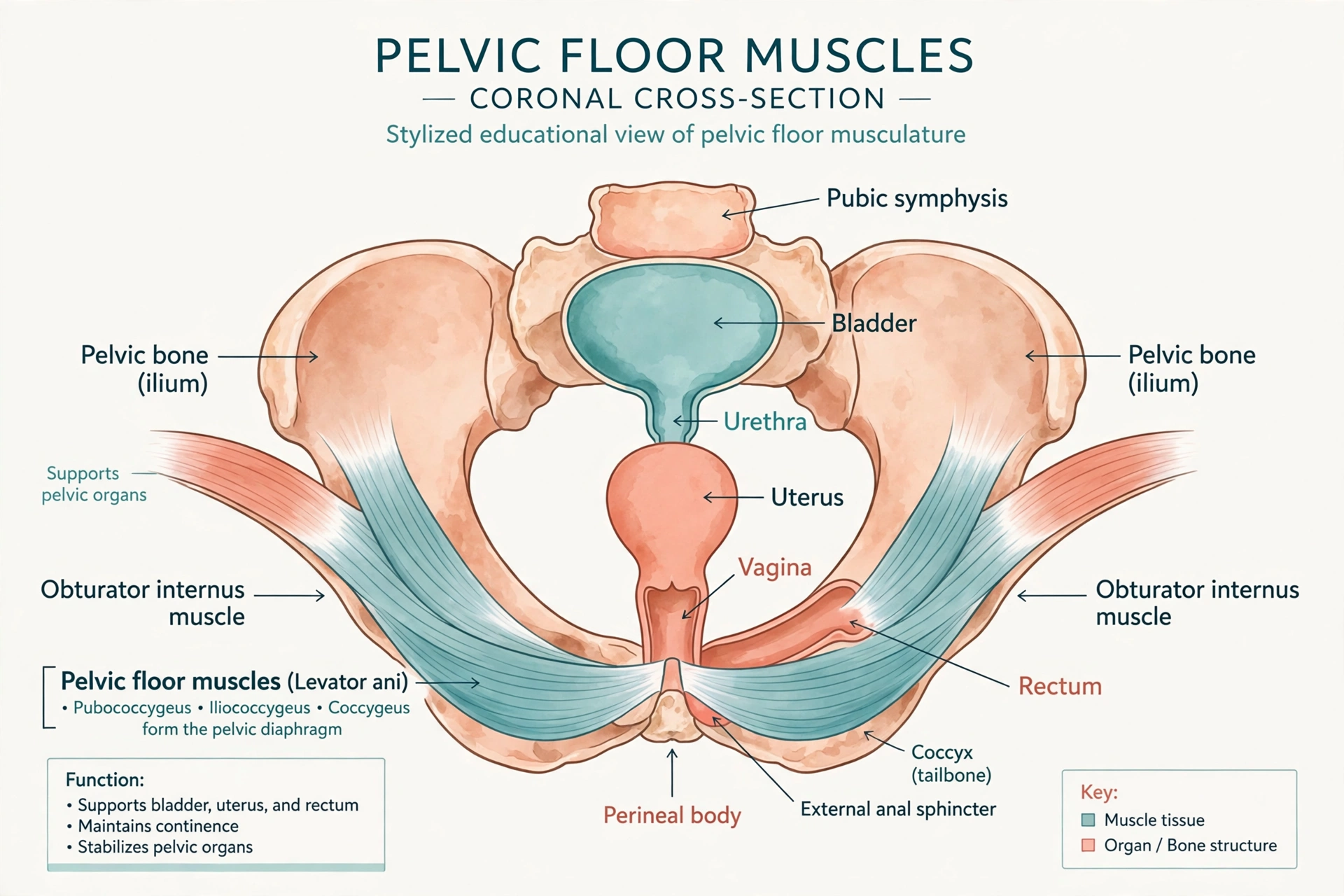
The pelvic floor is a group of muscles, ligaments, and connective tissues that stretches like a hammock across the bottom of your pelvis. It supports the bladder, bowel, and reproductive organs, helps you control urination and bowel movements, and plays a role in sexual function. When these muscles become too weak, too tight, or poorly coordinated, symptoms such as incontinence, pelvic pain, constipation, or prolapse can develop.
Pelvic floor physical therapy is delivered by a physical therapist (PT) with advanced training in pelvic health. Unlike a general physical therapist who treats knees or backs, a pelvic floor PT specializes in the muscles and structures of the pelvis, and works with people of all genders. A key point that surprises many patients: pelvic floor problems are not always about weakness. In many cases the muscles are too tight and cannot relax, which is why a generic “just do more Kegels” approach can make some conditions worse.
Your therapist’s first job is a detailed assessment to determine whether your pelvic floor muscles are weak, overactive, uncoordinated, or a combination of these, and then to build a treatment plan around that finding.
Who Can Benefit From Pelvic Floor Physical Therapy?
Pelvic floor physical therapy is a first-line treatment for a wide range of conditions. You may benefit if you experience any of the following:
- Urinary incontinence: leaking urine when coughing, sneezing, laughing, or exercising (stress incontinence), or sudden strong urges to urinate that are hard to delay (urge incontinence).
- Fecal incontinence: difficulty controlling gas or bowel movements.
- Pelvic organ prolapse: a sensation of heaviness, pressure, or a bulge in the pelvis, common after vaginal childbirth, with chronic constipation, or with aging.
- Chronic constipation: straining, incomplete emptying, or infrequent bowel movements, sometimes caused by pelvic floor muscles that fail to relax during defecation.
- Pelvic or genital pain: persistent pelvic pain, tailbone pain, or pain with prolonged sitting.
- Pain with intimacy: conditions such as vaginismus or other pelvic muscle-related sexual pain can respond well to supervised pelvic floor rehabilitation.
- Erectile difficulties linked to pelvic floor dysfunction: the pelvic floor muscles contribute to erectile function, and targeted training can help some men.
- Recovery after childbirth: weakness, tearing, or persistent pain following delivery.
- Recovery after prostate surgery: pelvic floor therapy is commonly recommended to restore bladder and bowel control after prostate procedures.
Related reading: urinary incontinence and how it can affect your sex life, and vaginismus: symptoms and treatment options.
Before Your First Visit: How to Prepare
A little preparation makes the first appointment smoother and helps your therapist build the most accurate plan. Here is what most pelvic floor clinics recommend:
- What to wear: comfortable, loose-fitting clothing you can move in, such as sweatpants or shorts and a T-shirt. Your therapist may ask you to squat, lunge, or walk. Avoid one-piece outfits if you can.
- Bring your medical information: a list of current medications, relevant medical and surgical history, and any related imaging reports (for example, pelvic ultrasound or MRI).
- Keep a short symptom diary: for a few days beforehand, note when symptoms occur, what triggers them, and how they affect daily life. Details like “leak when I run” or “pain after sitting two hours” are far more useful than a general description.
- Do not “test yourself” beforehand: avoid trying Kegel exercises or stretching routines from the internet before your assessment. Practicing the wrong technique can mask what your therapist needs to see.
- Arrive normally: there is no special fasting or preparation required. If you are concerned about leaking during the visit, that is completely normal and expected; clinics plan for it.
- You may bring a companion: if having a partner, friend, or family member in the room helps you feel comfortable, most clinics allow it.
What Happens During Your First Session
A first visit typically lasts 45 to 60 minutes and takes place in a private treatment room, not a shared gym floor. It is unhurried by design. Most clinics structure it like this:
A thorough conversation
Your therapist will take a detailed history that goes well beyond the current complaint. Expect questions about bladder and bowel habits, menstrual or obstetric history, sexual health, surgeries, falls or injuries, activity level, stress, and diet. This may feel personal, but these details are exactly what allow the therapist to connect symptoms to their cause.
An external examination
Before anything pelvic-specific, the therapist usually assesses the whole body, because the pelvic floor does not work in isolation. This may include a standing movement screen, watching how you squat or lunge, checking range of motion and strength in the hips, lower back, and abdomen, and palpating muscles externally to find areas of tightness or tenderness.
The internal pelvic floor assessment
An internal assessment may be done vaginally or rectally, depending on your anatomy, symptoms, and comfort level. It is performed with a gloved finger and water-based lubricant, on a treatment table, with a sheet for draping. It is not a gynecological exam: there are no stirrups and no speculum.
The therapist slowly assesses the strength, endurance, coordination, and tension of the pelvic floor muscles, and checks for tender spots or trigger points that reproduce your pain. Crucially, this exam is always based on explicit consent. It is not mandatory on the first visit, it may be postponed until you feel ready, and many patients can make significant progress with external techniques and exercises alone. You can pause or stop the exam at any point.
Education and goal setting
At the end of the visit, your therapist will explain what they found in plain language, outline a diagnosis and prognosis, and work with you to set goals. Many therapists also provide some treatment on day one, so you leave with a clear next step.

Common Treatments Used in Pelvic Floor Physical Therapy
Your plan will be individualized, but most treatment programs draw from the following tools:
Targeted exercises
For weak pelvic floor muscles, your therapist will teach strengthening exercises such as Kegels, with specific hold times, repetitions, and progressions based on what you can actually do. Technique matters enormously, and research notes that Kegels work best when taught by a professional and reinforced with biofeedback. For more on getting the technique right, see our guide on common Kegel exercise mistakes and the benefits of pelvic floor exercises.
For tight, overactive pelvic floor muscles, the focus is the opposite: breathing techniques, relaxation training, and stretches that teach the muscles to release. Many patients are surprised to learn that their pelvic floor needs to learn to relax, not to squeeze harder.
Manual therapy
Hands-on treatment may include soft-tissue massage, myofascial release, and internal trigger point release: gentle pressure applied with a lubricated, gloved finger to tight or painful muscle bands inside the pelvic floor, helping them release.
Biofeedback
Biofeedback uses small sensors, sometimes a sensor probe placed vaginally or rectally, connected to a monitor that shows when your pelvic floor muscles contract and relax. This real-time feedback is especially helpful because these muscles are hard to feel from the outside, and it teaches you what true relaxation feels like.
Electrical stimulation
Low-level electrical stimulation can gently activate weak pelvic floor muscles and help the brain and muscles “reconnect.” Patients typically describe it as a mild tingling sensation rather than pain. It is usually combined with exercises and biofeedback rather than used alone.
Education and lifestyle changes
Expect guidance on bladder habits (such as timed voiding), bowel habits and defecation posture, managing constipation through diet and fiber, avoiding bladder irritants, stress management, and lifting and exercise modifications.
What Do Follow-Up Visits Look Like?
After the first visit, follow-up sessions are usually shorter, often 30 to 45 minutes: a brief check-in on how your symptoms and home exercises went, hands-on treatment or guided exercise work targeting that week’s goals, and a review or update of your home program.
Over time, the emphasis shifts. Early visits focus more on assessment, hands-on techniques, and learning the basics. Later visits become more exercise- and independence-focused, with your therapist checking your technique, progressing difficulty, and preparing you to maintain results on your own. Most clinics schedule visits once a week at the start, then space them out as you improve.
How Long Does Pelvic Floor Physical Therapy Take to Work?
This is one of the most common questions, and the honest answer is that it depends on the condition, its severity, and your consistency with the home program. A general timeline many clinics describe:
- Weeks 1-4: learning correct technique, calming irritated tissues, and building body awareness. Some patients notice small improvements in this window.
- Weeks 4-8: noticeable symptom changes for many conditions, as strength, coordination, and tissue tolerance improve.
- Weeks 8-16: significant functional gains for most patients, with treatment spaced out as independence grows.
Some people need only a handful of sessions; others, particularly with chronic pain or complex histories, may need several months. Progress is rarely a straight line, and temporary flare-ups do not mean treatment is failing. Your therapist should be tracking objective measures, such as muscle strength, endurance, or validated symptom scores. If you are not making progress after a reasonable trial, a good therapist will say so and refer you back to your physician for re-evaluation rather than continuing indefinitely.
Do You Need a Referral? Costs and Insurance
In many regions, physical therapists can see patients through “direct access,” meaning you can book without a doctor’s referral. However, insurance policies vary: some plans require a referral or prior authorization, and pelvic floor therapy is often subject to the same copays and visit limits as any physical therapy.
Practical steps before you book:
- Call your insurance provider and ask whether physical therapy is covered, whether a referral is required, and what your per-visit copay or deductible will be.
- Ask the clinic whether it is in-network with your plan, and whether it bills insurance directly or provides documentation for you to submit.
- If you are paying out of pocket, ask about package rates or payment plans; many pelvic health clinics offer them.
- Check whether the clinic has a cancellation policy, since visits are often 45-60 minutes and booked weeks ahead.
Getting a physician’s evaluation first is still wise if you have not had one, because pelvic symptoms can mimic other conditions affecting the urinary, gastrointestinal, or reproductive systems.
How to Find a Qualified Pelvic Floor Physical Therapist
Not every physical therapist is trained in pelvic health, so this choice matters. Look for:
- Specialized training: ask whether the therapist has completed postgraduate coursework or certifications in pelvic floor rehabilitation, such as board certification in pelvic health physical therapy or women’s health clinical specialization.
- Dedicated pelvic caseload: a therapist who treats pelvic floor conditions daily is preferable to one who sees the occasional case.
- Private treatment rooms: confirm that internal assessments and treatments happen in a private room, not a curtained gym bay.
- A whole-body, consent-based approach: a good first-visit evaluation covers the whole body, explains the internal exam clearly, asks for consent, and makes it clear the exam is optional and can be deferred.
- Clear communication: the therapist should explain findings in plain language, welcome questions, and give you a realistic prognosis and timeline.
You can ask your primary care doctor, gynecologist, urologist, or colorectal specialist for a referral, or search the directory of a professional pelvic health association in your country.
When to See a Doctor First: Red Flags
Pelvic floor physical therapy is safe for most people, but certain symptoms warrant a medical evaluation before or alongside therapy. Seek prompt medical care if you experience:
- Blood in the urine or stool, or unusual vaginal bleeding.
- Sudden, severe pelvic or abdominal pain, or pain with fever.
- New numbness in the saddle area, or sudden loss of bladder or bowel control after injury.
- Unexplained weight loss along with pelvic symptoms.
- A lump or mass in the pelvis, or rapidly worsening prolapse symptoms.
- Urinary retention (inability to urinate) or an inability to pass stool with severe bloating.
Also let your therapist know if you have a history of pelvic trauma, recent surgery, pregnancy, or are currently pregnant, as these affect how treatment is planned.
Frequently Asked Questions
Is pelvic floor physical therapy only for women?
No. Pelvic floor physical therapy treats people of all genders. Men seek it for urinary leakage after prostate surgery, pelvic pain, constipation, and erectile difficulties related to pelvic floor dysfunction, and the assessment and treatment principles are the same.
Is the internal exam painful?
It should not be. The therapist uses a single gloved finger and lubricant, moves slowly, and checks in with you throughout. You may feel some familiar tenderness in sore muscles, which helps pinpoint the source of symptoms, but you can pause or stop at any time, and the exam is never mandatory on the first visit.
Does pelvic floor physical therapy always involve an internal exam?
No. Many patients improve significantly with external assessment, exercises, breathing work, education, and manual therapy applied externally. The internal exam is a valuable diagnostic and treatment tool, but it is based on your consent, and effective treatment plans can be built without it.
Will I have to do Kegels?
Not necessarily. Kegels strengthen weak pelvic floor muscles, but if your muscles are too tight, doing Kegels can worsen pain, urgency, or constipation. This is why assessment comes first: your therapist prescribes strengthening, relaxation, or a combination based on what your muscles actually need.
Can I do pelvic floor therapy at home instead?
A home program is an important part of treatment, but the supervised component is what makes it work. Mayo Clinic’s guidance on bladder control strategies notes that pelvic floor exercises work best when taught by a professional and reinforced with feedback, since most people initially contract the wrong muscles. A therapist also catches problems, like an overactive pelvic floor, that self-directed exercise can make worse.
How is this different from regular physical therapy?
A pelvic floor physical therapist has advanced, specialized training in pelvic anatomy, pelvic floor dysfunction, and the specific techniques described in this article. A general physical therapist without this training should not be treating pelvic floor conditions.
What conditions respond best to pelvic floor physical therapy?
Evidence is strongest for urinary incontinence, fecal incontinence, pelvic organ prolapse symptom management, chronic constipation related to pelvic floor dysfunction, and pelvic pain conditions. It is a conservative, first-line option, typically tried before medication or surgery; see Mayo Clinic’s guidance on pelvic floor strengthening for prolapse.
This article is for educational purposes only and is not medical advice. Pelvic floor symptoms can have many causes, and an accurate diagnosis requires evaluation by a qualified healthcare professional. Always consult your doctor or a licensed pelvic floor physical therapist before beginning any treatment program.