Exercise and Sexual Health: How Fitness Boosts Libido
When couples worry about low desire, the conversation usually turns to supplements, medications, or therapy. Far fewer start with the pair of walking shoes by the front door — yet doctors rank regular physical activity among the most reliable, side-effect-free ways to support a healthy sex life. Understanding the link between exercise and sexual health helps couples treat fading desire not as a personal failure, but as a signal the body may simply be asking for more movement.
The relationship between exercise and sexual health is not a fitness-industry slogan. It rests on well-studied physiology: circulation, hormones, mood, sleep, and body image all respond to regular movement, and every one of them feeds into sexual desire and function. This guide translates what clinicians recommend into plain language — what the evidence shows, which workouts help most, how much is enough, when too much backfires, and when to see a doctor instead.
Exercise and Sexual Health: The Science Behind the Connection
At its core, sexual arousal is a vascular event: blood rushes into genital tissues, producing an erection in men and swelling, sensitivity, and lubrication in women. Anything that damages the blood-vessel system tends to impair this process; anything that keeps vessels healthy tends to support it. That is why cardiologists and urologists describe the link between exercise and sexual health in nearly the same terms they use for heart disease prevention. Aerobic exercise trains the endothelium — the inner lining of blood vessels — and boosts nitric oxide, the molecule that lets vessels relax and widen.
Blood Flow and Circulation
Circulation has the strongest evidence base. A meta-analysis found that regular aerobic exercise significantly improved erectile dysfunction, and a 2003 Annals of Internal Medicine study of more than 31,000 men found that physically active men over 50 had a markedly lower ED risk — even a brisk 30-minute walk most days helped. A 2019 Journal of Sexual Medicine study extended the finding to women: higher cardiovascular fitness predicted better arousal and less sexual dysfunction in both sexes. Harvard Health’s review of the cardiovascular demands of sexual activity offers useful context.
Readers with persistent difficulties can also consult our guide on the causes of erectile dysfunction.
Hormones: Testosterone, Cortisol, and Insulin
Exercise influences the hormonal chemistry of desire on several fronts. Strength training — especially compound movements like squats and deadlifts — increases testosterone production in men, the hormone most directly tied to libido. Women produce smaller amounts of testosterone, but researchers believe it still matters for desire, and weight training nudges levels upward in women too.
Regular movement also lowers cortisol, the stress hormone that suppresses libido when chronically high, and improves insulin sensitivity — significant because type 2 diabetes is a leading cause of sexual dysfunction in both sexes. Mayo Clinic and Cleveland Clinic materials list exercise among the first lifestyle measures for metabolic and vascular health, and the sexual benefits follow the same pathways. Together, these hormonal shifts illustrate why clinicians now treat exercise and sexual health as inseparable parts of one conversation.
Stress, Mood, and the Mind
Desire lives in the mind as much as in the body. Chronic stress keeps the body in fight-or-flight mode, diverting blood away from the genitals and preoccupying the mind — researchers found that distraction, even more than cortisol itself, explained lower arousal in stressed women.
Exercise counters both effects: it triggers endorphins, lowers resting heart rate and blood pressure, and increases oxytocin, the hormone associated with bonding and calm. In one clinical study, women with major depression who exercised just 30 minutes a week saw symptom improvements regardless of intensity. These mood benefits are one more reason counselors discussing exercise and sexual health encourage couples to move together.
Sleep Quality and Body Confidence
Poor sleep is a documented libido killer: women who sleep too little report lower desire and more difficulty with arousal, and studies link sleep disorders to erectile dysfunction in men. Moderate aerobic activity increases deep, slow-wave sleep — the restorative phase that leaves people energized — and resistance training and stretching have improved insomnia symptoms in trials.
Body image matters too: research links regular activity to better self-esteem, and confidence is often the difference between wanting closeness and avoiding it. Together, the sleep and confidence effects complete another piece of the exercise and sexual health puzzle, as GoodRx Health’s medically reviewed guide to exercise and libido explains.
The Best Types of Exercise for Libido
Doctors rarely prescribe a single “sex workout.” Instead, they recommend a balanced program, because each type of movement supports exercise and sexual health through a different mechanism. The table below summarizes what each category contributes, with practical detail following.
| Exercise type | How it supports sexual health | Suggested weekly dose |
|---|---|---|
| Aerobic cardio (walking, jogging, cycling, swimming) | Boosts genital blood flow, heart strength, stamina | 150 min moderate or 75 min vigorous |
| Strength training (squats, push-ups, rows) | Boosts testosterone, muscle, confidence | 2–3 sessions per week |
| Pelvic floor exercises (Kegels) | Supports erection rigidity, arousal, and orgasm intensity | 10–15 contractions, 3 times daily |
| Yoga and Pilates | Reduces stress, improves flexibility, pelvic blood flow | 1–2 sessions per week |
| Partner workouts | Builds connection and exercise consistency | As desired |
Aerobic Exercise: The Cardiovascular Foundation
Aerobic exercise is the most-studied category in exercise and sexual health research, and the prescription is modest: public-health guidelines recommend at least 150 minutes of moderate-intensity aerobic activity per week, or 75 minutes of vigorous activity. Brisk walking, jogging, swimming, cycling, and dancing all count.
A frequently cited University of California study found that 78 middle-aged men who exercised moderately for about an hour a day, three to four days a week, reported better stamina and more satisfying orgasms after nine months, while a light-activity comparison group saw no such improvement. For beginners, walking is a legitimate start.
Strength Training: The Hormone Helper
Resistance exercise deserves special attention for its effect on testosterone. Lifting weights or doing bodyweight exercises two to three times per week — focusing on large muscle groups through squats, deadlifts, push-ups, and rows — produces the strongest hormonal response. Beyond hormones, strength training improves posture, muscular endurance, and body confidence.
Aim for steady progression with good form; consistency over months matters far more than any single heavy session. The hormonal response to resistance training is a major reason endocrinologists group exercise and sexual health together.
Pelvic Floor Exercises: The Overlooked Key
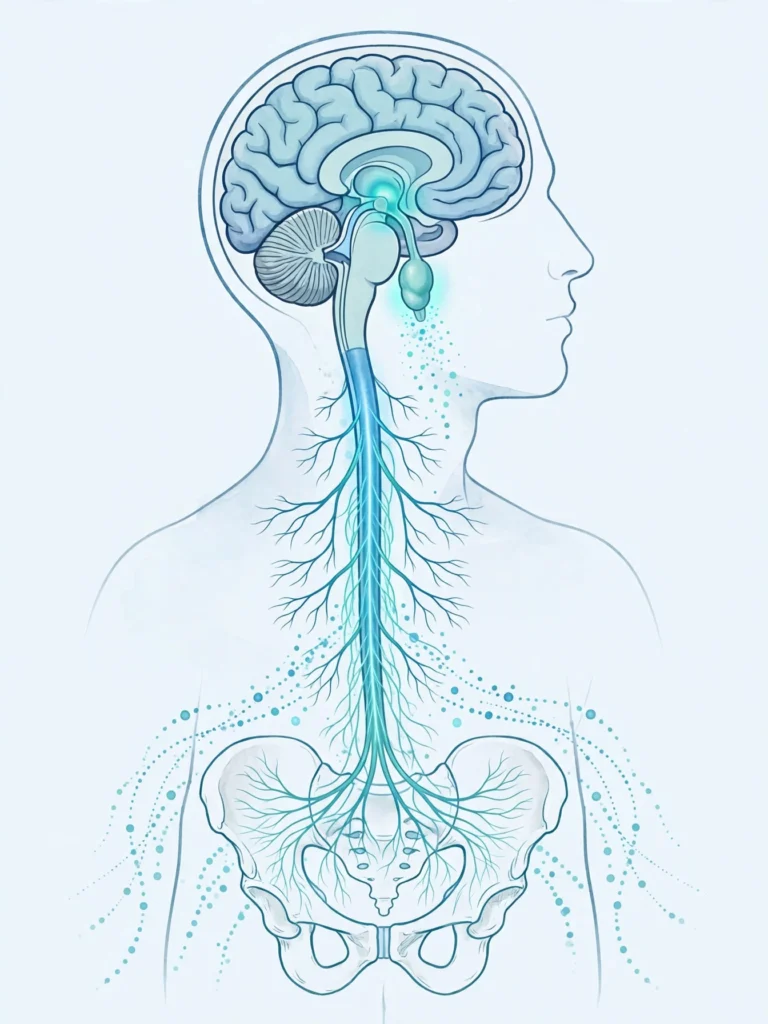
Pelvic floor muscles play a direct mechanical role in sexual function for both sexes — supporting erection rigidity and ejaculation control in men, and arousal, sensation, and orgasm intensity in women. Kegel exercises (rhythmically contracting the muscles used to stop the flow of urine) require no equipment and can be done anywhere.
A 2023 study in Neurourology and Urodynamics found that men who performed pelvic floor exercises daily for 12 weeks saw significant improvements in erectile function and sexual satisfaction. Start with 10–15 contractions three times a day and build gradually; ask a physiotherapist or doctor for guidance if you are unsure you are engaging the right muscles. Because pelvic strength is so specific, doctors often pair these targeted exercises with general exercise and sexual health guidance.
Yoga, Pilates, and Partner Workouts
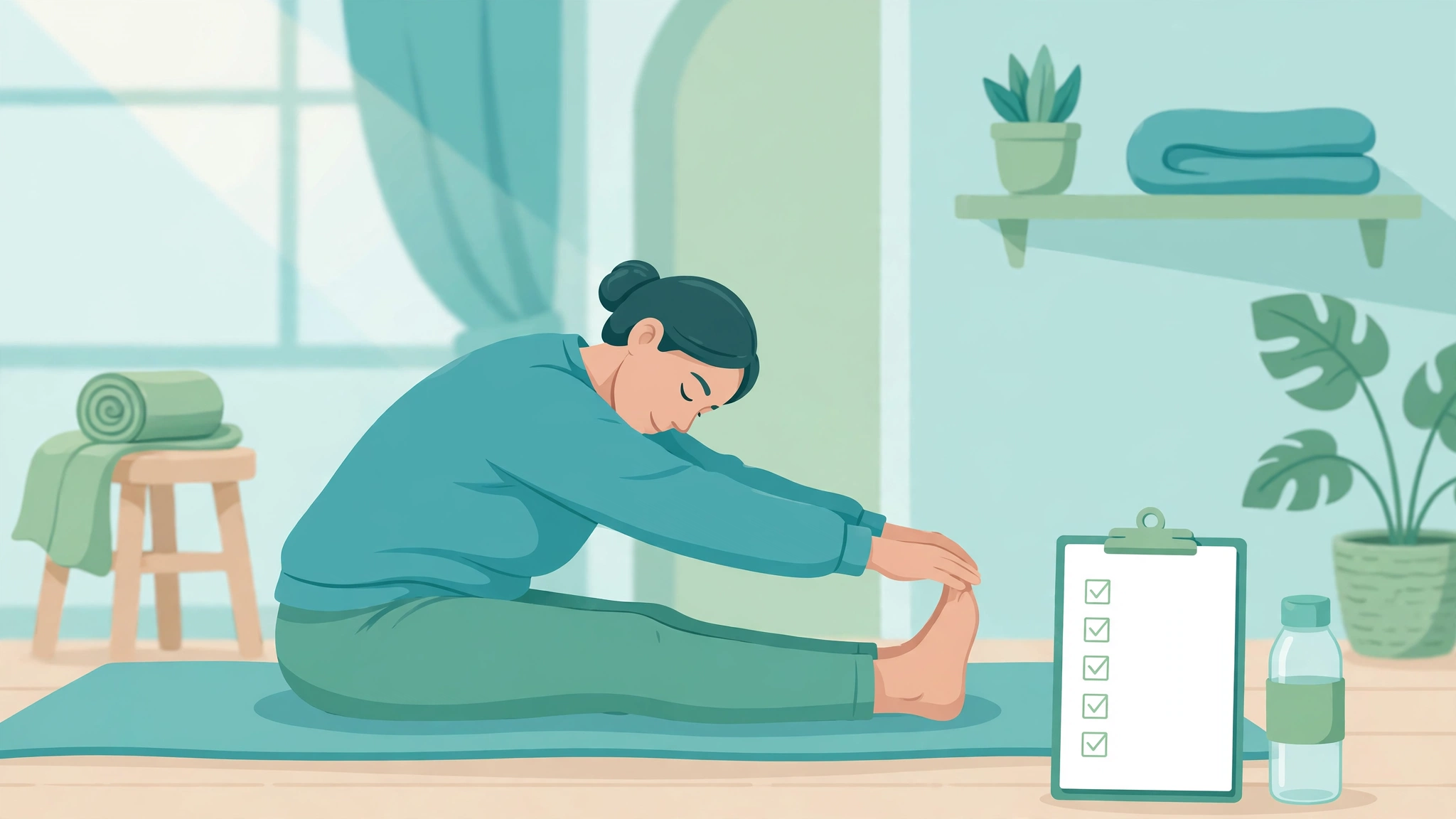
Mind-body practices earn their place through stress reduction, flexibility, and pelvic awareness. Yoga reduces stress and improves pelvic blood flow; seated poses strengthen pelvic muscles while breathing exercises train the relaxation response that supports arousal. Pilates builds core strength through breath-coordinated movement that engages the pelvic floor. Finally, consider working out with your partner — shared sessions build emotional connection and make adherence, the real determinant of benefit, far more likely.
The Hidden Risk Factor: Sitting, Weight Gain, and Low Desire
Here is the angle most fitness content about exercise and sexual health misses: prolonged sitting appears to be an independent risk factor for poor sexual function, even among people who exercise. A person who runs for 30 minutes in the morning and then sits for ten hours may still carry much of the metabolic risk of a sedentary lifestyle. Prolonged inactivity feeds metabolic syndrome — the cluster of obesity, insulin resistance, high blood pressure, and unhealthy cholesterol behind both cardiovascular disease and sexual dysfunction.
The encouraging flip side: modest, sustained weight loss through diet plus exercise is one of the most reliable ways to improve both. Most studies suggest measurable improvements within four to eight weeks — vascular and mood benefits often arrive before the scale moves.
Exercise and Reproductive Health: What Couples Should Know
The benefits of movement extend into reproductive health — another chapter in the exercise and sexual health story. Urologists note that moderate exercise is associated with better sperm health — improved counts and motility — while obesity measurably harms sperm parameters; men trying to conceive are routinely counseled to stay active and maintain a healthy weight.
For women, regular exercise can soften the hormonal transitions of perimenopause and menopause that often diminish libido. Exercise also helps people whose low desire is medication-related: clinicians observe that regular activity can counteract some libido-dampening effects of SSRIs, diabetes, and cancer recovery. Note that some medications, including certain hormonal contraceptives, can affect desire independently of fitness — see our guide on how birth control affects sex drive.
Your Doctor-Backed Weekly Blueprint
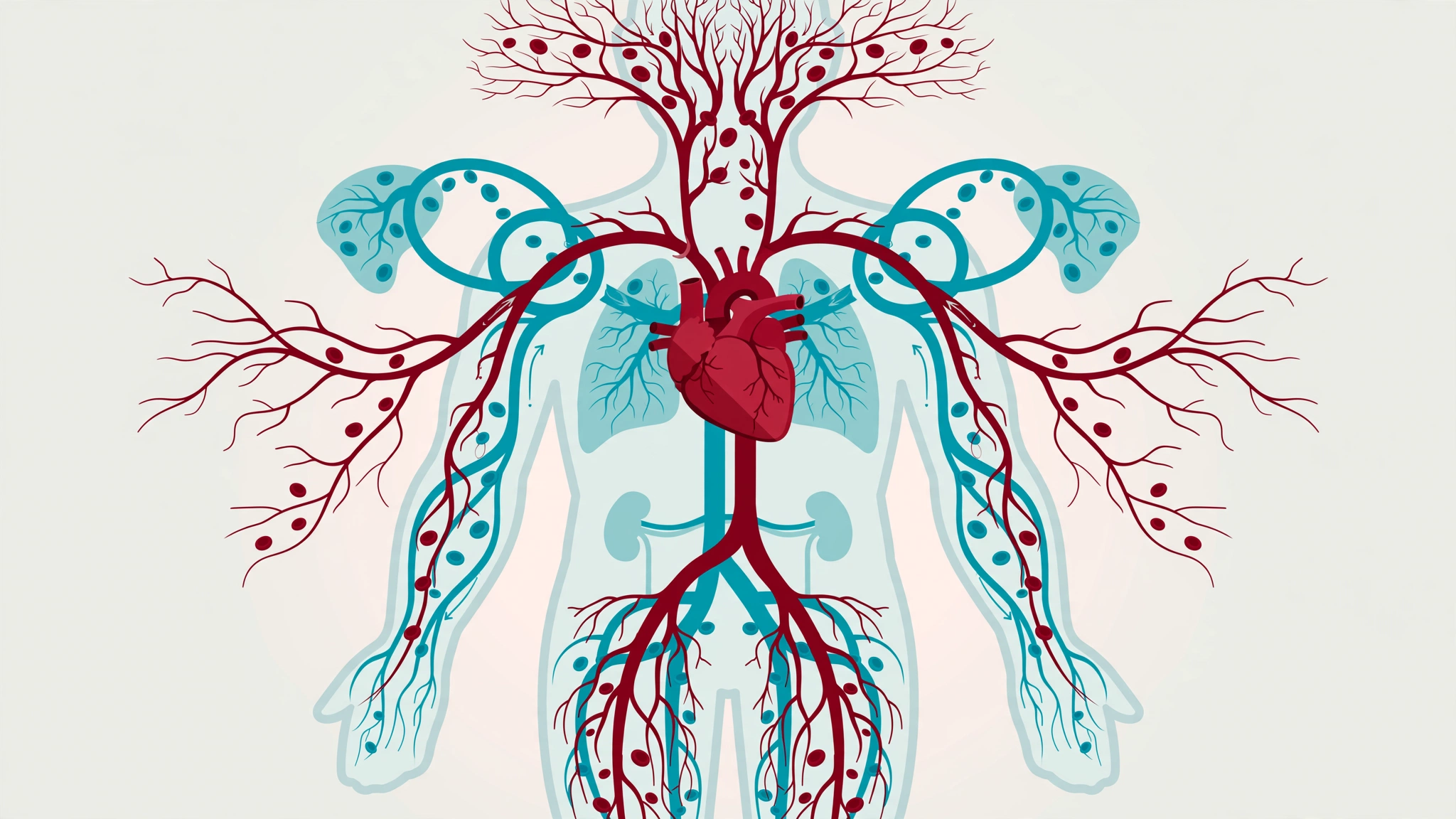
Here is a practical template consistent with what physicians recommend for exercise and sexual health. If you are starting from zero, begin with the walking and pelvic floor elements and add the rest over several weeks.
- Monday: 30-minute brisk walk + 10–15 pelvic floor contractions.
- Tuesday: 30–40 minutes of strength training — squats, push-ups, rows, planks (2×10–12).
- Wednesday: 30 minutes of moderate cardio — swimming, cycling, or jogging.
- Thursday: Second strength session, same structure as Tuesday.
- Friday: 30 minutes of yoga or stretching, focusing on breathing and pelvic awareness.
- Saturday: 45-minute cardio with your partner — a hike, bike ride, or walk.
- Sunday: Rest day. A short walk and your pelvic floor routine are plenty.
Warm up for five minutes before every session, progress gradually, and prioritize consistency over intensity — steady moderate exercise outperforms sporadic intense efforts. If you live with heart disease, diabetes, high blood pressure, joint problems, or any chronic condition, check with your doctor before starting, and seek prompt care for chest pain, severe breathlessness, or dizziness during exercise.
When Too Much Exercise Backfires
The strongest evidence for exercise and sexual health comes with a caveat: more is not always better. University of North Carolina researchers found that men who trained at lower comparative intensities were seven times more likely to report a normal or high libido than very intense trainers — consistent with relative energy deficiency in sport (RED-S), where excessive training plus inadequate fueling suppresses sex hormones and raises stress hormones.
In women, excessive training with very low body fat can disrupt menstrual cycles and suppress desire. Cyclists should note one specific risk: prolonged riding on an ill-fitted saddle can compress the perineum and cause genital numbness — proper bike fit, padded shorts, and standing breaks largely prevent this.
Warning signs of overtraining include persistent fatigue, declining performance, disrupted sleep, and falling desire; the remedy is rest, adequate nutrition, and reduced intensity.
When Exercise Isn’t Enough: Talk to Your Doctor
Even the best exercise and sexual health habits cannot fix every cause of low desire. Sometimes low libido is rooted in conditions movement alone cannot resolve: hormonal disorders, diabetes, cardiovascular disease, depression, or medication side effects.
Treat persistent symptoms as information, not failure. Doctors recommend evaluation if low desire or erectile difficulties persist for several months despite healthy habits, if desire changes suddenly, or if you experience pain, genital numbness, or chest discomfort with exertion. A clinician can check hormone levels, review medications, and screen for diabetes and cardiovascular risk. Our article on erectile dysfunction causes walks through the signs physicians check first.
FAQs
These are the questions readers and patients ask most often about exercise and sexual health.
How soon will exercise improve my sex drive?
Most studies report measurable improvements within four to eight weeks of consistent moderate exercise, with better mood, energy, and confidence often arriving sooner. The key variable is consistency: three to five sessions per week maintained over months produces far more reliable results than an intense two-week burst followed by quitting.
Is cardio or strength training better for libido?
Both help through different pathways, so experts on exercise and sexual health recommend including both. Aerobic exercise improves blood flow, heart health, and stamina — the circulatory foundation of arousal — while strength training boosts testosterone and confidence. Add pelvic floor exercises and weekly yoga, and you cover every major mechanism researchers have identified. If you must choose one, start with brisk walking.
Can too much exercise lower my sex drive?
Yes. Overtraining — especially high-volume endurance training with inadequate calorie intake — can suppress sex hormones and raise cortisol, a state called relative energy deficiency in sport (RED-S). Lower-intensity exercisers report normal or high libido far more often than very intense trainers. Persistent fatigue, declining performance, and falling desire signal a need to rest, eat adequately, and reduce training load.
Does cycling cause sexual problems?
Ordinary recreational cycling is not a meaningful risk, but prolonged intense riding on an ill-fitted saddle can compress the perineum and cause genital numbness, which is associated with sexual dysfunction. Prevention is straightforward: get a proper bike fit, use padded shorts, choose a pressure-relieving saddle, and stand on the pedals periodically. See a doctor if numbness persists.
Does exercise help with erectile dysfunction?
Meta-analyses show that regular aerobic exercise significantly improves erectile dysfunction, and large studies link physical activity to substantially lower ED risk. Physicians consider lifestyle modification — exercise, weight management, smoking cessation — a first-line step for mild ED. Persistent difficulties warrant medical evaluation, since they can signal cardiovascular disease, diabetes, or hormonal disorders needing treatment.
Can exercise help women’s libido and arousal?
Research into exercise and sexual health suggests it can. Women exercising one to six hours per week reported better desire, arousal, and lubrication, and laboratory research indicates a single workout can acutely prime physiological arousal. Pelvic floor training and yoga add benefits through improved pelvic blood flow and stress reduction. During perimenopause and menopause, regular activity can also offset hormonal shifts that reduce desire.
The evidence is clear: exercise and sexual health rise and fall together, and movement is one of the few interventions that improves desire, function, mood, and overall health at once. If low desire persists despite healthy habits, talk to your doctor — changes in desire can signal treatable conditions. To keep exploring, read our guides on erectile dysfunction causes and how birth control affects sex drive.
Medical disclaimer: This article is for educational purposes only and is not medical advice. Sexual health is personal and complex, and individual situations vary widely. Always consult a qualified healthcare professional about symptoms, before starting a new exercise program, and before making decisions about medications or treatments. If you experience chest pain, severe shortness of breath, or sudden changes in sexual function, seek prompt medical care.