Sexual Trauma and Intimacy: A Healing Guide
Sexual trauma intimacy healing is the slow, deliberate work of rebuilding a sense of safety in your own body and in close relationships after an unwanted or coercive sexual experience. If touch now brings tension instead of comfort, if you freeze or go numb during moments of closeness, or if you have stopped trusting your own judgment around partners, you are not broken — you are responding the way a nervous system that once detected danger often does. Healing does not mean forgetting what happened. It means reducing trauma’s grip on the present so that intimacy can become a choice again rather than a threat. This guide walks through what sexual trauma is, how it affects intimacy, the therapies with the strongest evidence behind them, and a concrete step-by-step path for reconnecting with yourself and a partner.
What Counts as Sexual Trauma?
Sexual trauma is the psychological and emotional impact of a sexual experience in which a person felt unsafe, powerless, frightened, or unable to freely consent. It is broader than many people assume. It can result from:
- Sexual assault — any non-consensual sexual act, whether or not physical violence was involved.
- Childhood sexual abuse — sexual activity involving a child who cannot give informed consent.
- Coercion or pressure within a relationship — repeated pressure, guilt-tripping, manipulation, or unwanted sexual activity that you agreed to only because refusal felt unsafe. An experience does not need to involve physical force to leave a lasting psychological impact.
- Unwanted touching or exploitation — being touched sexually without permission, including by someone in a position of trust.
Reactions can appear immediately or surface years later, sometimes only when a current relationship becomes physically or emotionally close. The National Institute of Mental Health notes that trauma responses vary widely, and most people who live through dangerous events do not develop post-traumatic stress disorder — but those who do often need structured support rather than willpower alone. If you are unsure whether what you experienced qualifies, Planned Parenthood’s guide to sexual assault, abuse, and rape offers a clear, plain-language overview of what counts and where to find help. Naming what happened is often the first genuine step in sexual trauma intimacy healing.
How Sexual Trauma Affects Intimacy and the Nervous System
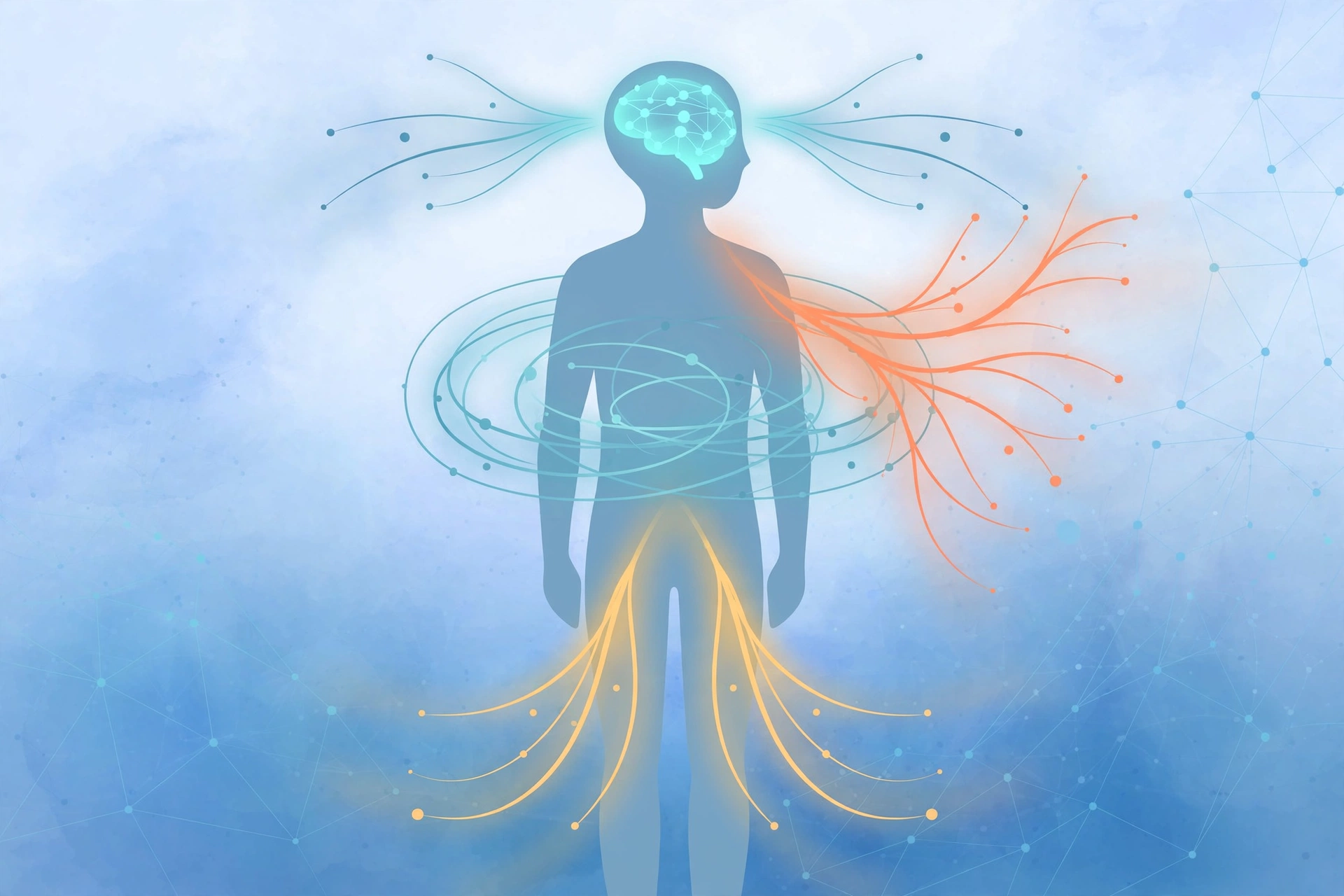
The keyword phrase “sexual trauma intimacy healing” points to a specific challenge: the very thing that once brought connection — touch, closeness, vulnerability — can now register in the body as danger. This is not a character flaw. It is physiology. When trauma occurs, the brain’s threat-detection circuitry (centered on the amygdala) can become sensitized, while the prefrontal cortex — the part of the brain that calmly says “this is a different situation, you are safe now” — has less influence during triggering moments.
Survivors commonly experience one or more of the following:
- Fight, flight, or freeze responses during intimacy — tension, a racing heart, the urge to leave, or a sudden shutdown and numbness even with a trusted partner.
- Flashbacks, body memories, or dissociation — feeling detached from your body, or suddenly pulled back into the past by a sensation, smell, sound, or position.
- Changes in desire and arousal — reduced libido, difficulty becoming aroused, difficulty reaching orgasm, or, in some survivors, compulsive sexual behavior used as a way to seek validation or control.
- Physical pain or pelvic tension — including involuntary muscle tightening (vaginismus), genito-pelvic pain, or erectile and ejaculatory difficulties, which can persist even when the cause is no longer physical.
- Shame, guilt, and self-blame — persistent questioning of what you “should have” done differently, which keeps the trauma psychologically active.
- Difficulty with boundaries — trouble noticing discomfort early, saying no, or trusting your own decisions about closeness.
These reactions are trauma responses, not verdicts on your partner, your relationship, or your capacity for pleasure. Recognizing them as such is often the first genuine relief survivors feel — and a meaningful milestone in sexual trauma intimacy healing.
Evidence-Based Therapies for Sexual Trauma Intimacy Healing
Self-help and supportive relationships matter, but sexual trauma responds best to structured, evidence-based treatment with a qualified mental health professional — ideally one trained in trauma. The most commonly used approaches include:
| Therapy | Primary focus | How it supports intimacy healing |
|---|---|---|
| Trauma-focused CBT / Cognitive Processing Therapy (CPT) | Thoughts, beliefs, and behaviors tied to the trauma | Challenges self-blame and shame, reduces avoidance, rebuilds a sense of safety |
| EMDR (Eye Movement Desensitization and Reprocessing) | Processing traumatic memories | Helps the brain reprocess distressing memories so they lose their emotional charge during intimacy |
| Somatic Experiencing and body-based therapies | The body’s stored physiological responses | Releases chronic tension, regulates the nervous system, restores a sense of safety in the body |
| Emotionally Focused Therapy (EFT) | Attachment patterns in couples | Helps partners shift out of blame-withdraw cycles and build a secure emotional bond |
| Sex therapy | Sexual function, desire, and boundaries | Addresses specific difficulties such as pain, fear, avoidance, or anxiety around sex at a manageable pace — no physical contact occurs in therapy sessions |
The right therapy is chosen based on your current symptoms, your relationships, and your readiness — not on the type of trauma alone. A trauma-trained psychologist or licensed therapist will assess all of these before recommending a plan. The approaches above are the ones with the strongest research support for sexual trauma intimacy healing. The National Institute of Mental Health’s overview of post-traumatic stress disorder explains the core treatment categories and what recovery typically involves; you can read it at the NIMH post-traumatic stress disorder page.
Rebuilding Intimacy Step by Step: The Intimacy Ladder
One of the biggest gaps in most advice about sexual trauma intimacy healing is concreteness: “go slow” and “communicate” are true but vague. The phased framework below — sometimes called an intimacy ladder — gives you actual rungs to climb, in order. Move to the next rung only when the current one feels consistently manageable. It is normal to revisit earlier rungs after a difficult week.
Rung 1: Rebuild safety and bodily awareness alone
Before involving a partner, practice noticing your body without judgment. Simple grounding techniques teach the nervous system that the present is safe: name five things you can see, four you can touch, three you can hear, two you can smell, one you can taste. Progressive muscle relaxation — tensing and releasing muscle groups from head to toe — helps you tell the difference between tension and relaxation, a distinction trauma can blur. Short daily practices of self-touch that are explicitly non-sexual (a warm shower, lotion on your hands, stretching) rebuild the association between your body and care rather than danger. These small daily practices are the foundation of sexual trauma intimacy healing.
Rung 2: Put boundaries in writing
Many survivors struggle to voice limits in the moment, so decide them in advance. A “yes / no / maybe later” list, written when you are calm, gives you and a partner a concrete reference. Include not just acts but conditions: lighting, clothing, time of day, how a partner initiates, and what you want to happen if you freeze (for example, “stop all touch, hold my hand, wait until I speak”). Agree on a pause word or signal before any intimate contact. The right to withdraw consent at any moment — without explanation or apology — is absolute.
Rung 3: Structured non-sexual touch (sensate focus)
Sensate focus, a technique developed by Masters and Johnson and widely used in sex therapy, is one of the most practical tools for trauma survivors. The rules are deliberately restrictive: partners take turns touching each other for a set time (often 10–15 minutes), avoiding breasts, genitals, and any goal-oriented sexual touch. The task is only to notice sensations — temperature, texture, pressure — with no expectation of arousal or intercourse. Over sessions, the “off-limits” zones shrink gradually, always at the survivor’s pace. Because demand is removed, the body can relearn that touch is neutral and safe. Many trauma-informed therapists consider sensate focus a cornerstone technique for sexual trauma intimacy healing. Our detailed walkthrough of sensate focus exercises for couples covers session structure, common pitfalls, and how to adapt the method after trauma.
Rung 4: Broaden what intimacy means
Intimacy is a continuum, not a single act. Eye gazing, massage, bathing together, slow dancing, shared baths, reading aloud, or simply falling asleep in contact all count. Exploring non-penetrative intimacy ideas takes performance pressure off and lets pleasure be defined on your own terms. Many survivors discover that some of the most healing moments of closeness involve no sexual contact at all.
Rung 5: Gradual, consented return to sexual contact
When — and only when — earlier rungs feel steady, couples may begin exploring sexual touch with explicit, ongoing consent: check in before, during, and after. Start with what is least likely to trigger and expand slowly. If a flashback or freeze occurs, use your pre-agreed plan: stop, ground (slow breathing, orienting to the room), and reconnect through non-sexual touch or conversation. A difficult moment is data, not failure — it tells you exactly which rung needs more time.

For Partners: What Helps and What Hurts
Loving a survivor can feel bewildering. Your partner’s responses may seem to change the rules without warning, and you may quietly wonder whether their withdrawal means rejection. It does not. Understanding a few principles protects both of you.
What helps: believe your partner without minimizing; express that you are sorry for their pain; respect every boundary without debate; ask rather than assume; accept that healing is non-linear; and take care of your own needs through friends, exercise, or your own therapy. Partners can develop secondary traumatic stress — absorbing the survivor’s distress — and your wellbeing matters too. Partners who protect their own wellbeing are better able to support sexual trauma intimacy healing over the long term. Building emotional safety and trust as the foundation of desire benefits the relationship as a whole, not just the survivor.
What hurts (even with good intentions): pressuring for sex or for “progress”; interpreting a freeze as rejection and withdrawing emotionally in return; rushing reassurance (“you’re fine, it’s over”) before your partner has finished expressing themselves; monitoring their healing like a project with milestones; or framing therapy as something they must do “for the relationship.” Also examine your own beliefs about sex, consent, and gender roles — unintentional victim-blaming language (“why didn’t you…”) can undo months of careful trust-building in a single sentence.
Dating Again After Trauma: Hypervigilance vs. Genuine Red Flags
Survivors who were single at the time of their trauma — or who left a relationship afterward — face a distinct challenge: the nervous system that once failed to detect danger may now detect it everywhere. This makes it genuinely hard to distinguish healthy caution from trauma-driven hypervigilance.
A few practical distinctions help. Hypervigilance tends to be global and bodily: unease with most potential partners, scanning for threats in safe situations, or shutting down at the first sign of closeness. Genuine red flags tend to be specific and behavioral: a person who pushes boundaries after being told no, mocks your need to go slowly, uses guilt to override your limits, isolates you from friends, or reacts with anger to your pause word or check-ins. The first calls for continued trauma work; the second calls for leaving. You do not owe any new partner a detailed account of your trauma early on — share what you choose, when you choose, and observe how they respond to small boundaries before trusting them with big ones. Clear boundaries early on protect the progress you have already made in sexual trauma intimacy healing.
When Medication Enters the Picture
Medications commonly prescribed for PTSD, anxiety, or depression — particularly SSRIs and SNRIs — can themselves affect sexual function, including desire, arousal, and orgasm. This creates a cruel overlap: a survivor may not know whether a sexual difficulty comes from the trauma, the treatment, or both. Do not adjust, stop, or skip psychiatric medication on your own in an attempt to fix intimacy issues. Instead, raise sexual side effects explicitly with your prescriber — it is one of the most common reasons people quietly abandon treatment, and clinicians can often adjust the approach. Timing matters too: some people find intimacy easier at times of day when medication side effects are mildest. Note that we provide no medication recommendations or dosages here; those decisions belong to you and your clinician alone. Open communication with your prescriber keeps medication working for you rather than against your sexual trauma intimacy healing.
Trauma-Driven Avoidance or Relationship Mismatch?
Not every intimacy problem in a survivor’s relationship is caused by trauma, and assuming so can trap both partners. A useful question: do the difficulties show up mainly around trigger-linked situations (specific acts, positions, words, times of day) and improve as those triggers are addressed in therapy — or are they broad and stable, present with any partner, in any context, and accompanied by a persistent lack of attraction, respect, or shared values? The first pattern points to trauma work; the second may point to incompatibility that no amount of healing will resolve. A trauma-informed couples therapist can help you tell the difference without either of you having to guess. Getting this distinction right focuses sexual trauma intimacy healing where it can actually help.
Signs Your Healing Is Working
Recovery rarely announces itself with a single breakthrough. It shows up in small, cumulative changes that are easy to miss:
- Triggers feel less intense, and you recover from them faster.
- You understand your reactions sooner — “I’m freezing” replaces hours of confusion.
- Setting and holding boundaries gets easier, and guilt after saying no fades.
- Touch or closeness feels manageable more often than it feels threatening.
- Shame and self-blame loosen their grip on how you see yourself.
- The trauma occupies less of your daily mental life; you make more decisions on your own terms.
Progress is not the absence of ever being triggered again. It is the steady expansion of what feels safe, chosen, and yours. That steady expansion is the clearest sign that sexual trauma intimacy healing is working.
Frequently Asked Questions
Can I have a healthy sex life after sexual trauma?
Yes. Many survivors build safe, satisfying intimate lives after trauma, though the path is usually gradual rather than sudden. Recovery typically involves professional trauma therapy, rebuilt boundaries, and a slow reconnection with touch at your own pace. A fulfilling sex life afterward often looks different from before — more communicative, more deliberate — and many couples describe it as ultimately deeper.
Why do I freeze during intimacy even though I trust my partner?
Freezing is an automatic nervous-system response, not a reflection of your feelings. During trauma, the brain can learn to shut the body down as a survival strategy; later, intimate situations can activate that same circuitry before your thinking brain catches up. This does not mean you have lost attraction or love for your partner. Body-based therapies and grounding techniques are specifically designed to retrain this response.
How long does sexual trauma intimacy healing take?
There is no standard timeline, and anyone promising one should be viewed skeptically. Some people notice meaningful change within months of consistent trauma therapy; for others, especially with childhood abuse or complex trauma, the work unfolds over years. What matters is direction, not speed — and setbacks during stressful periods are a normal part of non-linear healing, not evidence of failure.
Should my partner come to therapy with me?
It depends on the stage. Individual trauma therapy usually comes first, so the survivor can stabilize and process without managing a partner’s reactions. Later, couples sessions — particularly emotionally focused therapy or sex therapy — can help translate individual progress into the relationship. If you are unsure which format fits your situation, our guide on when to see a sex therapist outlines the signs that professional help would be useful.
Is it normal to feel guilty about saying no to sex?
Extremely common. Trauma can wire the brain to associate refusal with conflict, punishment, or danger — especially if saying no was previously ignored or punished. Rebuilding the sense that “no” is safe, final, and respected is a core part of healing. Partners who respond to a no with warmth rather than disappointment accelerate this learning enormously.
Can sexual pressure inside a past relationship cause trauma?
Yes. Coercion, repeated pressure, guilt-based manipulation, or sexual activity you agreed to only because refusal felt unsafe can produce genuine trauma responses — including flashbacks, avoidance, and shutdown during intimacy — even without physical violence. The psychological impact depends on how powerless and unsafe the experience felt, not on whether it meets a particular legal definition.
What should I do if I get triggered during sex?
Use a pre-agreed plan: stop what is happening (a pause word or signal agreed in advance makes this easier), ground yourself by orienting to the present — name where you are, slow your breathing, feel a neutral sensation like your feet on the floor — and reconnect through non-sexual contact or conversation. Discuss what happened later, when calm, rather than in the moment. If triggering happens frequently, bring it to your trauma therapist; it is clinically useful information.
A Note on Medical Advice
This article is for educational purposes only and is not medical advice. It does not diagnose any condition and does not replace evaluation or treatment by a qualified clinician. Sexual trauma affects everyone differently, and the strategies described here are general information, not prescriptions for your situation. If you are experiencing trauma symptoms, please consult a licensed mental health professional or your primary care clinician. If you are in crisis or feel unsafe, contact your local emergency services or a sexual assault hotline in your country immediately.