Vaginal Moisturizer vs Lubricant: What’s Different
If you have ever stood in the personal care aisle wondering about the vaginal moisturizer vs lubricant debate, you are far from alone. The two products sit side by side, promise similar relief, and are often confused — yet they work in fundamentally different ways. A vaginal moisturizer is designed for ongoing tissue hydration, while a lubricant is designed for short-term slipperiness during intimacy. Choosing the wrong one, or not knowing they can work together, means many people do not get the comfort they are looking for.
This guide explains exactly how the two differ, which one suits which situation, what ingredients to look for (and avoid), how to use them together safely, and when it is time to talk to a clinician. It covers everything the most-read articles on this topic cover — and adds practical detail they often leave out, such as how to read product labels for osmolality and what fertility-friendly options look like.
Why This Confusion Exists
The terms “moisturizer” and “lubricant” sound like near-synonyms, and marketing does not help: many products use both words on their packaging. Adding to the confusion, vaginal dryness itself is extremely common. It most often appears during perimenopause and menopause, when declining estrogen levels thin the vaginal walls and reduce natural moisture. But it can also occur after childbirth, while breastfeeding, when using certain hormonal contraceptives, during cancer treatment, or as a side effect of medications such as some antidepressants and antihistamines. Stress and even frequent tampon use can contribute. For a deeper look at the underlying causes, see our guide on vaginal dryness causes and treatment options.
Because dryness has so many causes, there is no single product that fixes everything. Moisturizers and lubricants each solve a different part of the problem — which is why understanding the vaginal moisturizer vs lubricant difference matters.
Vaginal Moisturizer vs Lubricant: The Core Difference
The simplest way to think about the vaginal moisturizer vs lubricant question is to compare a daily face moisturizer with a glass of water. One maintains the health of the tissue over time; the other solves an immediate need in the moment.
What a vaginal moisturizer does
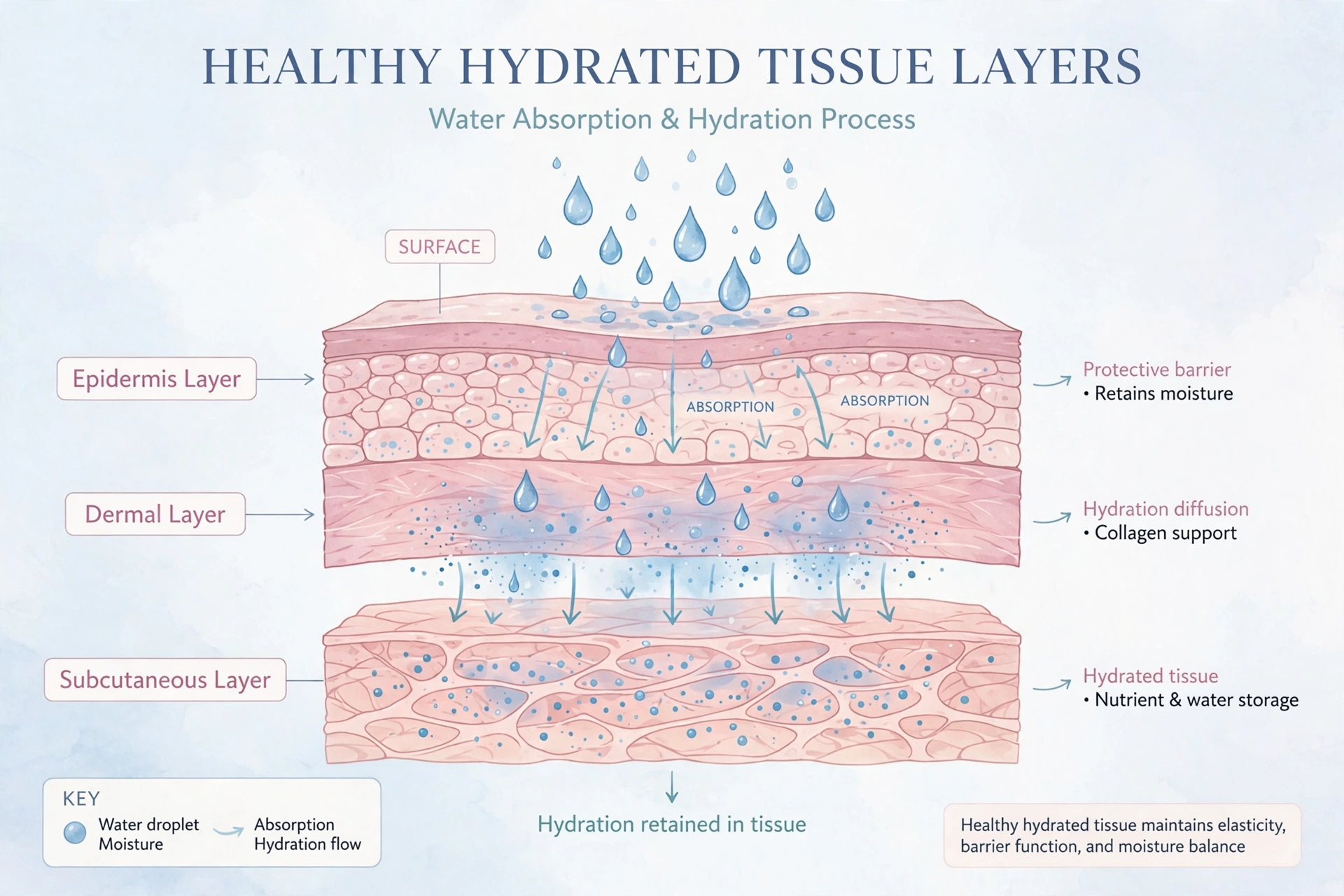
A vaginal moisturizer is an over-the-counter product applied inside the vagina on a regular schedule — typically every two to three days, or two to three times per week — regardless of whether sexual activity is planned. Its job is to hydrate the vaginal tissue itself: it coats the vaginal lining, helps the cells hold onto water, and supports elasticity and comfort over the following days. Many clinicians suggest starting with use every other day for the first week or two, then settling into a twice-weekly routine, continuing for several weeks before judging the result. If you stop using it, dryness symptoms tend to return, much like what happens when you stop moisturizing your face.
Moisturizers are generally absorbed into the tissue. They are not designed to provide enough slickness for penetrative sex on their own — which is why many clinicians recommend using both products when intimacy is planned.
What a lubricant does
A lubricant is applied right before or during intimacy to reduce friction. It works instantly and temporarily: it coats the surfaces involved, lowers the resistance that causes dragging and micro-tears, and is typically washed or absorbed away within the hour. Lubricants make intimacy more comfortable and can reduce pain during sex, but they do not change the baseline hydration of the tissue between encounters.
In short, the vaginal moisturizer vs lubricant distinction is simple: moisturizer is maintenance care, lubricant is situational comfort. For everyday comfort with dryness, itching, or irritation, a moisturizer is the starting point. For comfort specifically during intimacy, a lubricant is the tool. Many people, particularly after menopause, benefit from using both.
How Each Product Is Actually Used
Using a vaginal moisturizer
Most vaginal moisturizers come as gels or creams, sometimes with a single-use applicator. Apply with clean hands — or with the applicator — massaging a small amount into the vaginal walls, similar to how you would press moisturizer into your face. Some people also use a small amount of a gentle external moisturizer on the vulva (the outer area), since that skin can become dry and sensitive too. Look for products labeled specifically for vulvar use if you go this route, because the outer skin is delicate.
Consistency is the whole game: a tube sitting unused in a drawer cannot help. Pairing the routine with an existing habit — applying on set days of the week, for example — makes it far easier to stick with.
Using a lubricant
Lubricants are applied just before or during intimacy, to the genitals and to anything entering the vagina, using enough that movement feels easy. If friction returns, reapply — there is no “correct” amount beyond what feels comfortable. Warming it briefly between your hands before applying can make it feel more natural. Keep a towel nearby if staining is a concern with fabric.
Lubricant Types Compared: Water, Silicone, and Oil
Not all lubricants behave the same way, and the type you choose affects condom safety, cleanup, and even fertility. This comparison — often missing from shorter vaginal moisturizer vs lubricant guides — helps you pick with confidence:
| Type | Best for | Condoms | Cleanup | Notes |
|---|---|---|---|---|
| Water-based | General use, easy everyday option | Safe with latex | Rinses off easily | May dry out and need reapplication; some contain glycerin, which can bother people prone to yeast infections |
| Silicone-based | Longer sessions, shower use | Safe with latex | Needs soap and water to remove | Lasts longest without reapplying; not recommended with silicone toys (can degrade them) |
| Oil-based | Massage or non-latex users | Not safe with latex — oils weaken latex and raise breakage risk | Oily residue | Can be harder to wash from fabrics and may irritate some people; check with a clinician if you are prone to infections |
For most people, a water-based or silicone-based product without added fragrances, warming agents, or numbing ingredients is the safest default. For a full breakdown of what makes a formula gentle, see our body-safe lubricant guide.
The Osmolality Number Most Labels Hide
Here is a detail nearly every mainstream vaginal moisturizer vs lubricant comparison skips: osmolality. Osmolality measures how concentrated a solution is relative to body fluid. The healthy vaginal environment sits around 260–290 mOsm/kg. Products with much higher osmolality can actually pull water out of the cells they are supposed to soothe — the opposite of what you want — and may damage delicate tissue with repeated use.
The World Health Organization has advised that vaginal lubricants should ideally not exceed 380 mOsm/kg. In practice, many widely sold lubricants exceed that threshold, and most do not print the number on the packaging. What can you do about it?
- Prefer products labeled “iso-osmotic” or “isotonic,” which are formulated to match the body’s own concentration.
- If osmolality is not listed, consider contacting the manufacturer — reputable brands will answer.
- Be cautious with very thick, sugary, or glycerin-heavy formulas, since glycerin and similar ingredients raise osmolality and can contribute to yeast overgrowth in susceptible people.
- This matters most for frequent users and for people already dealing with irritation or thinning tissue.
For more clinician-backed guidance on choosing between the two product types, the Mayo Clinic Press guide to vaginal moisturizers and lubricants walks through the same maintenance-versus-in-the-moment distinction with additional detail on ingredient choices.
Ingredients to Look For — and Ones to Avoid
A short ingredient checklist makes label-reading far less intimidating:
Often well tolerated
- Hyaluronic acid (a hydrating ingredient also used in facial skincare)
- Polycarbophil-based polymers (used in some long-acting moisturizers)
- Lactic acid, which supports the vagina’s naturally acidic pH (around 4.5)
- Simple, fragrance-free formulas with few ingredients overall
Worth avoiding if you are sensitive
- Fragrances, flavors, and dyes
- Warming, cooling, or tingling additives
- Numbing agents such as benzocaine or lidocaine — these can mask pain that deserves attention
- Parabens and propylene glycol, which irritate some people
- Spermicides such as nonoxynol-9, which can damage vaginal tissue with repeated use
Patch awareness helps too: if a new product causes burning, itching, swelling, or unusual discharge, stop using it. A brief period of adjustment can be normal, but persistent discomfort is not.
Using Both Together: A Sample Weekly Routine
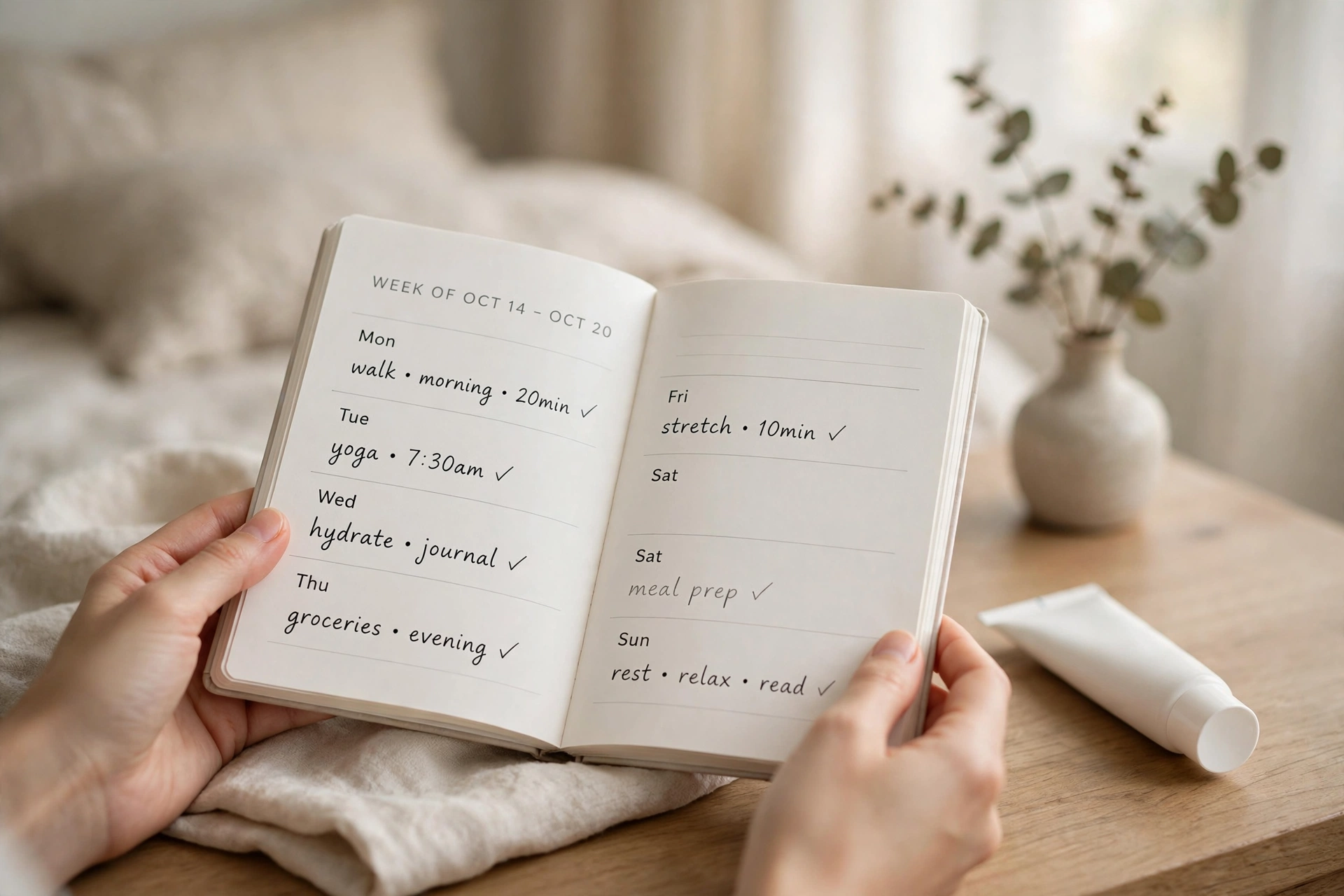
Because moisturizers and lubricants solve different problems, clinicians often recommend using them as a pair — the practical answer to the vaginal moisturizer vs lubricant question for many people. Here is what a weekly routine can look like:
- Monday and Thursday evenings: apply your vaginal moisturizer on its regular schedule.
- On days intimacy is planned: keep your moisturizer schedule unchanged and add a lubricant during intimacy.
- If dryness is new or significant: some clinicians suggest moisturizing every other day for the first one to two weeks, then reducing to twice weekly.
- Reassess after 4–8 weeks: improvement in comfort, itching, and irritation is a good sign the routine is working. If dryness has not improved, talk to your clinician about next steps.
This “maintenance plus in-the-moment” approach is the same strategy many menopause specialists recommend, and it avoids the common mistake of using a lubricant alone for weeks while the underlying tissue dryness goes unaddressed.
What About Fertility and Trying to Conceive?
If you are trying to become pregnant, your vaginal moisturizer vs lubricant choices deserve extra care: older research suggests that some standard lubricants can reduce sperm motility, which may interfere with conception. Look for products explicitly labeled “sperm-friendly” or “fertility-friendly” — these are formulated to be gentle on sperm and are pH-balanced for the vaginal environment. Vaginal moisturizers are generally a separate consideration; if you are using one regularly while trying to conceive, mention it to your clinician so they can confirm your routine supports your goals.
When to See a Clinician
When the vaginal moisturizer vs lubricant approach is not enough on its own, it helps to know what comes next. Moisturizers and lubricants are first-line, over-the-counter tools — they ease symptoms but do not change the underlying cause of dryness, such as the tissue changes that come with low estrogen. Cleveland Clinic women’s health clinicians echo this layered approach, noting that daily moisturizers plus lubricants for intimacy are the typical first step, with low-dose vaginal estrogen as the next line when needed.
If pain during intimacy persists after using these products consistently for about two months, or if you notice bleeding, new discharge, swelling, or odor, it is time to see a clinician. Prescription options exist that address the root cause, including low-dose vaginal estrogen (in creams, tablets, or rings) and, for some people, non-hormonal medications — all of which should be discussed with a qualified provider who knows your history. Learn more in our guide to vaginal atrophy treatment options and our article on painful intercourse after menopause.
Frequently Asked Questions
Can I use a vaginal moisturizer and a lubricant at the same time?
Yes — in fact, many clinicians recommend exactly that. When considering vaginal moisturizer vs lubricant needs, remember they serve different purposes: use the moisturizer on its regular schedule (for example, twice a week) and add a lubricant during intimacy whenever you need one. One does not replace the other.
Is a vaginal moisturizer the same thing as estrogen cream?
No. A vaginal moisturizer is an over-the-counter hydrating product that coats and supports the tissue. Vaginal estrogen cream is a prescription medication that delivers a low dose of estrogen to the tissue and addresses the underlying cause of dryness. They can be used alongside each other under a clinician’s guidance — a separate question from the vaginal moisturizer vs lubricant choice.
How long does a vaginal moisturizer take to work?
Most people need consistent use for several weeks — often two to four — before noticing meaningful improvement in dryness and irritation. The routine is ongoing: symptoms typically return if you stop using it.
Can I just use coconut oil or another household oil instead?
Household oils are not ideal substitutes. Oil-based products can weaken latex condoms, may be difficult to clean from fabric, and can irritate the vaginal tissue or disrupt its pH in some people. A product formulated for intimate use with a short, gentle ingredient list is a safer choice. See our body-safe lubricant guide for what to look for.
Do lubricants cause yeast infections?
Most people can use lubricants without issue, but some formulas — particularly glycerin-heavy or very high-osmolality products — are associated with yeast overgrowth in susceptible individuals. If you notice recurring yeast infections that coincide with lubricant use, switching to a glycerin-free, iso-osmotic formula often helps, and a clinician can help rule out other causes.
Are vaginal moisturizers safe to use long-term?
Vaginal moisturizers are generally considered safe for ongoing use when you choose gentle, fragrance-free formulas and follow the package directions. They are designed for regular, long-term use — unlike lubricants, which are only meant for the moment of intimacy.
Which should I buy first if I am on a budget?
When weighing vaginal moisturizer vs lubricant on a budget, match the product to your main symptom. If your main problem is discomfort during intimacy, start with a gentle lubricant. If you deal with daily dryness, itching, or irritation, start with a vaginal moisturizer. If both apply — common after menopause — budget for both, since each does a job the other cannot.
Medical Disclaimer
This article is for educational purposes only and is not medical advice. It is not a substitute for professional diagnosis or treatment. Everyone’s health situation is different, and over-the-counter products are not appropriate for every person or condition. If you are experiencing persistent vaginal dryness, pain, bleeding, discharge, or other concerning symptoms, please consult a qualified clinician — such as your primary care provider, gynecologist, or women’s health specialist — before starting or changing any treatment routine.