Vaginal Atrophy (GSM): Symptoms and Treatments That Work
If sex has become painful, your vagina feels persistently dry or irritated, and trips to the bathroom keep getting more urgent, you may be dealing with vaginal atrophy — and you are far from alone. It affects up to half of postmenopausal women, yet only a fraction ever seek vaginal atrophy treatment. The right vaginal atrophy treatment can restore comfort and intimacy — the first step is simply knowing your options.
The good news: unlike hot flashes, which often fade on their own, this is a condition with a clear, evidence-backed treatment ladder — from over-the-counter moisturizers to prescription therapies that can genuinely restore vaginal tissue. This guide walks through what doctors recommend, step by step, for an informed conversation at your next appointment.
What Is Vaginal Atrophy — and Why Doctors Now Say GSM
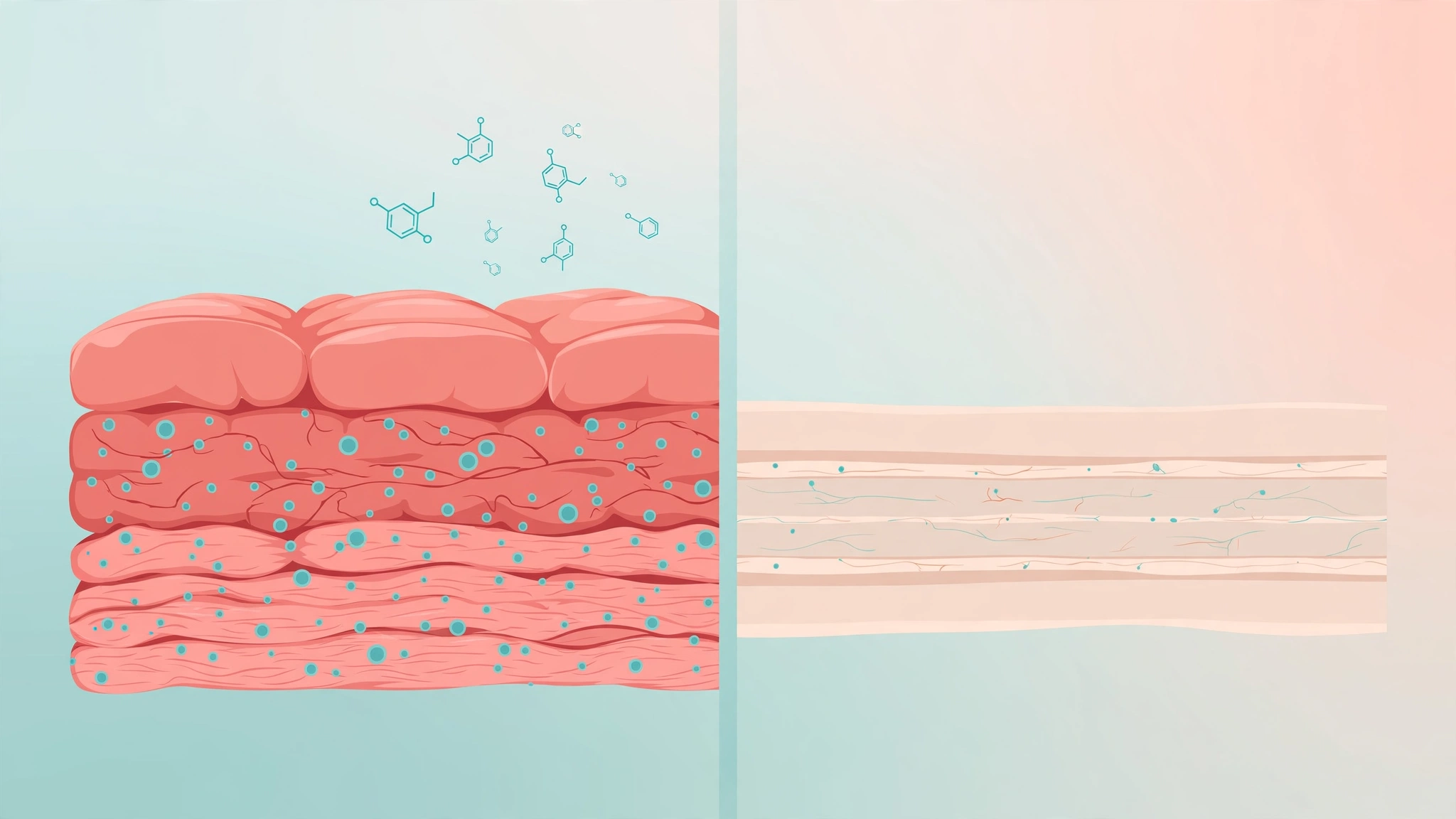
Vaginal atrophy is the thinning, drying, and loss of elasticity of the vaginal walls caused by declining estrogen. When estrogen drops, the top protective layer of vaginal cells is often lost entirely, exposing more fragile tissue underneath. Vaginal secretions decline, the pH rises (becoming less acidic), and the tissues become more vulnerable to inflammation, infection, and tears.
In 2014, medical organizations including the North American Menopause Society and the International Society for the Study of Women’s Sexual Health officially renamed the condition genitourinary syndrome of menopause (GSM). The change was deliberate: the word “atrophy” sounded shaming and incomplete, and GSM captures the full picture — the vagina, vulva, urethra, and bladder, all of which are estrogen-sensitive. A neutral medical term also makes it easier to talk about, since embarrassment keeps so many women silent.
That silence has a cost: GSM affects roughly 45–50% of postmenopausal women, yet only about one in four ever discusses it with a clinician. Dryness is not “just part of aging” — it is a treatable medical condition, and effective treatment exists at every severity level. The key is matching the right vaginal atrophy treatment to the severity of your symptoms.
Symptoms: Vaginal, Urinary, and Sexual
GSM symptoms arrive gradually and — unlike hot flashes — worsen without treatment, which is why doctors recommend starting vaginal atrophy treatment early rather than waiting:
- Vaginal symptoms: persistent dryness, itching, burning, soreness, and a thin, watery, or yellowish discharge
- Sexual symptoms: pain or discomfort during intercourse (dyspareunia), decreased natural lubrication, light bleeding after sex, and tightness or narrowing of the vaginal opening
- Urinary symptoms: burning during urination, needing to urinate more often or urgently, urinary incontinence, and repeated urinary tract infections (UTIs)
Advanced cases can lead to lost elasticity, a shortened or narrowed vagina, and tissue that bleeds easily. Some women begin noticing symptoms in perimenopause — the years before periods stop — while others do not have problems until several years after menopause. Because the changes are progressive, early treatment generally works better than waiting.
What Causes It — and Who Is at Risk Beyond Menopause
Estrogen decline is the driver, but menopause is not the only trigger. Other situations that lower estrogen or otherwise affect vaginal tissue include:
- Surgical menopause: removal of both ovaries (oophorectomy) causes an abrupt estrogen drop and can bring on GSM quickly
- Cancer treatment: chemotherapy, pelvic radiation, and anti-estrogen hormone therapies (such as tamoxifen or aromatase inhibitors) are common causes in younger women
- Breastfeeding: estrogen is naturally low during lactation, which can cause temporary dryness and discomfort
- Medications: some allergy medicines, certain antidepressants, and birth control pills can reduce vaginal lubrication
- Smoking: reduces estrogen circulation and blood flow to vaginal tissues
- Limited sexual activity: regular sexual activity increases blood flow to the vagina, which helps maintain tissue thickness — a Harvard review noted significantly less atrophy among women who had intercourse frequently compared with those who rarely did
If you are younger than typical menopause age and experiencing these symptoms, that does not rule out GSM — any of the factors above can produce the same tissue changes. Doctors recommend getting persistent dryness or pain checked rather than assuming your age makes it impossible. A clear diagnosis is the first step toward the right vaginal atrophy treatment.
How Doctors Diagnose Vaginal Atrophy
Diagnosis usually starts with a conversation and a pelvic exam. Your doctor will ask about your symptoms, medications, menopause status, and cancer history, then look for classic signs: pale, smooth, shiny tissue that looks thin or inflamed, sometimes with small red spots.
To confirm the diagnosis and rule out lookalike conditions (yeast infection, bacterial vaginosis, dermatitis), doctors may use one or both of these office tests:
- Vaginal pH test: a healthy reproductive-age vagina has an acidic pH of about 3.8–4.5, maintained by protective lactobacilli. When estrogen falls, pH climbs to 5.0 or higher. A pH strip result above 5 strongly supports a GSM diagnosis.
- Vaginal maturation index: a small sample of vaginal cells is examined under a microscope. In GSM, the sample shows a higher proportion of the deeper, immature parabasal cells and fewer of the surface cells that normally dominate — a direct cellular fingerprint of estrogen loss.
These tests matter because discharge and itching can mimic infection, and treating the wrong condition delays relief. If symptoms or discharge change suddenly, doctors recommend testing for infectious vaginitis before settling on a vaginal atrophy treatment plan — a point Harvard Health’s overview of vaginal atrophy also emphasizes.
Vaginal Atrophy Treatment: What Actually Works
Doctors typically follow a treatment ladder: start simple with over-the-counter options for mild symptoms, then step up to prescription therapies if those are not enough. Here is how the main vaginal atrophy treatment options compare:
| Treatment | How it works | Best for | How long to notice effect |
|---|---|---|---|
| Vaginal moisturizers | Adhere to vaginal walls, release water, restore moisture and pH | Daily dryness, not just during sex | Days to a few weeks |
| Vaginal lubricants | Reduce friction during intercourse | Pain during sex | Immediate |
| Vaginal estrogen (cream, tablet, ring) | Low-dose estrogen restores tissue thickness, elasticity, blood flow, and acidic pH | Moderate-to-severe symptoms | 2–3 months of consistent use |
| Vaginal DHEA (prasterone) | Converted locally into estrogen and testosterone inside vaginal cells | Moderate-to-severe pain with sex | ~3 months |
| Ospemifene (oral tablet) | Selective estrogen receptor modulator that acts on vaginal tissue | Pain with sex, for women avoiding local hormones | ~3 months |
| Systemic hormone therapy | Estrogen for the whole body (pill, patch, gel) | When hot flashes/night sweats also need treating | Weeks |
Step 1: Over-the-counter moisturizers and lubricants
For mild symptoms, doctors usually suggest starting here — the first rung of the vaginal atrophy treatment ladder. Vaginal moisturizers (products like Replens are among the most studied) are applied several times a week, usually at bedtime, and are meant for everyday dryness — they are not the same as lubricants.
Lubricants are used at the time of sexual activity to reduce friction and pain; water- or silicone-based options are generally recommended, and doctors advise avoiding products containing glycerin, fragrances, or petroleum jelly, which can irritate sensitive tissue. Both are widely available without a prescription, and many women find they are sufficient for mild GSM.
Step 2: Low-dose vaginal estrogen — the most effective treatment
When nonhormonal options are not enough, doctors generally consider low-dose vaginal estrogen the gold standard of vaginal atrophy treatment. It comes as a cream, tablet, or ring, and unlike systemic hormone therapy, the low dose is absorbed mainly by local tissues with very little reaching the bloodstream.
Over 2–3 months it thickens the vaginal walls, restores acidic pH, improves blood flow and lubrication, and reduces recurrent UTIs and bladder symptoms.
A common concern is safety for women with a history of breast cancer or blood clots. Because systemic absorption is minimal, doctors consider vaginal estrogen an option for some women in these groups — but it is a complex, case-by-case decision that should involve your oncology team. Do not start it on your own if you have such a history; bring it to the appointment as a discussion point. For more detail on how doctors weigh these options, see Mayo Clinic’s Q&A on managing vaginal atrophy.
Step 3: Newer prescription alternatives
Two FDA-approved options that many articles skip deserve attention:
- Vaginal DHEA (prasterone, Intrarosa): a daily vaginal suppository containing dehydroepiandrosterone, which vaginal cells convert locally into small amounts of estrogen and testosterone. It is a good option for women who want a prescription-strength vaginal atrophy treatment with minimal systemic hormone exposure.
- Ospemifene (Osphena): an oral tablet classified as a selective estrogen receptor modulator (SERM). It acts like estrogen on vaginal tissue but not on breast tissue, making it an option for women with painful intercourse who prefer a pill over local products. It is not recommended for women with a history of breast cancer or high breast-cancer risk.
Systemic hormone therapy (pills, patches, gels) is generally not the first choice when GSM is the only symptom, doctors note — but it can make sense when hot flashes and night sweats need treatment at the same time, since it addresses all of them together.

Lifestyle and Pelvic-Floor Rehab That Support Recovery
Treatment works best alongside habits that protect and rehabilitate the pelvic area — think of this as the support layer around your medical vaginal atrophy treatment:
- Pelvic floor physical therapy: a specialized physiotherapist can assess muscle tension and weakness, teach targeted exercises (beyond generic Kegels), and use hands-on techniques to reduce pain with intercourse — doctors increasingly recommend it for moderate-to-severe GSM-related pain.
- Vaginal dilators: graduated dilators used with lubricant help gently restore vaginal width and elasticity, especially when narrowing or severe pain with sex has developed.
- Stay sexually active in whatever way is comfortable: regular arousal and activity increase blood flow to vaginal tissues, which helps maintain thickness and natural lubrication. There is no medical requirement that this means intercourse — any form of genital stimulation that you find comfortable supports tissue health.
- Avoid irritants: skip douches, scented soaps, bubble baths, and scented pads in the genital area; warm water is enough for cleansing.
- Do not smoke: smoking impairs circulation and estrogen metabolism, both of which worsen GSM.
Talking to Your Partner About GSM
GSM affects relationships, not just bodies — yet most clinical articles skip this entirely. Being open about your vaginal atrophy treatment timeline helps both partners stay patient while treatment takes effect. Pain during sex often leads to avoiding intimacy, which strains partnerships and can ironically worsen tissue changes (less activity means less blood flow). Couples therapists suggest these practical steps:
- Name it plainly: telling your partner “this is a medical condition called GSM, and treatment takes a few months to work” removes blame from both sides. Most partners respond with relief once they understand pain is not rejection.
- Redefine intimacy while you heal: couples do not have to choose between painful intercourse and no physical closeness. Non-penetrative intimacy — extended foreplay, mutual massage, oral sex, or simply cuddling — keeps connection alive during the weeks it takes for treatment to take effect.
- Experiment with positions and timing: positions that let you control depth and pace, generous lubricant, and unhurried timing can make a real difference once discomfort eases.
- Consider couples counseling: if months of avoided intimacy have created distance or resentment, a therapist experienced in sexual health can help both partners rebuild. There is nothing unusual about needing this — GSM touches roughly half of postmenopausal couples in some form.
When to See Your Doctor
Book an appointment if dryness, pain, or urinary symptoms persist for more than a few weeks despite over-the-counter measures. Your doctor can confirm whether GSM is the cause and recommend the right vaginal atrophy treatment for your situation. Seek care promptly if you notice any of the following:
- Any vaginal bleeding after menopause — even light spotting — which should always be evaluated rather than blamed on dryness
- Unusual discharge, strong odor, or sores, which may signal infection rather than GSM
- Recurrent urinary tract infections or new, severe pelvic pain
- Symptoms that worsen or fail to improve after 2–3 months of consistent treatment
If you have a history of breast cancer, blood clots, or stroke, mention it before starting any hormonal vaginal atrophy treatment so your doctor can weigh the options with you. For related reading, see our guides on vaginal dryness: causes, treatments, and relief options and painful intercourse after menopause: causes and treatments.
FAQs
What is the difference between vaginal atrophy and GSM?
They describe the same problem. Vaginal atrophy is the older term for the thinning and drying of vaginal tissue from low estrogen. GSM — genitourinary syndrome of menopause — is the 2014 term that also covers urinary symptoms and sounds less stigmatizing. Doctors use both.
Can vaginal atrophy be reversed?
The tissue changes can be substantially improved but not always fully “reversed” to a premenopausal state. As part of prescription vaginal atrophy treatment, vaginal estrogen restores thickness, elasticity, blood flow, and healthy pH over 2–3 months, and many women return to comfortable intimacy. Moisturizers relieve symptoms but do not rebuild tissue the way hormonal treatment does.
How long does vaginal estrogen take to work?
Most women notice improvement within weeks, with full benefit at 2–3 months of consistent use. Because GSM is chronic, most doctors recommend continuing treatment long-term — stopping usually lets symptoms return. Regular follow-up confirms the treatment is working.
Is vaginal estrogen safe for women with a history of breast cancer?
Low-dose vaginal estrogen has minimal absorption into the bloodstream, so some doctors consider it for certain breast cancer survivors — but this is a complex, individualized decision that must involve your oncology team. Nonhormonal options like vaginal DHEA may also be discussed. Never start any hormonal treatment without that conversation.
What is the difference between a vaginal moisturizer and a lubricant?
A moisturizer is used several times a week (usually at bedtime) to keep vaginal tissues hydrated day to day, regardless of sexual activity. A lubricant is applied just before or during sex to reduce friction and pain. For the best results, many women use both: moisturizers for daily comfort and lubricants for intimacy.
Does vaginal atrophy get worse if left untreated?
Yes. Unlike hot flashes, which usually fade over time, GSM is progressive — the tissue keeps thinning, elasticity keeps declining, and narrowing of the vaginal opening can become permanent if ignored for years. Avoiding sex because of pain can accelerate the decline. Early vaginal atrophy treatment gives the best outcomes.
Bottom line: vaginal atrophy — GSM — is one of the most common and most treatable conditions of menopause. From moisturizers to low-dose vaginal estrogen and newer options like DHEA and ospemifene, the treatment ladder has something for every severity level.
If symptoms have been quietly affecting your comfort or your relationship, talk to your doctor — this is a conversation gynecologists have every day, and relief is genuinely within reach. The best vaginal atrophy treatment plan is one you can follow consistently and adjust with your doctor over time.
Medical disclaimer: This article is for educational purposes only and is not medical advice. It does not replace professional diagnosis or treatment. If you are experiencing symptoms of vaginal atrophy or GSM, consult a qualified healthcare professional — such as your gynecologist or primary care doctor — for evaluation and a treatment plan tailored to your health history.