Chlamydia in Women: Silent Symptoms and Treatment
Chlamydia is one of the most common sexually transmitted infections in the world, and most women who have it never feel a thing. If you are looking for reliable information on chlamydia symptoms in women, this guide covers the full picture: why the infection is usually silent, which subtle signs to watch for, how to tell it apart from a urinary tract infection or yeast infection, exactly how testing and treatment work, and how to protect your long-term reproductive health. This complete guide to chlamydia symptoms in women will help you recognize the subtle clues, understand the testing process, and protect your fertility.
What Is Chlamydia?
Chlamydia is a bacterial infection caused by the organism Chlamydia trachomatis. It spreads through vaginal, anal, or oral sex with an infected partner, and it can pass from a pregnant person to their baby during childbirth. According to the World Health Organization, an estimated 128.5 million new chlamydia infections occurred worldwide in 2020 among adults aged 15 to 49.
The good news is that chlamydia is curable with antibiotics. The bad news is that it usually causes no noticeable symptoms, which is why regular testing matters more than symptom-watching. Left untreated, the infection can travel deeper into the reproductive tract and cause pelvic inflammatory disease (PID), a leading preventable cause of infertility. Because chlamydia symptoms in women are so often absent, the infection can progress silently to PID without any warning.
Why Are Chlamydia Symptoms in Women So Often Silent?
Research consistently shows that roughly three out of four women with chlamydia have no symptoms at all. There are a few biological reasons for this:
- The infection starts at the cervix. Chlamydia typically infects the cervix first (a condition called cervicitis). The cervical tissue has relatively few pain-sensing nerve endings, so inflammation there can smolder without producing pain.
- The discharge may be subtle. A small change in vaginal discharge is easy to miss or dismiss as a normal variation of the menstrual cycle.
- Early symptoms mimic common problems. A burning sensation when urinating feels like a urinary tract infection; mild cramping feels like menstrual pain. Many women treat the wrong condition and the chlamydia goes undetected.
This silence is the reason health authorities recommend annual screening for sexually active women under 25, and for older women with new or multiple partners or a partner who has an STI. Waiting for symptoms to appear is not a reliable strategy. In short, the biology of chlamydia symptoms in women makes them easy to miss — which is exactly why routine screening exists.
Recognizing Chlamydia Symptoms in Women
When chlamydia symptoms in women do appear, they typically begin 1 to 3 weeks after exposure, though they can take longer. Watch for:
- Vaginal discharge that is different from your normal — it may be yellowish or have an unusual odor
- A burning sensation when urinating
- Bleeding between periods or after sex
- Pain during sex
- Pain or cramping in the lower abdomen
- Mild discomfort mistaken for menstrual cramps
- Itching or burning in or around the vagina
Warning Signs That the Infection May Have Spread (PID)
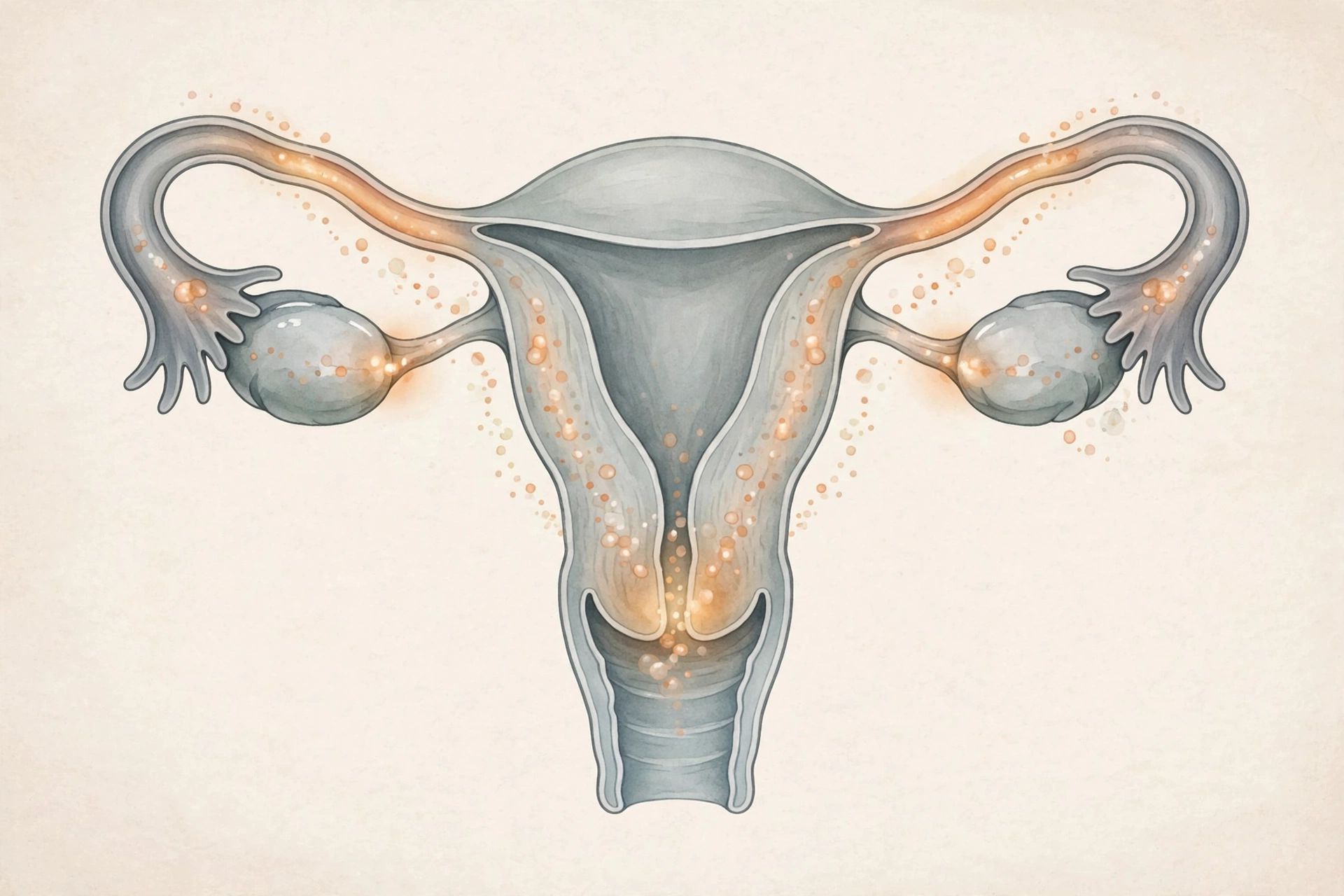
If chlamydia moves upward into the uterus and fallopian tubes, it can cause pelvic inflammatory disease. Seek prompt medical care if you experience:
- Severe or persistent pelvic or lower abdominal pain
- Fever, chills, or other flu-like symptoms
- Heavy or painful periods that are new for you
- Severe nausea or vomiting alongside pelvic pain
- Persistent unusual vaginal discharge
PID can cause scarring of the fallopian tubes, chronic pelvic pain, and ectopic pregnancy (a pregnancy that develops outside the uterus, which can be life-threatening). It is also one of the most common preventable causes of infertility in women. Early treatment of chlamydia prevents most of these complications. Recognizing when chlamydia symptoms in women have progressed to PID can protect your fertility.
Chlamydia vs. UTI vs. Yeast Infection: Telling the Difference
One of the trickiest things about chlamydia symptoms in women is how easily they are confused with other common conditions. Here is a practical comparison — note that only testing can confirm a diagnosis:
- Urinary tract infection (UTI): Burning when urinating and a frequent, urgent need to pee are the hallmarks. UTIs usually do not cause vaginal discharge or bleeding between periods. The burning tends to be strongest at the end of urination.
- Yeast infection: Intense itching and a thick, white, cottage-cheese-like discharge are typical. Yeast infections do not usually cause pain during sex, bleeding between periods, or abdominal pain.
- Chlamydia: The distinguishing clues are bleeding between periods or after sex, pain during intercourse, and new lower abdominal pain. However, because symptoms overlap so much, assuming “it is just a UTI” is a common and risky mistake.
If you have burning when you pee plus unusual discharge, spotting between periods, or pain during sex, do not rely on over-the-counter UTI or yeast treatments alone — get tested for STIs. When chlamydia symptoms in women overlap with UTI or yeast symptoms, only testing can tell the difference. Our guide to STI testing window periods explains exactly when to test after a possible exposure.
Chlamydia Can Affect More Than the Genitals
Chlamydia is not limited to the vagina and cervix. Infections can develop wherever the bacteria come into contact during sex:
- Rectal infection: Can occur from anal sex or spread from the vaginal area. It often causes no symptoms but can produce rectal pain, discharge, or bleeding.
- Throat infection: Usually symptomless; occasionally causes a mild sore throat.
- Eye infection: Conjunctivitis (red, irritated eyes with discharge) can occur if infected fluids contact the eyes.
- Reactive arthritis: In rare cases, genital chlamydia can trigger joint pain and inflammation, sometimes with skin and eye involvement.
This is why a clinician may recommend testing multiple sites — not just a vaginal swab — depending on your sexual history. To understand how chlamydia’s signs compare with a closely related infection, see our article on chlamydia vs. gonorrhea symptoms.

How Chlamydia Is Diagnosed: The Testing Walkthrough
Diagnosis of chlamydia symptoms in women is straightforward and usually painless. Here is what to expect:
Types of Tests
- NAAT (nucleic acid amplification test): The gold standard. It detects chlamydia DNA from a urine sample or a vaginal, cervical, rectal, or throat swab. Vaginal self-collected swabs are highly accurate and widely used.
- Urine test: Convenient and non-invasive, commonly used in clinics.
- At-home test kits: Many reputable services let you collect a sample at home and mail it to a certified lab. Make sure the kit tests specifically for chlamydia and gonorrhea, and that results come with clinician follow-up. See our STI testing guide: when, how, and how often for a full walkthrough of your options.
When to Get Tested
- After a possible exposure: Testing too early can miss the infection. Most clinicians recommend waiting at least 1 to 2 weeks after exposure, though your provider can advise based on your situation.
- Routine screening: Sexually active women under 25 should be screened at least once a year; older women with new or multiple partners or other risk factors should also be screened.
- After treatment: Re-testing about 3 months after treatment is recommended, because reinfection is common.
- During pregnancy: Screening is recommended at the first prenatal visit for women under 25 and those at increased risk, with re-testing in the third trimester if risk continues.
Testing positive for chlamydia usually means you will also be offered testing for other STIs, since co-infections (especially gonorrhea) are common.
Treatment: What to Expect
Chlamydia is treated with prescription antibiotics, and the infection clears completely when the medication is taken as directed. Prompt treatment ensures that chlamydia symptoms in women resolve and the infection is fully cleared. Key points about treatment:
- Take the full course as prescribed. Stopping early, even if you feel better, raises the risk that the infection is not fully cleared.
- Abstain from sex during treatment. Clinicians generally advise avoiding all sexual contact until you have finished the medication and your symptoms (if any) have resolved, and until your partners have also been treated.
- Your partner(s) need treatment too. Anyone you have had sex with in the previous 60 days should be tested and treated, even if they have no symptoms. Otherwise, you can simply pass the infection back and forth.
- Re-test in about 3 months. Follow-up testing is standard because reinfection is frequent — not because the antibiotics failed.
- A positive result does not mean you were unfaithful. Because chlamydia can be silent for months or longer, a new diagnosis does not pinpoint when the infection was acquired.
Current treatment guidelines favor a course of antibiotics prescribed by your clinician; in some regions, clinicians can provide expedited partner therapy (EPT), which lets you bring medication directly to your partner without them needing a separate appointment. Ask your provider whether EPT is available and appropriate in your area.
Telling Your Partner(s): A Practical Approach
Partner notification is a normal, expected part of STI care — clinics handle it every day, and it protects both your health and your relationships. Because chlamydia symptoms in women are so often absent, partner notification protects people who may have no idea they are infected. Some practical tips:
- Be direct and factual: “I tested positive for chlamydia. It is a common, curable infection, and we both need treatment so we don’t keep passing it back and forth.”
- Time it well: Choose a private, calm moment — not during or right before sex, and not in the heat of an argument.
- Focus on health, not blame: Chlamydia often causes no symptoms, so neither of you may have known. Framing it as a shared health task keeps the conversation constructive.
- Use clinic help if needed: Many clinics offer anonymous partner notification services.
For more detailed scripts and strategies, read our STI partner notification tips.
Chlamydia and Pregnancy
Chlamydia during pregnancy deserves special attention. Untreated infection is associated with preterm delivery, and babies born to infected mothers can develop chlamydia infections of the eyes (conjunctivitis) or lungs (pneumonia) during birth. The good news: screening and treatment during pregnancy are safe and effective, and treatment substantially reduces these risks.
If you are pregnant or planning to become pregnant, tell your prenatal provider about any STI risk factors so screening can be included in your care. This is also why clinicians recommend testing before trying to conceive when risk factors are present — protecting fertility starts before pregnancy.
Preventing Chlamydia and Reinfection
- Use condoms consistently and correctly for vaginal, anal, and oral sex — they remain the most effective way to reduce chlamydia transmission.
- Limit your number of sexual partners and talk openly about STI testing with new partners before sex.
- Get screened regularly if you are sexually active and under 25, or if you have risk factors.
- Complete treatment and treat partners to break the reinfection cycle — reinfection within months of treatment is one of the most common problems clinicians see.
- Consider doxyPEP if you are in a group for whom a clinician has recommended post-exposure STI prevention; discuss eligibility with your provider.
Frequently Asked Questions
Can you have chlamydia with no symptoms at all?
Yes — and most women do. About three in four women with chlamydia have no noticeable symptoms, which is why the infection is often called “silent.” The absence of chlamydia symptoms in women does not mean the absence of infection or of potential complications like PID, so routine screening is the only reliable way to know.
How long can chlamydia go unnoticed in women?
Potentially months or even years. Because symptoms are absent or mild in most cases, infections are frequently discovered only through routine screening, partner notification, or when complications such as PID or fertility problems develop. This is also why a new diagnosis does not reveal when the infection was acquired.
Does chlamydia go away on its own?
Rarely, and you should never count on it. Untreated chlamydia can persist for a long time and can progress to pelvic inflammatory disease, increasing the risk of chronic pelvic pain, ectopic pregnancy, and infertility. It is easily cured with prescription antibiotics, so treatment is always the right step.
Can chlamydia cause infertility?
Untreated chlamydia can lead to PID, which can scar the fallopian tubes and impair fertility. The risk rises with each episode of PID. However, when chlamydia is detected early and treated promptly, the risk of fertility problems is very low — another reason regular screening matters.
How soon after treatment can I have sex again?
Clinicians generally advise waiting until you have completed the full course of antibiotics, any symptoms have resolved, and your partner(s) have been treated as well. Your provider will give you specific guidance — follow it, because having sex too soon is a common cause of reinfection.
Can I get chlamydia again after being treated?
Yes. Having chlamydia once does not make you immune, and reinfection is common — most often because a partner was not treated. That is why follow-up testing about 3 months after treatment is recommended, and why partner treatment is essential.
Is chlamydia testing painful?
No. Most testing uses a urine sample or a simple vaginal swab, which you can often collect yourself in the clinic. At-home kits use the same methods. The process is quick, private, and painless.
When to See a Doctor
See a clinician promptly if you notice unusual vaginal discharge, burning when urinating, bleeding between periods or after sex, pain during sex, or persistent lower abdominal pain. Because chlamydia symptoms in women are so unreliable, do not wait for symptoms to appear before getting tested if you have risk factors. You should also get tested if a sexual partner tells you they have an STI, if you have had sex without a condom with a new partner, or if you are due for routine screening. For authoritative reference information, see the CDC’s chlamydia fact sheet and the WHO chlamydia fact sheet.
This article is for educational purposes only and is not medical advice. If you have symptoms or concerns about a sexually transmitted infection, please consult a qualified healthcare professional for diagnosis and treatment.