Vaginal Dryness: Causes, Treatments, and Relief Options
Knowing the right vaginal dryness causes treatment path is one of the most practical things a woman — and her partner — can do for intimate health. Vaginal dryness is common and treatable at every severity level. This guide explains, as doctors do to patients: what causes dryness, how clinicians evaluate it, which treatments actually work, and when to book the appointment.
What Is Vaginal Dryness?
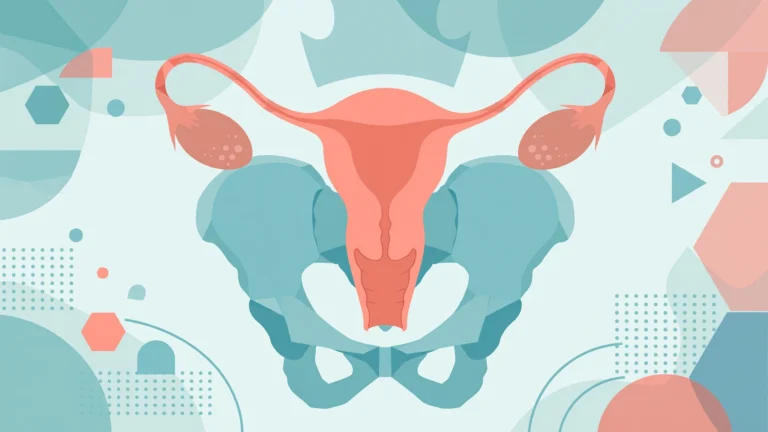
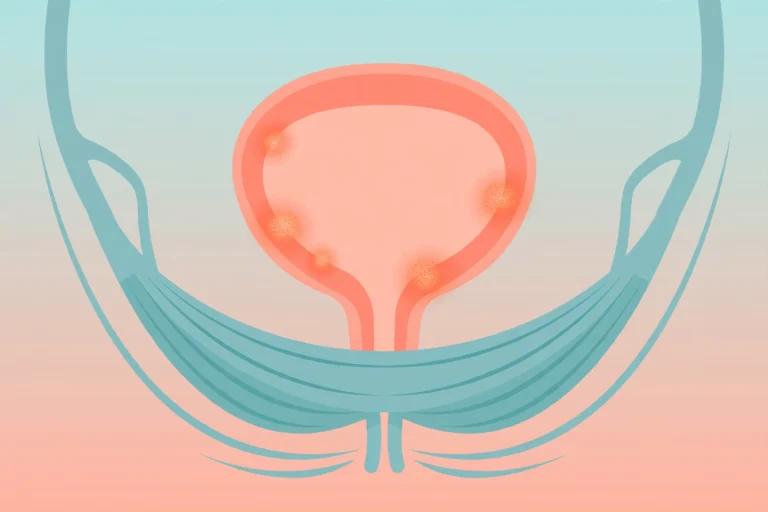
Healthy vaginal walls stay lubricated with a thin layer of clear fluid. The hormone estrogen helps maintain that fluid and keeps the vaginal lining thick, elastic, and resilient. When estrogen levels fall, the tissues produce less moisture, the walls thin out, and the vagina loses some elasticity. Doctors call this cluster of changes the genitourinary syndrome of menopause (GSM) — the modern term for “vaginal atrophy,” updated because the condition involves the vulva and urinary tract too.
Because dryness has so many possible triggers, an effective vaginal dryness causes treatment plan always starts with finding the underlying reason — treating the cause, not just the symptom, is what brings lasting relief.
How common is it? Cleveland Clinic reports that more than 15% of women experience vaginal dryness before menopause, and over half experience it after menopause. WebMD notes that about 1 in 6 women aged 18 to 50 notice it during sex, and that figure climbs past 50% after menopause.
Vaginal Dryness Causes Treatment: Finding Your “Why” First
Every vaginal dryness causes treatment plan starts with identifying the cause, because the treatment depends on why the dryness began. Doctors group the causes into four categories.
Hormonal changes
- Perimenopause and menopause: the most common cause. As estrogen production declines, vaginal secretions diminish.
- Childbirth and breastfeeding: estrogen drops sharply after delivery and stays low while nursing, which is why new mothers frequently report dryness.
- Cancer treatment: chemotherapy, pelvic radiation, and hormone-blocking therapies can lower estrogen or directly damage vaginal tissue.
- Surgical removal of the ovaries: causes a sudden, steep drop in estrogen and can bring on severe dryness quickly.
- Hormonal birth control: any form of hormonal contraception can reduce natural lubrication in some women.
- Anti-estrogen medications prescribed for uterine fibroids or endometriosis.
Medications that dry mucous membranes
- Certain antidepressants (especially SSRIs and some tricyclics)
- Antihistamines and decongestants (cold and allergy medicines)
- Some hormonal treatments and pelvic radiation therapies
A standard part of any vaginal dryness causes treatment evaluation is a medication audit: bringing a full list of prescriptions, over-the-counter drugs, and supplements so the clinician can check whether any of them dry out mucous membranes body-wide. Never stop or change a prescription on your own — the prescriber can often adjust the dose or switch to a less drying alternative.
Medical conditions
- Sjögren’s syndrome: an autoimmune disorder that attacks the body’s moisture-producing cells, including the vaginal glands.
- Diabetes: can impair blood flow and nerve function, reducing lubrication.
- Lupus and other autoimmune conditions
- Lichen planus or lichen sclerosus affecting the vulva — these skin conditions cause thinning and soreness that overlap with dryness symptoms and need their own specific treatment.
Lifestyle and irritants
- Scented or perfumed soaps, sprays, washes, and intimate deodorants
- Douching, which disrupts the vagina’s natural chemical balance
- Smoking, which accelerates estrogen decline
- Chronic stress and depression, which blunt the arousal response
- Alcohol use and dehydration
- Insufficient arousal before intercourse — even when a woman feels mentally ready, her body may need more time
Symptoms That Signal Dryness
When doctors discuss vaginal dryness causes treatment options, they first ask which symptoms bother the patient most. Dryness ranges from a mild lack of moisture to daily discomfort that interferes with life:
- Itching, burning, or a raw feeling in or around the vagina
- Pain or discomfort during sex (clinicians call this dyspareunia)
- Light bleeding or spotting after intercourse, because thinner tissue tears more easily
- Soreness of the vulva when walking, sitting, or exercising
- Needing to urinate more often, urgency, or burning when urinating
- Recurring urinary tract infections or yeast infections
One symptom deserves special attention: bleeding after sex in a postmenopausal woman always warrants a medical visit, because the clinician needs to rule out other causes such as polyps or endometrial changes. Do not assume spotting is “just dryness” without a check.
Spotting these signs early matters: beginning a vaginal dryness causes treatment plan sooner leads to faster, better results than waiting until discomfort becomes severe.
How Doctors Evaluate Vaginal Dryness
For couples wondering what a medical appointment involves — and for clinicians reading this — here is the typical evaluation. It is straightforward, quick, and usually not painful.
- Symptom and medication history: when dryness started, what makes it better or worse, full medication list, menstrual and menopausal history, and sexual history taken sensitively.
- Pelvic examination: the clinician checks the vaginal walls for thinning, paleness, loss of elasticity, redness, and any tears or discharge.
- Ruling out look-alikes: vaginal or urinary infections, lichen sclerosus, and contact irritation can mimic or coexist with dryness. A swab or small cell sample is sometimes checked under the microscope.
- Vaginal pH: a healthy vagina is mildly acidic; dryness-related changes tend to shift pH upward, and a simple pH strip can support the diagnosis.
- Occasionally, blood tests to check estrogen or rule out thyroid disorders, depending on the clinical picture.
Clinicians stress two points: dryness is a medical symptom, not a personal failing or a sign of lost attraction; and effective treatment exists at every severity level. Gynecologists evaluate this complaint every single day — there is no need for embarrassment.
After the evaluation, the clinician matches the findings to a vaginal dryness causes treatment approach tailored to the cause — hormonal, medication-related, or lifestyle-driven.
The Step-Up Approach to Treatment
The standard vaginal dryness causes treatment ladder is a step-up approach: start with the simplest, safest option, and move to prescription therapies only if symptoms persist or are severe.
| Step | Treatment | How it works | Best for |
|---|---|---|---|
| 1 | Vaginal moisturizers | Rehydrate the vaginal lining; used regularly every few days, not just during sex; some normalize vaginal pH | Mild to moderate daily dryness |
| 2 | Lubricants (water- or silicone-based) | Reduce friction and discomfort during sexual activity; short-acting relief | Pain or friction during sex |
| 3 | Low-dose vaginal estrogen (cream, tablet, or ring) | Restores moisture, thickness, and elasticity directly in vaginal tissue with minimal bloodstream absorption | Moderate to severe dryness, especially with urinary symptoms |
| 4 | Ospemifene (oral SERM) | Acts like estrogen in vaginal tissue; once-daily tablet that thickens tissue and reduces pain with sex | Women who prefer a pill or cannot use vaginal products |
| 5 | Vaginal DHEA (suppository) | Converts locally to estrogen-like activity; improves painful sex in menopause | Prescription alternative when estrogen is not suitable |
| 6 | Hyaluronic acid suppositories | Non-hormonal inserts that keep the vagina lubricated | Women who want to avoid hormones entirely |
First line: moisturizers and lubricants
Over-the-counter moisturizers and lubricants are the first line for mild dryness, and doctors want patients to understand the difference:
- Moisturizers (for example, polycarbophil-based products such as Replens, or hyaluronic-acid gels) are applied inside the vagina every few days to keep the lining healthy. Many doctors suggest applying them at bedtime to reduce leakage. Some initial discharge is normal and usually settles within one to two weeks.
- Lubricants (water-based products such as K-Y or Astroglide, or silicone-based ones) are applied just before sexual activity. Clinicians generally recommend water-based lubricants and advise against petroleum jelly (which can weaken condoms) or glycerin (which can irritate sensitive tissue). Never use a cream that was not designed for vaginal use — face and body lotions are too harsh.
For many women, this simple first-step vaginal dryness causes treatment approach eases mild symptoms within a few weeks.
Second line: prescription estrogen and estrogen-like therapies
When OTC options fail, the vaginal dryness causes treatment conversation moves to low-dose local estrogen. This is not full-body hormone therapy: the dose is small, acts directly on vaginal tissue, and puts far less estrogen into the bloodstream than oral hormone tablets.
- Vaginal estrogen creams are applied with an applicator, typically daily for the first one to three weeks, then a few times a week as directed.
- Vaginal tablets are inserted with a disposable applicator, usually daily for two weeks, then twice weekly.
- Vaginal rings are placed in the vagina and release a steady, low dose of estrogen for up to three months before being replaced.
- Ospemifene is a once-daily oral tablet. Doctors note the FDA warning that it can thicken the uterine lining and may raise the risk of blood clots and stroke.
- Vaginal DHEA is a suppository that improves painful sex in menopause through local estrogen-like action.
Local estrogen is not appropriate for everyone. Doctors generally avoid it in women with a history of breast cancer (especially those taking aromatase inhibitors), endometrial cancer, unexplained vaginal bleeding, or who are pregnant or breastfeeding. This risk assessment is exactly why prescription options require a clinician’s guidance — and why self-treating with hormone creams bought online is something every major medical source warns against.
Choosing the right prescription-level vaginal dryness causes treatment depends on personal medical history, which is exactly why a clinician’s guidance is essential before starting any hormonal option.
Adjuncts and emerging options
Hyaluronic acid suppositories offer a hormone-free insert option. Pelvic floor exercises (Kegels) and, when indicated, vaginal dilators used with physical therapy can improve blood flow and tissue elasticity, particularly when dryness comes with tightness or pain.
Lifestyle Habits That Support Treatment
Doctors consistently recommend these everyday measures alongside medical care. None replaces treatment for persistent dryness, but each supports the vaginal dryness causes treatment plan:
- Stop douching; use gentle, fragrance-free cleansing for the vulva only
- Stay hydrated and maintain regular sexual stimulation (with a partner or alone), which increases blood flow to vaginal tissues
- Allow more time for arousal and foreplay before intercourse
- Quit smoking — it is directly linked to earlier and more severe dryness
- Manage stress and get enough sleep; both influence the arousal response
- Explore intimacy beyond intercourse — massage and mutual touch can be deeply fulfilling while dryness is being treated
These habits never replace medical care on their own, but they make every other vaginal dryness causes treatment option work better and help keep symptoms from returning.

For Couples: Talking About Dryness With Your Partner
Untreated dryness quietly damages relationships. Pain during sex leads to avoidance, avoidance leads to distance, and distance gets misread — a partner may wrongly conclude they are no longer desired. Clinicians stress one medical fact: dryness is not a measure of attraction. Hormones, medications, stress, and fatigue change lubrication; desire and love are separate matters.
- Name it as a medical issue. “This is a common, treatable condition” lands very differently than silence or vague excuses.
- Consider attending the appointment together. Hearing the clinician explain the cause firsthand often lifts the burden of blame from both partners.
- Redesign intimacy temporarily. Foreplay, lubricants, and non-penetrative intimacy are not compromises — they are part of the treatment plan.
- Avoid the pressure trap. Relaxed, unhurried intimacy restores the body’s natural response far better than anxious “try again” attempts.
Partners reading this: your support is part of the treatment. Women consistently report that a partner who understands vaginal dryness causes treatment options is what made them seek care sooner. If low desire has also become part of the picture, our guide on low libido’s common causes worth ruling out first walks through how clinicians separate desire problems from dryness-driven avoidance.
When to See a Doctor
When any of these apply, the vaginal dryness causes treatment conversation starts with a single appointment — with a gynecologist, primary care doctor, or family physician:
- Dryness persists despite regular use of moisturizers and lubricants
- Sex is painful, or you have started avoiding intimacy
- There is bleeding after sex, especially after menopause
- You notice unusual discharge, odor, or intense itching (possible infection)
- Urinary symptoms appear: burning, urgency, or recurring infections
- Dryness began around the same time you started a new medication
- You have a history of breast or endometrial cancer and are considering hormone treatment
Untreated dryness can contribute to daily discomfort, painful sex, relationship stress, and even anxiety or low mood, so early treatment is worthwhile. For authoritative overviews, the Cleveland Clinic’s guide to vaginal dryness and WebMD’s causes and moisturizing treatments page are references doctors themselves recommend to patients.
FAQs
Why am I dry down there all of a sudden?
Sudden dryness most often follows a hormonal shift or a new medication — starting hormonal birth control, an antidepressant, or an antihistamine; the postpartum period; or entering perimenopause. Harsh new soaps or douching can also disrupt things quickly. If it persists for more than a couple of weeks, see a doctor to identify the cause and start the right vaginal dryness causes treatment for your situation.
Does vaginal dryness mean menopause is starting?
Not necessarily. While menopause is the most common cause, dryness also affects younger women after childbirth, during breastfeeding, with certain medications, or during periods of high stress. In perimenopause, fluctuating estrogen can cause intermittent dryness. A clinician can determine whether your symptoms are menopause-related or have another explanation.
Can vaginal dryness go away on its own?
Sometimes, if the trigger is temporary — dryness during breastfeeding often resolves after weaning, and medication-related dryness may improve when a prescription changes. But menopause-related dryness rarely improves without treatment and typically worsens over time. Because effective options exist at every severity level, doctors advise against waiting in silence — starting a proper vaginal dryness causes treatment plan early almost always leads to better outcomes.
Is it safe to use vaginal moisturizers and lubricants every day?
Yes, provided they are products made specifically for vaginal use. Moisturizers are designed for regular use every few days, and lubricants for use before sexual activity. Avoid scented products, douches, petroleum jelly near condoms, and any cream not intended for intimate use. If irritation appears, stop using the product and ask your pharmacist or doctor for an alternative.
Can vaginal dryness cause bleeding after sex?
Yes — thinner, less elastic tissue tears more easily during intercourse, causing light spotting. This is common with dryness. However, any bleeding after sex deserves medical attention, and in postmenopausal women it always warrants evaluation, since clinicians must rule out other causes. Do not assume spotting is “just dryness” without a check.
I am too embarrassed to bring this up with my doctor. What should I do?
Embarrassment is the single biggest reason women delay care, and you are far from alone. Gynecologists and family doctors evaluate vaginal dryness every day; to them it is as routine as blood pressure. Writing your symptoms down beforehand or simply saying “I have some questions about vaginal dryness” is enough to start. Early treatment is simpler than late treatment, and most women wish they had asked sooner.
Honest communication with your partner, the right products, and asking a doctor about vaginal dryness causes treatment options when self-care is not enough — that combination resolves the problem for most women. If desire, rather than dryness alone, is the deeper concern, you may also find our guide to low libido’s common causes a useful next read.
Medical disclaimer: This article is for educational purposes only and is not medical advice. It does not diagnose any condition and does not replace professional guidance. Treatment decisions — including any prescription therapy — should be made with a qualified healthcare professional who knows your medical history. If you have concerning symptoms such as unexplained bleeding, severe pain, or signs of infection, please consult a doctor promptly.