Painful Intercourse After Menopause: Causes and Treatments
Painful intercourse after menopause is one of the most common, and most underreported, sexual health concerns among women in midlife. Clinicians call it dyspareunia, and surveys of postmenopausal women not on hormone therapy report it in as many as 20 to 30 percent of them, according to the Mayo Clinic. If sex has started to hurt — during penetration, deep thrusting, or even afterward — you are far from alone, and more importantly, you do not have to simply accept it.
Unlike many menopause symptoms, painful intercourse after menopause responds very well to treatment once the cause is identified. This guide explains why sex becomes painful after menopause, how doctors find the cause, and which treatments they recommend — written for both partners in the relationship and for the clinicians counseling them.
What Is Dyspareunia?
Dyspareunia is the medical term for pain experienced before, during, or after vaginal intercourse. Doctors usually divide it into two patterns. Superficial pain happens at the entrance to the vagina when penetration begins and often feels sharp or burning. Deep pain occurs with deeper thrusting or certain positions and is more often described as aching or cramping in the pelvis. Some women experience both at once. The distinction matters because each pattern points toward different causes — and therefore different treatments — which is why describing your pain accurately at a medical visit is so valuable.
For many women, painful intercourse after menopause creeps in gradually: first a little dryness, then friction or soreness, then enough pain that intimacy gets avoided. Avoidance creates its own problem — less sexual activity accelerates the loss of tissue health and elasticity. Treatment can reverse this cycle.
Why Painful Intercourse After Menopause Happens: The Main Causes
The dominant driver of painful intercourse after menopause is hormonal, but it is rarely the only factor. Gynecologists work through several categories of causes before settling on a treatment plan.
Genitourinary Syndrome of Menopause (GSM)
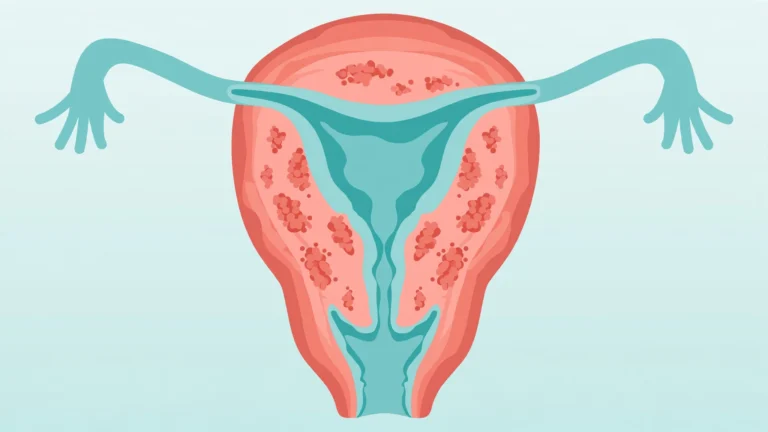
The single most common cause is the collection of tissue changes that follow the decline in estrogen after menopause, known as the genitourinary syndrome of menopause (GSM) — previously called vaginal atrophy or atrophic vaginitis. Estrogen keeps the vaginal lining thick, moist, and elastic, maintains healthy acidity that resists infection, and supports good blood flow to the tissues.
When estrogen levels fall, the lining thins, lubrication decreases, and the tissue becomes more fragile and prone to tearing, bleeding, and inflammation with friction. This is how painful intercourse after menopause usually begins — quietly, in the first years after periods stop. The same hormonal shift often brings urinary symptoms such as frequent urination, stress incontinence, and recurrent urinary tract infections, which can add to sexual discomfort. (Healthline’s overview of menopause-related vaginal pain describes how these tissue changes typically progress.)
Reduced Elasticity and Shortening
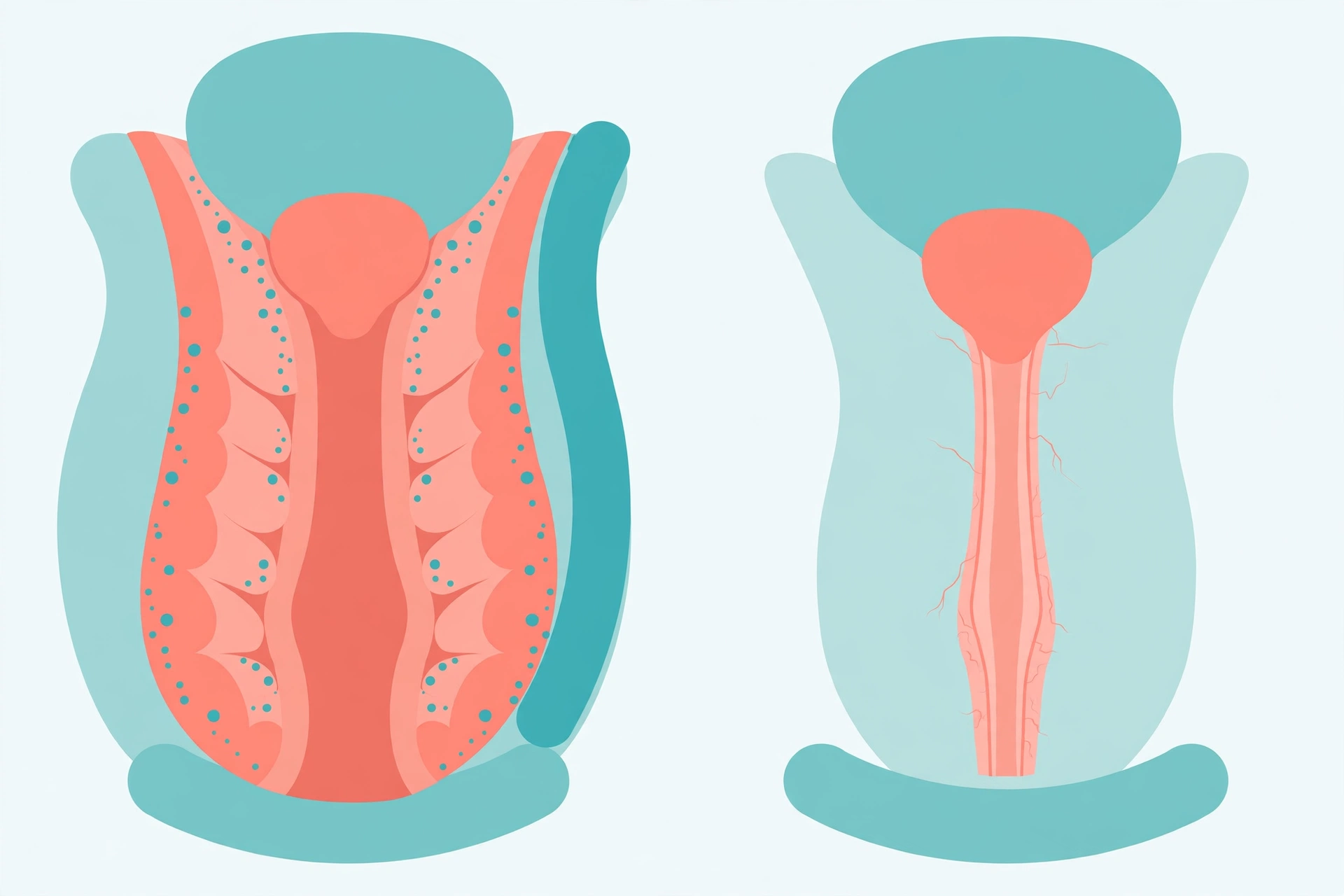
Lower estrogen does not only dry the tissues — it changes their structure. The vaginal canal can lose elasticity and may become shorter and narrower at the opening. Penetration that once caused no trouble can then cause tearing or a sensation of tightness. This is one reason doctors say “use it or lose it” is genuinely true of vaginal tissue health: regular arousal and sexual activity, including self-pleasure, improve blood flow and help preserve tissue suppleness.
Pelvic Floor Muscle Tension
When sex starts to hurt, many women begin to anticipate pain, and that anticipation makes the pelvic floor muscles guard and tighten involuntarily. Tight, tender pelvic floor muscles then make penetration more painful — a self-reinforcing cycle. In some women this progresses to vaginismus, where the muscles spasm and make penetration painful or impossible. Fear of pain itself reduces natural lubrication, which adds friction to an already sensitive situation.
Infections and Skin Conditions
Not every case of painful intercourse after menopause is hormonal. Yeast or bacterial infections, urinary tract infections, and inflammatory skin conditions such as lichen sclerosus or eczema affecting the vulva can all cause pain at the entrance or burning afterward. Latex sensitivity to condoms and irritation from fragranced soaps, sprays, or laundry products are other frequently overlooked triggers. These causes are straightforward to treat once identified, which is why a proper examination matters.
Medications, Surgeries, and Other Conditions
Several common medicines contribute to vaginal dryness, including certain antidepressants, blood pressure medications, antihistamines, and some cancer treatments. Scarring from pelvic surgery — including hysterectomy — or from pelvic radiation can make sex painful, as can endometriosis, fibroids, ovarian cysts, or uterine prolapse in the years around menopause. Emotional factors play a real role too: stress, depression, anxiety about pain, and relationship tension can reduce arousal and tighten muscles. If low desire feels like a separate issue from the pain, our guide to the common causes of low libido doctors check first can help you sort out which problem is which.
Mapping Your Pain: A Guide for Your Doctor Visit
Doctors diagnose the cause of painful intercourse after menopause largely from the history you give them, so arriving with a clear description of your pain can speed up getting the right treatment — clinicians consistently say it is the most useful thing a patient can bring. Before your visit, think through these six questions:
- Where exactly does it hurt? At the entrance with initial penetration, deep inside with thrusting, or a burning sensation afterward? Superficial pain points toward tissue dryness, skin conditions, or infection; deep pain points toward pelvic floor dysfunction, fibroids, or endometriosis.
- What does it feel like? Sharp, burning, tearing, aching, or soreness? Burning suggests irritation or infection; sharp entry pain suggests thin tissue; aching with deep thrusting suggests muscular or pelvic-organ causes.
- When did it start? Gradually after menopause (hormonal changes are likely) or suddenly after a new medication, surgery, infection, or stressful life event (a specific trigger is likely).
- Does it happen every time? Pain with every attempt suggests an ongoing physical cause; pain that comes and goes may relate to arousal level, lubrication, or anxiety cycles.
- Is there bleeding or discharge? Spotting after sex is common with thin tissue, but any new postmenopausal bleeding deserves prompt medical evaluation regardless of its cause.
- What have you already tried? Note any lubricants, moisturizers, or medications you have tried and whether they helped — this tells your doctor where to start.
Bring this as a short written note. A clinician who can read your pain map in thirty seconds can narrow the diagnosis far faster than one starting from scratch — and it saves you from having to find the right words under pressure in the exam room.
How Doctors Diagnose the Cause
After taking your history, the doctor will typically perform a gentle pelvic examination, looking for signs of thinning or inflammation on the vaginal walls, checking the vulva for skin conditions, and assessing the pelvic floor muscles for tenderness or tightness. They may take swabs if infection is suspected or order imaging such as a pelvic ultrasound if deep pain suggests fibroids or prolapse, and they will often review your medications, since several common prescriptions contribute to dryness. This examination is usually quick and gentle, and it is specifically designed to identify which type of painful intercourse after menopause you are experiencing.
Treatments Doctors Recommend: A Step-by-Step Ladder
Most guides list treatment options as an undifferentiated menu. When doctors treat painful intercourse after menopause, they usually work through a step-by-step ladder instead, starting with the simplest, lowest-risk measures and escalating only if needed. The table below shows that ladder as clinicians typically apply it.
| Step | What It Involves | When Doctors Recommend It |
| 1. Lubricants and moisturizers | Water- or silicone-based lubricants during sex; vaginal moisturizers every 2–3 days to maintain tissue hydration. | First line for everyone with dryness-related pain. |
| 2. Lifestyle and arousal measures | Longer foreplay, gentler hygiene (warm water, no fragranced products, cotton underwear), and regular sexual activity or self-pleasure. | Alongside step 1; often enough for mild symptoms. |
| 3. Treating identified causes | Antibiotics or antifungals for proven infections; topical steroids for diagnosed skin conditions; medication reviews and switches. | When examination finds a specific cause. |
| 4. Low-dose vaginal estrogen | Cream, tablet, or vaginal ring delivering a low estrogen dose directly to the tissues; may be paired with a vaginal moisturizer. | The standard choice when estrogen-related tissue changes are the main cause. |
| 5. Non-hormonal prescriptions | Oral or vaginal medications that mimic or stimulate estrogen’s effects on vaginal tissue, such as ospemifene or prasterone. | For women who prefer to avoid estrogen or cannot use it. |
| 6. Pelvic floor physical therapy | A specialized therapist relaxes tight pelvic muscles, teaches stretching, and may use graded dilation exercises. | When muscle tension or vaginismus contributes to the pain. |
| 7. Specialist care | Pain clinic referral, topical anesthetics, treatment of endometriosis or fibroids, surgery in rare cases, and sex therapy or counseling. | When simpler steps have not resolved persistent pain. |
A few important notes on these treatments. Unlike lubricants and moisturizers, which relieve friction, low-dose vaginal estrogen actually helps reverse the tissue changes of GSM — thinning, dryness, and lost elasticity — and is considered the first choice for moderate to severe estrogen-related symptoms.
If you have had breast cancer or are at high risk, discuss the risks and benefits carefully with your doctor before starting any hormonal therapy. Mayo Clinic’s guidance on painful sex after menopause covers these trade-offs in detail. Treatment also takes time: many women notice improvement within a few weeks of starting vaginal estrogen or moisturizers, but full benefit can take two to three months, and pelvic floor therapy typically requires several sessions. If the first approach does not fully work, doctors adjust rather than give up — finding the right combination for painful intercourse after menopause is a process, not a single visit.

A Partner’s Guide: How to Support Her
Articles on painful intercourse after menopause are almost always written only for the woman experiencing it, yet intimacy involves two people — and partners frequently report feeling rejected, confused, or afraid of causing harm. If you are the partner, these guidelines can genuinely change the outcome:
- Do not take avoidance personally. When sex hurts, withdrawal is about pain, not about you. Treat it as a medical problem you are solving together, not a judgment on the relationship.
- Ask, don’t assume. “Tell me what feels okay right now” works far better than guessing. Many couples find that a simple system — green for good, yellow for slow down, red for stop — removes the pressure of speaking up mid-intimacy.
- Slow down and expand the definition of intimacy. Longer foreplay is not just romantic advice; it directly improves natural lubrication and reduces pain. While treatment takes effect, many couples rediscover non-penetrative intimacy — and often report it brings them closer.
- Attend the doctor visit if she wants you there. Partners who hear the diagnosis and treatment plan firsthand are far more consistent in supporting it at home.
- Be patient with the timeline. Finding the right treatment combination can take weeks to months. Pressure to “be fixed by the weekend” turns a medical process into performance anxiety, which itself worsens pain.
Sex therapists consistently say that couples who communicate well during this period often emerge with a stronger intimate life than before — the shared problem-solving becomes part of the connection. For broader perspective on keeping intimacy alive through midlife changes, see our sexual wellness resources for couples.
When to See a Doctor Promptly
Book a routine appointment for persistent painful intercourse after menopause — there is no benefit in waiting. Seek prompt evaluation for any new vaginal bleeding after menopause (any bleeding after a full year without periods should always be evaluated), pain that appears suddenly rather than gradually, pelvic pain outside of intercourse, unusual discharge, or pain that keeps worsening despite treatment.
Also mention any new medication started around the time the pain began, since a dosage adjustment or alternative prescription sometimes resolves the problem entirely.
FAQs
Is painful sex after menopause normal, or should I be worried?
Painful intercourse after menopause is extremely common — affecting up to half of postmenopausal women by some estimates — but “common” does not mean “ignore it.” Persistent pain is not a normal part of aging you must accept; it is a medical symptom with effective treatments. See your doctor for persistent pain, and seek prompt evaluation for any postmenopausal bleeding.
Can painful intercourse after menopause be completely resolved?
In many cases, yes. When the cause is estrogen-related tissue change, low-dose vaginal estrogen, moisturizers, and lubricants significantly improve or fully resolve the pain for most women. Infections, skin conditions, and medication-related causes are also highly treatable. Complex cases involving pelvic floor dysfunction may need several months of therapy, but most women regain comfortable intimacy.
What is the difference between a vaginal moisturizer and a lubricant?
A vaginal moisturizer is used routinely — typically every two to three days — to maintain ongoing tissue hydration, much like face moisturizer. A lubricant is applied at the time of sex to reduce friction during intercourse. For the best results, doctors usually recommend using both when treating painful intercourse after menopause: a moisturizer for daily tissue health and a lubricant for comfort during intimacy.
Is vaginal estrogen safe if I have had breast cancer?
If painful intercourse after menopause is affecting your quality of life and you have a history of breast cancer, this is a decision only you and your doctor can make together. Low-dose vaginal estrogen has minimal systemic absorption compared with systemic hormone therapy, but women with a history of breast cancer — particularly hormone-sensitive cancers — should discuss the risks and benefits with their oncologist and gynecologist. Non-hormonal prescription options and moisturizers remain available alternatives.
Will avoiding sex make the pain worse?
It can. Reduced sexual activity contributes to loss of tissue health and elasticity, and avoidance often deepens the fear-pain cycle. Doctors note that regular arousal and sexual activity — including self-pleasure — improve blood flow and help preserve tissue suppleness. Using lubricants and treating the underlying cause allows most women to stay sexually active comfortably during treatment.
How long does treatment take to work?
Many women notice improvement within two to four weeks of starting vaginal moisturizers or low-dose vaginal estrogen for painful intercourse after menopause, though full benefit can take two to three months. Pelvic floor physical therapy typically requires several sessions over a few months. If the first approach does not fully work, doctors adjust the plan rather than giving up.
Medical disclaimer: This article is for educational purposes only and is not medical advice. Painful intercourse can have many causes, and only a qualified healthcare professional who examines you can diagnose your condition and recommend appropriate treatment. Never start, stop, or change any medication or treatment based on information in this article — consult your doctor, gynecologist, or another qualified healthcare provider first.
Painful intercourse after menopause is common, well understood, and treatable. The women who get the best outcomes describe their symptoms clearly and work with their doctor up the treatment ladder until intimacy feels good again. Remember that painful intercourse after menopause is a medical problem to solve together — not a personal failing — so talk to your doctor about your options, and explore our related guides on sexual wellness as you and your partner navigate this chapter together.