Testosterone and Prostate Health: What Men Should Know
If you have ever wondered about the link between testosterone and prostate health, you are not alone. For decades, men with low energy and declining drive were told that testosterone therapy might endanger their prostate. That fear kept many men from seeking treatment — and much of it was built on an outdated understanding of the science. This guide covers what doctors now know about testosterone and the prostate: benign enlargement, prostate cancer risk, PSA monitoring, and how to talk with your doctor.
How Testosterone and Prostate Health Are Connected
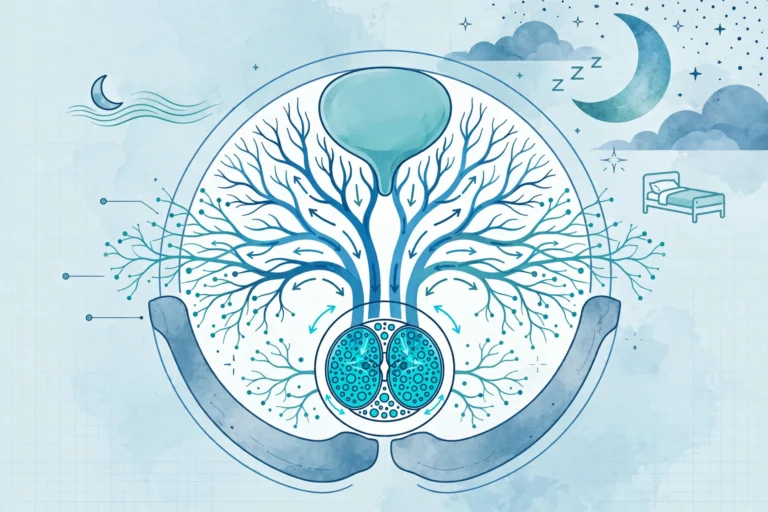
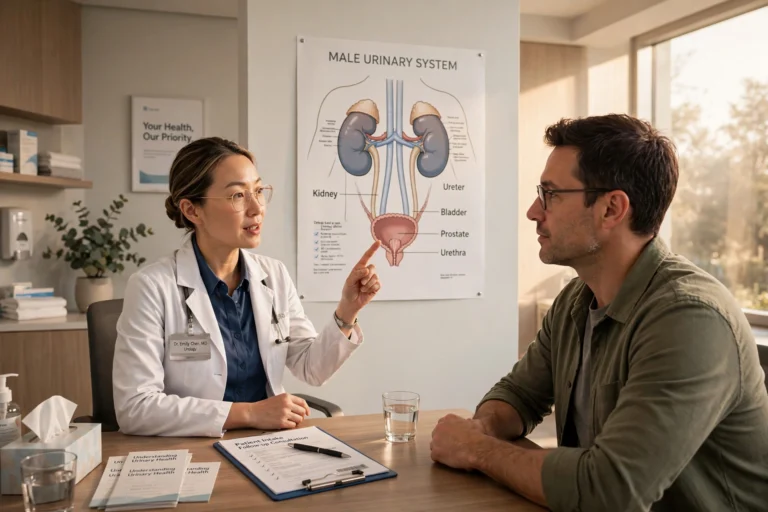
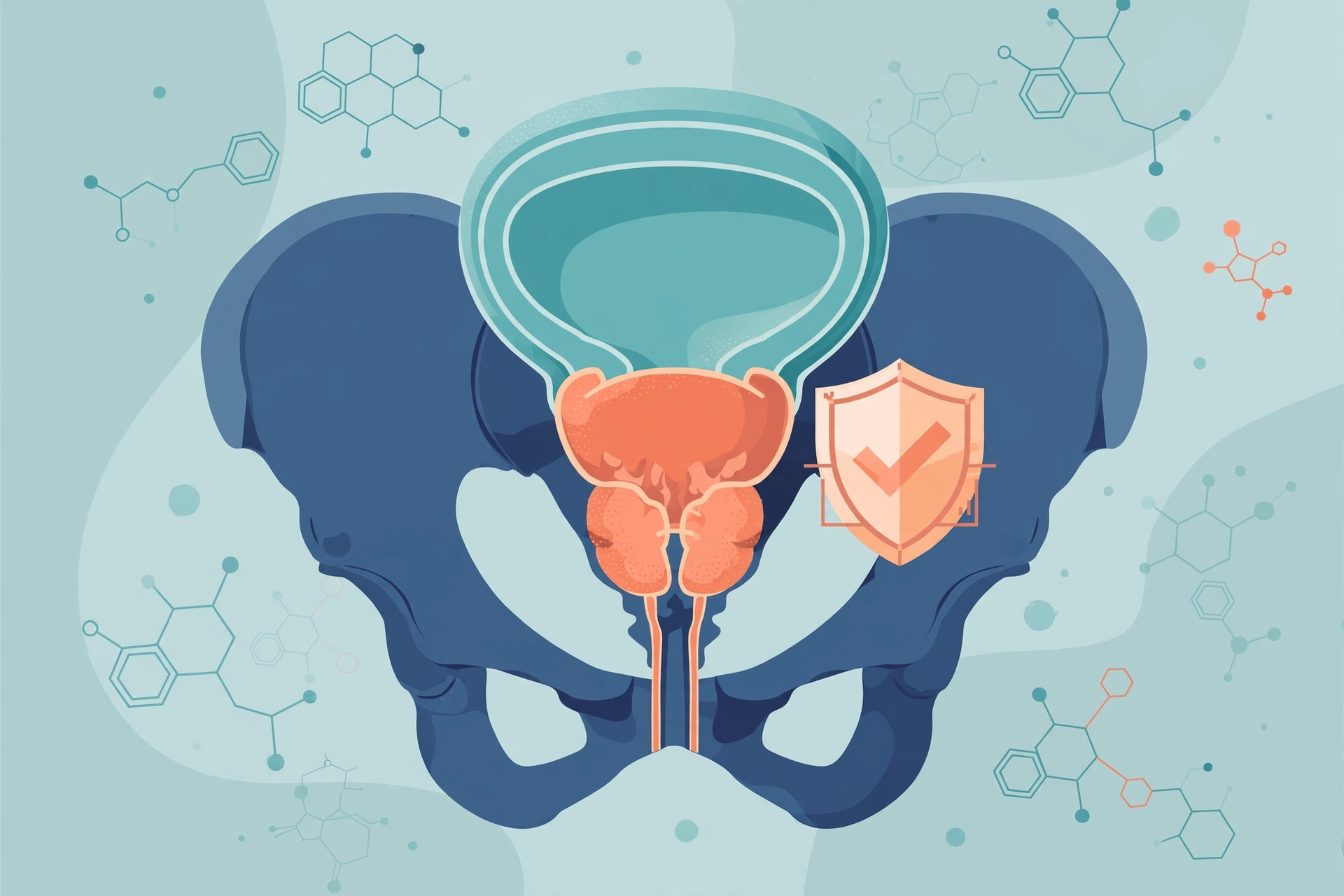
The prostate is a small, walnut-sized gland below the bladder that produces much of the fluid that carries sperm. Because the prostate depends on male hormones to develop and function, testosterone plays a role in its biology throughout a man’s life.
Inside the prostate, an enzyme converts some testosterone into dihydrotestosterone (DHT), a more potent androgen that drives prostate growth — normal during puberty, but also the main force behind the gradual enlargement that affects most aging men.
Understanding testosterone and prostate health therefore means keeping two very different conditions separate. Confusing them is one of the most common mistakes men make on this topic:
- Benign prostatic hyperplasia (BPH) — non-cancerous enlargement of the prostate that causes urinary symptoms. Extremely common with age, and not a cancer risk in itself.
- Prostate cancer — malignant growth within the gland. Whether testosterone therapy raises this risk is the question that dominated research for decades.
Confusing these two conditions is one of the most common mistakes men make when reading about testosterone and prostate health, so we will treat them separately throughout this article.
The 1941 Study That Started the Fear
The belief that testosterone fuels prostate cancer traces back to research published in 1941 by Dr. Charles Huggins. He observed that when testosterone was removed from the body (through castration), existing prostate tumors shrank, and when testosterone was given, existing tumors grew. From this, a conclusion was drawn that seemed logical: if removing testosterone slows prostate cancer, testosterone itself must cause it.
That conclusion became medical dogma for the better part of a century. The problem is that it mixed up two different things. There is an important distinction that modern urologists emphasize: stimulating the growth of an existing cancer is not the same as causing cancer in the first place. Testosterone can stimulate existing prostate cancer cells, but large studies have consistently failed to show that it causes cancer in healthy prostate tissue. This distinction — stimulation versus causation — is the foundation of every modern discussion of testosterone and prostate health.
What the TRAVERSE Study Found
The strongest modern evidence on testosterone and prostate health comes from the TRAVERSE study, published in 2023 in the New England Journal of Medicine: 5,246 men aged 45 to 80 with low testosterone and increased cardiovascular risk were followed for roughly 22 months in the largest randomized, placebo-controlled safety trial of TRT ever conducted.
The prostate-related findings were striking in their lack of drama:
- The incidence of prostate cancer was 0.46% in the testosterone group versus 0.42% in the placebo group — essentially identical.
- PSA levels rose slightly more in the testosterone group early on, but there was no significant difference between the groups after month 12.
- Rates of more aggressive (high-grade) prostate cancer did not differ either.
Taken together, these findings represent the strongest evidence yet that testosterone and prostate health can coexist safely under proper medical supervision.
One important caveat: the trial excluded men with a history of prostate cancer and those at high prostate cancer risk. So the reassurance applies most clearly to men with low testosterone and no active prostate disease. Later reviews, including a 2026 review in The Journal of Urology, reached the same conclusion: testosterone therapy was not associated with increased prostate cancer risk.
Notably, regulatory thinking has begun to shift as well. Health officials have moved toward softening the long-standing prostate cancer warnings on testosterone product labels — a sign of how far the consensus has moved from the 1941 assumptions. If you want a detailed overview of how low testosterone is diagnosed and treated, see our guide on the common causes of low libido worth ruling out first.
The Saturation Model: Why More Testosterone Doesn’t Mean More Prostate Growth
One reason the old fears did not hold up is a concept called the saturation model. Research suggests that prostate tissue becomes “saturated” with testosterone at relatively low levels — once androgen receptors are occupied, adding more testosterone does not stimulate the gland further.
This explains the real-world pattern researchers kept finding: men with very low testosterone and men with normal testosterone had similar prostate cancer rates. It is the reaching of the saturation point, not the total amount of testosterone in the blood, that governs stimulation of the gland. That is why restoring low testosterone to a normal range does not keep ratcheting up prostate growth — and why low testosterone offers no protection against prostate cancer. For men weighing testosterone and prostate health decisions, the saturation model is the concept that matters most.

BPH: The Prostate Problem Most Testosterone Articles Skip
Here is the gap almost every article on testosterone and prostate health leaves out: while the cancer debate gets the headlines, benign prostatic hyperplasia (BPH) is the prostate condition that actually affects the most men — about half of men in their 50s and the large majority of men over 80, according to major medical centers.
But it can cause frustrating urinary symptoms:
- A weak or interrupted urine stream
- Needing to urinate more often, especially at night
- Difficulty starting urination or a feeling the bladder is never fully empty
- Sudden, urgent need to go
Because DHT is the main driver of prostate enlargement, doctors treat BPH with medications that reduce DHT — not by lowering all testosterone. Men with BPH who also have low testosterone often worry that testosterone therapy will worsen urinary symptoms. The honest clinical answer is nuanced: TRT can slightly increase prostate volume, but studies have not shown that it meaningfully worsens BPH symptoms for most men. Doctors typically assess urinary symptoms before starting therapy and monitor them during treatment, and severe untreated urinary obstruction should be evaluated by a urologist first.
If you notice new urinary symptoms, see a doctor — do not just assume they are a side effect of aging or hormones. A short written record of your symptoms is a practical testosterone and prostate health habit that makes that appointment more productive.
PSA Monitoring: What a Responsible Schedule Looks Like
One thing the science is unambiguous about: even though testosterone therapy does not appear to increase prostate cancer risk, prostate monitoring is still essential. Prostate cancer is common in aging men regardless of hormone levels, and early detection saves lives.
Before starting testosterone therapy, doctors who follow current guidelines typically:
- Measure a baseline PSA (prostate-specific antigen) blood test
- Perform or review a digital rectal examination when appropriate for age and risk
- Take a careful personal and family history of prostate cancer and urinary problems
- Check hematocrit (red blood cell concentration), since TRT can raise it
During treatment, PSA is usually rechecked periodically — often around 3–6 months after starting, then at intervals your doctor sets based on your age and risk profile. A rising PSA, a value above the expected range for your age, or new urinary symptoms are the signals that prompt a repeat test, a pause in therapy, or a referral to a urologist.
Men who need more careful evaluation before starting TRT include those with a personal history of prostate cancer, an elevated baseline PSA, significant urinary symptoms, or a strong family history of the disease. For these men, the conversation should always involve a urologist — not a refusal of care based on outdated fears, but a properly supervised plan. For these men especially, testosterone and prostate health is a team effort between patient, doctor, and urologist. The Mayo Clinic publishes a plain-language overview of the potential benefits and risks of testosterone therapy that is worth reading before your appointment.
Your Decade-by-Decade Guide to Testosterone and Prostate Health
Both testosterone decline and prostate growth follow roughly predictable timelines, so it helps to know what to watch at each stage of your testosterone and prostate health journey:
| Your 40s | Testosterone begins its slow decline (roughly 1% per year). Prostate symptoms are uncommon, but screening conversations should start at 45 if you are at higher risk — men with a first-degree relative who had prostate cancer, for example. Report persistent urinary changes rather than ignoring them. |
| Your 50s | BPH symptoms often appear in this decade. Most guidelines suggest discussing routine PSA screening starting at 50 for average-risk men. If low testosterone symptoms (fatigue, reduced libido, loss of muscle) are present, this is the decade most men first ask their doctor about testing. |
| Your 60s and beyond | BPH affects the majority of men; prostate cancer screening becomes a personalized decision weighed against overall health. Low testosterone is common and therapy remains an option under monitoring. Some studies suggest low testosterone may be associated with more aggressive prostate disease — another reason it deserves evaluation, not fear. |
These are general patterns, not rules. Your personal risk factors — family history and existing conditions — matter more than the calendar, and a doctor can tailor the plan.

For Couples: How This Affects Intimacy and Relationships
Testosterone and prostate health are not just medical topics — they live in bedrooms and relationships. Low testosterone commonly reduces sex drive, and BPH symptoms like nighttime bathroom trips can disrupt sleep and intimacy. Meanwhile, prostate cancer treatments can affect erections and orgasm, which is a major source of anxiety for couples.
A few points worth knowing together:
- Erectile difficulties related to prostate treatment do not reflect desire or attraction, and framing them as a medical side effect rather than a relationship problem protects intimacy.
- Low libido with multiple possible causes deserves a structured workup — our article on the common causes of low libido explains what doctors typically rule out first.
- Honest conversation, ideally with the clinician in the room, is consistently more helpful than silent worry — for both partners.
Honest conversation, ideally with the clinician in the room, is consistently more helpful than silent worry — for both partners. When couples understand the link between testosterone and prostate health together, medical decisions become shared rather than solitary.
Daily Habits That Support Both Hormones and Prostate Health
No supplement replaces medical care, but the lifestyle factors that support healthy testosterone also tend to support prostate health — which is why daily habits are the first chapter of any serious testosterone and prostate health plan:
- Maintain a healthy weight. Excess body fat converts testosterone to estrogen and is linked to both lower testosterone and worse BPH symptoms.
- Exercise regularly. Both aerobic and resistance training support healthy hormone levels, and physical activity is associated with better urinary symptoms in men with BPH.
- Protect your sleep. Testosterone is produced mainly during deep sleep; chronic sleep deprivation lowers it. Nighttime urination from BPH can fragment sleep — another reason to treat urinary symptoms.
- Limit alcohol and quit smoking. Heavy alcohol use suppresses testosterone production, and smoking is associated with worse prostate outcomes overall.
- Eat a balanced, plant-forward diet. Diets rich in vegetables, fruits, legumes, and healthy fats are associated with better metabolic and prostate health.
These habits do not treat disease on their own, but they make any medical treatment work better.
When to See a Doctor
Do not wait for your next routine checkup if you notice any of the following:
- Blood in urine or semen
- Difficulty urinating, pain during urination, or inability to pass urine
- Persistent pain in the lower back, hips, or pelvis
- A PSA result that is rising quickly or flagged as abnormal by your lab
- Sudden, severe low-testosterone symptoms (profound fatigue, loss of libido, depression) that disrupt daily life
- New erectile problems alongside urinary symptoms
Bring a list of medications and supplements to the appointment, since some over-the-counter “prostate” supplements can affect PSA readings. A urologist is the right specialist for prostate concerns; an endocrinologist or urologist can manage testosterone evaluation. Bringing notes about both sides of testosterone and prostate health helps either specialist see the full picture.
FAQs
Does testosterone therapy cause prostate cancer?
Current evidence says no. The large TRAVERSE trial found prostate cancer rates of 0.46% on testosterone versus 0.42% on placebo, and multiple reviews of randomized trials found no increased risk. Doctors still monitor the prostate during therapy — but for early detection of a common cancer, not because therapy causes it.
What is the saturation model of prostate growth?
The saturation model holds that prostate tissue becomes fully “saturated” with testosterone at relatively low hormone levels. Beyond that point, extra testosterone does not further stimulate the gland. This explains why men with low and normal testosterone have similar prostate cancer rates.
Can men with a history of prostate cancer take TRT?
Sometimes, under close specialist supervision. Men with treated, localized prostate cancer and no sign of recurrence may be considered for testosterone therapy after observation, but the decision must involve a urologist or oncologist. Men with active, untreated prostate cancer should not receive testosterone therapy, as it can accelerate tumor growth.
Does testosterone therapy raise PSA levels?
It can cause a small, temporary rise in PSA in some men, but studies show no lasting significant difference versus placebo after about a year of treatment. Doctors watch the trend over time rather than a single reading; a rising PSA during therapy prompts repeat testing or a urology referral.
Is low testosterone linked to more aggressive prostate cancer?
Some studies suggest that men with low testosterone who develop prostate cancer are more likely to have higher-grade, more aggressive disease. This challenges the old assumption that low testosterone is protective — it underscores that hormonal imbalance deserves evaluation rather than being left alone. It is one more reason testosterone and prostate health belongs on every man’s checklist.
Does testosterone therapy make BPH (enlarged prostate) worse?
TRT can slightly increase prostate volume, but studies have not shown that it meaningfully worsens urinary symptoms for most men with BPH. Doctors assess urinary symptoms before starting therapy and monitor them during treatment. Severe untreated urinary obstruction should be evaluated by a urologist before testosterone therapy begins.
Talk to Your Doctor — Informed, Not Afraid
The story of testosterone and prostate health is really a story about how medicine corrects itself: an 80-year-old fear, built on a 1941 observation, has been replaced by large, careful trials showing that properly monitored testosterone therapy does not increase prostate cancer risk. BPH, the prostate condition most men will actually encounter, deserves just as much attention — and it is highly manageable when caught early.
If low testosterone symptoms are affecting your energy, mood, or relationship, bring this article’s questions to your doctor or urologist: ask about baseline PSA, monitoring schedules, and how your urinary symptoms factor into the plan. For more on related men’s health topics, explore our guide to the common causes of low libido and our other Men’s Health articles.
This article is for educational purposes only and is not medical advice. Testosterone therapy and prostate care involve individual risks and benefits that only a qualified healthcare professional can assess for you. Always consult your doctor or a urologist before starting, stopping, or changing any treatment.