Sex After Stroke: Safety and Recovery
A stroke changes many parts of life, and one of the least talked about is intimacy. Questions about sex after stroke are among the most common concerns stroke survivors and their partners have, yet they are also among the least likely to be raised in the clinic. Research suggests roughly half of stroke survivors experience some form of sexual difficulty afterward, but sexuality is rarely addressed during rehabilitation. The silence leaves many couples guessing, worrying, and quietly giving up on an important part of their relationship.
The reassuring headline first: for most people, sex after stroke is safe. There is no evidence that sexual activity causes another stroke, and major medical guidelines support resuming intimacy once your condition is stable. The physical effort of sex is roughly comparable to climbing a flight or two of stairs or taking a brisk walk. What most survivors need to feel confident about sex after stroke is not permanent abstinence but accurate information, a conversation with their doctor, and practical strategies for working around the physical and emotional changes a stroke can bring.
This complete guide to sex after stroke covers what the research says about safety, how stroke affects sexual function and desire, which medications can play a role, when and how to resume intimacy comfortably, and when to seek professional help. It is written for both stroke survivors and their partners, because recovery of intimacy is a shared journey.
Is Sex After Stroke Safe? What the Research Says
The fear that sex could trigger another stroke is the single biggest reason couples avoid intimacy after a stroke, and the evidence consistently says this fear is largely unfounded. No study has shown that sexual activity increases the risk of a recurrent stroke. Strokes triggered during sex in the general population are extraordinarily rare, accounting for well under one percent of all stroke cases, and they occur almost exclusively in people with serious undiagnosed vulnerabilities such as uncontrolled high blood pressure or a known brain aneurysm.
The most authoritative guidance comes from the American Heart Association’s scientific statement on sexual activity and cardiovascular disease, which found that sexual activity is reasonable for people with stable cardiovascular conditions who have no or minimal symptoms during routine activities. In practical terms, cardiologists often use an exercise benchmark: if you can manage moderate activity at about 3 to 5 METs (metabolic equivalents), roughly the effort of climbing one to two flights of stairs or walking briskly, without chest pain, severe shortness of breath, or dizziness, then sexual activity is generally considered reasonable.
An exercise stress test can confirm this if your risk level is uncertain.
The American Heart Association scientific statement on sexual activity and cardiovascular disease, summarized for clinicians, also notes that cardiac rehabilitation and regular physical activity reduce the risk of cardiovascular complications related to sexual activity. In other words, getting back into gentle exercise during stroke rehabilitation does double duty: it rebuilds your strength and makes intimacy safer. This logic closely mirrors the guidance on resuming sex after a heart attack, where the same exercise benchmark applies.
There are important exceptions. Sexual activity should be deferred until your condition is stabilized if you have uncontrolled high blood pressure, unstable angina, decompensated heart failure, a dangerous heart rhythm, or severe symptomatic valve disease. Your doctor or cardiologist can assess which category you fall into. The key message is that this is a medical question with a medical answer, and most survivors get a reassuring one.
How a Stroke Changes Sexual Function and Desire
A stroke can affect intimacy through several different routes, and most survivors experience a combination. Understanding which changes are at work makes them easier to address.
Physical changes
A stroke injures brain tissue, and the brain is the organ where sexual response begins. Damage to the areas involved in arousal and sensation can directly reduce libido, arousal, and the ability to reach orgasm. On top of that, the more visible after-effects of stroke create practical obstacles: weakness or paralysis on one side of the body, muscle stiffness or spasticity, altered sensation or pain, and problems with balance or coordination. Fatigue is one of the most common and underestimated barriers; many survivors feel exhausted by ordinary daily activities, leaving little energy for intimacy.
Bladder or bowel incontinence, which affects a significant minority of survivors, adds embarrassment and anxiety that can shut down desire entirely.
Specific sexual dysfunctions are common. Men may experience difficulty getting or keeping an erection, or problems with ejaculation; see our overview of the causes of erectile dysfunction for context on how vascular, neurological, and psychological factors interact. Women may experience reduced vaginal lubrication, making intercourse uncomfortable or painful, along with reduced sensation or difficulty reaching orgasm. These are physiological consequences of the stroke and its treatment, not personal failures, and several can be treated.
Emotional and psychological changes
For many couples, the emotional fallout is a bigger barrier than the physical one. Depression affects roughly one in three stroke survivors and is one of the strongest predictors of lost libido; read more about how depression affects sex drive. Anxiety, grief for the life you had before, loss of independence, and damaged body image can all erode sexual confidence. Partners, too, often develop their own anxieties: fear of hurting the survivor, guilt about their own needs, and the strange grief of feeling like a caregiver rather than a lover.
Fear of causing another stroke can create a mental block for both people, even after a doctor has given the all-clear. None of these reactions are unusual, and all of them respond to open conversation and, when needed, professional support.
Medications After a Stroke That Can Affect Sexual Function
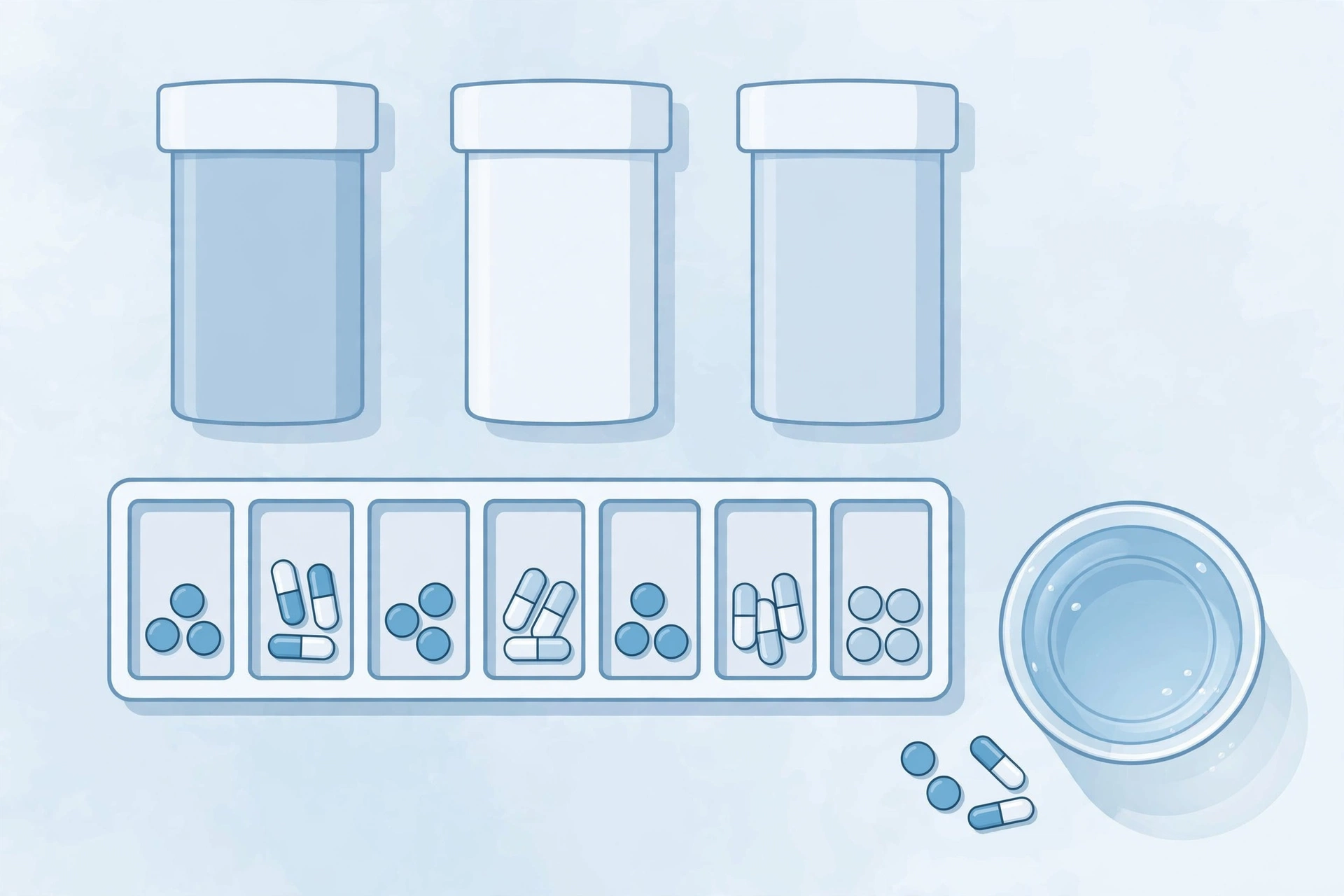
Stroke survivors typically leave the hospital with several new prescriptions: blood thinners, blood pressure medicines, cholesterol-lowering drugs, and often an antidepressant. These medicines are essential for preventing another stroke, but several classes are known to affect sexual function. Knowing this matters, because many people blame the stroke itself, or themselves, for a side effect that is actually coming from a pill bottle.
| Medication class | Why it is prescribed after stroke | Possible effects on sexual function |
|---|---|---|
| Beta blockers | Blood pressure control, heart protection | Reduced desire, erectile difficulties, fatigue |
| Thiazide diuretics | Blood pressure control | Erectile difficulties |
| SSRIs and SNRIs (antidepressants) | Post-stroke depression and anxiety | Reduced desire, delayed or absent orgasm |
| Statins | Cholesterol lowering, stroke prevention | Occasionally reduced libido |
| Some anti-seizure medicines | Post-stroke seizures | Reduced libido, hormonal changes |
If you notice a change in desire or function that began around the time a new medicine was started, raise it with your doctor. In many cases there are alternatives within the same drug class, or adjustments that preserve stroke protection while easing the sexual side effect.
For a broader picture, see our guide to medications that can lower libido. One rule is absolute: never stop or skip a prescribed medicine on your own to improve your sex life. Suddenly stopping blood pressure or anti-clotting medicines can sharply raise the risk of another stroke. Any change must go through your clinician.
When Is It Safe to Resume Sex After a Stroke?
There is no single medically mandated waiting period. Stroke rehabilitation specialists generally advise that you can consider resuming sexual activity whenever you feel ready and your medical condition is stable, but “feeling ready” should be confirmed with your healthcare team, especially in the early weeks. A useful way to think about readiness is the staircase test described above: if you can climb a flight or two of stairs, walk briskly, or complete your physiotherapy exercises without chest pain, severe breathlessness, dizziness, or unusual fatigue, your cardiovascular system is very likely up to the demands of sexual activity.
A practical readiness checklist to discuss with your doctor:
- Your blood pressure is controlled and your overall condition is stable.
- You can manage moderate daily activity without cardiovascular symptoms.
- Any heart conditions, such as atrial fibrillation or heart failure, are being treated and monitored.
- You have reviewed your medications and their possible sexual side effects.
- You and your partner have talked openly about fears, expectations, and boundaries.
- Fatigue, pain, and continence issues have a management plan, even if imperfect.
For many survivors, the first step back is not intercourse at all but a gradual reintroduction of physical closeness: holding hands, cuddling, massage, and kissing. The Stroke Engine’s evidence review on sexuality after stroke notes that research supports starting slowly, since gentler forms of stimulation raise the heart rate more gradually and are less physically demanding. There is no prize for rushing; rebuilding comfort step by step is the strategy that works.
Practical Strategies for Safer, More Comfortable Intimacy
Small, concrete adjustments resolve most of the physical obstacles couples face. The goal is to reduce effort, protect the weaker side of the body, and keep the experience relaxed rather than athletic.
- Choose your moment. Plan intimacy for the time of day when energy is highest, often the morning or after a rest, and wait a couple of hours after a large meal so your body is not dividing energy between digestion and exertion.
- Start with extended foreplay. Research shows that longer foreplay raises the heart rate gradually rather than suddenly, reducing cardiac stress. It also gives arousal and natural lubrication more time to build, which helps both partners.
- Use positioning to your advantage. If one side of the body is weak, the survivor lying on their back or both partners lying side by side is usually easiest. Pillows and cushions can support weak limbs, protect a sensitive shoulder, and help maintain a comfortable position longer. Ask your physiotherapist or occupational therapist for positioning suggestions; this is a normal part of rehabilitation.
- Let the stronger partner take the more active role when fatigue or weakness is an issue, and switch roles as strength returns.
- Address dryness directly. A good water-based personal lubricant makes a significant difference for vaginal dryness. Vaginal moisturizers used regularly can also help.
- Manage continence practically. Use the bathroom beforehand, limit fluids for an hour or two before intimacy, and keep clean towels nearby. Treating incontinence as a logistics issue rather than a source of shame takes away much of its power to kill desire.
- Ease spasticity first. Gentle stretching before intimacy, as taught by your physiotherapist, can reduce muscle stiffness that interferes with positioning.
- Keep the environment calm. Privacy, a comfortable temperature, and freedom from interruption lower anxiety, and lower anxiety means better arousal.
- Experiment without pressure. If intercourse is difficult or unappealing for now, mutual touch, massage with oils or lotions, and other forms of closeness are satisfying in their own right and keep the physical connection alive.

Pelvic Floor Muscle Training for Stroke Survivors
One rehabilitation tool that rarely gets mentioned in the bedroom context is pelvic floor muscle training, better known as Kegel exercises. These exercises strengthen the muscles that support bladder control and play a direct role in sexual function: in men they support erections and ejaculatory control, and in women they improve vaginal tone, sensation, and orgasm intensity. They are also one of the few interventions studied specifically for sex after stroke difficulties.
The basic technique is the same for everyone. First identify the right muscles: these are the ones you would use to stop the flow of urine midstream or to prevent passing gas. (Use this only to identify the muscles, not as a regular exercise, since repeatedly stopping urine flow can irritate the bladder.)
Tighten those muscles, hold for about five seconds while breathing normally, then relax fully for five seconds. Aim for three sets of ten repetitions a day. It typically takes several weeks of consistent practice to notice a difference.
A few practical notes for stroke survivors. If weakness or altered sensation makes it hard to feel the contraction, a physiotherapist can help you learn the technique, sometimes using biofeedback. Do not hold your breath or tighten your stomach, thighs, or buttocks instead; the effort should be isolated to the pelvic floor. And be patient: like all rehabilitation after stroke, progress is gradual, but pelvic floor training has the added benefit of improving bladder control, which removes one more barrier to intimacy.
Rebuilding Emotional Intimacy and Talking With Your Partner
Physical strategies only go so far if the emotional connection has frayed. After a stroke, many couples describe feeling like roommates, or like nurse and patient, rather than partners. Rebuilding the lover relationship alongside the caregiving one takes deliberate effort.
Start by naming the fear. Most couples discover that both partners are afraid of the same thing: the survivor fears being a burden or causing worry, and the partner fears causing harm. Saying this out loud usually brings relief, because the fear shrinks once it is shared. Agree together that intimacy does not have to mean intercourse; redefining success as closeness, pleasure, and connection takes performance pressure off both of you.
If the stroke affected speech or language, find nonverbal channels. Simple agreed signals work well: a particular touch, a gesture toward the heart, or lighting a certain candle to signal interest. A speech and language therapist can help develop communication strategies that carry over into intimate life. The partner’s experience deserves attention too. Caregiver exhaustion, grief, and guilt about wanting a normal sex life are all normal; separating “caregiving time” from “couple time,” and accepting outside help with physical care where possible, helps preserve the partner identity that intimacy needs.
If conversations stall or emotions run high, a few sessions with a counselor, psychologist, or certified sex therapist experienced in chronic illness can unlock progress that months of avoidance cannot. Many rehabilitation centers can refer you, and some offer this as part of the recovery program.
Warning Signs: When to Stop Sex After Stroke and Get Help
While sex after stroke is safe for most survivors, it is wise to know the warning signs that mean stop and seek medical attention. Stop and call emergency services if you or your partner experience chest pain or pressure, severe or sudden headache, sudden weakness or numbness on one side, sudden trouble speaking or understanding speech, sudden vision changes, dizziness or loss of balance during or after intimacy. These are the same F.A.S.T. warning signs that apply to stroke at any time: Face drooping, Arm weakness, Speech difficulty, Time to call emergency services.
Two medication cautions are worth knowing. Erectile dysfunction medicines (PDE5 inhibitors) are generally considered safe for men with stable cardiovascular disease, but they must never be combined with nitrate medicines prescribed for chest pain, as the combination can cause a dangerous drop in blood pressure. Always tell your doctor about every medicine you take before starting any treatment for erectile difficulties. And as noted earlier, any new or worsening chest discomfort with exertion, including sexual activity, deserves prompt medical evaluation rather than silent worry.
Contraception and Pregnancy After a Stroke
Stroke is often thought of as a condition of older age, but a meaningful minority of survivors are of childbearing age, and this group faces questions the standard advice skips. If pregnancy is possible, contraception needs a careful review after a stroke, because estrogen-containing hormonal contraceptives increase the risk of blood clots and are generally unsuitable for someone with a history of stroke. Progestin-only methods, copper intrauterine devices, and barrier methods are among the options a doctor may consider, but the right choice depends on the type of stroke and individual risk factors.
For those considering pregnancy after a stroke, preconception counseling with both a neurologist and an obstetrician is strongly advised. Pregnancy itself raises clotting risk and blood volume, so the underlying cause of the stroke, current medications (some of which are unsafe in pregnancy), and blood pressure control all need review before conception. This is a specialized conversation, but it is one worth having early rather than discovering the questions after a positive test.
When to Seek Professional Help
Consider booking a dedicated appointment if sexual difficulties persist for more than a few months, if either partner’s distress is growing rather than easing, or if you simply want expert guidance. You do not need to wait for your doctor to raise the subject; clinicians consistently report that they expect patients to bring it up, while patients wait for the clinician. Break the stalemate and ask directly.
Depending on the problem, helpful professionals include your neurologist or stroke physician for medical clearance, a urologist for erection or ejaculation problems, a gynecologist for dryness, pain, or contraception questions, a physiotherapist or occupational therapist for positioning and spasticity, and a psychologist or certified sex therapist for desire, anxiety, or relationship issues. Pelvic floor physiotherapy is available in many regions and addresses both continence and sexual function. Asking for help with intimacy after stroke is not vanity; sexual health is recognized as part of complete stroke recovery.
Frequently Asked Questions
How long after a stroke is it safe to have sex?
There is no fixed waiting period. Once your condition is stable and your doctor confirms your cardiovascular health is adequate, often using the benchmark of managing moderate activity like climbing stairs without symptoms, you can resume sex after stroke whenever you feel ready. Many clinicians suggest waiting until the acute recovery phase has settled, typically a matter of weeks, and getting explicit clearance at a follow-up appointment.
Can sex cause another stroke?
There is no evidence that sexual activity causes recurrent strokes. Strokes occurring during sex are extremely rare in the general population and happen almost only in people with serious undiagnosed conditions such as uncontrolled hypertension or a brain aneurysm. For a survivor whose blood pressure and heart conditions are treated and stable, sex is not considered a risk factor for another stroke.
Why have I lost all interest in sex since my stroke?
Loss of interest in sex after stroke is very common and usually has several overlapping causes: the brain injury itself can blunt desire and arousal, fatigue leaves little energy, depression affects around a third of survivors, and medications such as certain blood pressure drugs and antidepressants can suppress desire.
Because the causes stack, the fix is usually a combination too: treating depression, reviewing medications, rebuilding energy through rehabilitation, and giving desire time and the right conditions to return.
My partner is afraid to be intimate with me. What can I do?
Partner fear is normal and usually comes from a caring place: not wanting to cause harm or another stroke. Share what your doctor has told you about sex after stroke safety, invite your partner to a medical appointment so they can ask questions directly, and start with low-pressure closeness like cuddling and massage. Often the fear fades once a clinician has given explicit reassurance and the first gentle experiences go well.
Are erection medicines safe to use after a stroke?
For men with stable cardiovascular disease, erectile dysfunction medicines are generally considered safe, but this must be confirmed by your own doctor. They are absolutely unsafe combined with nitrate medicines used for chest pain, and they can interact with some blood pressure treatments. Never obtain them without a prescription or medical review after a stroke.
Who should I talk to about sex after my stroke?
Start with your stroke doctor, neurologist, or family physician, who can give medical clearance and review medications. Depending on your needs, they can refer you to a urologist, gynecologist, physiotherapist, or a counselor or sex therapist experienced in chronic illness and disability. If speaking up feels difficult, writing your questions down before the appointment helps.
Medical Disclaimer
This article is for educational and informational purposes only and is not a substitute for professional medical advice, diagnosis, or treatment. Stroke recovery varies greatly from person to person, and decisions about resuming sex after stroke should always be made together with a qualified clinician who knows your medical history. Never disregard professional medical advice or delay seeking it because of something you have read here. If you experience chest pain, severe headache, or any signs of stroke, seek emergency medical care immediately.
Recovering sex after stroke is not about returning to exactly how things were before; it is about building a satisfying intimate life around how things are now. With medical clearance, honest communication, and a few practical adjustments, most couples find that closeness not only survives a stroke but becomes a meaningful part of recovery itself.