Sex After a Heart Attack: What’s Safe, When, and What Doctors Advise
A heart attack changes how you think about everything — including intimacy. In the weeks after the event, most couples quietly share the same worry about sex after heart attack: is it safe, or could it trigger another one? Many people feel embarrassed to ask, and many physicians hesitate to raise it too. The reassuring truth, supported by cardiology guidelines and major studies, is that most people can safely return to a fulfilling sex life after a heart attack once their condition is stable. This guide covers what doctors advise about sex after heart attack: timelines, readiness tests, warning signs, medication effects, and how couples can rebuild confidence together.
When Is Sex After a Heart Attack Safe?
The short answer from cardiologists: sex after heart attack is safe for most people once they can handle mild-to-moderate physical activity without symptoms. Sexual activity is a form of exercise — and not nearly as demanding as many people imagine. Physiologists measure physical effort in METs (metabolic equivalents). Sex generally falls in the range of 3 to 5 METs, comparable to climbing a flight or two of stairs at a comfortable pace or taking a brisk walk. That is why the American Heart Association (AHA) scientific statement on sexual activity in patients with cardiovascular disease frames the question in exercise terms rather than in weeks alone (see Mayo Clinic’s overview of sex after a heart attack).
The numbers should reassure you. Studies estimate that sexual activity is the trigger in less than 1 out of 100 heart attacks, and that absolute risk is very low among people with stable heart disease. In other words, for a person whose heart is stable enough for everyday activity, resuming sex after a heart attack is unlikely to be dangerous. One long-term research project even found that heart attack survivors who maintained regular sexual activity had better long-term outcomes than those who abstained — though scientists are careful to note that correlation is not the same as causation.
Still, “safe for most people” is not the same as “safe for everyone, right now.” Cardiologists generally consider patients with no complications, no chest pain, no heart failure, and no dangerous heart rhythms to be low risk and able to resume intimacy earliest. Those with ongoing angina, decompensated heart failure, uncontrolled high blood pressure, or significant arrhythmias need those problems addressed first — ask your doctor when it will be safe.
How Long Should You Wait? Timelines by Situation
There is no single waiting period that applies to everyone, because the answer depends on the severity of the heart attack, the treatment received, and how recovery is progressing. These are the general timeframes cardiologists commonly cite for resuming sex after a heart attack — your own doctor’s advice takes precedence over any general guide.
| Situation | Typical guidance | Notes |
|---|---|---|
| Uncomplicated heart attack, no procedure | 1 to 4 weeks | Once stable; medications optimized |
| After PCI (stent placement) | Several days to 1 week | Often within a couple of weeks; avoid strenuous activity while the puncture site heals |
| After coronary bypass surgery | 6 to 8 weeks | Breastbone needs 6–8 weeks to heal; avoid chest-straining positions for months |
| Complicated heart attack (heart failure, arrhythmia, ongoing angina) | Only after doctor clearance | Underlying problems must be stabilized first |
| After implanted device (ICD or pacemaker) | Follow your electrophysiologist’s advice | Usually a few weeks; avoid vigorous movement on the implant side at first |
One classic piece of advice worth updating: some older guidance told patients to take a “passive role” or consciously keep their heart rate down during sex. The AHA statement does not recommend this, and many cardiologists now point out that it is both impractical and not supported by evidence. Resume gradually, in the positions you find comfortable — more on that below.
The Two-Flights-of-Stairs Test (and When to Ask for a Stress Test)
Here is the practical readiness test most cardiologists use: if you can climb two flights of stairs — or do about 10 to 20 minutes of brisk walking — without chest pain, pressure, unusual shortness of breath, lightheadedness, or extreme fatigue, your heart is generally handling the same workload that sex after heart attack requires. Harvard cardiologists cite this as the standard screening question (Harvard Health guidance), and it is a reassuring milestone many patients reach within the first couple of weeks.
If the answer is unclear, or if symptoms appear during moderate effort, your doctor may order an exercise stress test — walking on a treadmill while your heart is monitored — to objectively measure what your heart can handle. Cardiac rehabilitation programs are the ideal setting for this: they combine supervised exercise, medication review, and counseling, and a normal result there gives many couples the confidence to resume intimacy. If you have not been referred to cardiac rehabilitation, ask your doctor about it; participation is linked to better recovery outcomes across the board.
Warning Signs: When to Stop and Call Your Doctor
Know the signals before resuming sex after heart attack, so neither partner spends the evening anxiously scanning for them. During or after sexual activity, stop and contact your doctor promptly if you experience any of the following:
- Chest pain, pressure, tightness, or discomfort — especially if it feels similar to your heart attack symptoms
- Unusual shortness of breath that is out of proportion to the activity
- Dizziness, lightheadedness, or feeling faint
- Heart palpitations — a racing, pounding, or irregular heartbeat that does not settle quickly
- Nausea, cold sweats, or pain radiating to the jaw, neck, shoulder, or arm
If symptoms are severe, do not subside with rest within a few minutes, or resemble your original heart attack, call emergency services immediately. Keep any rescue medication (such as nitroglycerin) within reach, and tell your partner where it is. This simple preparation removes a great deal of anxiety for both of you.

Heart Medications and Your Sex Life
The heart medications that protect you can affect your sex life — understanding the connection prevents blame and unnecessary worry. Several commonly prescribed drug classes have known sexual side effects:
- Beta-blockers (such as metoprolol or atenolol): can contribute to erectile difficulty, reduced libido, or fatigue in some patients.
- Diuretics (such as furosemide): may reduce blood flow needed for erections and, in women, can contribute to vaginal dryness.
- ACE inhibitors and ARBs: generally have fewer sexual side effects and may even be better tolerated in this respect.
- Statins: sexual side effects are uncommon, but any persistent change should be reported.
- Antiplatelet and blood-thinning drugs: do not directly affect sexual function, but bruising can occur more easily.
If you notice a change that began after starting a new medication, tell your doctor rather than stopping the drug on your own — stopping heart medication suddenly can be dangerous. Cardiologists can often adjust doses, change timing, or switch to an alternative with fewer sexual side effects. For more detail on how specific prescriptions interact with sexual function, see our guide to blood pressure medications and erectile dysfunction.
One interaction deserves special emphasis because it can be life-threatening: erectile dysfunction medications (sildenafil, tadalafil) must never be combined with nitrate heart drugs (such as nitroglycerin or isosorbide dinitrate). Together they can cause a dangerous drop in blood pressure. ED medications can be safely prescribed for men with stable heart disease, but your doctor must review your full medication list first. Learn more in our article on erectile dysfunction causes and treatments.
Sex After a Heart Attack for Women: The Overlooked Half of the Story
Most writing centers on men, yet women navigating sex after heart attack face their own challenges — and doctors raise the subject with them less often. Here is what the conversation should include:
- Arousal and lubrication changes: heart medications, particularly diuretics, can reduce natural lubrication, and stress hormones after a cardiac event can blunt arousal. A water-based lubricant is a simple, effective solution — there is nothing clinical to be embarrassed about.
- Orgasm: some women notice orgasms feel different or take longer after a heart attack, often because of medication effects or heightened anxiety about physical sensations (a racing heart during arousal can feel alarming at first). This usually improves as confidence returns.
- Body image after surgery: bypass scars on the chest or leg can make women self-conscious during intimacy. Partners who have been through this report that talking about it openly — and allowing time — helps far more than avoidance.
- Energy and fatigue: post-cardiac fatigue is real. Choosing times of day when energy is highest (often mornings) makes a noticeable difference.
If anything during intimacy feels like your original heart attack symptoms, the same stop-and-seek-care rules apply.
Taking It Slow: Practical Tips for Getting Comfortable Again
Cardiologists generally recommend a gradual “intimacy ladder” rather than jumping straight back to intercourse:
- Start with closeness, not performance: cuddling, kissing, massage, and touching let you test how your body feels without pressure.
- Choose your moment: be well-rested, avoid heavy meals and excess alcohol beforehand, and pick a familiar, comfortable, private setting. Stress and unfamiliar environments add strain.
- Use comfortable positions: there is no single “cardiac-safe” position, but lying side by side or with the partner on top reduces exertion for the recovering patient. After bypass surgery, avoid positions that put weight or strain on the chest for several months, and use pillows for support.
- Keep the room comfortable: avoid very hot or very cold environments, which add cardiovascular strain.
- Communicate in real time: agree beforehand that either of you can pause. A phrase like “let’s slow down” removes unspoken pressure.
- Be patient with desire: reduced interest in the early weeks is normal — fatigue, anxiety, and medication all play a role. Desire usually returns as recovery progresses.

Talking to Your Partner (and Your Doctor) About It
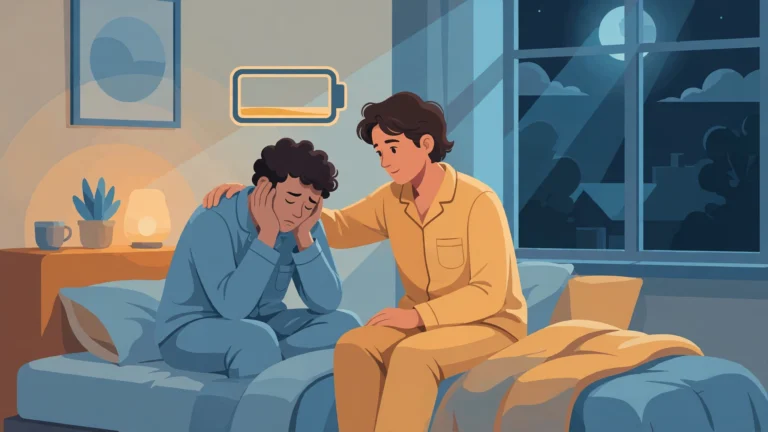
When it comes to sex after heart attack, here is something cardiologists observe routinely: the partner is often more afraid than the patient. Partners worry that intimacy could cause another heart attack, and that fear can quietly shut down physical affection on both sides. Couples who navigated this say the turning point was usually a frank conversation that included the doctor.
Guidelines recommend that sexual counseling begin before the patient leaves the hospital and continue through rehabilitation — and that partners be included, because their concerns are part of the equation. If your doctor has not raised the topic, raise it yourself. A simple opener works: “We’d like to know when it’s safe for us to resume sexual activity and what signs to watch for.” Doctors hear this question regularly; you will not surprise or embarrass them.
Between partners, honesty beats reassurance-by-avoidance. If one of you is anxious, name it: “I’m a little nervous, but I miss being close to you — can we take it slowly?”
Emotional Recovery Is Part of Cardiac Recovery
A heart attack is a brush with mortality, and it is normal for that to echo emotionally — including worries about sex after heart attack. Depression and anxiety are common after a cardiac event, and both directly dampen libido, arousal, and the ability to orgasm.
What helps, according to cardiac rehabilitation research and patient accounts:
- Cardiac rehabilitation programs — most include counseling that addresses mood and confidence.
- Gentle, doctor-approved exercise — improves mood, energy, and often sexual function at the same time.
- Talk therapy or support groups — if low mood persists more than a couple of weeks or interferes with daily life.
- Patience with each other — emotional readiness doesn’t always match physical readiness.
If you suspect depression, mention it at your follow-up appointments. Treating it often does double duty: lifting mood and restoring interest in intimacy together.
FAQs
How soon after a heart attack can I safely have sex?
For an uncomplicated heart attack, most cardiologists advise 1 to 2 weeks, sometimes up to 4 weeks while medications are optimized. After a stent procedure, some patients resume within days to a week; after bypass surgery, 6 to 8 weeks is typical so the breastbone can heal. Your doctor’s personalized advice matters most — ask at a follow-up appointment.
How do I know my heart is strong enough for sex?
The standard screening test: if you can climb two flights of stairs or walk briskly for 10 to 20 minutes without chest pain, unusual breathlessness, dizziness, or extreme fatigue, your heart is generally handling the workload sex requires. If you are unsure, your doctor may order an exercise stress test to measure your heart’s capacity objectively.
Can sex cause another heart attack?
The absolute risk is very low. While fears about sex after heart attack are common, studies estimate sexual activity triggers fewer than 1 in 100 heart attacks, and for people with stable heart disease the risk is considered minimal. The danger rises mainly when the underlying heart condition is unstable — which is exactly what your doctor checks before clearing you.
Which heart medications affect sex drive or performance?
Beta-blockers and diuretics are the most commonly implicated, potentially affecting erections, lubrication, or libido. ACE inhibitors and statins generally have fewer sexual side effects. Never stop a heart medication because of sexual side effects — ask your doctor about dose adjustments or alternatives instead.
Can I use Viagra or similar pills after a heart attack?
Often yes, if your heart disease is stable — but only with your doctor’s approval after reviewing your medications. The critical rule: never combine erectile dysfunction drugs with nitrate heart medications (like nitroglycerin), as the combination can cause a dangerous drop in blood pressure. Discuss options at your cardiology follow-up.
What should I do if my partner is too scared to be intimate?
This is extremely common — partners are frequently more anxious than patients. Bring your partner to your next cardiology appointment so they hear the safety guidance firsthand, start with simple closeness like cuddling, and agree either of you can pause anytime. If anxiety persists, a cardiac rehabilitation counselor or therapist can help.
Next step: at your next cardiology visit, ask directly: “When is it safe for us to resume sexual activity?” Your doctor can assess your stability, review your medications, and clear you with confidence. Explore our related guides to understand how specific prescriptions affect intimacy.
Medical disclaimer: This article is for educational purposes only and is not medical advice. Heart conditions vary widely, and only your qualified healthcare professional can determine when sexual activity is safe for you. Always consult your doctor before making decisions about your health or medications.