Erectile Dysfunction Causes: Physical vs Psychological Signs
Understanding erectile dysfunction causes is the first step toward solving the problem. Erectile dysfunction (ED) — persistent difficulty getting or keeping an erection firm enough for sex — is one of the most common sexual health concerns in men, and it is also one of the most treatable. According to the Mayo Clinic, more than half of men between the ages of 40 and 70 experience some form of ED, yet most never talk about it.
The difficulty is usually described as either physical (a problem with blood flow, nerves, hormones, or anatomy) or psychological (a problem rooted in stress, anxiety, or relationship strain). In real life, both kinds of causes often overlap, and learning to read the signs can help you have a much more productive conversation with a doctor about erectile dysfunction causes.
Below: the clues that help distinguish physical from psychological causes, how the picture changes with age, and what doctors typically do to find — and fix — the root cause.
What Erectile Dysfunction Is — and What It Is Not
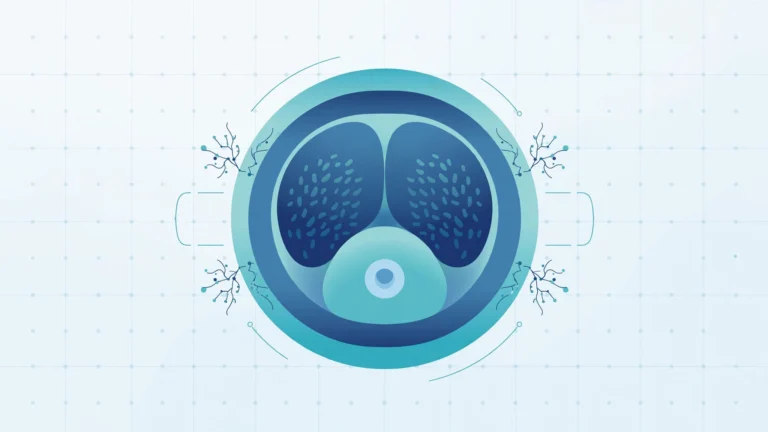
An erection is a choreography: the brain sends arousal signals through nerves, hormones set the stage, and blood vessels in the penis fill with blood while veins hold it there. Erectile dysfunction happens when any step of that sequence is disrupted — and pinpointing which step failed is how doctors narrow down the erectile dysfunction causes at work.
It is worth knowing two things up front. First, occasional erection trouble — after a bad night’s sleep, too much alcohol, or a stressful week — is normal and not ED. Second, ED is not the same as low libido (reduced desire) or premature ejaculation, although these conditions can co-exist. If low desire is the bigger issue in your case, our guide to the common causes of low libido covers the hormones and health factors worth ruling out first.
The Physical Causes of Erectile Dysfunction
Physical causes account for the large majority of cases — some clinical sources estimate disease-related factors are behind roughly 70 percent of ED. Here are the main categories of erectile dysfunction causes.
Blood Vessel and Heart Problems
Harvard Health notes that vascular (blood vessel) disease is the most common medical cause of ED. An erection depends on arteries delivering enough blood to the penis and veins keeping it there, so anything that narrows or stiffens arteries — atherosclerosis, high blood pressure, high cholesterol — can reduce that flow. In some men, the problem is the opposite: a condition called veno-occlusive dysfunction, where the veins cannot trap blood during an erection, so firmness fades quickly. Because the penile arteries are small, ED can appear before other symptoms of cardiovascular disease, a point we return to below.
Nerve Damage and Neurological Conditions
Arousal signals travel from the brain down the spinal cord and through pelvic nerves. Diabetes can damage those nerves over time; multiple sclerosis, Parkinson’s disease, stroke, and spinal cord injury can interrupt the signals; and surgery or radiation for prostate or bladder cancer can injure the delicate nerves and arteries near the penis. Even pelvic injuries from cycling accidents or sports can play a role in rare cases.
Hormones: Testosterone and More
Hormonal causes are less common than vascular ones, but they matter. Low testosterone can reduce both libido and the frequency of nighttime erections. An overactive prolactin signal (hyperprolactinemia, sometimes caused by a benign pituitary tumor) can suppress testosterone, and thyroid disorders can interfere as well. Hormonal erectile dysfunction causes usually come with other clues — fatigue, reduced muscle mass, mood changes, or a broader loss of desire — which is why doctors often check hormone levels when ED is accompanied by low libido.
Medications, Surgery, and Pelvic Injury
A long list of common prescriptions can cause or worsen ED: blood pressure drugs (especially beta-blockers and diuretics), many antidepressants (particularly SSRIs), antipsychotics, antihistamines, some prostate medications, and ulcer drugs such as cimetidine. Prostate surgery and radiation therapy are also well-known contributors.
If your ED began soon after starting a new medication, that timing is a strong clue — but never stop a prescribed medicine on your own. Doctors can often switch doses or substitute an alternative with fewer sexual side effects.
Lifestyle Factors That Narrow the Arteries
Smoking is a major contributor — it promotes arterial narrowing and reduces blood flow throughout the body, including to the penis. Chronic heavy drinking, recreational drug use, obesity, metabolic syndrome, and untreated sleep apnea all raise the risk. The good news is that these are the erectile dysfunction causes most within your control, and improvements here often help both erections and overall health.
The Psychological Causes of Erectile Dysfunction
Clinical sources attribute roughly 10 to 20 percent of ED cases primarily to psychological factors, but the true influence of the mind is larger than that number suggests, because anxiety and stress so often layer on top of a physical cause. The brain is, after all, where every erection begins, which is why the mind belongs on any serious list of erectile dysfunction causes.
Performance Anxiety and the Fight-or-Flight Loop
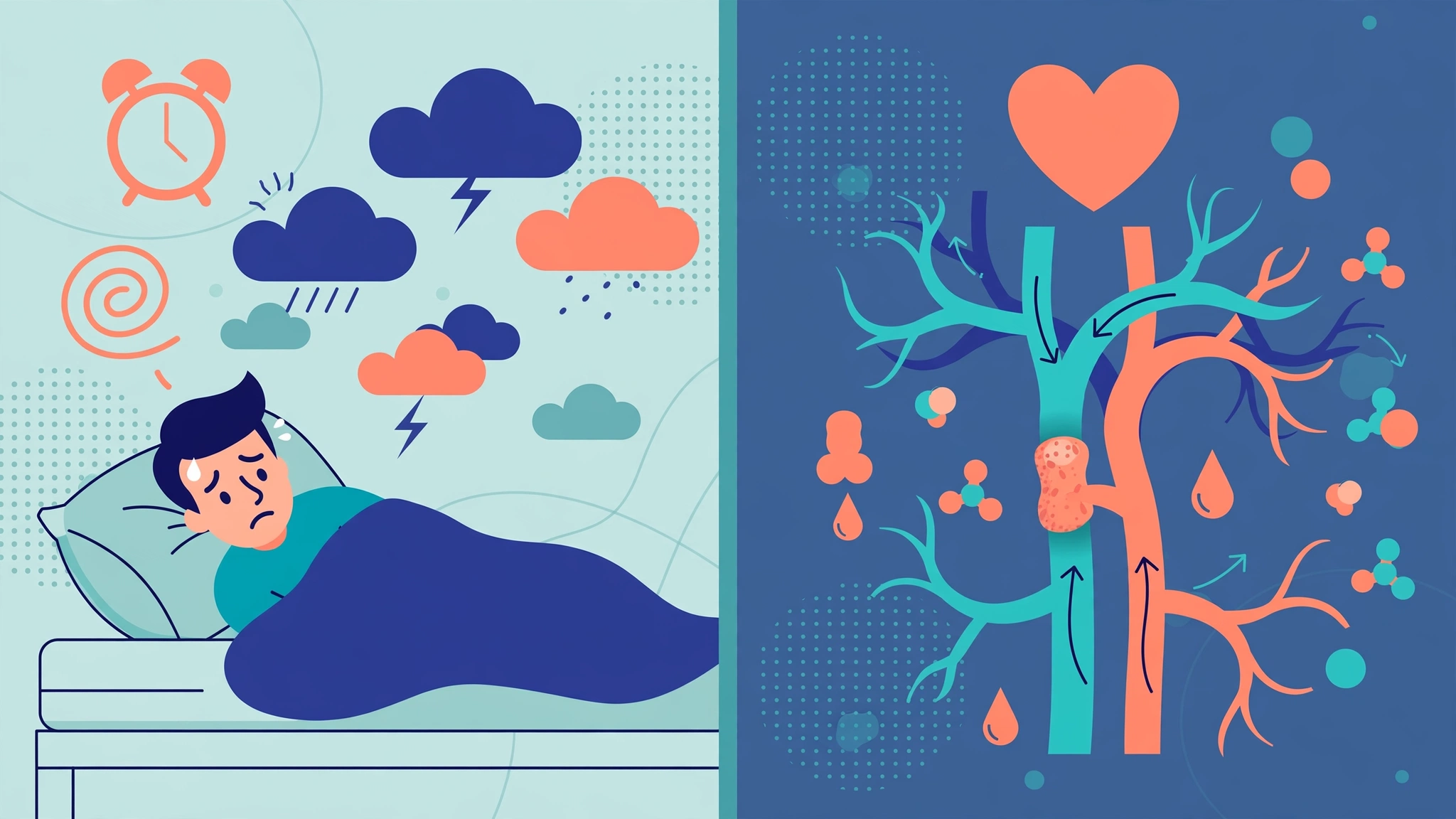
This is the most common psychological pattern, especially in younger men. One difficult sexual experience creates worry about the next one; the worry triggers the body’s fight-or-flight response, flooding the system with adrenaline and cortisol, which constrict blood vessels and make an erection physically harder to achieve — a vicious cycle.
Stress, Depression, and Mental Health
Chronic stress, depression, generalized anxiety, and other mental health conditions can drain sexual interest and interfere with arousal directly. Depression is a two-way street here: it can cause ED, and ED can deepen depression, each worsening the other. Certain mental health medications can also contribute on the physical side, which is another reason a doctor’s review is valuable.
Relationship Strain
Unresolved conflict, poor communication, resentment, or simply a lack of emotional closeness can quietly erode sexual function. Some men notice their difficulty appears only with a partner and never when alone — a classic situational pattern. Couples counseling or sex therapy is often what doctors recommend in these cases, because the “hardware” is fine; it is the emotional context that needs attention.
Erectile Dysfunction Causes: How to Read Physical vs Psychological Signs
Most medical references list erectile dysfunction causes without teaching you how to tell them apart. The patterns below — drawn from how clinicians actually evaluate ED — can help you read the clues, although only a doctor’s examination can determine the true cause.
- Morning and nighttime erections: This is the single most useful clue. If you regularly wake with firm morning erections, your blood vessels, nerves, and hormones are almost certainly working — which points toward a psychological cause. If morning erections have faded or vanished alongside partnered-sex problems, a physical cause is more likely. (Doctors can formalize this with an overnight erection test.)
- How it started: Sudden onset — especially after a stressful event, a specific bad experience, or a relationship change — leans psychological. Gradual, progressive decline over months or years leans physical.
- Consistency: ED that comes and goes, or appears in some situations (with a partner) but not others (alone), suggests a psychological cause. ED that happens every time, with any partner and alone, suggests a physical cause.
- Overall health context: The presence of diabetes, high blood pressure, high cholesterol, smoking, or new medications points toward physical causes. A clean bill of health with high stress, anxiety, or relationship tension points toward psychological causes.
- Libido: Strong, unchanged desire with ED often indicates the arousal “machinery” wants to work but something interferes — frequently psychological or medication-related. A simultaneous drop in desire often suggests hormonal or depressive causes.
Remember the mixed reality: a minor physical issue (for example, slightly reduced blood flow) can create the first anxious experience, and the anxiety then becomes the dominant problem. When in doubt, treat both angles as possible until a doctor sorts them out.
How Erectile Dysfunction Causes Change With Age
Competitor articles rarely break erectile dysfunction causes down by life stage, yet the pattern matters enormously:
- 20s and 30s: In younger men, psychological causes dominate — performance anxiety, stress, depression, relationship pressure, and lifestyle habits such as smoking, heavy drinking, or poor sleep. Studies suggest roughly a quarter of men seeking ED treatment are under 40. Physical contributors like obesity and early metabolic problems are rising in this group, though, so a checkup is still worthwhile.
- 40s and 50s: The mixed decade. Cardiovascular risk factors, rising blood pressure, weight gain, and declining testosterone begin to appear, while work and family stress peak. This is the age range where a physical cause starts anxiety that then amplifies the problem — the classic overlap.
- 60s and beyond: Physical erectile dysfunction causes become dominant — atherosclerosis, diabetes complications, medication side effects, and prostate treatments. But ED is still not a normal or inevitable part of aging; persistent ED at any age deserves evaluation rather than resignation.
When It’s Both: The Mixed-Cause Feedback Loop
Clinicians increasingly describe ED as a feedback loop rather than a single cause. A small vascular problem makes erections slightly less reliable; the unreliability creates performance anxiety; the anxiety raises sympathetic nervous system tone, which constricts blood vessels and makes erections less reliable; the cycle deepens. This is why treating only the physical side (or only the psychological side) sometimes produces partial results. Doctors often address both simultaneously — for example, managing blood pressure and stress together — and couples frequently find that honest communication breaks the loop faster than anything else.
Why Erectile Dysfunction Can Be an Early Warning Sign
One angle most cause-focused articles underplay: ED can be a sentinel symptom of cardiovascular disease, sometimes appearing three to five years before heart symptoms, because the small penile arteries show damage earlier than larger vessels. This makes new, persistent ED a genuine reason to get your heart health checked — blood pressure, cholesterol, blood sugar — even if you feel fine otherwise.
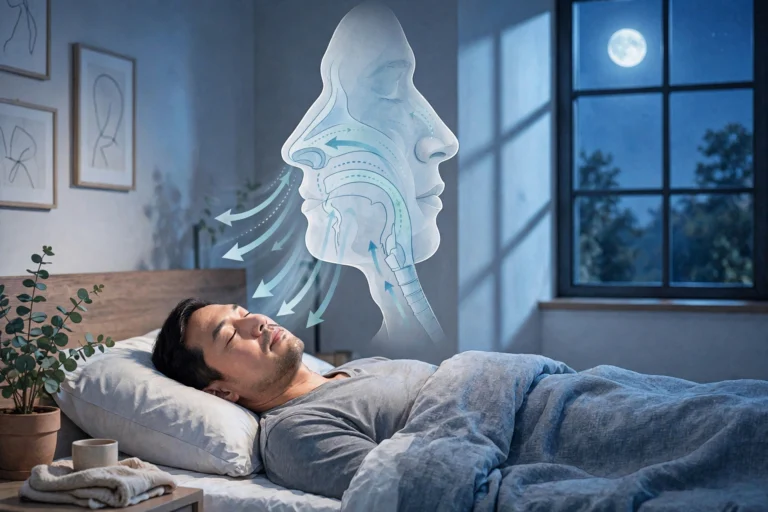
An underrated physical contributor is obstructive sleep apnea: repeated nighttime oxygen drops lower testosterone and damage blood vessels, and men treated for sleep apnea often report improved erectile function. Loud snoring, daytime fatigue, and witnessed breathing pauses alongside ED are worth mentioning to a doctor.
How Doctors Find the Cause
What doctors recommend as a standard evaluation usually starts with a detailed conversation — when the ED began, whether morning erections persist, current medications, lifestyle habits, stress levels, and relationship context. That history alone often reveals which erectile dysfunction causes are most likely in your case.
A physical exam and blood tests (checking blood sugar, cholesterol, and testosterone, among others) typically follow. If the cause is unclear, doctors may order specialized tests of blood flow or an overnight erection study. The Mayo Clinic’s overview of ED symptoms and causes explains what that first appointment usually involves.
What Treatment Options Doctors Recommend
Treatment for erectile dysfunction causes follows the cause, which is why the detective work matters. For physical causes, doctors typically start by optimizing the underlying condition — managing diabetes, blood pressure, or cholesterol — and reviewing medications for alternatives with fewer sexual side effects.
Lifestyle changes (quitting smoking, regular exercise, weight management, limiting alcohol, treating sleep apnea) are first-line recommendations for vascular ED. For psychological causes, doctors commonly recommend counseling, sex therapy, cognitive-behavioral techniques, or couples therapy, sometimes alongside short-term medical support to rebuild confidence.
Prescription ED medications exist and are effective for many men, but they require a doctor’s prescription and screening — they are not appropriate for everyone, particularly men with certain heart conditions. For the full clinical picture of contributing conditions, UCSF Health’s guide to ED causes is an excellent companion read.
FAQs
How can I tell if my erectile dysfunction is physical or psychological?
The best at-home clues are morning erections and situational patterns. Regular firm morning erections suggest your blood vessels, nerves, and hormones work fine — pointing to a psychological cause like performance anxiety. If morning erections have also faded, a physical cause is more likely. Only a doctor’s evaluation, sometimes including an overnight erection test, can confirm this.
Can stress alone cause erectile dysfunction?
Yes. Chronic stress and anxiety trigger the fight-or-flight response, releasing adrenaline and cortisol that constrict blood vessels and divert blood away from sexual function. Performance anxiety is the most common purely psychological cause of ED, especially in younger men — and stress-related ED often improves once the stress is addressed through counseling, exercise, or lifestyle changes.
At what age does erectile dysfunction usually start, and is it ever normal?
ED can begin at any adult age, but risk rises with each decade — roughly 40 percent of men experience some form by age 40. In the 20s and 30s, psychological causes dominate; after 50, physical causes take the lead. ED is never considered a normal or inevitable part of aging, and persistent ED at any age warrants a medical checkup rather than resignation.
Can erectile dysfunction caused by anxiety or stress go away on its own?
Often, yes. Psychological ED frequently improves once the underlying trigger — work stress, relationship conflict, performance pressure — is resolved, particularly with counseling, open partner communication, and stress management. However, if the problem persists for several months or is affecting your confidence and relationship, seeing a doctor or therapist sooner leads to faster recovery.
Could my medication be causing my erectile dysfunction?
Possibly. Blood pressure drugs (especially beta-blockers and diuretics), many antidepressants (particularly SSRIs), antipsychotics, and some prostate medications are known contributors. If your ED began after starting a new prescription, tell your doctor — they can often adjust the dose or switch to an alternative. Never stop or change a prescribed medication without medical guidance.
When should I see a doctor about erectile dysfunction?
See a doctor if erection problems persist for several months, happen more than half the time, appeared suddenly, or are accompanied by low desire, fatigue, or other symptoms. Go sooner if you have diabetes, heart disease, or high blood pressure — or none of those, since ED can be an early warning sign of cardiovascular problems that deserve checking.
Take the next step: If anything in this article sounds familiar, book an appointment with your doctor or a urologist — most erectile dysfunction causes are highly treatable once identified. It also helps to keep the conversation open with your partner, and to explore related guides such as our overview of low libido causes.
Medical disclaimer: This article is for educational purposes only and is not medical advice. Erectile dysfunction can be a symptom of serious underlying health conditions, and only a qualified healthcare professional can diagnose its cause or recommend treatment. Do not start, stop, or change any medication based on this article. If you are experiencing persistent erectile dysfunction, please consult your doctor or a licensed healthcare provider.