Fibromyalgia and Intimacy: A Couple’s Guide
When you live with fibromyalgia and sex has become difficult, painful, or exhausting, it is easy to feel as though your intimate life is over. It is not. Fibromyalgia changes how intimacy works — it does not eliminate the possibility of it. This guide treats fibromyalgia and sex as a shared challenge for both of you: the partner living with chronic pain and the partner standing beside them. With honest communication, symptom pacing, and a willingness to redefine closeness, most couples can rebuild a satisfying intimate life.
Fibromyalgia is a chronic condition marked by widespread musculoskeletal pain, fatigue, sleep disruption, cognitive difficulties (“fibro fog”), and heightened sensitivity to touch. An estimated 2 to 4 percent of the population lives with it, diagnosed far more often in women than in men. Because it affects the nervous, muscular, and endocrine systems, its impact reaches well beyond joints and muscles — including the bedroom. That is why talking honestly about fibromyalgia and sex matters for the health of the relationship, not just for physical satisfaction.

Why Fibromyalgia and Sex Can Be Difficult
Several overlapping factors explain why fibromyalgia and sex so often collide. First is pain itself. Muscles around the pelvis, hips, and lower back may cramp or spasm during physical activity, and the heightened pain sensitivity of fibromyalgia — including allodynia, where even light touch can feel painful — can make ordinary physical contact uncomfortable. When pain overrides pleasure, desire naturally fades, and avoidance sets in over time.
Second is fatigue. The deep, unrefreshing tiredness of fibromyalgia leaves many people with little energy for physical intimacy at the end of the day. Poor sleep compounds the problem: when your body never fully recovers overnight, there is simply less in the tank — physically and emotionally — for connection.
Third are the medications. Drugs commonly prescribed for fibromyalgia, including duloxetine, milnacipran, and SSRI antidepressants such as paroxetine and sertraline, can lower libido, delay or prevent orgasm, and contribute to vaginal dryness or erectile difficulties in some people. If your sex life changed noticeably after starting or changing a medication, that timing is worth discussing with your prescriber — which we cover in detail below.
Fourth are the emotional ripples: anxiety, depression, and a negative body image that frequently travel alongside chronic illness, all of which can make physical vulnerability with a partner feel frightening.
None of these factors works in isolation. Pain deepens fatigue, fatigue lowers mood, and medication side effects can touch all three at once — which is why fibromyalgia and sex can feel like a knot that is difficult to untie. The rest of this guide works through each strand of that knot, so you and your partner can address what is actually getting in the way.
What the Research Says About Fibromyalgia and Sexual Health
You are not alone in this. A 2024 systematic review pooling 27 studies found that women with fibromyalgia reported poorer sexual-function outcomes than healthy comparison groups — lower desire, reduced arousal, and more difficulty with orgasm. A controlled study published in the Journal of Sexual Medicine found that fibromyalgia negatively influenced both partnered and solo sexual desire in women, and that older age and antidepressant use were associated with further reductions in desire.
Men with fibromyalgia are less studied, but a recent systematic review of five observational studies found generally poorer sexual outcomes among men with the condition as well — though the researchers rated the certainty of the evidence as low, and called for more and better research. The lack of data does not mean men are unaffected; it means their experiences have been overlooked.
One more honest note from the research: intercourse frequency has not been shown to predict fibromyalgia severity. A 2024 study comparing 100 women with fibromyalgia to 100 healthy women found no significant association between how often participants had intercourse and their pain or disease-severity measures. In other words, there is no “right” amount — only what feels good and manageable for the two of you. When researchers study fibromyalgia and sex, that personal, couple-defined standard is what the evidence supports.
The Partner’s Side: When You Don’t Have Fibromyalgia
Most articles on this topic speak only to the person with the diagnosis. But intimacy is a two-person story, and the partner without fibromyalgia carries their own quiet weight: the fear of causing pain with every touch, the grief for the spontaneity that used to be there, the guilt of still having desire when your partner is suffering, and sometimes the worry that saying “no” has become a statement about the relationship rather than about the body.
If that is you, a few things are worth hearing. Your partner’s reduced desire is not a measure of their love or their attraction to you — it is a symptom, as real as their pain and fatigue. Feeling hurt or lonely in response is not selfish; it is human. What matters is what you do with those feelings. Bringing them to your partner as blame (“you never want to anymore”) tends to produce withdrawal and shame. Bringing them as information (“I miss being close to you, and I feel a bit lost”) opens a conversation.
Partners also need their own support. Chronic illness reshapes household roles — you may have absorbed chores, appointments, and caregiving alongside your own job — and exhaustion breeds resentment even in loving relationships. If caregiver fatigue is creeping in, say so, ideally to a counselor or a trusted friend as well as to your partner. Protecting your own health is part of protecting the relationship.
How to Talk About Sex and Fibromyalgia
Open communication is the single most important tool in this guide for couples working through fibromyalgia and sex difficulties — and also the hardest to use. These are conversations most couples never learned to have. Separate these talks from the bedroom entirely — have them during a calm walk or over coffee, not right before or after intimacy.
Use specific, physical language rather than vague complaints. “Sex is difficult” could mean exhaustion, hip pain afterward, burning with penetration, or grief about lost spontaneity — each of those needs a different solution. Try sentence starters like these:
- “My body felt best at this time of day last week — could we try that window?”
- “This position puts pressure on my hips. Could we adjust so my legs are supported?”
- “I’d love closeness tonight, but penetration feels like too much. Would you be open to just holding and touching?”
- “I’m not saying no to you — I’m saying not right now. Can we try tomorrow morning?”
- “I want you to know that when I ask you to move your hand, it’s my nerves firing, not a rejection.”
It also helps to agree on signals in advance: one word for “pause and check in,” and another for “stop completely, no explanation needed.” Giving permission to stop at any moment — and genuinely honoring it when it happens — is what makes intimacy feel safe again. Many couples find that once stopping is truly allowed, they stop needing to stop.
Planning Intimacy Around Flares
Fibromyalgia symptoms ebb and flow, and fighting that rhythm is a losing battle. Learning how fibromyalgia and sex interact on good days versus flare days lets you plan with confidence instead of guesswork. The couples who do best learn to pace intimacy the way they pace everything else: plan around energy, not around the calendar. Mornings are often better than late evenings for many people with fibromyalgia, since pain and stiffness can build through the day — but track your own pattern rather than assuming one.
Consider keeping a simple symptom diary for a few weeks, noting pain, fatigue, sleep quality, and how intimacy felt on the days you were close. Patterns usually emerge quickly, and a visible pattern turns “maybe” into a plan. A scheduled invitation is not a contract — “let’s see how we feel Saturday morning” can stay exactly that, with either of you free to call it off without guilt.
Practical comfort measures can lower the barrier considerably. A warm bath before intimacy eases muscle stiffness and increases blood flow; a heating pad on the lower back or hips does the same for shorter sessions. Keep pillows within reach for joint support and water-based lubricant nearby to reduce friction — the goal is comfort, not performance. If exhaustion is the main obstacle, be honest: sometimes the kindest choice is a nap together and closeness tomorrow.
Sensate Focus: Relearning Touch Together
One of the most useful tools for couples navigating chronic illness comes from clinical sex therapy: sensate focus. Originally developed by Masters and Johnson, these structured touching exercises remove the pressure of performance entirely. For a set period — many therapists suggest starting with two or three sessions a week — partners take turns touching each other’s bodies with the explicit agreement that the exercise will not lead to intercourse.
The rules are simple: the person being touched gives calm feedback, and either partner can stop or redirect at any time. Touch starts non-sexual — backs, arms, legs — and only progresses as comfort allows. Because the goal is sensation rather than arousal, there is no “failure” to worry about.
Why does this help when fibromyalgia and sex collide? It rebuilds the association between touch and pleasure instead of touch and pain, gives the partner with fibromyalgia full control over pressure and pace — reducing the anxiety that makes muscles tense — and gives the other partner a concrete, helpful role. Many couples find that expanding their definition of intimacy — massage, bathing together, falling asleep in each other’s arms — restores the closeness intercourse used to carry, whether or not intercourse returns to the picture.
Medications, Libido, and Desire
If low desire or difficulty with arousal began or worsened after starting a medication, bring that timeline to your prescriber. Antidepressants and some other fibromyalgia medications commonly affect sexual function, and options may include adjusting the dose, changing the timing, or switching to a different medication — decisions only your clinician should make. Never stop or skip doses of antidepressants to prepare for intimacy; abrupt changes can cause withdrawal symptoms and destabilize your mood.
A helpful way to frame the conversation: “This medication is helping my pain, but my sexual function has changed. Can we look at options that protect both?” That positions you and your clinician as collaborators rather than asking them to choose between your symptoms. For more on how medicines interact with desire, see our guide on antidepressants and sex drive.
Desire itself deserves a broader view. Chronic illness often shifts desire from spontaneous (“I suddenly want it”) to responsive (“I become interested once we start being close”). Neither pattern is broken. Low desire may have several overlapping causes — pain, fatigue, medication, mood, and relationship strain among them — and our overview of the common causes of low libido worth ruling out first can help you and your clinician sort through them systematically.
Men With Fibromyalgia: The Overlooked Story
Fibromyalgia is diagnosed in men less often, which means men with the condition are more likely to feel isolated — and their intimate difficulties are even less discussed. The limited evidence suggests men with fibromyalgia also experience reduced desire and erectile difficulties, compounded by the same medications and the same fatigue that affect women.
Erectile difficulties deserve the same calm, medical attention as any other symptom. They can relate to medication, vascular health, hormones, stress, or the condition itself — they are not evidence of lost interest. If you are a man with fibromyalgia, raise sexual function at your appointments the same way you would raise pain or sleep. Partners: resist interpreting erectile difficulties as rejection; ask how he feels about it before assuming what it means.
When to Ask for Professional Help
Adapting on your own goes a long way, but some situations call for professional support. Consider reaching out if any of these apply:
- Persistent pain with intimacy that is new or worsening. Genital or pelvic pain can have separate, treatable causes — infection, pelvic-floor muscle tension, vulvodynia, endometriosis — and fibromyalgia should not become the automatic explanation for every new symptom. Note where and when the pain occurs and tell your clinician.
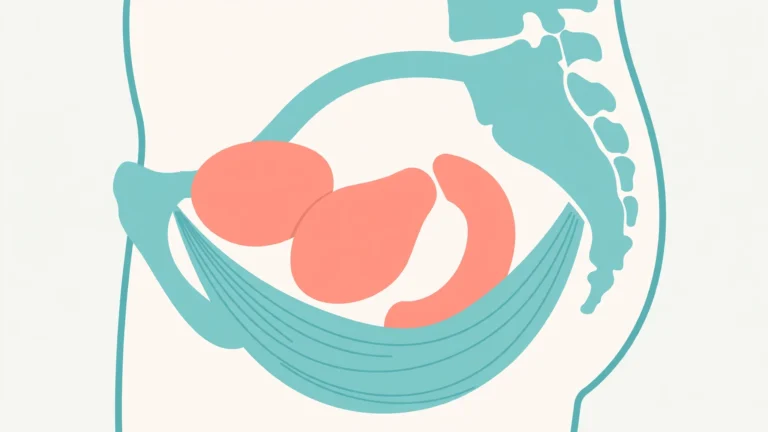
- Pelvic-floor problems. Chronically tense pelvic-floor muscles can cause pain with penetration, difficulty with orgasm, or pain with erection or ejaculation. A pelvic-health physical therapist can assess whether your muscles need relaxation, coordination work, or stretching — a generic set of Kegel exercises is not the answer for everyone.
- Medication-related changes in desire, arousal, or orgasm that your prescriber has not yet addressed.
- Relationship strain. A couples counselor — ideally one experienced with chronic illness — can help you navigate grief, resentment, and mismatched needs before they harden. A certified sex therapist can guide you through sensate focus and other structured approaches. For a clinical overview of fibromyalgia diagnosis and treatment options, see the NIH’s NIAMS resource.
- Mood symptoms. If depression or anxiety are deepening, whether or not they feel connected to intimacy, that is reason enough to seek help.
If you and your partner are navigating desire differences more broadly, our article on mismatched libidos in marriage offers additional strategies for finding common ground.

Frequently Asked Questions
Can people with fibromyalgia have a satisfying sex life?
Yes. A 2024 systematic review found poorer sexual-function outcomes among women with fibromyalgia than among healthy comparison groups — but difficulty is not impossibility. With pain management, pacing, communication, and often a broader definition of intimacy, many couples rebuild a satisfying intimate life. The key is adapting to the body you have today rather than mourning the one you had before.
Why does fibromyalgia lower sex drive?
Chronic pain and fatigue drain the energy intimacy requires; heightened pain sensitivity can make touch uncomfortable; fibromyalgia medications commonly dampen desire and arousal; and the anxiety and depression that often accompany chronic illness further suppress libido. Sorting out which factors dominate for you — ideally with your clinician — is the first step toward addressing them.
What are the most comfortable ways to be intimate with fibromyalgia?
Useful strategies include timing intimacy for your best symptom window, supporting painful joints with pillows, letting the bed carry your weight, using water-based lubricant to reduce friction, and taking a warm bath beforehand. Many couples also find that non-penetrative intimacy — massage, mutual touch, sensate focus — removes the pressure that makes sex stressful.
Should we schedule sex when one partner has fibromyalgia?
Planning can genuinely help, as long as the plan stays flexible. Tracking symptoms for a few weeks often reveals better and worse windows, and a standing “let’s see how we feel on Saturday” gives intimacy a place on the agenda without turning it into an obligation. Either partner should be able to postpone without guilt or conflict — the plan is an invitation, not a contract.
Do fibromyalgia medications affect sexual function?
Yes, commonly. Duloxetine, milnacipran, and SSRI antidepressants such as paroxetine and sertraline can reduce libido, delay orgasm, or cause vaginal dryness and erectile difficulties in some people. If you notice a change that lines up with starting or adjusting a medication, tell your prescriber — dose adjustments or alternatives may help. Do not stop or skip doses on your own.
When should we see a doctor or therapist about intimacy problems?
Seek help when pain with intimacy is new, worsening, or localized in a way that feels different from your usual fibromyalgia pain — it may have a separate treatable cause. Also consider professional support for medication-related sexual side effects, persistent desire differences, pelvic-floor symptoms, or relationship strain that you cannot resolve together. A rheumatologist, pelvic-health physical therapist, couples counselor, or certified sex therapist can each help with different pieces of the puzzle.
A Final Word for Both of You
Fibromyalgia asks a lot of a relationship: patience on the hard days, creativity when old routines stop working, and honesty about things most couples never say out loud. Talking openly about fibromyalgia and sex is one of the kindest things partners can do for each other. But many couples report something unexpected on the other side of that work — an intimacy that is more attentive and communicative than what they had before the diagnosis. Your intimate life may look different now. Different is not the same as over.
This article is for educational purposes only and is not medical advice. Fibromyalgia affects everyone differently, and the strategies described here may not suit every situation. Talk to your doctor, rheumatologist, or another qualified healthcare professional about symptoms, medications, and treatment options before making changes. If you experience new, severe, or worsening pain, bleeding, or other concerning symptoms, seek medical care promptly.