Hepatitis B and Sex: What Couples Need to Know
Finding out that one partner has hepatitis B — or simply realizing you don’t know each other’s status — can shake even a strong relationship. Questions pile up fast: Can we still be intimate? Do I need testing? Should our future children worry? Understanding hepatitis b sexual transmission is the first step toward replacing fear with facts, because this is one of the few sexually transmitted infections where a highly effective vaccine can make the worry largely disappear.
This guide covers everything couples need to know about hepatitis b sexual transmission: how the virus actually passes between partners, what raises or lowers the risk, what a diagnosis means for both of you, how vaccination protects the uninfected partner, and how to handle pregnancy, testing, and disclosure with clarity and care. The tone here is medical and matter-of-fact — because with good information, hepatitis B is one of the most manageable challenges a couple can face.
What Hepatitis B Is: A Quick Refresher for Couples
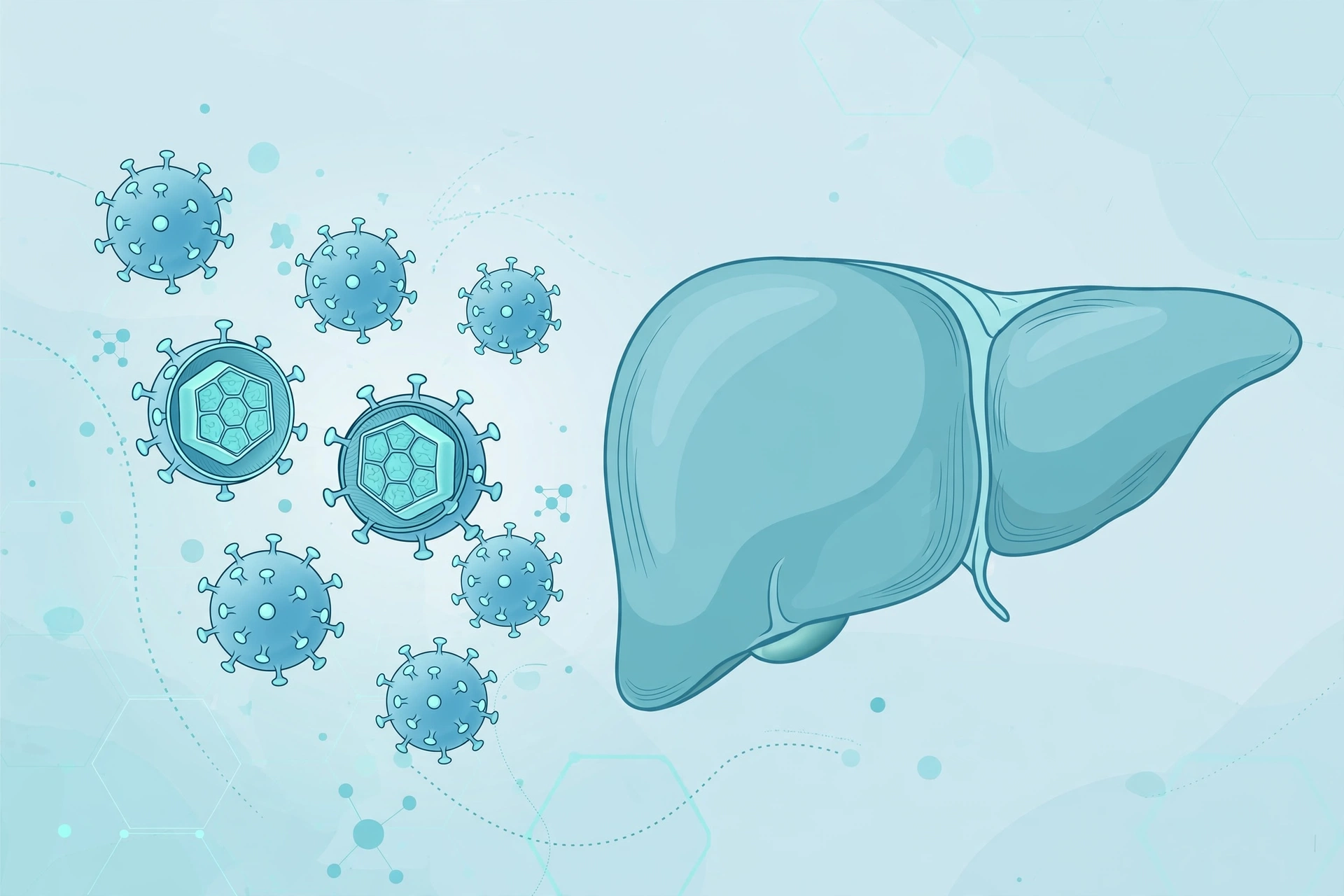
Hepatitis B is a liver infection caused by the hepatitis B virus (HBV). The virus travels in blood and body fluids — including semen, vaginal fluids, and menstrual blood — and it is notably hardy: it can survive on surfaces outside the body for a week or more and remains infectious there. According to the World Health Organization, an estimated 254 million people were living with chronic hepatitis B in 2022, and most people who carry it long-term have no symptoms at all.
The infection comes in two forms. Acute hepatitis B is a short-term illness (weeks to a few months) that most healthy adults clear on their own, gaining lifelong immunity afterward. Chronic hepatitis B is a long-term infection — defined as virus still detectable in the blood after six months — that can silently damage the liver over years, raising the risk of cirrhosis and liver cancer. Age at infection matters enormously: roughly 90% of infected infants develop chronic infection, compared with only about 2–6% of infected adults. There is no cure for chronic hepatitis B, but antiviral medications can suppress the virus and greatly reduce the risk of liver complications.
How Hepatitis B Sexual Transmission Happens During Sex
Hepatitis B sexual transmission occurs when infected blood, semen, vaginal fluids, or menstrual blood enters the other partner’s body through mucous membranes (the lining of the vagina, anus, mouth, or the tip of the penis) or through tiny breaks in the skin. HBV is far more concentrated in semen and vaginal fluids than many other viruses, which is why unprotected sex is one of its most common transmission routes in adults.
Which sexual activities carry risk?
- Vaginal intercourse without a condom is the most common route of hepatitis b sexual transmission between partners.
- Anal intercourse without a condom carries an even higher risk per act, because the rectal lining is delicate and more prone to microscopic tears.
- Oral sex carries a lower but real risk, especially if there are cuts, sores, or bleeding gums in the mouth, or during menstruation.
- Sharing sex toys without cleaning or covering them can transfer infected fluids between partners.
- Any activity involving blood-to-blood contact — rough sex that causes tears, or contact with open sores — raises the risk.
What raises or lowers the risk
Risk climbs when there is skin breakage, when either partner has another sexually transmitted infection (STIs can cause sores and inflammation that make entry easier), and when the infected partner has a high viral load — people with chronic hepatitis B are generally infectious for as long as the virus is detectable in their blood. Risk drops sharply with consistent condom use, with vaccination of the uninfected partner, and when the infected partner’s virus is suppressed with treatment. A couple where one partner is fully vaccinated and confirmed immune can be intimate without the fear that otherwise hangs over the relationship. Keeping these factors in mind makes hepatitis b sexual transmission easier to manage as a team.
What Hepatitis B Sexual Transmission Is Not: Common Myths
Myths about hepatitis b sexual transmission cause more relationship damage than the virus itself, so let’s clear them up with what the science actually says:
- Kissing, hugging, and holding hands do not transmit hepatitis B. Saliva alone is not considered an efficient route — casual contact is safe.
- Sharing food, dishes, or cutlery does not transmit it. Neither does using the same toilet, swimming pool, or shower.
- Coughing and sneezing do not spread hepatitis B. It is not an airborne virus.
- A couple cannot “re-infect” each other repeatedly. If both partners are immune (through past cleared infection or vaccination), there is no ping-pong effect.
- Hepatitis B is not a marker of infidelity. The virus can persist silently for decades, so a new diagnosis does not reveal when or from whom someone was infected. Jumping to accusations helps no one — testing and vaccination do.
If you’re unsure about other everyday-contact questions, our guide on whether you can get an STI from kissing walks through the evidence for several infections, not just hepatitis B.
Symptoms — and Why Many Couples Never Notice Them
One of the trickiest things about hepatitis B is how quietly it can behave. Many adults with acute infection develop no symptoms at all, and most people with chronic hepatitis B feel completely well for years or even decades while the virus remains active in their blood — and infectious to partners. Because hepatitis b sexual transmission can occur without any symptoms, testing matters more than guesswork.
When symptoms do appear, they usually take 1–4 months after exposure to show up and may include fatigue, loss of appetite, nausea or vomiting, abdominal discomfort, joint pain, low-grade fever, dark urine, pale stools, and jaundice (yellowing of the skin and eyes). Because these signs are nonspecific and often mild, relying on symptoms to guess your status is unreliable. The only way to know for sure is a simple blood test, which can detect current infection, past cleared infection, and vaccine-induced immunity. If a home test is part of your plan, read up on how accurate at-home STI tests really are so you understand what they can and cannot tell you about hepatitis B.
What One Partner’s Diagnosis Means for the Couple
A hepatitis B diagnosis in one partner is a medical situation, not a relationship verdict. When hepatitis b sexual transmission is the concern, here is the practical playbook, in order:
1. Get the partner tested — promptly
The uninfected partner should be screened with the standard hepatitis B blood panel, which typically includes three markers: HBsAg (shows current infection), anti-HBs (shows immunity from vaccination or past cleared infection), and anti-HBc (shows a past or current infection). Together these tell the clinician exactly where the partner stands: infected, immune, or still susceptible and needing vaccination.
2. Start vaccination for the susceptible partner
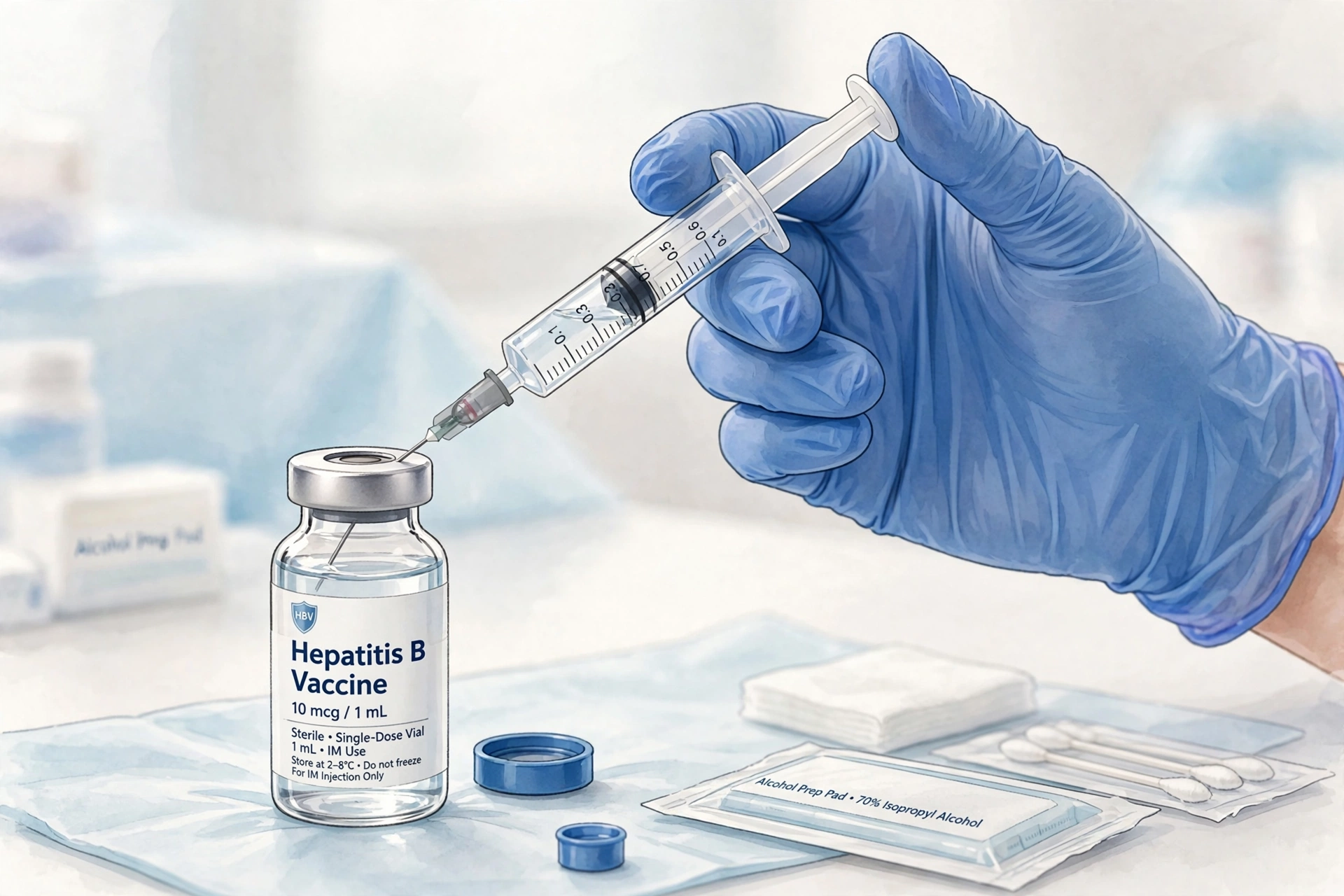
If the partner is not immune, vaccination should begin right away. The standard adult schedule is three doses over six months, and protection builds with each dose. Clinicians may also recommend hepatitis B immune globulin (HBIG) for a partner with a very recent, high-risk exposure — this is a decision for the doctor, not a home remedy. Until immunity is confirmed, use condoms consistently.
3. Tell each other — and consider telling past partners
Disclosure between partners should happen before the next sexual encounter after a diagnosis. In many regions, public health services can confidentially notify recent partners without revealing your identity. If the conversation feels daunting, our guide on dating with an STI and how to disclose offers scripts and timing advice that apply just as well inside an established relationship.
4. Don’t guess about timing
Because chronic hepatitis B can be decades old by the time it’s found, there is usually no way to know exactly when the infection began. Blame is medically meaningless here; the productive question is always “what do we do now?”
Protection That Works: Vaccination, Condoms, and Household Habits
The good news for couples is that hepatitis b sexual transmission is one of the most preventable risks in existence. The vaccine is safe, has been in use since the early 1980s, and provides long-lasting — effectively lifelong — protection for the vast majority of recipients.
The hepatitis B vaccine for partners
All adults through age 59 — and adults 60 and older with risk factors, including having a partner with hepatitis B — are recommended to be vaccinated. For a couple with one infected partner, the uninfected partner’s vaccination is the single most important protective step against hepatitis b sexual transmission. Full protection develops after the complete series, so keep using condoms until the clinician confirms immunity with a follow-up blood test (an anti-HBs level check). Once immunity is confirmed, the couple can stop using condoms for hepatitis B prevention specifically, if both partners are comfortable doing so.
Condoms and barriers
Correct, consistent condom use for vaginal and anal sex substantially reduces hepatitis b sexual transmission risk. Use barriers (condoms or dental dams) for oral sex when the infected partner is involved, and put condoms on shared sex toys or clean them thoroughly between uses. Our guide to anal sex safety and STI risks has detailed barrier and lubrication advice, since anal sex carries the highest per-act risk of hepatitis b sexual transmission.
At-home habits for couples living together
Because the virus survives for days on surfaces, couples sharing a home should avoid sharing razors, toothbrushes, nail clippers, or anything else that may carry traces of blood. Cover cuts and sores, clean blood spills with a household disinfectant, and dispose of items like bandages carefully. These steps are simple, and they close the non-sexual transmission routes that surprise many couples.
Pregnancy, Fertility, and Hepatitis B
For couples planning a family, questions about hepatitis b sexual transmission naturally extend to pregnancy, so hepatitis B deserves a specific conversation with the obstetrician — but it should not derail family plans.
- Screening is routine: pregnant women are routinely screened for hepatitis B early in pregnancy in most countries. If the mother tests positive, the care team plans accordingly.
- Newborn protection is highly effective: babies born to mothers with hepatitis B receive both the first vaccine dose and HBIG within 12 hours of birth — a combination that prevents the great majority of mother-to-child transmissions.
- Breastfeeding is generally considered safe once the newborn has received the birth dose of vaccine, because the virus is not efficiently transmitted through breast milk. If nipples are cracked and bleeding, pause and let them heal, since blood is the concern.
- Fathers with hepatitis B do not transmit the virus genetically to the child; the risk is to the mother through sex, which is why her vaccination and immunity matter.
- Fertility treatments are not off-limits — clinics routinely manage hepatitis B-positive patients with standard precautions.
Living With Chronic Hepatitis B as a Couple
When one partner has chronic hepatitis B, daily life can be essentially normal — with a few deliberate habits:
- Medical follow-up: the infected partner should have regular liver monitoring (blood tests and periodic imaging) as their clinician recommends, and antiviral treatment if the clinician advises it. Modern antivirals suppress the virus effectively, which also lowers infectiousness.
- Liver-friendly living: avoiding alcohol, maintaining a healthy weight, and steering clear of unnecessary medications or supplements that strain the liver all help. These are household habits a partner can happily share.
- Keep intimacy alive: once the uninfected partner is vaccinated and immune, there is no medical reason to restrict physical closeness — hugging, kissing, massage, and sex included. Couples who let fear shrink their physical connection often find the emotional distance hurts more than the virus ever could.
- Handle stigma as a team: hepatitis B still carries unfair stigma. Agree together on who needs to know (clinicians, and sexual partners) and who doesn’t, and treat the diagnosis as a shared health project rather than one person’s secret.
Medical Disclaimer
This article is for educational purposes only and is not medical advice. Hepatitis B affects each person differently, and decisions about testing, vaccination, post-exposure treatment, and antiviral therapy should be made together with a qualified clinician. Do not use this article to diagnose yourself or a partner, and do not start, stop, or change any medication based on general information found online. If you believe you have been exposed to hepatitis B, contact a healthcare provider promptly — timely action makes a real difference.
Frequently Asked Questions
Can hepatitis B be transmitted through sex if there are no symptoms?
Yes. People with chronic hepatitis B usually feel completely well yet can still transmit the virus through sexual contact, because the virus is present in semen, vaginal fluids, and menstrual blood regardless of symptoms. This is why testing — not how someone feels — is the only reliable way to know the risk in a relationship.
Is hepatitis B considered an STD?
Hepatitis B is often grouped with sexually transmitted infections because unprotected sex is one of its main transmission routes in adults. However, it is not transmitted only through sex — it also spreads through blood exposure, shared needles, and from mother to child at birth. Unlike most classic STDs, hepatitis b sexual transmission is vaccine-preventable — a fact that sets it apart.
If my partner has hepatitis B, will I definitely get it?
No. Transmission is not automatic. Consistent condom use sharply reduces the risk, and the hepatitis B vaccine protects the uninfected partner almost completely once the full series is complete and immunity is confirmed. Many couples live with one infected partner and never transmit the virus, especially when vaccination is in place.
How long after exposure should I get tested?
Hepatitis B blood tests can detect infection as early as a few weeks after exposure, though markers may take up to a couple of months to appear. If you had a recent high-risk exposure, see a clinician promptly — they can advise on the right testing schedule and whether hepatitis B immune globulin (HBIG) is appropriate in your situation.
Can we have unprotected sex once I’m vaccinated?
Once the uninfected partner has completed the vaccine series and a follow-up blood test confirms protective immunity (anti-HBs), clinicians generally consider the couple protected against hepatitis b sexual transmission. Do not skip the confirmation blood test — completing the shots without verifying immunity leaves a gap in certainty.
Can a mother with hepatitis B breastfeed safely?
Yes, generally. Major health authorities consider breastfeeding safe for mothers with hepatitis B once the newborn has received the birth dose of vaccine (and HBIG when indicated). The virus is not efficiently transmitted through breast milk; the precaution is about blood — so pause feeding from a cracked, bleeding nipple until it heals.
Does hepatitis B go away on its own?
Most healthy adults clear an acute hepatitis B infection on their own within months and develop lifelong immunity. Chronic hepatitis B, however, does not go away on its own — it requires ongoing medical monitoring and, for many patients, long-term antiviral treatment to keep the virus suppressed and protect the liver.
Where can I read reliable information about hepatitis B?
The WHO hepatitis B fact sheet and the U.S. HHS hepatitis B basics page are authoritative, regularly updated starting points for understanding transmission, testing, and prevention.