Prostatitis Explained: Types, Symptoms, and Treatment
Few diagnoses confuse men as much as prostatitis: burning urination one day, pelvic pain the next, and internet results ranging from “mild infection” to “possible cancer.” This complete guide to prostatitis symptoms treatment cuts through that confusion — the four types urologists recognize, the symptoms each causes, how doctors diagnose the condition, and the treatments they recommend — in plain, clinical language that helps you walk into your doctor’s office informed, not alarmed.
What Is Prostatitis?
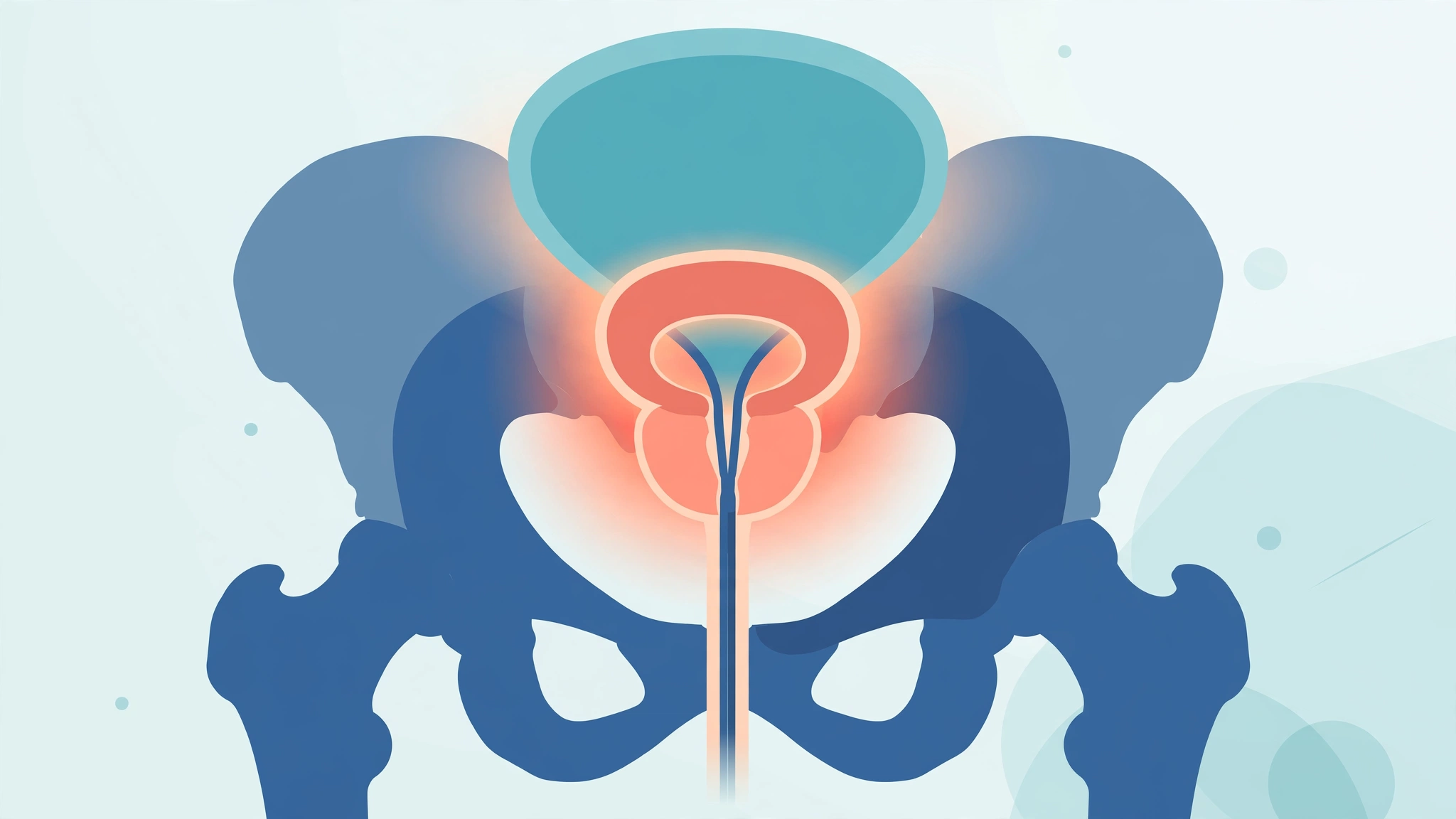
The prostate is a walnut-sized gland below the bladder, wrapping around the urethra — the tube carrying urine and semen. Its main job is producing seminal fluid, which nourishes and transports sperm. Prostatitis simply means inflammation of this gland.
Despite being less famous than prostate cancer or an enlarged prostate, prostatitis is remarkably common: roughly half of all men will experience symptoms of it, driving around two million medical visits each year in the United States. Unlike prostate cancer and BPH, which mainly affect older men, prostatitis can strike at any age.
Here is what makes effective prostatitis symptoms treatment tricky: “prostatitis” is not one disease but an umbrella term for several syndromes with different causes, symptom patterns, and treatments. Getting the right treatment starts with knowing which type you have.
The Four Types of Prostatitis
Urologists recognize four categories — which is why two men with “prostatitis” can have completely different experiences. Getting effective prostatitis symptoms treatment starts with identifying which category applies.
Type 1: Acute Bacterial Prostatitis
The least common but most dramatic form. Bacteria — often the same strains that cause urinary tract infections — trigger a sudden prostate infection: high fever, chills, muscle aches, severe pelvic or lower-back pain, burning urination, and urgent, frequent urination. The prostate can swell enough to weaken the urine stream or block urination entirely — a medical emergency. Because the cause is clear, prostatitis symptoms treatment here is the most straightforward: prompt antibiotics, usually highly effective when the full course is completed.
Type 2: Chronic Bacterial Prostatitis
Also bacterial, but a low-grade, persistent infection lasting weeks or months — sometimes after an acute episode that was never fully cleared. Symptoms come and go: urgency, frequent or painful urination, nighttime urination, low back or rectal pain, heaviness behind the scrotum, and sometimes pain after ejaculation or blood in the semen. Fever is uncommon. Treatment needs a longer antibiotic course, and recurrences are common — so urologists often tailor prostatitis symptoms treatment for this form over several follow-up visits.
Type 3: Chronic Prostatitis / Chronic Pelvic Pain Syndrome (CP/CPPS)
The most common type by far — and the least understood. Symptoms mirror chronic bacterial prostatitis: pelvic pain, urinary difficulty, and painful ejaculation lasting at least three of the past six months — but no bacteria can be found. Researchers believe an initial infection, injury, stress, or pelvic muscle dysfunction can leave the pain system sensitized; some experts now see it as a whole-pelvic-floor condition rather than purely a prostate problem. With no single cause, prostatitis symptoms treatment is multimodal — combining medications, physical therapy, and stress management rather than antibiotics alone.
Type 4: Asymptomatic Inflammatory Prostatitis
White blood cells are found in urine or prostate secretions, but the man has no symptoms at all. It is usually discovered by accident during testing for infertility or another prostate condition, and generally requires no treatment.
Prostatitis Symptoms: The Full Picture
Symptoms vary by type, but recognizing these patterns is where the prostatitis symptoms treatment journey begins:
- Urinary: frequent or urgent urination, burning during urination, weak or interrupted stream, difficulty starting, feeling the bladder never fully empties, and repeated nighttime urination.
- Pain: aching or pressure in the pelvis, lower abdomen, lower back, groin, testicles, or perineum; rectal fullness; pain during bowel movements.
- Sexual: painful ejaculation, blood in the semen, reduced libido, and difficulty getting or keeping an erection.
- Infection (acute type): high fever, chills, body aches, fatigue, and sometimes cloudy or foul-smelling urine.
These symptoms overlap with other conditions — including BPH, urinary tract infections, and STIs. That overlap is exactly why self-diagnosis is unreliable and a medical evaluation matters.
Prostatitis vs. BPH vs. Prostate Cancer: Know the Difference
Most men lump all prostate problems together. This table separates the three big ones — a distinction that decides which prostatitis symptoms treatment path applies:
| Feature | Prostatitis | BPH (Enlarged Prostate) | Prostate Cancer |
|---|---|---|---|
| Nature | Inflammation (sometimes infection) | Non-cancerous growth of the gland | Malignant tumor growth |
| Typical age | Any age, including young men | Mainly men over 50 | Mainly men over 50 |
| Onset | Sudden (acute) or gradual (chronic) | Gradual, over years | Gradual, often silent |
| Pain | Common — pelvis, back, genitals | Usually painless | Usually painless early on |
Two critical takeaways. First, prostatitis is not prostate cancer, and it does not turn into prostate cancer — large studies have found no causal link. Second, an inflamed prostate can temporarily raise PSA levels, so a PSA test during a prostatitis episode can look falsely alarming. Urologists usually treat the inflammation first and retest later. New to prostate testing? Read our guide on what a PSA test really tells you.
Causes and Risk Factors
Acute and chronic bacterial forms are caused by bacteria spreading from the urinary tract, rectum, or bloodstream — sometimes after a urinary catheter or prostate biopsy. STI-causing bacteria such as chlamydia or gonorrhea can occasionally be involved, particularly in younger men. For CP/CPPS, the picture is murkier: prior infection, pelvic muscle dysfunction, nerve irritation, stress, and immune-system factors may all play a role. Risk factors across types include young or middle adulthood, a previous episode, urinary or reproductive infections, catheter use, recent biopsy, pelvic injury, and chronic stress. Knowing which risk factors apply can help your doctor choose the most effective prostatitis symptoms treatment for you.
How Doctors Diagnose Prostatitis
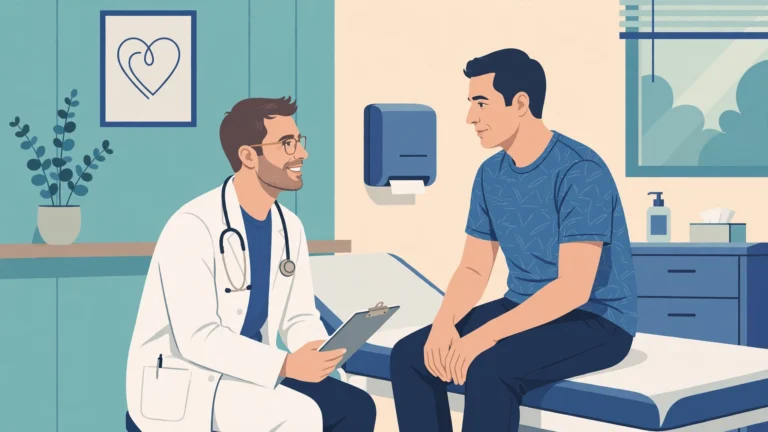
Symptoms mimic other conditions, so diagnosis is a process of gathering evidence. Knowing what each test does makes the appointment far less stressful:
- Symptom history and the NIH-CPSI questionnaire: your detailed description is the most important diagnostic tool; doctors score pain, urinary symptoms, and quality-of-life impact with this standardized questionnaire.
- Digital rectal exam (DRE): the doctor feels the prostate through the rectum for swelling or tenderness.
- Urine tests: urinalysis and culture detect infection; pre- and post-massage samples help pinpoint bacteria from the prostate.
- Prostate fluid or semen analysis: checks for white blood cells and bacteria when the source is unclear.
- STI testing: especially in younger, sexually active men, since symptoms can overlap.
- Blood tests including PSA: read cautiously, since inflammation alone can raise PSA.
- Imaging: ultrasound or other scans if abscess, stones, or structural problems are suspected.
A careful workup is the foundation of effective prostatitis symptoms treatment.
One safety note: in acute bacterial prostatitis, doctors deliberately avoid prostate massage — pressing on a severely infected gland risks pushing bacteria into the bloodstream. It is reserved for chronic forms.
Prostatitis Symptoms Treatment: How Doctors Treat Each Type
There is no single prostatitis symptoms treatment — the right approach depends on the type. Below is what doctors typically recommend. (No dosages here; prescribing belongs to your doctor.)
Acute Bacterial Prostatitis
Prompt antibiotics are the cornerstone, usually for several weeks — finish the entire course even if symptoms fade early. Severe cases, such as high fever or inability to urinate, may require hospital care with intravenous antibiotics and fluids. Supportive measures help too: fluids, over-the-counter pain relievers, stool softeners, and warm baths.
Chronic Bacterial Prostatitis
A longer antibiotic course, often one to three months. The infection can be hard to fully eradicate from prostate tissue, so recurrences happen; repeat courses usually bring them back under control, and some men are managed with a low-dose, long-term regimen under close supervision.
Chronic Prostatitis / Chronic Pelvic Pain Syndrome (CP/CPPS)
This is where treatment becomes truly personalized. Leading guidelines describe a multimodal approach — sometimes formalized as UPOINT, which classifies patients by urinary symptoms, psychosocial factors, organ-specific findings, infection, neurologic issues, and muscle tenderness, then targets whichever domains are active:
- Alpha-blockers: relax the muscles around the prostate and bladder neck, easing urinary symptoms.
- Anti-inflammatories and pain relievers: reduce pain and swelling.
- Pelvic floor physical therapy: myofascial release, biofeedback, and relaxation training address the pelvic muscle tension many men carry — increasingly seen as a core treatment.
- Stress and mental-health support: anxiety and depression both worsen and result from chronic pelvic pain, so therapy is often part of the plan.
- Heat therapy: warm or sitz baths relax pelvic muscles and soothe pain.
Studies of the UPOINT approach report meaningful improvement in roughly seven to eight out of ten men — a strong argument for a urologist experienced with CP/CPPS over repeated antibiotic courses.
Asymptomatic Inflammatory Prostatitis
No treatment is needed unless it is linked to another condition, such as infertility, that your doctor decides to address.

Everyday Self-Care and Common Flare-Up Triggers
Many men find symptoms ease — or flare — with daily habits. Common reported triggers include spicy foods, caffeine, alcohol, and prolonged sitting, especially bicycling. Doctors commonly suggest:
- Drink plenty of non-caffeinated fluids to help flush the urinary tract.
- Limit alcohol, caffeine, and very spicy foods during flare-ups.
- Use warm baths or a heating pad for pelvic discomfort.
- Sit on a cushion and take standing breaks; reconsider long bicycle rides.
- Manage stress — exercise, good sleep, and relaxation help calm the nervous system that amplifies pelvic pain.
These measures support your prostatitis symptoms treatment; they do not replace it. For more on hormones and the prostate, see our guide on testosterone and prostate health.
Prostatitis, Sex, and Fertility: What Couples Should Know
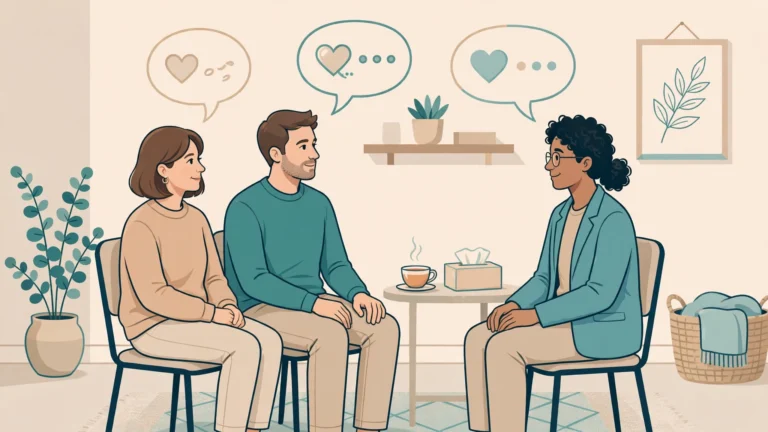
This is the question men are most hesitant to ask — and the one standard articles answer least fully. Prostatitis itself is not contagious and is not classified as a sexually transmitted infection. However, when STI-causing bacteria are the trigger, those bacteria can be transmitted — which is why doctors sometimes test for STIs and advise partners to be evaluated. If an STI is found, your partner should be treated too, or reinfection is likely.
During acute bacterial prostatitis, doctors generally advise pausing sexual activity until the infection clears. With chronic forms, sex is usually safe. Pain during or after ejaculation is a recognized symptom and often improves once prostatitis symptoms treatment targets the correct type — so persistent post-sex pain is itself a reason to seek the right diagnosis.
On fertility: acute prostatitis can temporarily affect semen quality, and in rare cases complications such as epididymitis can threaten fertility if untreated. With proper treatment, fertility usually recovers. Men planning a pregnancy who have symptoms should mention it to their doctor.
The Mental Health Side of Chronic Pelvic Pain
Months of unpredictable pelvic pain, interrupted sleep, and disrupted intimacy commonly bring anxiety, frustration, and low mood — and stress can amplify pain perception. This is a documented part of the condition. Major guidelines include psychosocial support in treatment plans, and talking with a mental-health professional experienced in chronic pain is part of taking the condition seriously.
When to See a Doctor — and When It Is Urgent
See your doctor promptly for burning urination, pelvic pain, painful ejaculation, or blood in urine or semen — only an evaluation can sort out the cause. If already diagnosed, report recurrences early rather than waiting.
Seek urgent or emergency care for sudden inability to urinate, high fever with chills and pelvic pain, or severe sudden pelvic pain. These can signal acute bacterial prostatitis with complications such as urinary retention, bloodstream infection, or a prostatic abscess — all medical emergencies.
Questions to Ask Your Doctor
Few articles give you a script for the appointment. Bring these seven questions to make the visit count — the answers will shape your prostatitis symptoms treatment plan:
- Which type of prostatitis do I have, and how was that determined?
- What treatment do you recommend, and how long until I should expect improvement?
- Do I need antibiotics, or is my type non-bacterial?
- Could something else — BPH, an STI — be causing this, and should my partner be tested?
- Is sex safe during treatment, and will this affect my fertility?
- What can I do at home to ease symptoms while treatment takes effect?
- What signs mean I should come back sooner or seek urgent care?
FAQs
Is prostatitis a sexually transmitted infection?
Prostatitis itself is not an STI and is not contagious. However, sexually transmitted bacteria such as chlamydia or gonorrhea can occasionally cause it, especially in younger men — which is why doctors sometimes include STI testing, and why partners may need treatment if an STI is found.
Can prostatitis be cured?
It depends on the type. Acute bacterial prostatitis usually resolves completely with antibiotics. Chronic bacterial prostatitis can be cured but often recurs. CP/CPPS — the most common type — is typically managed rather than cured, though multimodal prostatitis symptoms treatment brings significant improvement to most men.
Does prostatitis cause prostate cancer?
No. Major urology organizations report no causal link between the two. Symptoms can overlap — which is why evaluation matters — but prostate inflammation is not a cancer pathway, and having prostatitis does not put you on a road to prostate cancer.
Is it safe to have sex during prostatitis treatment?
During acute bacterial prostatitis, doctors usually advise waiting until the infection clears. With chronic forms, sex is generally safe, but painful ejaculation should be reported to your doctor rather than silently endured. Discuss your situation with your physician for clear, personalized guidance — and tell your partner if an STI was part of the diagnosis.
Can prostatitis affect fertility?
It can temporarily reduce semen quality, and untreated complications like epididymitis carry fertility risks. With proper treatment, fertility typically recovers. Men trying to conceive should tell their doctor about any symptoms so treatment and timing can be planned together.
How long does prostatitis treatment take?
Acute bacterial prostatitis often improves within days, though the antibiotic course usually runs several weeks. Chronic bacterial prostatitis may need one to three months. CP/CPPS management is longer-term — expect weeks to months of combined therapies, and stay in follow-up with your urologist.
If pelvic pain, urinary burning, or painful ejaculation sound familiar, do not wait for it to pass on its own — the right prostatitis symptoms treatment depends entirely on which type you have, and only a medical evaluation can determine that. Talk to your doctor or a urologist, and bring the question list above.
Medical disclaimer: This article is for educational purposes only and is not medical advice. Prostatitis symptoms can overlap with other conditions that require different treatment. Do not self-diagnose or start medications based on this article — consult a qualified healthcare professional for diagnosis and a treatment plan tailored to you.
For authoritative medical information on this condition, see Mayo Clinic’s overview of prostatitis symptoms and causes and the NICE public guidance on prostatitis and antibiotics.