Epididymitis: Symptoms, Causes, and Treatment
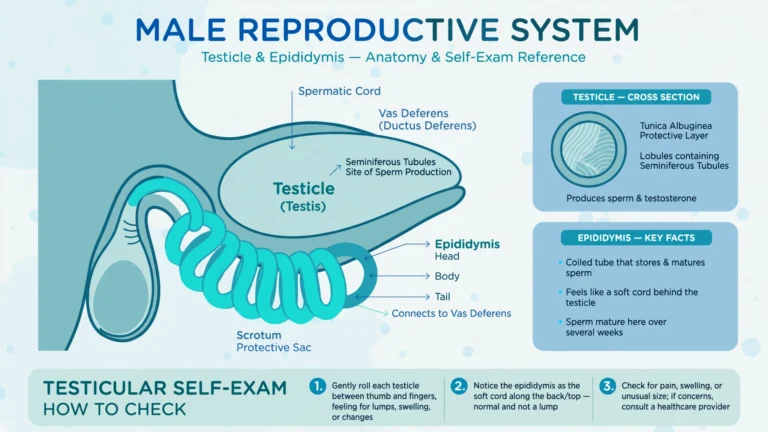
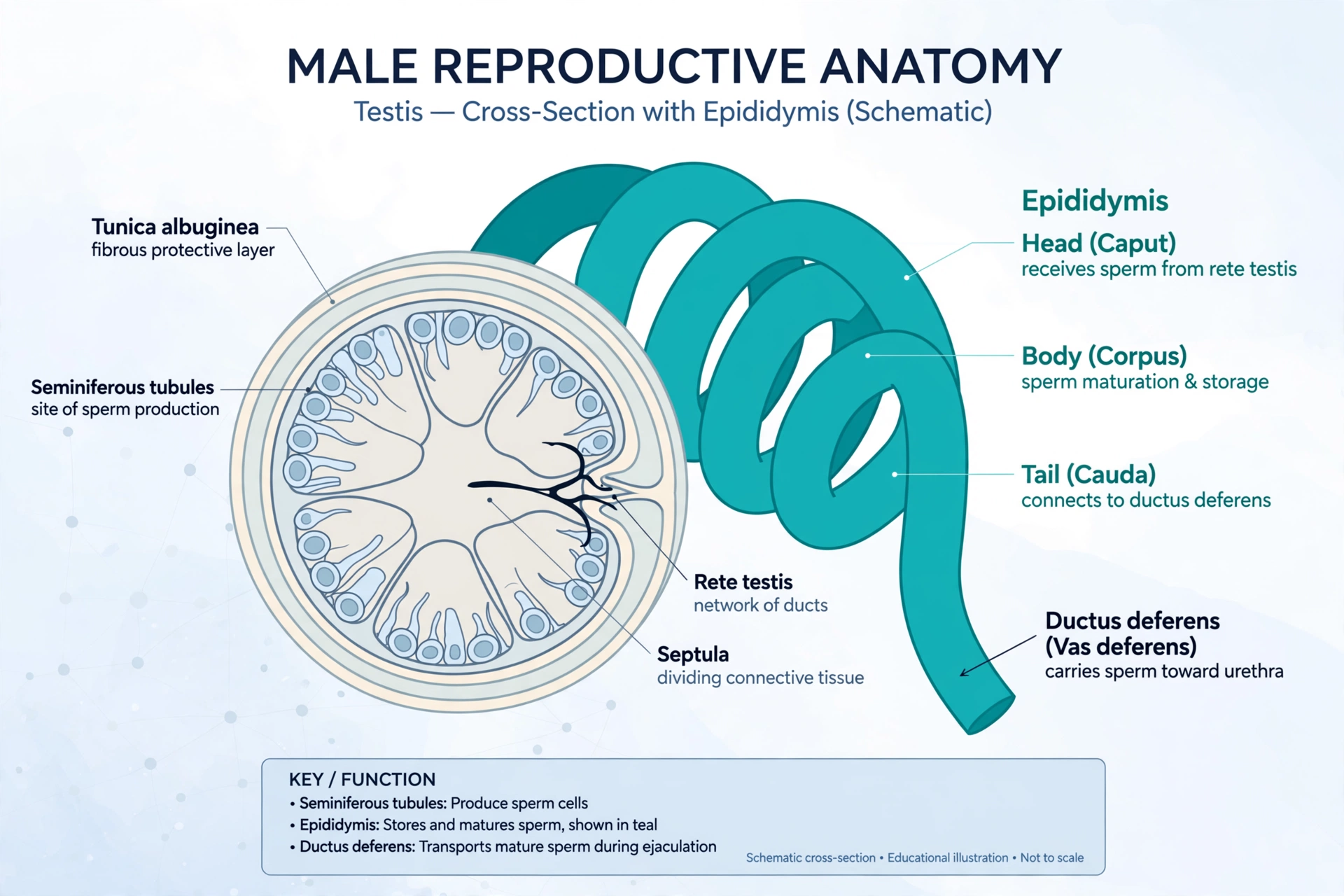
Epididymitis (ep-ih-did-ih-MY-tis) is the medical term for inflammation of the epididymis — a tightly coiled tube, roughly six meters long when uncoiled, packed into a comma-shaped structure that rests along the back of each testicle. Sperm made in the testicle mature inside the epididymis over a couple of weeks before moving on, which is why an infection or irritation in this small tube can be so painful and disruptive. This complete guide to epididymitis symptoms treatment explains what the condition feels like, what causes it at different stages of life, how clinicians tell it apart from emergencies that look similar, and how it is treated, managed, and prevented.
What the Epididymis Does — and Why It Hurts When Inflamed
The epididymis has three regions, and doctors sometimes use them to describe exactly where the inflammation is centered. Understanding this anatomy makes any discussion of epididymitis symptoms treatment easier to follow, because most treatment steps target swelling in one of these regions:
- The head (caput): the upper portion, where newly made sperm arrive from the testicle through a network of ducts.
- The body (corpus): the long middle section, where sperm mature and gain the ability to swim.
- The tail (cauda): the lower portion, which stores mature sperm and connects to the vas deferens.
Because the epididymis is a thin, tightly packed tube, even modest swelling presses on nearby nerves and tissues. That is why pain often starts as a dull ache at the back of one testicle and then spreads across the whole scrotum, the groin, and sometimes the lower abdomen. When inflammation spreads from the epididymis into the testicle itself, the combined condition is called epididymo-orchitis — it is treated the same way, but the swelling and tenderness are usually more pronounced.
Common Epididymitis Symptoms
Epididymitis symptoms typically build gradually over one to two days rather than striking all at once. A common pattern is a mild ache at the back of one testicle in the morning that becomes clearly swollen and tender by the evening of the next day. Recognizing these early signs matters, because prompt epididymitis symptoms treatment usually starts with same-day antibiotics and supportive care. Symptoms may include:
- Pain and tenderness in one testicle, usually starting at the back and spreading across the scrotum
- Swelling, warmth, and redness of the scrotum on the affected side
- A tender, thickened, cord-like area behind the testicle that can be felt through the skin
- Burning or pain when passing urine, and needing to urinate more often or more urgently than usual
- Discharge from the penis (more common when the cause is chlamydia or gonorrhea)
- A heavy or dragging feeling in the scrotum, groin pain, or discomfort in the lower abdomen
- Pain during ejaculation, or blood in the semen
- Fever, chills, and a general sense of feeling unwell
It helps to know that epididymitis symptoms can look different depending on the cause. Sexually transmitted infections tend to produce more discharge and urinary burning; urinary bacteria in older men more often produce fever and a heavy, aching pressure. For a patient-friendly overview, the Mayo Clinic’s overview of epididymitis symptoms and causes covers the same symptom pattern.

When Scrotal Pain Is an Emergency
Not all scrotal pain is epididymitis, and the distinction matters because one look-alike — testicular torsion, a twisting of the spermatic cord — can destroy a testicle within hours. The single most useful difference is speed of onset: epididymitis builds over hours to days, while torsion strikes over minutes. Getting this distinction right is critical, because epididymitis symptoms treatment and torsion treatment are completely different. Other urological emergencies such as priapism also require urgent care.
| Feature | Epididymitis | Testicular torsion |
|---|---|---|
| Onset | Gradual, over hours to a couple of days | Sudden, over minutes |
| Typical age | Any age, most common between 19 and 35 | Mostly 12 to 18, also in newborns |
| Urinary burning or discharge | Common | Rare |
| Fever | Often present | Uncommon |
| Urgency | See a doctor within a day or two | Emergency surgery within about six hours |
What Causes Epididymitis?
The cause of epididymitis is strongly tied to age. In sexually active men under 35, chlamydia and gonorrhea are most common. In men over 35, E. coli from urinary infections is more common. Non-infectious causes include the heart drug amiodarone, and in boys, often a sterile inflammatory response after viral illness. The cause also shapes the approach to epididymitis symptoms treatment: STI-related cases need partner testing and treatment, while urinary-related cases may need a urologist to check for blockages. Other causes of scrotal swelling, such as a hydrocele, are usually painless — a useful clue when comparing symptoms.
How Doctors Diagnose Epididymitis
Diagnosis involves history, physical exam, urine tests, STI testing (NAAT), and scrotal ultrasound with Doppler to distinguish from torsion. A clear diagnosis is what makes effective epididymitis symptoms treatment possible, because it rules out emergencies and points to the right antibiotics.

Epididymitis Symptoms, Treatment, and What to Expect
This section covers epididymitis symptoms treatment and recovery. Treatment usually begins on the day of diagnosis. Antibiotics depend on the likely cause. Supportive care: finish full course, rest and elevate, supportive underwear, cold packs, pain relief. Pain improves in 1-3 days; swelling can take weeks to months. If no improvement in 3 days, re-evaluate. See CDC guidelines.
Frequently Asked Questions
Here are answers to common questions about epididymitis symptoms treatment and recovery.
How long does epididymitis take to heal?
Pain improves in 1-3 days; swelling takes weeks to months. Over 6 weeks = chronic, see urologist.
Is epididymitis contagious?
The inflammation isn’t, but STI causes (chlamydia/gonorrhea) are transmissible — partners need testing.
Can epididymitis come back?
Yes, usually from untreated partner, incomplete antibiotics, or ongoing urinary issues.
Does epididymitis affect fertility?
Single treated episode rarely does. Repeated or bilateral infections can scar and block sperm transport.
Medical Disclaimer
This article is for educational purposes only and is not medical advice. Scrotal pain can be an emergency — see a doctor promptly; sudden severe pain needs emergency care.