PCOS, Insulin Resistance, and Weight: The Hidden Connection
If you have been told to “just eat less and move more” while struggling with stubborn weight gain from polycystic ovary syndrome, you already know that advice misses the point. The link between pcos insulin resistance weight gain and the rest of the condition is not a willpower problem. It is a metabolic one.
Research now estimates that the majority of women with PCOS — including many who are lean — have some degree of insulin resistance driving their symptoms. Understanding that hidden connection changes everything about how the condition is managed, because treating the insulin problem often eases the weight problem, the irregular cycles, and the androgen symptoms at the same time. This guide explains the science in plain language, what doctors actually test for, and the evidence-based strategies that genuinely help.
What Is Insulin Resistance, Exactly?
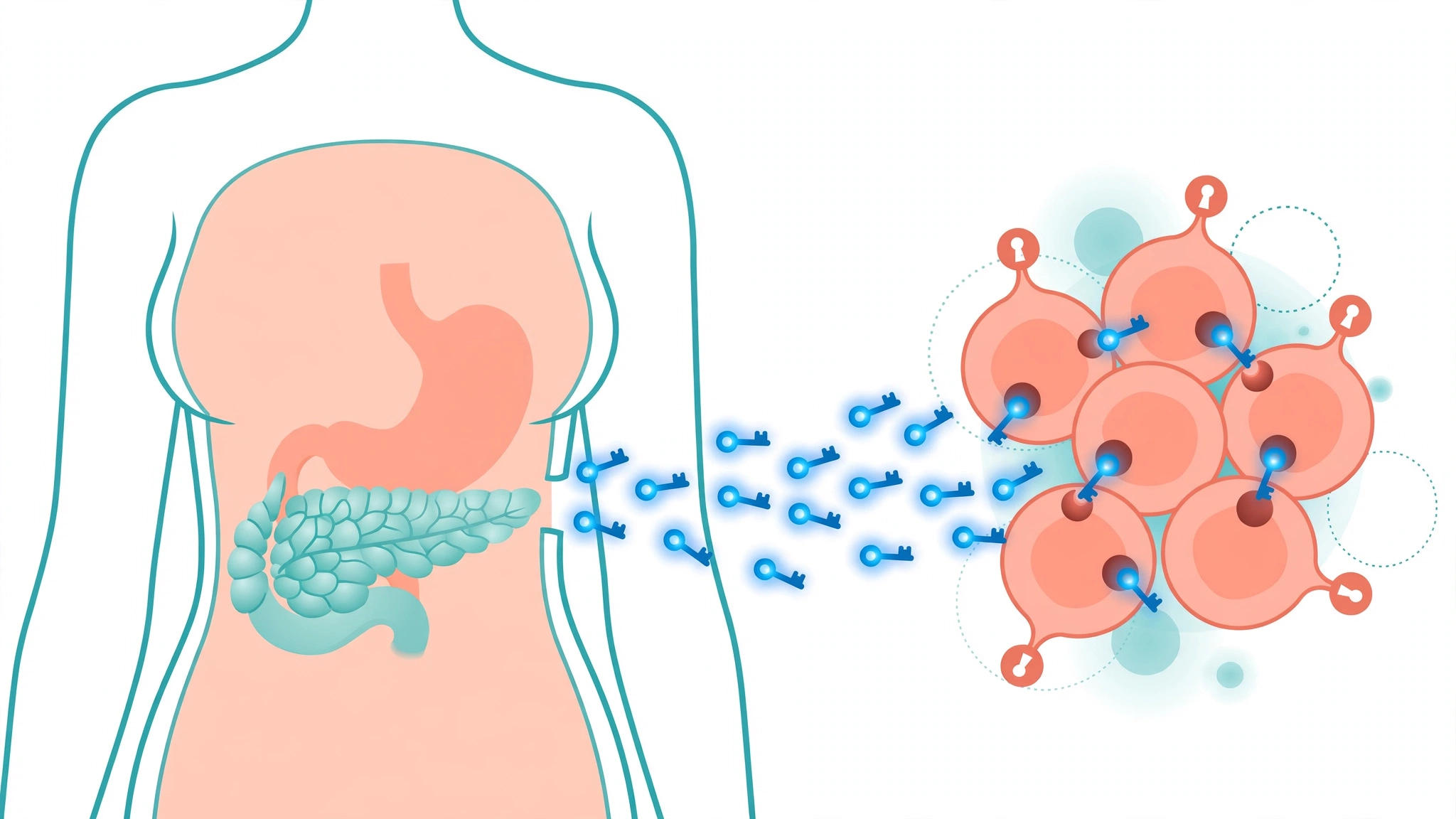
Think of insulin as a key and your cells as locked doors. After you eat, your pancreas releases insulin to unlock muscle, liver, and fat cells so glucose can enter and be used for energy. In insulin resistance, the locks are rusty: the cells respond poorly to the key, glucose lingers in the bloodstream, and the pancreas compensates by pumping out ever more insulin. The result is a state called hyperinsulinemia — high circulating insulin — that can persist for years before blood sugar rises. This hyperinsulinemia sits at the very center of the pcos insulin resistance weight story.
This matters enormously in PCOS. High insulin directly stimulates the ovaries to produce more androgens (such as testosterone) and suppresses a protein called SHBG that normally keeps testosterone in check. The net effect is more free testosterone, which disrupts ovulation, fuels acne and excess hair growth, and shifts fat storage toward the abdomen.
Doctors now describe PCOS as a metabolic condition with reproductive symptoms, not the other way around. This insulin-androgen link is the engine behind the pcos insulin resistance weight pattern.
Why PCOS Insulin Resistance Weight Gain Feels Different
Many women with PCOS describe the same frustrating experience: they eat carefully and exercise regularly, yet the scale barely moves — or keeps creeping upward, especially around the midsection.
The pcos insulin resistance weight pattern is not imagined. Several overlapping mechanisms explain why weight behaves differently here — and understanding them is the first step to tackling the pcos insulin resistance weight puzzle with the right tools.
First, insulin is a fat-storage hormone. Chronically high insulin instructs the body to store energy as fat and blocks the breakdown of stored fat. Second, insulin resistance disrupts hunger hormones: leptin and ghrelin signaling can go awry, which intensifies cravings — particularly for carbohydrates — and makes it harder to feel satisfied after meals. Third, the excess androgens shift fat distribution toward visceral (belly) fat, the kind most strongly linked to heart disease and diabetes. Fourth, the energy crashes that follow blood-sugar swings create genuine fatigue, making consistent exercise harder.
It is a self-reinforcing loop, and each turn makes the next harder to escape.
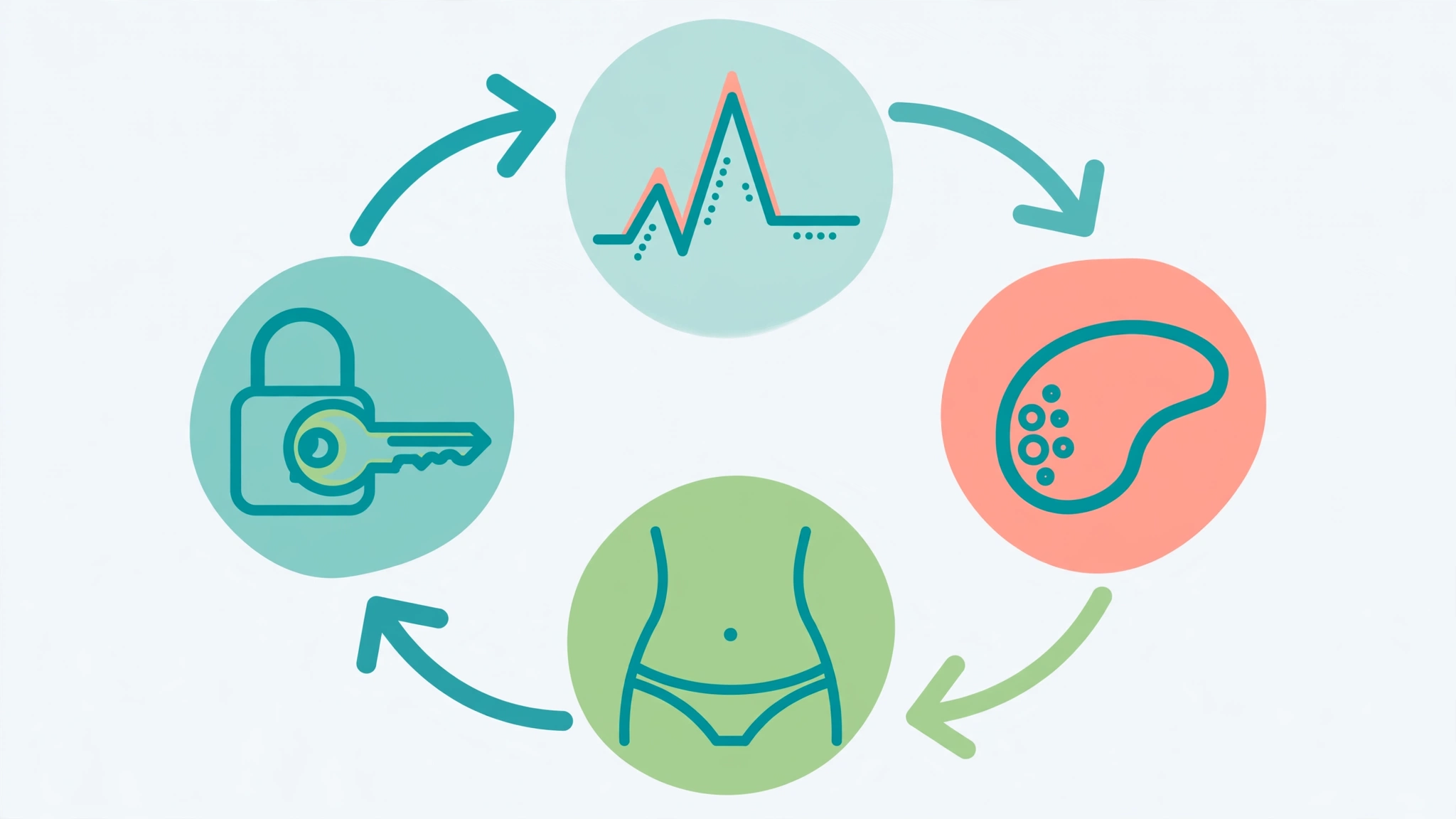
Understanding this loop is liberating rather than discouraging: interventions that improve insulin sensitivity — not simply eating less — are the most powerful lever. The 2023 International Evidence-based Guideline for PCOS notes that losing as little as 5% of body weight can improve metabolic, reproductive, and even psychological outcomes. That is a far more realistic target than the dramatic transformations diet culture demands.
Lean PCOS: Insulin Resistance Without the Weight
One of the biggest blind spots in PCOS care is the assumption that insulin resistance only affects women who are overweight. Clamp studies cited in the 2023 PCOS guideline found insulin resistance in 75% of lean women with PCOS and 95% of those with a higher BMI. In other words, a slim woman with PCOS is far more likely to be insulin resistant than a slim woman without it.
This matters for two reasons. First, if you have “lean PCOS” and have been told your weight is fine so your hormones must be fine, you may be missing the actual driver of your symptoms. Second, understanding the pcos insulin resistance weight mechanism reframes cause and effect: weight gain does not cause insulin resistance in PCOS nearly as often as insulin resistance causes the weight gain.
If irregular cycles, stubborn midsection weight, and relentless carbohydrate cravings sound familiar, the pcos insulin resistance weight connection may be the missing piece worth raising with your doctor.
It is also worth noting that medicine is beginning to reflect this reality. In May 2026, an international consensus published in The Lancet proposed renaming PCOS to polyendocrine metabolic ovarian syndrome (PMOS) — a name that finally puts the metabolic engine of the condition front and center. The NHS has begun adopting the new term, though “PCOS” remains the name most people know and search for.
How Doctors Actually Test for Insulin Resistance
One of the most common frustrations women report is being told their blood sugar is “normal” while their bodies behave otherwise. Standard glucose tests often miss insulin resistance in its early stages, because the pancreas can compensate with extra insulin for years before glucose rises.
If you suspect insulin resistance is part of your PCOS picture, it helps to know what your doctor can actually order — understanding the pcos insulin resistance weight link helps you ask sharper questions at the appointment:
- Fasting insulin: a simple blood test showing how much insulin your body produces at rest. Elevated fasting insulin is often the earliest detectable sign.
- HOMA-IR: a calculated index combining fasting glucose and fasting insulin. Many endocrinologists use it as the practical benchmark for insulin resistance in research and clinic.
- Oral glucose tolerance test (OGTT) with insulin: the more sensitive option — blood is drawn at intervals after a glucose drink, measuring both glucose and insulin responses over two hours.
- HbA1c: reflects average blood sugar over about three months. Useful for screening prediabetes, but it can look perfectly normal while insulin resistance is already well established.
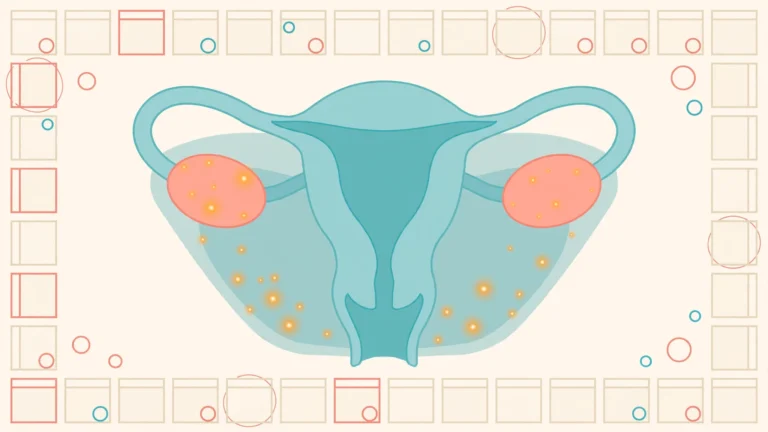
None of these tests diagnoses PCOS by itself — diagnosis still rests on the Rotterdam criteria (irregular ovulation, signs of excess androgen, and polycystic-appearing ovaries on ultrasound, with two of three required and other causes excluded). But identifying insulin resistance changes the treatment conversation from “manage the symptoms” to “treat the engine.”
If your cycles are irregular, you are gaining weight despite steady habits, or you have darkened velvety skin patches in body folds (acanthosis nigricans), it is reasonable to ask your doctor specifically about documenting the pcos insulin resistance weight picture with fasting insulin or HOMA-IR. Naming the pcos insulin resistance weight link explicitly can turn a frustrating appointment into a productive one.
Breaking the Cycle: Doctor-Recommended Strategies
The good news is that insulin resistance is highly responsive to intervention. The 2023 international guideline recommends lifestyle intervention — healthy eating, physical activity, and behavioral support — for all women with PCOS.
The guideline is honest about what works: no single diet composition beats another. The winning pattern is balanced eating you can sustain for years — the foundation of any realistic pcos insulin resistance weight plan.
What does the evidence actually point to for tackling pcos insulin resistance weight struggles?
- Anchor meals with protein and fiber. Protein at breakfast and vegetables before starches at dinner slow glucose absorption and blunt insulin spikes.
- Walk after meals. Even a 10 to 20 minute stroll after eating lets working muscles pull glucose from the bloodstream directly — no extra insulin required.
- Add strength training twice a week. Muscle is your largest glucose sink; more of it means better insulin sensitivity around the clock.
- Protect sleep. Even a few nights of short sleep measurably worsen insulin sensitivity the next day, and PCOS carries a higher risk of sleep apnea, so persistent snoring or daytime exhaustion deserves a medical workup.
- Manage stress deliberately. Cortisol raises blood sugar and opposes insulin, so stress management is metabolic management.
- Aim for 5–10%, not 30%. Modest, sustained weight loss beats dramatic yo-yo dieting, which can worsen insulin resistance over time.

For couples, these changes work best as a team project rather than a solo burden. Cooking balanced meals together, walking after dinner together, and treating sleep as a shared priority removes the isolation that so often accompanies a PCOS diagnosis.
If fertility is on your horizon, improving insulin sensitivity before trying can also make ovulation more predictable — our guide on trying to conceive covers the preconception steps doctors recommend.
Medications and Supplements Doctors Discuss
When lifestyle measures are not enough — or when symptoms are significant — doctors have several evidence-informed options to discuss for the pcos insulin resistance weight and metabolic picture.
This is a conversation to have with your own clinician, never a decision to make from an article, and no specific medication or dosage belongs in a self-directed plan.
- Metformin: the most widely prescribed insulin-sensitizing medication in PCOS care. Doctors often consider it when insulin resistance is documented or when lifestyle measures alone have not restored regular cycles.
- GLP-1 receptor agonists: a newer class that doctors increasingly discuss for PCOS patients with significant weight or metabolic concerns, usually within specialist care.
- Hormonal contraception or anti-androgens: these manage cycle regularity and androgen symptoms (acne, hirsutism) while the metabolic work continues underneath.
- Myo-inositol (and D-chiro-inositol): vitamin-like compounds with growing trial evidence for improving insulin sensitivity and ovulation; many clinicians now mention them as an adjunct, not a replacement for medical care.
Be cautious of anyone selling a single “PCOS cure” supplement or detox protocol.
The Mayo Clinic and the NHS both frame PCOS as a manageable lifelong condition — and management means an ongoing relationship with your healthcare team, not a one-time purchase.
It Is Bigger Than Weight: The Long-Term Picture
Focusing only on the scale misses why treating insulin resistance in PCOS matters so much. Untreated, the metabolic engine raises the risk of prediabetes and type 2 diabetes, high blood pressure, unhealthy cholesterol, metabolic syndrome, sleep apnea, and endometrial hyperplasia (thickening of the uterine lining from too few ovulatory cycles).
The mood dimension matters too: anxiety and depression occur more often in PCOS, and hormonal symptoms like hirsutism and acne can quietly erode confidence — a topic our guide to low libido and its common causes addresses with the same clinical care.
The hopeful counterpoint is that every step that improves insulin sensitivity — the walks, the protein-forward meals, the strength sessions, the sleep — simultaneously lowers those long-term risks. Addressing the pcos insulin resistance weight connection early is also how you protect your future heart and metabolic health. This is why reframing PCOS as the metabolic condition it is (the 2026 PMOS rename captures this shift) is genuinely good news: metabolic problems are, more than most hormonal ones, problems you can act on.
FAQs
Can you have PCOS insulin resistance weight gain without being overweight?
Yes. About 25% of women with PCOS have a normal or low body weight — “lean PCOS” — yet clamp studies show roughly 75% of lean women with PCOS have insulin resistance. Symptoms like irregular cycles, acne, and excess hair growth can all be driven by insulin and androgens even when the scale looks fine, which is why testing matters more than weight alone.
Why is it so hard to lose weight with PCOS insulin resistance?
Chronically high insulin promotes fat storage and blocks fat breakdown, while disrupted leptin and ghrelin signaling increase hunger and carbohydrate cravings. Androgens also shift fat toward the abdomen. The result is slower weight loss than someone without PCOS would see with identical effort — a biological difference, not a lack of discipline.
What is the best diet for PCOS insulin resistance?
The 2023 international PCOS guideline found no single diet composition superior to others — Mediterranean-style, low-glycemic, and balanced whole-food approaches all work when sustained. The practical principles are consistent: protein at every meal, fiber-rich vegetables, limited refined carbs, and a modest 5–10% weight-loss target rather than extreme restriction.
Can insulin resistance in PCOS go away?
Insulin resistance is highly responsive to intervention. Lifestyle changes that build muscle, improve sleep, and stabilize blood sugar can substantially restore insulin sensitivity, and medications like metformin can help when lifestyle measures are insufficient. PCOS itself is a lifelong condition, but its metabolic driver can be well managed with consistent care.
Does PCOS insulin resistance always lead to diabetes?
No. Many women with PCOS and insulin resistance never develop type 2 diabetes, especially with early management. However, the risk is meaningfully higher than average, which is why doctors recommend periodic screening with fasting glucose, HbA1c, or an oral glucose tolerance test. Early detection makes prevention far more effective.
Should couples talk to a doctor about PCOS before trying for a baby?
Yes — a preconception visit is one of the most useful steps a couple can take. Improving insulin sensitivity and achieving a healthy weight before conception can restore more predictable ovulation and reduce pregnancy complications. Your clinician can review cycles, metabolic screening, and any medications, so the journey starts from the strongest possible footing.
Talk to your doctor if weight gain, irregular cycles, or other PCOS symptoms are affecting your quality of life — you deserve a plan built around your pcos insulin resistance weight picture, not generic advice. And if you found this guide useful, explore our related women’s health guides to keep building your understanding.
Medical disclaimer: This article is for educational purposes only and is not medical advice. PCOS and insulin resistance are complex conditions that require individualized care. Always consult a qualified healthcare professional for diagnosis and treatment decisions, and never start, stop, or change any medication based on information read online.