Priapism: Causes and Treatment Options
Priapism is a prolonged, often painful erection that lasts for four hours or more without sexual stimulation, or that persists long after stimulation has ended. It is uncommon — roughly 1 in 20,000 to 1 in 100,000 males per year are affected — but it is a genuine urologic emergency in its most common form. Understanding priapism causes treatment starts with knowing that not all cases are the same: the low-flow (ischemic) type starves penile tissue of oxygen and can cause permanent damage if treatment is delayed, while the high-flow (nonischemic) type is usually painless and carries a lower risk.
This guide covers the causes, the different types, how doctors diagnose the condition, and the full range of treatment options, so readers can recognize the warning signs and act quickly.
What Priapism Is (and How It Differs From a Normal Erection)
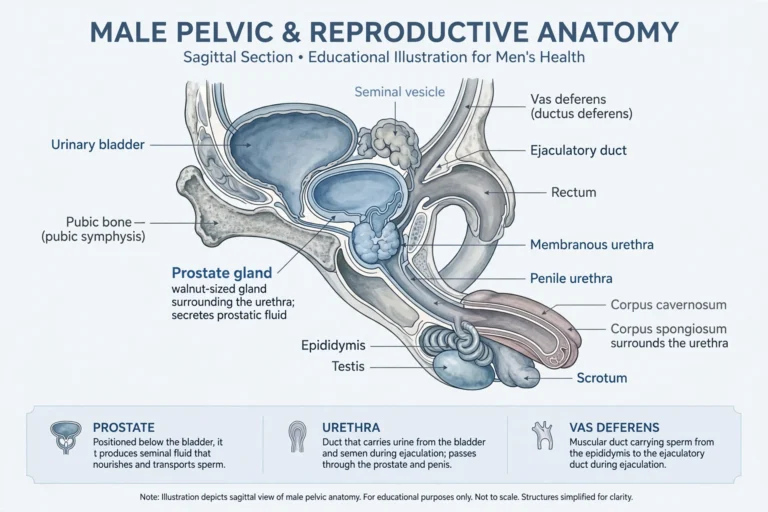
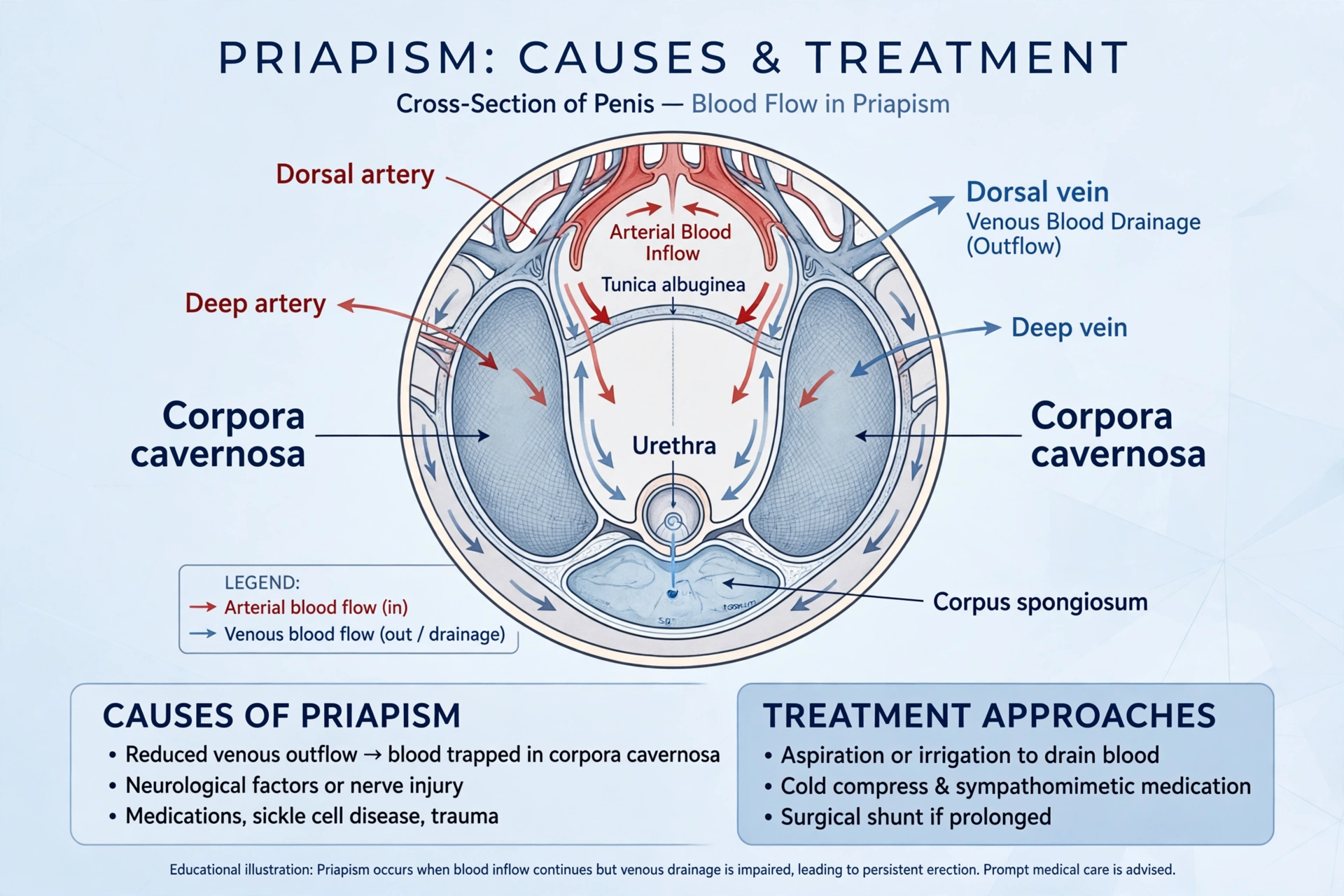
A typical erection begins when physical or psychological stimulation causes smooth muscle in the penis to relax, allowing blood to flow into two sponge-like chambers called the corpora cavernosa. When stimulation ends, the blood drains away through the veins and the penis returns to its resting state. Priapism occurs when some part of this system — the blood, the vessels, the smooth muscle, or the nerves — goes wrong, and the erection persists without desire or stimulation.
The name comes from Priapus, the Greek god of fertility, but the condition itself is a serious medical issue. The widely used threshold is an erection lasting longer than four hours, although some medical authorities note that ongoing erections approaching that duration already warrant concern. Crucially, priapism does not require sexual arousal, and it does not resolve on its own after ejaculation. In its ischemic form, the blood trapped inside the penis becomes depleted of oxygen, and tissue damage begins to accumulate hour by hour — which is why clinicians treat a prolonged erection as an emergency.
Priapism can occur at any age, including in newborns, but most cases cluster in two groups: children aged five to ten (usually linked to sickle cell disease) and adults between twenty and fifty.
Because the mechanics differ so sharply between types, priapism causes treatment always begins with identifying which type a patient has.

Priapism Causes Treatment: The Three Main Types
Every conversation about priapism causes treatment begins with the type, because the type determines both urgency and therapy. There are three recognized forms:
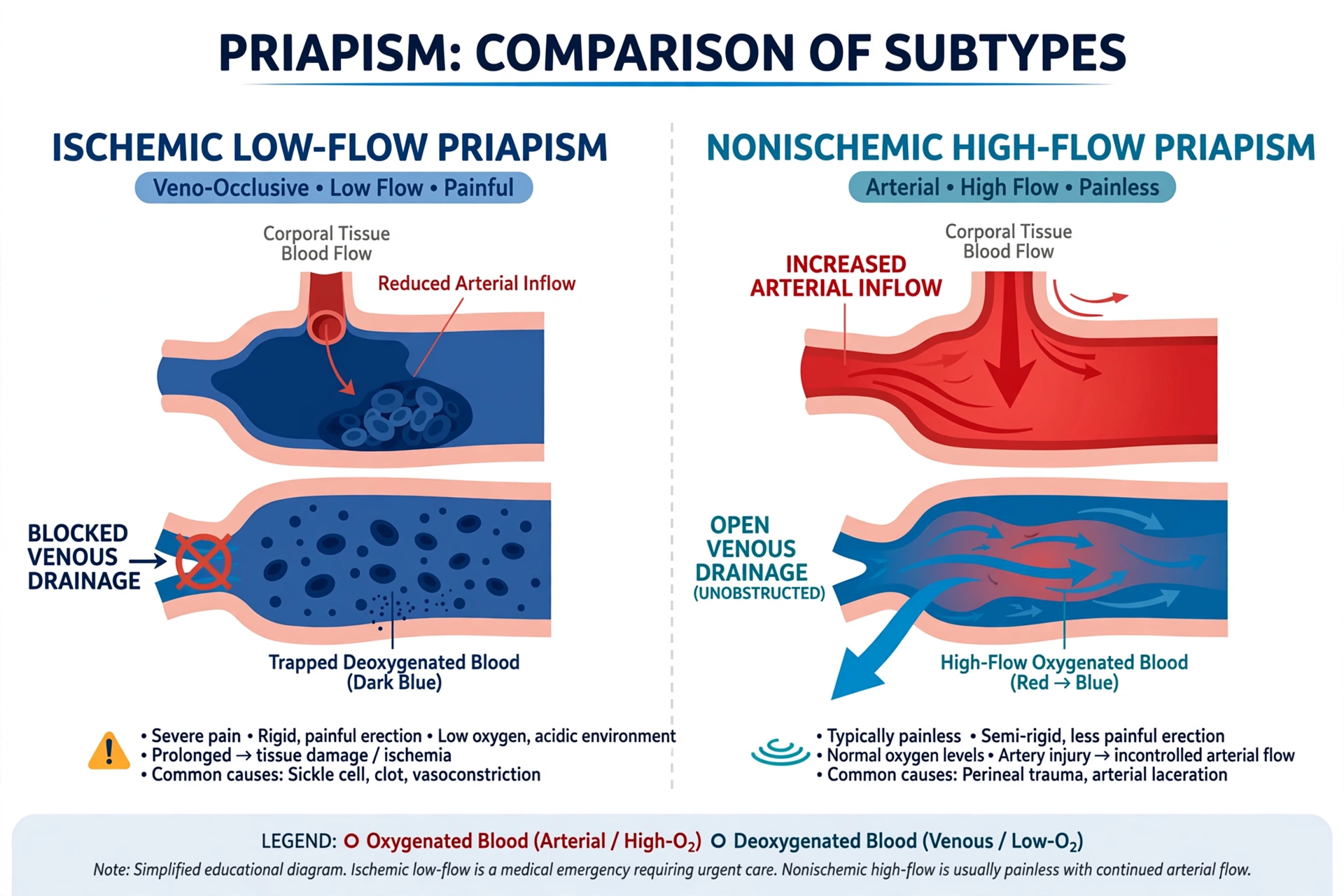
1. Ischemic (low-flow) priapism
This is the most common form — roughly nineteen out of twenty cases — and the one doctors consider a medical emergency. Blood becomes trapped in the corpora cavernosa and cannot drain out. Because fresh, oxygenated blood cannot circulate, the trapped blood gradually loses oxygen, the tissue becomes acidic, and pain sets in. The shaft is typically rigid while the tip (glans) remains soft. Without treatment, the risk of permanent scarring begins to rise after about four hours, and tissue damage is considered likely after prolonged episodes lasting a day or more.
2. Nonischemic (high-flow) priapism
This less common type results from unregulated arterial blood flow into the penis, most often after a tear in an artery following trauma to the perineum or penis (for example, a straddle injury). Because blood continues to circulate, the tissue still receives oxygen, so the erection is usually painless and only partially rigid. It often resolves on its own, and immediate invasive treatment is usually unnecessary.
3. Recurrent (stuttering) priapism
This is a repeated pattern of ischemic episodes that start and stop on their own, often at night, with episodes gradually becoming more frequent and longer over time. It is strongly associated with sickle cell disease and can begin in childhood. Because each episode can lead into a full prolonged event, recurrent priapism is managed with a prevention strategy rather than single-event treatment.
| Feature | Ischemic (low-flow) | Nonischemic (high-flow) |
|---|---|---|
| Pain | Usually painful and tender | Usually painless |
| Blood oxygen | Deprived of oxygen (dark blood) | Normal oxygen (bright blood) |
| Typical cause | Impaired venous drainage | Artery injury, usually trauma |
| Urgency | Medical emergency — treat immediately | Often resolves on its own |
| First-line treatment | Aspiration and medication injection | Cold packs and observation |
What Causes Priapism? The Full List
The underlying cause of priapism cannot always be identified, but several well-established triggers are recognized. A clinician will typically review all of the following when evaluating a case. Sorting through priapism causes treatment options requires looking at this full list of possible triggers, from blood disorders to medications.
Blood disorders
Conditions that change how blood flows or clots are the leading medical cause of ischemic priapism. Sickle cell disease is the single most common cause of ischemic priapism overall — and the most common associated diagnosis in children. Other blood-related conditions include leukemia, multiple myeloma, thalassemia, polycythemia, and thrombophilic conditions such as deficiencies of protein C or protein S. These disorders can cause blood cells to sludge or clot within the penile vessels, blocking drainage.
Medications
Drug-induced priapism is one of the most frequent causes seen in emergency departments. Medicines that may trigger it include:
- Erectile dysfunction injections (such as alprostadil or papaverine, injected directly into the penis) — among the most commonly implicated drugs
- Antidepressants — most notably trazodone, along with some SSRIs and other agents; antidepressants can affect sexual function in several ways
- Antipsychotic medications — reported to account for a large share of drug-induced cases
- Alpha blockers (such as doxazosin), prescribed for high blood pressure or prostate symptoms
- Blood thinners (anticoagulants)
- ADHD medications and some anti-anxiety drugs
- Hormone therapies, including testosterone
- Sodium valproate and other anti-seizure or mood-stabilizing drugs
Oral erectile dysfunction medications carry their own side effects, and anyone using them should be aware that an erection lasting longer than four hours is a rare but documented risk that requires prompt medical attention. For this reason, a careful medication review is a standard first step in priapism causes treatment evaluation.
Recreational substances
Alcohol intoxication and illicit drugs — particularly cocaine, and also cannabis, heroin, and ecstasy — are associated with a meaningful proportion of ischemic priapism cases. Blood pressure changes and altered vascular tone are thought to contribute.
Trauma and injury
A direct blow or straddle injury to the perineum or penis can tear a cavernous artery, creating an abnormal connection (arterial-lacunar fistula) between the artery and the erectile chamber. This is the classic cause of high-flow priapism, and it may appear hours or days after the injury.
Neurological conditions
Spinal cord injuries, spinal stenosis, multiple sclerosis, and other disorders that disrupt nerve signals between the brain and the penis can interfere with the normal cycle of erection and detumescence, in rare cases producing priapism. Nerve-related triggers are uncommon, but a thorough priapism causes treatment workup still considers them.
Other and rare causes
Cancers — including prostate, bladder, kidney, and melanoma, as well as leukemia — can be involved when malignant cells infiltrate penile tissue or block drainage. Metabolic disorders such as amyloidosis and gout have been reported. Rare triggers documented in the medical literature include black widow and Brazilian wandering spider bites, severe carbon monoxide poisoning, and, in a small number of case reports, COVID-19 infection.
Priapism in Children: The Sickle Cell Connection
Priapism is not only an adult condition. In children, sickle cell disease is the most commonly associated diagnosis, and episodes often begin between the ages of five and ten. For parents of a child with sickle cell disease, it helps to know that brief painful erections that resolve on their own may be an early warning pattern of stuttering priapism — episodes that tend to become longer and more frequent over time.
Pediatric cases are managed by specialists in hematology and urology working together. The standard first steps for a sickle cell–related episode — hydration, pain control, and supplemental oxygen as a clinician directs — mirror the general management of sickle cell pain crises, followed by the same priapism treatments used in adults if the episode does not resolve. Parents should have a clear action plan from their child’s care team about when an episode becomes an emergency and which hospital to go to. A written emergency plan is a key part of priapism causes treatment for families managing sickle cell disease.
How Doctors Diagnose Priapism
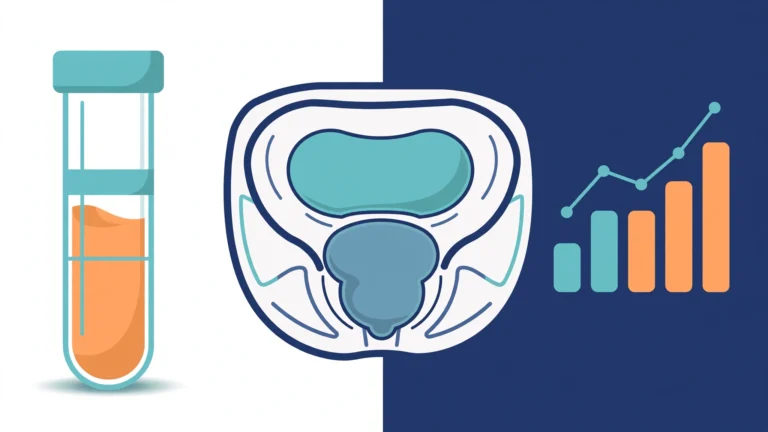
Diagnosis often begins with the history and a physical examination, but because ischemic and nonischemic priapism demand very different treatment, doctors usually run tests to confirm the type and look for the cause:
- Cavernosal blood gas analysis: a small blood sample is drawn from the penis. Dark, oxygen-poor, acidic blood indicates low-flow priapism; bright red, well-oxygenated blood indicates high-flow priapism.
- Color Doppler ultrasound: a noninvasive imaging test that measures blood flow in the penis and can reveal an arterial tear or fistula after trauma. It is the preferred imaging method for distinguishing the two types.
- Blood tests: a complete blood count and related tests can uncover anemia, leukemia, sickle cell disease, or other blood disorders contributing to the episode.
- Toxicology screening: because drugs and alcohol are common contributors, a urine or blood sample may be checked for substances.
These tests guide the treatment plan and help identify whether an underlying condition needs its own long-term management. Together, these tests make sure priapism causes treatment matches the actual type and underlying trigger instead of guessing.
Treatment Options: What Happens in the Emergency Department
Prompt treatment matters enormously: outcomes are best when care begins within the first few hours, and the risk of permanent tissue scarring climbs the longer ischemic priapism goes untreated. Treatment follows a stepwise approach based on the type. Knowing the standard priapism causes treatment ladder helps patients understand what to expect in the emergency department.
Treating ischemic priapism
1. Pain relief and numbing. A penile nerve block is typically given first to reduce pain before any procedure.
2. Aspiration (drainage). Using a needle and syringe, the doctor removes trapped, oxygen-deprived blood from the corpora cavernosa. This relieves pressure, eases pain, and in many cases resolves the erection.
3. Irrigation and medication injection. If aspiration alone is not enough, the erectile tissue may be flushed with sterile saline, and a sympathomimetic medication — most commonly phenylephrine — may be injected directly into the corpora cavernosa. This class of drug narrows the blood vessels, reduces inflow, and encourages drainage. When this medication is used, patients are monitored for blood pressure and heart rate changes afterward. Aspiration followed by injection remains the cornerstone of priapism causes treatment for the ischemic type.
4. Oral medication in select cases. Oral pseudoephedrine, a decongestant with sympathomimetic action, is sometimes used as a first-line or adjunct measure, particularly for recurrent episodes, under medical supervision.
5. Surgical shunts. If the above measures fail, a urologist may create a shunt — a channel that lets trapped blood drain from the erectile chambers into surrounding tissue. Simpler distal shunts performed at the bedside are tried first; more involved proximal shunts require an operating room.
6. Early penile prosthesis implantation. In severe, prolonged cases where tissue damage is extensive, early implantation of a penile prosthesis may be considered. Beyond restoring function, it can prevent dense scarring and shortening of the penis that complicate later surgery.
Treating nonischemic priapism
Because the tissue continues to receive oxygen, the approach is conservative: cold packs and compression to the perineum, watchful waiting, and treatment of any underlying arterial injury. Many cases resolve spontaneously. If the erection persists, selective arterial embolization — a minimally invasive procedure that blocks the injured artery branch — or surgical repair may be offered. Because the tissue keeps receiving oxygen, priapism causes treatment for the nonischemic type can safely start with these conservative measures.
Treating the underlying cause
Addressing what triggered the episode is essential to prevent recurrence. For sickle cell disease, initial management alongside standard priapism treatment may include intravenous fluids, pain medication, and oxygen therapy as directed by the care team; exchange transfusion is generally reserved for cases that do not respond to first-line measures. Medications suspected of causing the episode are reviewed and, where possible, adjusted or replaced in consultation with the prescribing doctor — this should never be done abruptly or without medical guidance.
Recurrent (Stuttering) Priapism: Preventing the Next Episode
For people who experience repeated brief episodes, the goal shifts from emergency management to prevention. A prevention plan, developed with a urologist (and a hematologist when sickle cell disease is involved), guides long-term priapism causes treatment and may include:
- Trigger avoidance: limiting alcohol, avoiding recreational drugs, and reviewing all prescription medications for priapism risk
- Preventive medications: hormone-blocking agents, low-dose oral medications taken at bedtime, or other drugs prescribed specifically to reduce episode frequency — always under specialist supervision
- Self-management protocols: for sickle cell–related episodes, a personalized plan from the care team covering hydration, pain relief, and exactly when to go to the emergency department
- Treating the root cause: optimizing sickle cell management, adjusting psychiatric or blood pressure medications, or addressing other contributing conditions
Keeping a simple log of episodes — date, duration, possible triggers, and what helped — gives the care team valuable information for tuning the prevention plan.
Life After Priapism: Recovery and Follow-Up
The long-term outlook depends heavily on how quickly treatment began. When ischemic priapism is treated within the first few hours, most people recover fully. Longer delays increase the risk of complications, including permanent erectile dysfunction, ongoing pain, penile scarring or curvature (including Peyronie’s disease), and recurrent episodes.
Follow-up care typically includes a visit with a urologist within days to weeks of the event, review of any medications or conditions that may have contributed, and discussion of prevention if episodes recur. Some people need time before resuming sexual activity, and the doctor will advise on when it is safe. Anyone who notices ongoing signs of erectile difficulty after recovery should raise it at follow-up, since early evaluation leads to the best results — and some common medications that affect blood flow can also influence erectile function and may need review. Ongoing follow-up is part of complete priapism causes treatment, not an optional extra.
When to Seek Emergency Care: The Four-Hour Rule
The single most important action is not to wait. An erection that lasts longer than four hours and is not related to sexual stimulation — or that is painful and shows no sign of subsiding — warrants immediate emergency care. The Mayo Clinic advises that emergency evaluation is needed so the type of priapism can be identified and treated before tissue damage occurs.
What to do:
- Go to an emergency department promptly; note the time the erection began, since this guides treatment decisions
- Bring a list of all medications and supplements, and be honest about alcohol or drug use — this information helps doctors find the cause faster
- Applying a cold pack to the perineum may help in nonischemic cases, but it is not a substitute for emergency evaluation of a painful, prolonged erection
What not to do: do not attempt to drain the blood yourself, do not take extra doses of medication hoping to reverse the erection, and do not delay care out of embarrassment. Emergency teams treat this condition routinely, and early arrival is the strongest predictor of a good outcome.
Frequently Asked Questions
What is the main cause of priapism?
There is no single cause — it depends on the type. Ischemic priapism is most commonly linked to sickle cell disease in younger patients and to medications (especially erectile dysfunction injections, antipsychotics, and certain antidepressants) in adults. Nonischemic priapism is most often caused by trauma that injures an artery in the penis or perineum. In some cases, no cause is ever found.
Can priapism go away on its own?
Nonischemic (high-flow) priapism often resolves on its own and may improve with cold therapy. Ischemic (low-flow) priapism, however, is a medical emergency that does not reliably resolve without treatment — and waiting risks permanent tissue damage and erectile dysfunction. Because the type cannot be determined without medical tests, any erection lasting longer than four hours should be evaluated promptly.
How do doctors fix priapism?
For ischemic priapism, doctors typically numb the area, drain the trapped blood with a needle (aspiration), and may inject a medication that narrows blood vessels to reduce inflow. If these steps fail, surgical shunts that redirect blood flow are used. For nonischemic priapism, cold packs and observation are usually sufficient, with minimally invasive procedures reserved for persistent cases. In short, modern priapism causes treatment is stepwise: doctors start with the least invasive effective option and escalate only if needed.
Is priapism dangerous?
Ischemic priapism is dangerous if left untreated: oxygen-starved blood damages the erectile tissue, and prolonged episodes can lead to permanent scarring, erectile dysfunction, and in extreme cases tissue death. Nonischemic priapism carries a much lower risk because blood continues to circulate. The danger in both cases is delaying care, since only medical testing can reliably tell the types apart.
Can priapism cause permanent erectile dysfunction?
Yes, untreated or late-treated ischemic priapism can cause permanent erectile dysfunction due to scarring of the erectile tissue. The risk rises sharply after the first several hours and is considered very high after prolonged episodes lasting a day or more. Prompt treatment — ideally within the first few hours — dramatically improves the chances of preserving normal function.
What should I do if an erection lasts more than four hours?
Seek emergency medical care immediately. Note when the erection started, bring a list of your medications, and tell the medical team about any recent injuries, alcohol, or drug use. Do not try to treat it yourself or wait to see if it passes — early treatment is the most important factor in preventing complications, and emergency departments are equipped for priapism causes treatment around the clock.
Can erectile dysfunction medications cause priapism?
Injectable erectile dysfunction medications (such as alprostadil) are among the most commonly reported drug causes of priapism. Oral ED pills carry a much lower risk, but the product labeling for all of them warns that an erection lasting longer than four hours requires immediate medical attention. Anyone prescribed these medications should know the four-hour rule before use, because early action is what makes priapism causes treatment successful.
Medical Disclaimer: This article is for educational and informational purposes only and is not a substitute for professional medical advice, diagnosis, or treatment. Priapism is a medical emergency — if you or someone you know has an erection lasting longer than four hours, seek immediate medical care. Always consult a qualified clinician about any medical condition, and never start, stop, or change a medication without professional guidance.