Blood Pressure Medications and Erectile Dysfunction: What to Know
If you started a new blood pressure prescription and noticed erection problems soon after, you are far from alone. When people search for blood pressure meds erectile dysfunction, the worry is almost always the same: is the medication causing this, and must I choose between my heart and my sex life? Rarely. Several blood pressure drug classes are unlikely to cause erection problems at all — and a few may even help.
Some blood pressure medications are genuinely associated with erectile dysfunction, while others have an undeserved reputation — and high blood pressure itself damages blood vessels, complicating the picture. This guide covers which drug classes are most likely to contribute to ED, which are safer, how doctors distinguish drug-caused from disease-caused ED, how ED medications fit in, and how to raise the topic with your doctor. Whether you are newly diagnosed or troubleshooting side effects, understanding the blood pressure meds erectile dysfunction connection helps you have a more productive conversation with your doctor.
Blood Pressure Meds Erectile Dysfunction: Which Drug Classes Are the Culprits?
Not every man searching for blood pressure meds erectile dysfunction is actually reacting to a drug. Researchers estimate that around 25% of all ED cases are caused by medications, and blood pressure drugs sit near the top of that list. But uncontrolled high blood pressure also damages the delicate lining of arteries throughout the body, including the small arteries that supply the penis. That means ED in a man with hypertension can come from the disease, the drug, or both.
Doctors group antihypertensive medications into classes, and these classes differ sharply in their relationship with sexual function. The evidence:
| Drug class | Examples | Typical ED relationship |
|---|---|---|
| Thiazide and thiazide-like diuretics | Hydrochlorothiazide, chlorthalidone | Most commonly linked to ED; risk rises with higher doses |
| Beta blockers (older, nonselective) | Propranolol, carvedilol, labetalol | Frequently linked to ED; dampen blood flow and nerve signals |
| Beta blockers (selective) | Atenolol, metoprolol | Lower risk than nonselective, but still possible |
| Aldosterone antagonists | Spironolactone, eplerenone | Can reduce testosterone activity and sexual function |
| Central alpha agonists | Clonidine, methyldopa | Commonly linked to ED; rarely prescribed as first choice now |
| ACE inhibitors | Lisinopril, enalapril, ramipril | Rarely cause ED (under 1% of patients); some may improve function |
| ARBs | Losartan, valsartan, olmesartan | Unlikely to cause ED; several studies show improvement |
| Calcium channel blockers | Amlodipine, diltiazem, verapamil | Rarely cause ED as a group |
| Alpha blockers | Doxazosin, terazosin | Rarely cause ED; occasionally improve it |
The table above summarizes the evidence; the sections below explain why the blood pressure meds erectile dysfunction link is strongest for the first two rows — and weakest for the last four.
Why Thiazide Diuretics and Beta Blockers Top the ED List
Diuretics (water pills) lower blood pressure by flushing excess sodium and water. Thiazides such as hydrochlorothiazide and the thiazide-like chlorthalidone are the blood pressure drugs most commonly linked to ED — men taking them can be more than twice as likely to report erection problems. The risk appears dose-dependent, which is one reason doctors aim for the lowest effective dose. That dose-dependency is one reason the blood pressure meds erectile dysfunction question so often has a fixable answer: a lower dose or a different class, decided with the doctor.
This dose-dependency also means the blood pressure meds erectile dysfunction risk from thiazides is not all-or-nothing — lower doses carry less risk.
The likely mechanisms are straightforward: diuretics reduce the volume of blood reaching the penis, and thiazides may lower zinc levels that support healthy testosterone production. One older study also linked loop diuretics such as furosemide to ED, though that evidence is thinner.
Beta blockers slow the heart and relax blood vessels. Nonselective types such as propranolol and carvedilol affect receptors throughout the body, including those serving the penis, and are most often implicated. Selective beta blockers such as atenolol and metoprolol target mainly the heart and may interfere less, but studies suggest even these can contribute to sexual side effects.
One exception deserves mention: nebivolol, a newer beta blocker, appears to boost nitric oxide, the chemical that dilates blood vessels and enables erections. Small studies suggest it has a neutral or even favorable effect on erectile function compared with older beta blockers — worth raising with a cardiologist if a beta blocker is medically necessary. If you need a beta blocker for a heart condition, discussing the blood pressure meds erectile dysfunction profile of each option with your cardiologist is worthwhile.
Blood Pressure Medications That Rarely Cause ED — and Some That May Help
The good news is that three major classes — ACE inhibitors, ARBs, and calcium channel blockers — are consistently described in medical reviews as ED-neutral or ED-friendly.
For anyone weighing blood pressure meds erectile dysfunction trade-offs, these three classes are the usual starting point when a doctor considers a switch.
ACE inhibitors such as lisinopril and enalapril prevent the body from producing angiotensin II, a vessel-narrowing hormone. ED is reported in less than 1% of patients on this class. In a crossover study, men on lisinopril regained normal sexual activity after an initial dip while those on a beta blocker did not, and longer-term research suggests ACE inhibitors can improve genital blood flow.
ARBs such as losartan and valsartan block the angiotensin hormone from attaching to its targets and have the strongest evidence for improving erectile function: in one study, ED rates fell from 75% to 12% after 12 weeks on losartan, and in another, men on valsartan reported more frequent intercourse while a beta blocker group saw frequency drop. That evidence base is why many doctors now name ARBs first when men raise blood pressure meds erectile dysfunction concerns.
Calcium channel blockers such as amlodipine rarely affect erections, though individual drugs differ and ED appears as a rare side effect on some labels. One rarely discussed caveat: they can make ejaculation harder in some men — a different issue from ED but one couples notice. Alpha blockers such as doxazosin are likewise unlikely to cause ED; in one study, some men reported dramatically improved function after two years on doxazosin.
For other possible roots of erection problems beyond medications, see our guide to erectile dysfunction causes.
The Chicken-or-Egg Question: Is It the Drug or the Disease?
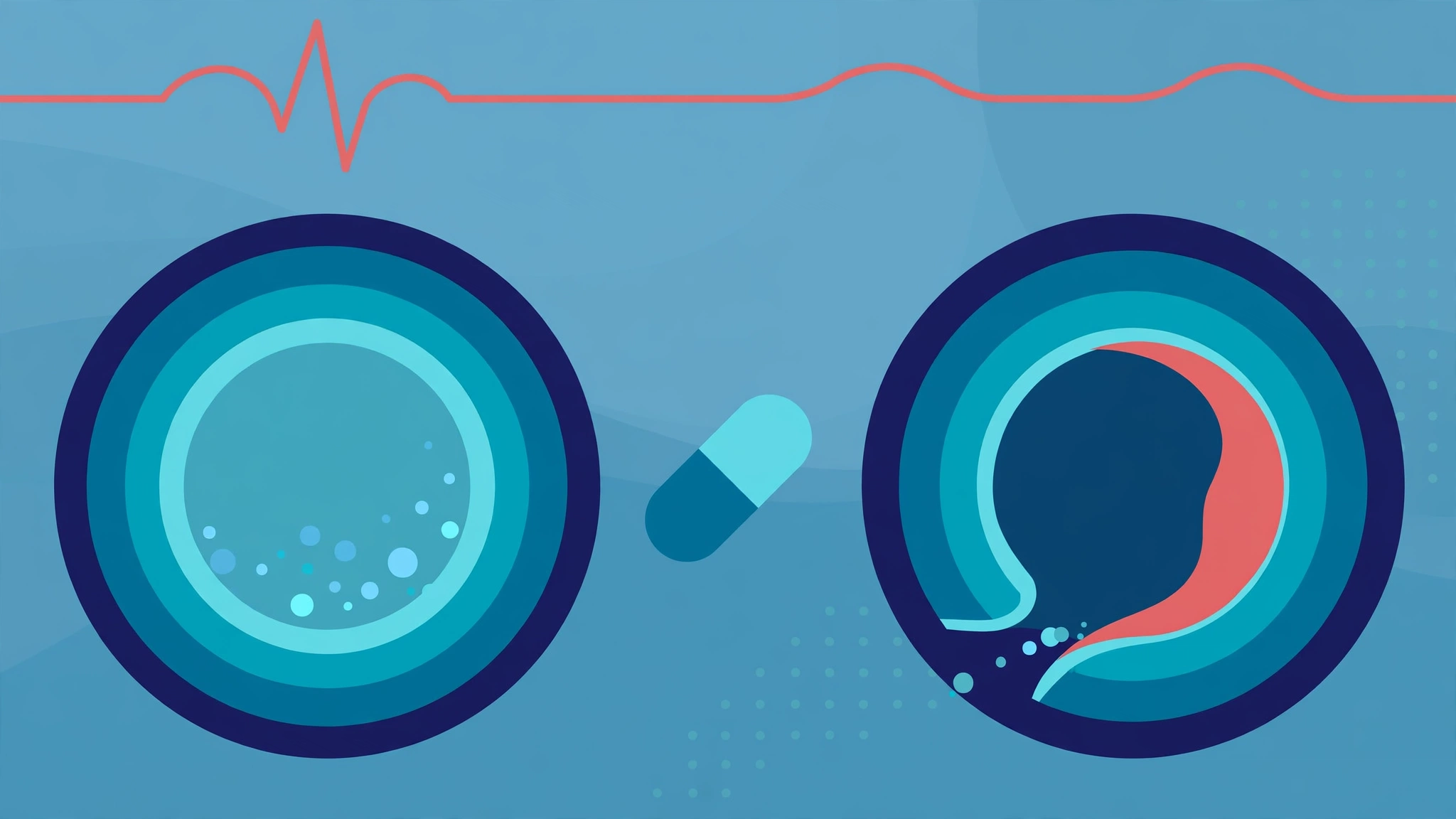
A major reason blood pressure meds erectile dysfunction searches are so common is that high blood pressure itself is one of the strongest predictors of ED. Chronically high pressure injures the endothelial lining of arteries, reducing the blood flow that erections depend on. The Mayo Clinic notes that ED can be an early indicator of heart disease, especially in men over 40 with cardiovascular risk factors — the same arteries are involved.
So how does a doctor separate drug-caused ED from disease-caused ED? Timing is the first clue: symptoms beginning within days or weeks of a new prescription point to the drug, while ED that predates the diagnosis points to the disease. Doctors often use the validated International Index of Erectile Function (IIEF) questionnaire, review the full medication list (many non-BP drugs also cause ED), and may try a supervised trial substitution to a different class while monitoring blood pressure.
Sorting out the blood pressure meds erectile dysfunction puzzle usually starts with this timeline — bring the date your prescription changed to your appointment.
There is also a psychological dimension. A study in the European Heart Journal found that when men starting the beta blocker atenolol were told about its sexual side effects, nearly one-third reported ED — versus only 3% among men not told. As Harvard Health notes, anxiety and expectation can genuinely cause ED. That does not make the problem imaginary; it means mindset, stress management, and honest communication with a partner matter as much as pharmacology.
On the reassuring side, a substudy of the large HOPE-3 trial followed more than 2,000 men for nearly six years and found that blood pressure lowering with candesartan/HCTZ — and cholesterol lowering with a statin — did not significantly worsen erectile function versus placebo. The underlying vascular disease is often the true driver.
Can You Take ED Medications Like Sildenafil With Blood Pressure Drugs?
For men who cannot switch blood pressure medications — for example, when a beta blocker is needed for a heart condition — PDE5 inhibitors such as sildenafil and tadalafil are usually the next option doctors consider. They relax blood vessels in the penis and are generally safe alongside most blood pressure drugs once blood pressure is reasonably well controlled, but should not be used when blood pressure remains dangerously high and uncontrolled.
Because the blood pressure meds erectile dysfunction dilemma often involves two prescriptions at once, a pharmacist review is especially valuable.
Critical interaction rules apply. Nitrate medications for heart disease — nitroglycerin and isosorbide mononitrate — must never be combined with PDE5 inhibitors: together they can cause a severe, dangerous drop in blood pressure. The same applies to riociguat, a pulmonary hypertension drug. Men taking alpha blockers may need a doctor to adjust one of the doses to avoid dizziness.
Here is what most consumer articles gloss over: some calcium channel blockers, particularly diltiazem and verapamil, can slow the body’s breakdown of PDE5 inhibitors, leading to higher drug levels and more side effects such as headache, flushing, or a prolonged erection. For couples navigating the blood pressure meds erectile dysfunction dilemma, this hidden interaction is exactly why the practical rule is simple — whenever an ED medication is started, ask the prescribing doctor and the pharmacist to run a full interaction check against every blood pressure drug on the list.
The Adherence Problem: Why You Must Never Stop Your Blood Pressure Medication Alone
Of all the statistics in this topic, one deserves the most attention: an estimated 70% of men who experience side effects from blood pressure medication stop taking it. That is understandable — but it is also dangerous. Untreated hypertension dramatically raises the risk of heart attack, stroke, kidney failure, and vision loss, and those outcomes are far worse than ED.
If erection problems begin after a new prescription, treat it as information, not a verdict. Keep taking the medication exactly as prescribed, monitor blood pressure at home if your doctor advises, and book a discussion appointment. Behind many blood pressure meds erectile dysfunction horror stories is a silent choice to quit; the far better move is a doctor-guided class switch, a dose adjustment, or an added ED treatment. Quitting silently leaves the hypertension — itself a cause of ED — to do more damage.
How to Talk to Your Doctor: A Practical Checklist
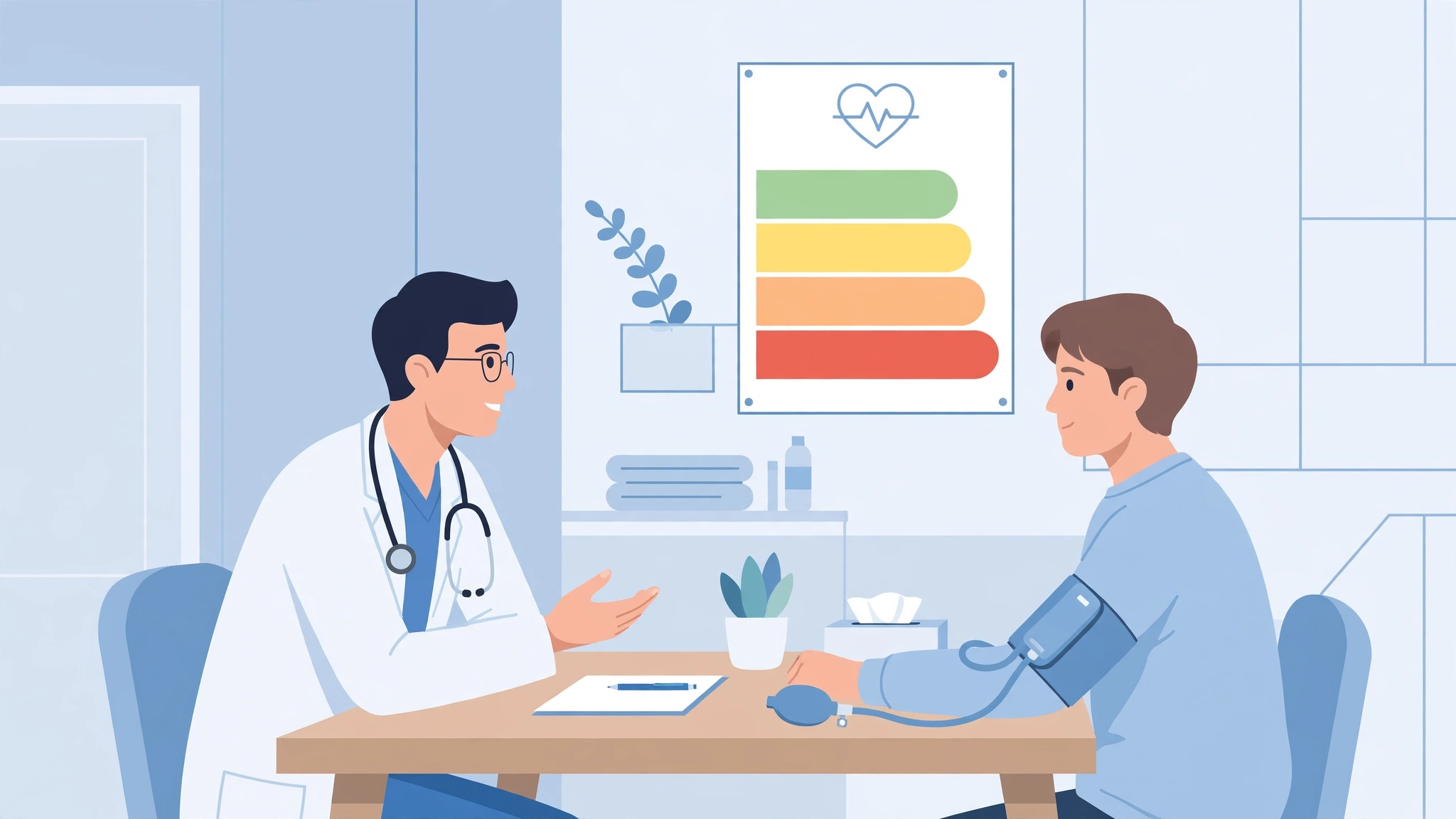
Physicians discuss erection problems daily and treat them as routine. For an efficient visit, arrive with a short summary: ask which current prescription is most likely responsible, whether a switch to an ACE inhibitor, ARB, or calcium channel blocker is appropriate, whether a PDE5 inhibitor would be safe with your regimen, and whether cardiovascular testing is warranted given ED’s link to artery health. Our companion guide on erection problems: questions to ask your doctor can help you prepare.
Writing down your blood pressure meds erectile dysfunction questions before the visit keeps the conversation focused and efficient.
Bring a complete list of all medications and supplements, the date symptoms began relative to prescription changes, recent home blood pressure readings, and other symptoms such as chest discomfort or reduced exercise tolerance. It can take days to weeks for erections to recover after a drug change, so patience during a supervised switch matters.
One dimension rarely addressed: the partner. Unexplained ED can strain a relationship if a partner misinterprets it as lost attraction. A brief, honest conversation — “my new blood pressure medication can affect erections; I’m working with my doctor on it” — protects the relationship while the medical side gets sorted. Framing it as a blood pressure meds erectile dysfunction side effect — not a loss of attraction — removes blame from the conversation. Couples who tackle it as a team, including joint lifestyle changes, often come out closer.
Lifestyle Changes That Help Both Blood Pressure and Erections
The same habits that lower blood pressure also support erectile function:
- Exercise regularly. Research cited by the Mayo Clinic found that 120 minutes or more per week of cardiovascular activity had an effect on erectile function nearly as strong as ED medication. Exercise also directly lowers blood pressure.
- Lose excess weight. Even modest weight loss can reduce blood pressure and improve ED, particularly when it also improves blood sugar control.
- Quit smoking. Smoking damages artery linings — the same endothelial damage that drives both hypertension-related ED and heart disease.
- Limit alcohol. Heavy drinking raises blood pressure and impairs erections; moderate or reduced intake helps both.
- Manage stress and sleep. Chronic stress and sleep apnea both raise blood pressure and worsen ED; treating sleep apnea in particular can improve both.
These steps never replace prescribed medication, but can reduce how much is needed over time — another path toward fewer side effects, under a doctor’s supervision, and they complement any medical approach to the blood pressure meds erectile dysfunction question.
FAQs
Here are the questions men ask most often about the blood pressure meds erectile dysfunction link.
Which blood pressure medications are most likely to cause erectile dysfunction?
Thiazide diuretics such as hydrochlorothiazide and older beta blockers such as propranolol and atenolol have the strongest association with ED. Spironolactone and clonidine are also commonly linked. The link is weakest with ACE inhibitors, ARBs, calcium channel blockers, and alpha blockers, which rarely cause problems.
Which blood pressure medication is best for erectile dysfunction?
ARBs such as losartan and valsartan have the best evidence — they are unlikely to cause ED and may improve sexual function and desire. ACE inhibitors such as lisinopril are a close second, with ED reported in under 1% of patients, and calcium channel blockers such as amlodipine are generally safe too.
Can I take Viagra (sildenafil) with blood pressure medication?
Usually yes, as long as blood pressure is reasonably well controlled. PDE5 inhibitors are commonly prescribed alongside most blood pressure drugs. The hard exceptions are nitrates for heart disease and riociguat — the combination can cause dangerous blood pressure drops. Men on alpha blockers, diltiazem, or verapamil may need dose adjustments; ask the doctor and pharmacist to check interactions first.
How long after stopping a blood pressure medication does erectile function return?
It varies by drug, but recovery can take anywhere from several days to several weeks, depending on the drug’s half-life, how long it was taken, and whether underlying vascular disease is also contributing. Never stop a medication to test this on your own — any change must be supervised by a doctor with blood pressure monitoring throughout.
Does lisinopril cause erectile dysfunction?
Rarely. ED occurs in less than 1% of patients taking ACE inhibitors. In a crossover study, men on lisinopril returned to normal sexual activity after an initial dip, while those on a beta blocker did not. If ED began after starting lisinopril, the cause is more likely the underlying hypertension or another medication.
Will switching blood pressure medications improve my ED?
It often can. Men who switched from a beta blocker to an ARB reported more frequent intercourse, and research on losartan showed ED rates falling from 75% to 12% after 12 weeks. But switching is not guaranteed to help — if ED is driven mainly by long-standing vascular damage, an ED-specific treatment may also be needed.
The blood pressure meds erectile dysfunction question ultimately has an encouraging answer: most men can find a regimen that controls blood pressure without sacrificing their sex life. If your current prescription is causing ED, talk to your doctor, explore our related guides, and remember that protecting your arteries protects both your heart and your intimate life.
Medical disclaimer: This article is for educational purposes only and is not medical advice. Blood pressure medications and erectile dysfunction treatments affect every person differently, and no medication changes should ever be made without a doctor’s guidance. If you are experiencing erectile dysfunction, please consult a qualified healthcare professional for evaluation and personalized recommendations.