Spermatorrhea: Causes and Treatment
If you have searched for spermatorrhea causes treatment, you are most likely dealing with involuntary semen discharge that happens without sexual activity — and you want clear, trustworthy answers rather than myths. This guide explains what the term means, what can cause frequent involuntary discharge, how doctors evaluate it, and which treatments actually have evidence behind them. It is written in a clinical, educational tone: no scare tactics, no miracle cures, and no graphic detail.
Spermatorrhea Causes and Treatment at a Glance
Here is the short version for readers who want the essentials first:
- What it is: Spermatorrhea is an older medical term for the involuntary release of semen without sexual activity. It is not a formal diagnosis in modern urology; clinicians treat it as a symptom that deserves evaluation when it is frequent or distressing.
- Common causes: Normal nocturnal emissions, stress and anxiety, weak pelvic floor muscles, chronic prostatitis or urinary inflammation, hormonal fluctuations, and certain medications.
- What helps: Treating any underlying condition (such as prostatitis), pelvic floor training, better sleep habits, stress management, and counseling when anxiety or guilt is driving the problem.
- When to see a doctor: If episodes are frequent, persistent, or accompanied by pain, burning during urination, blood in the semen, fever, or erectile difficulties.
What Is Spermatorrhea?
Spermatorrhea literally means “a flowing of semen.” Nineteenth-century physicians used the word to describe any involuntary discharge of semen outside of sexual activity, and they treated it as a disease in its own right. Modern medicine views it differently: occasional involuntary discharge — most famously nocturnal emissions, or “wet dreams” — is a normal physiological event in males of all ages, while frequent, persistent involuntary discharge is a symptom that may point to a physical or psychological cause worth investigating.
In South Asia, a closely related concept is known as dhat syndrome, a culture-bound condition in which a man experiences intense anxiety about losing semen through urine, nocturnal emissions, or sexual activity, often accompanied by fatigue, low mood, and weakness. Researchers describe it as a cluster of depressive, anxious, and somatic symptoms centered on the belief that semen loss damages the body. Understanding this cultural framing matters, because for many men the distress around spermatorrhea comes less from the discharge itself and more from worry about what it means.
One important distinction: the discharge described as spermatorrhea is semen — the fluid that carries sperm — released involuntarily. It is different from normal post-ejaculation dribbling, from urethral discharge caused by infection, and from retrograde ejaculation, in which semen enters the bladder instead of exiting the body. A clinician’s first job is to figure out which of these is actually happening.
The Main Spermatorrhea Causes
Causes generally fall into four groups. Most men who seek help have a combination of factors rather than a single cause.
1. Normal physiological causes
The body continuously produces seminal fluid. When it is not released through sexual activity, pressure can build and the body may release it during sleep — a nocturnal emission. This is a normal regulatory mechanism, not a disease, and it occurs in adolescents and adults alike. Periods of sexual inactivity, vivid dreams, sleeping on the stomach, and an overfull bladder at night can all make nocturnal emissions more likely. Occasional episodes need no treatment at all.
2. Psychological causes
Stress, anxiety, and emotional strain are among the most commonly reported contributors. Performance anxiety, guilt or conflicted feelings about sexuality, chronic worry, depression, and poor sleep can heighten nervous-system arousal and make involuntary discharge more frequent. In dhat syndrome, the anxiety itself becomes the main problem: the belief that each episode causes weakness fuels more distress, which in turn worsens sleep and sexual function — a cycle that counseling can help break.
3. Medical causes
Several physical conditions are associated with frequent involuntary discharge:
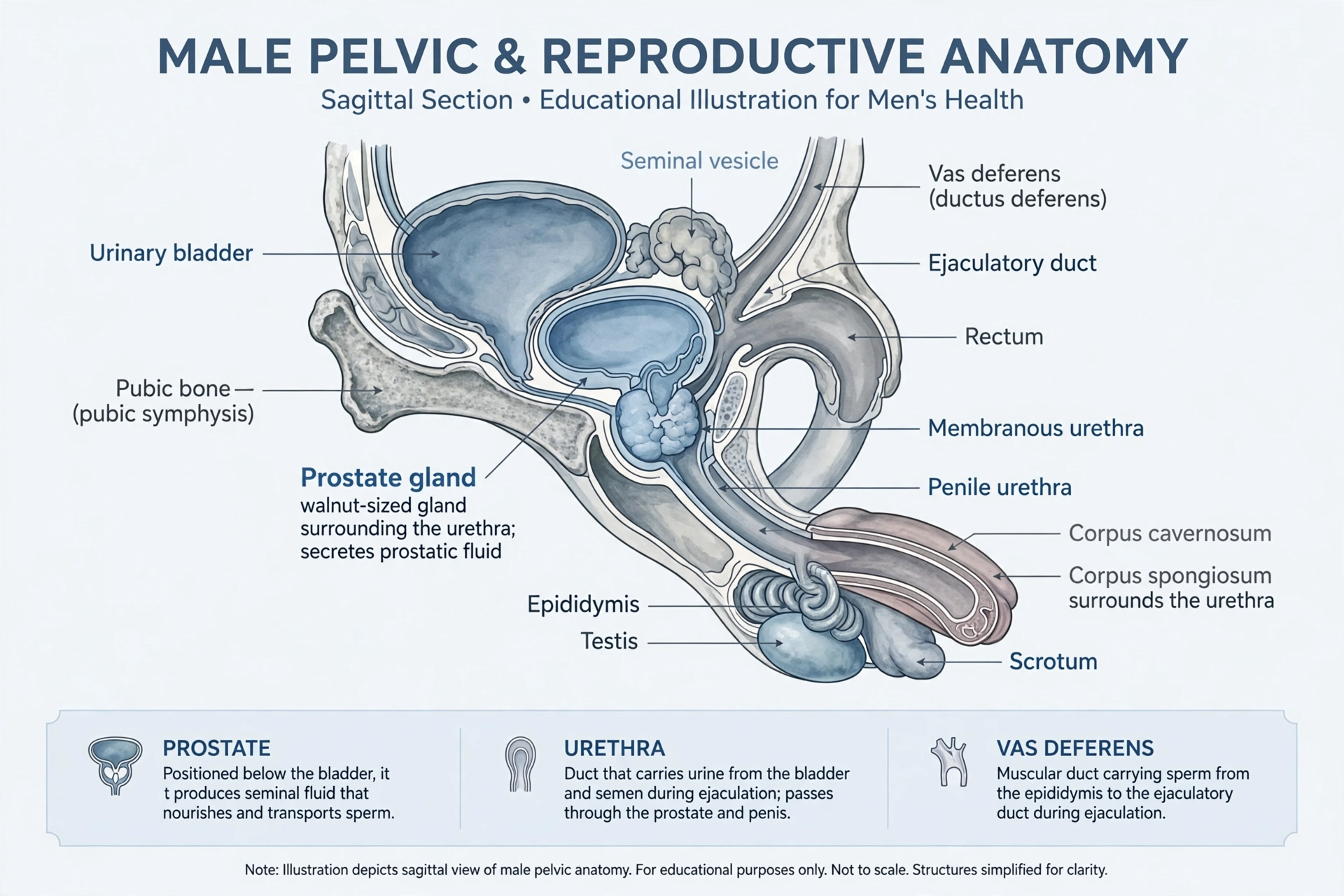
- Chronic prostatitis or pelvic inflammation: Inflammation of the prostate gland can irritate the ejaculatory ducts and lower the threshold for discharge. Prostatitis may also cause pelvic pain, frequent or painful urination, and pain with ejaculation. Read more about prostatitis symptoms and treatment.
- Urinary tract irritation or infection: Urethritis and urinary tract infections can cause urethral discharge that is sometimes mistaken for semen.
- Weak pelvic floor muscles: The pelvic floor muscles help control the release of urine and semen. Weakness — from aging, a sedentary lifestyle, chronic straining, or prostate surgery — can reduce that control.
- Hormonal fluctuations: Shifts in testosterone and related hormones, particularly during adolescence or periods of major hormonal change, can increase the frequency of nocturnal emissions. If other symptoms are present, it may be worth learning about low testosterone symptoms and when testing is appropriate.
- Medication effects: Some prescription medicines — including certain antidepressants, alpha-blockers used for prostate symptoms, and drugs affecting the nervous system — can alter ejaculation. Anyone who notices a change after starting a new medication should discuss it with the prescribing clinician rather than stopping the drug on their own.
- Nervous system conditions: Disorders affecting nerve signaling to the pelvic organs can occasionally disrupt ejaculatory control.
4. Lifestyle and behavioral contributors
Chronic sleep deprivation, heavy alcohol use, smoking, prolonged stress, a sedentary routine, and frequent consumption of sexually stimulating material late at night are all reported to increase episode frequency in some men. None of these is a disease, but addressing them often reduces symptoms noticeably.
Is it spermatorrhea or something else?
Because several conditions look similar, the following comparison helps clarify what a clinician will try to distinguish:
| Condition | What happens | Key distinguishing feature |
|---|---|---|
| Nocturnal emission (normal) | Semen released during sleep, sometimes with a dream | Occasional, no pain or other symptoms |
| Spermatorrhea (symptom pattern) | Frequent involuntary semen discharge, day or night | Recurrent, often with fatigue or anxiety |
| Prostatorrhea | Clear prostatic fluid leaks, often during urination or straining | Thin, clear fluid rather than semen; linked to straining |
| Retrograde ejaculation | Little or no semen exits during climax | Cloudy urine afterward; often medication-related |
| Urethral discharge (infection) | Discharge unrelated to sexual activity | Often with burning, odor, or color changes |

When Is It Normal — and When Should You See a Doctor?
Occasional nocturnal emissions are normal at any adult age and require no treatment. Consider booking a medical evaluation if any of the following apply:
- Episodes happen very frequently (for example, several times a week over many weeks) and do not settle with lifestyle changes.
- The discharge is accompanied by pelvic, testicular, or lower-back pain.
- You notice burning or difficulty when urinating, or a frequent urgent need to urinate.
- There is blood in the semen. (See our guide to blood in semen causes for context, but get checked promptly.)
- Fever, chills, or a general feeling of illness accompanies the symptoms.
- You develop erectile difficulties, a major change in libido, or fertility concerns.
- The anxiety around the episodes is affecting your sleep, mood, work, or relationship.
Blood in the semen, fever with pelvic pain, or an inability to urinate are reasons to seek care promptly rather than waiting. For everything else, a routine appointment with a primary-care clinician or urologist is the right next step. If talking about sexual symptoms feels difficult, our guide on how to talk to your doctor about sexual health explains what clinicians actually want to hear — they have these conversations every day.
How Doctors Evaluate Involuntary Semen Discharge
There is no single test for spermatorrhea, because it is a symptom rather than a diagnosis. A typical evaluation includes:
- Detailed history: When episodes happen (night, day, during urination), how often, any pain or urinary symptoms, sexual history, medications, stress and sleep patterns, and beliefs or worries about the episodes.
- Physical examination: Including genital and prostate examination when indicated.
- Urinalysis and urine culture: To rule out infection or inflammation.
- Blood tests: Hormone levels (such as testosterone) may be checked if there are signs of hormonal imbalance; the Mayo Clinic’s Q&A on prostatitis explains how prostate inflammation is diagnosed and why it is sometimes challenging to pin down.
- STI screening: When discharge could be infection-related.
- Imaging: Ultrasound or other imaging is reserved for cases where a structural problem is suspected.
The goal is to identify a treatable cause — prostatitis, a urinary infection, a medication effect, or significant anxiety — rather than to label the discharge itself.
Spermatorrhea Causes Treatment: What Actually Helps
Effective treatment targets the cause, not just the symptom. The approaches below are the ones clinicians actually recommend; be skeptical of any product or clinic promising an instant cure.
Treat the underlying condition
If evaluation finds prostatitis, a urinary infection, or another medical cause, treating that condition is the first step — for example, appropriate medication for bacterial prostatitis, or a medication review when a prescription drug appears to be contributing. The NIH publication on disorders of the prostate is a useful reference on how prostatitis is classified and managed.
Pelvic floor training
Strengthening the pelvic floor muscles can improve control over both urinary and ejaculatory function. The basic Kegel routine recommended by physiotherapists:
- Identify the right muscles by imagining stopping the flow of urine midstream (do this only to locate them, not as a regular exercise).
- Sit or lie comfortably, relax the abdomen, thighs, and buttocks, and breathe normally.
- Gently squeeze and lift the pelvic floor muscles, hold for 5–10 seconds, then release fully for 5 seconds.
- Repeat 8–10 times per set, doing 2–3 sets spread through the day.
- Practice daily for at least 6–8 weeks before judging results; consistency matters more than intensity.
Stop and consult a physiotherapist if you feel pain. For a fuller walkthrough, see our guide to pelvic floor exercises for men.
Sleep and lifestyle adjustments
Because many episodes happen at night, sleep hygiene helps: empty the bladder before bed, limit fluids in the late evening, keep a regular sleep schedule, and avoid sexually stimulating material right before sleep. During the day, regular moderate exercise, limiting alcohol, not smoking, staying hydrated, and eating a balanced diet rich in zinc, magnesium, and vitamin D support overall reproductive health. There is no special “anti-spermatorrhea diet,” but general healthy habits consistently help.
Managing stress and anxiety
When worry, guilt, or performance pressure is a major driver — as in dhat syndrome — counseling is often the most effective treatment. Cognitive-behavioral therapy (CBT) helps reframe catastrophic beliefs about semen loss, while stress-management techniques such as mindfulness, deep breathing, and regular exercise lower overall arousal. If sexual anxiety is spilling into partnered intimacy, addressing it openly helps; performance pressure rarely improves in silence.
A note on herbal supplements
Many websites promote herbal products — ashwagandha, shilajit, and various traditional formulations — for involuntary discharge. While some of these have preliminary research interest, the evidence for treating spermatorrhea specifically is limited, products are often unregulated, and some can interact with prescription medications or affect hormone levels. Discuss any supplement with a clinician or pharmacist before trying it, and avoid products that make absolute cure claims or hide their ingredients.
What recovery looks like
There is no fixed timeline, but men who address an underlying cause and adopt pelvic floor training plus stress management often notice improvement within 6–12 weeks. Setbacks during stressful periods are common and do not mean treatment has failed. What matters is the overall trend — fewer episodes, less distress, and better sleep and confidence.

Spermatorrhea Myths vs. Facts
| Myth | Fact |
|---|---|
| Every involuntary discharge means you are ill. | Occasional nocturnal emissions are a normal physiological release mechanism. |
| Losing semen drains your strength and vitality. | There is no scientific evidence that occasional semen loss causes weakness; associated fatigue is usually driven by anxiety and poor sleep. |
| It always means infertility. | Spermatorrhea is about involuntary release, not sperm count or quality; fertility is assessed separately with a semen analysis. |
| Only young, unmarried men get it. | It can occur at any adult age and is frequently reported by married men as well. |
| Herbal powders alone will cure it. | No supplement has strong evidence as a standalone cure; the proven approach is treating the underlying cause plus behavioral strategies. |
| Talking to a doctor about it is embarrassing and pointless. | Urologists and primary-care clinicians evaluate these symptoms routinely and can rule out treatable conditions quickly. |
Frequently Asked Questions
Is spermatorrhea a real medical diagnosis?
Not in modern urology. It is an older descriptive term for involuntary semen discharge. Today, clinicians treat frequent involuntary discharge as a symptom and look for its cause — such as prostatitis, anxiety, weak pelvic floor muscles, or medication effects — rather than diagnosing “spermatorrhea” itself.
Are nocturnal emissions the same as spermatorrhea?
No. Nocturnal emissions (“wet dreams”) are occasional, normal releases of semen during sleep. The term spermatorrhea is generally reserved for frequent, recurrent involuntary discharge that causes distress or is accompanied by other symptoms. If emissions are occasional and painless, they are almost certainly normal.
What is dhat syndrome, and how is it related?
Dhat syndrome is a culture-bound condition, most described in South Asia, in which a man experiences severe anxiety about losing semen through urine, nocturnal emissions, or sexual activity, often with fatigue, low mood, and bodily complaints. It overlaps heavily with what older texts called spermatorrhea, and its most effective treatments are reassurance, education, and counseling for the underlying anxiety.
Can stress really cause involuntary semen discharge?
Stress and anxiety do not create semen, but they can increase the frequency of involuntary discharge by heightening nervous-system arousal, disrupting sleep, and lowering the threshold for emission. Many men notice episodes cluster during stressful periods and settle when stress eases, which is why stress management is a core part of treatment.
Do Kegel exercises help with spermatorrhea?
They can help. Stronger pelvic floor muscles improve control over the muscles involved in ejaculation and urination. A daily routine of 2–3 sets of 8–10 contractions, practiced consistently for 6–8 weeks, is the standard recommendation from pelvic health physiotherapists.
When should I worry about blood in the semen?
Blood in the semen (hematospermia) is most often benign, but it is always worth getting checked, especially if it persists, recurs, or comes with pain, fever, or urinary symptoms. It is a different issue from spermatorrhea itself and needs its own evaluation.
Can spermatorrhea be cured permanently?
When a specific cause is found and treated — an infection cleared, a medication adjusted, anxiety addressed — episodes often stop or become rare. Because occasional nocturnal emissions are normal physiology, the realistic goal is not zero lifetime episodes but infrequent, non-distressing ones with any underlying condition managed.
Medical Disclaimer
This article is for educational purposes only and is not medical advice. It does not diagnose any condition and does not replace evaluation by a qualified clinician. If you are experiencing frequent involuntary semen discharge or any accompanying symptoms such as pain, burning urination, blood in the semen, or fever, please consult a doctor, urologist, or other qualified healthcare professional for personalized assessment and treatment. Do not start, stop, or change any medication or supplement based on this article alone.
The bottom line on spermatorrhea causes and treatment: occasional involuntary discharge is normal, but frequent or distressing episodes deserve a proper evaluation. In most cases the outlook is good — identifying the underlying cause, strengthening the pelvic floor, improving sleep and stress habits, and addressing unhelpful beliefs about semen loss resolve the problem or reduce it to an occasional, untroubling event.