Nighttime Urination and Your Sex Drive
If you are getting up two or three times a night to urinate, you are probably focused on the tiredness, not your libido. But the connection between nocturia and sex drive is stronger than most men realize: fragmented sleep interferes with the hormonal rhythms that fuel desire, chronic fatigue blunts arousal, and the same underlying conditions that wake you at night often affect erectile function too.
Nocturia — waking during the night with an urgent need to urinate — is one of the most common and most undertreated urological complaints in men. It is also one of the most silently disruptive to intimate life. This guide explains how nighttime urination affects sexual desire and performance, what the research actually shows, and the practical steps that can protect both your sleep and your sex life.
What Is Nocturia?
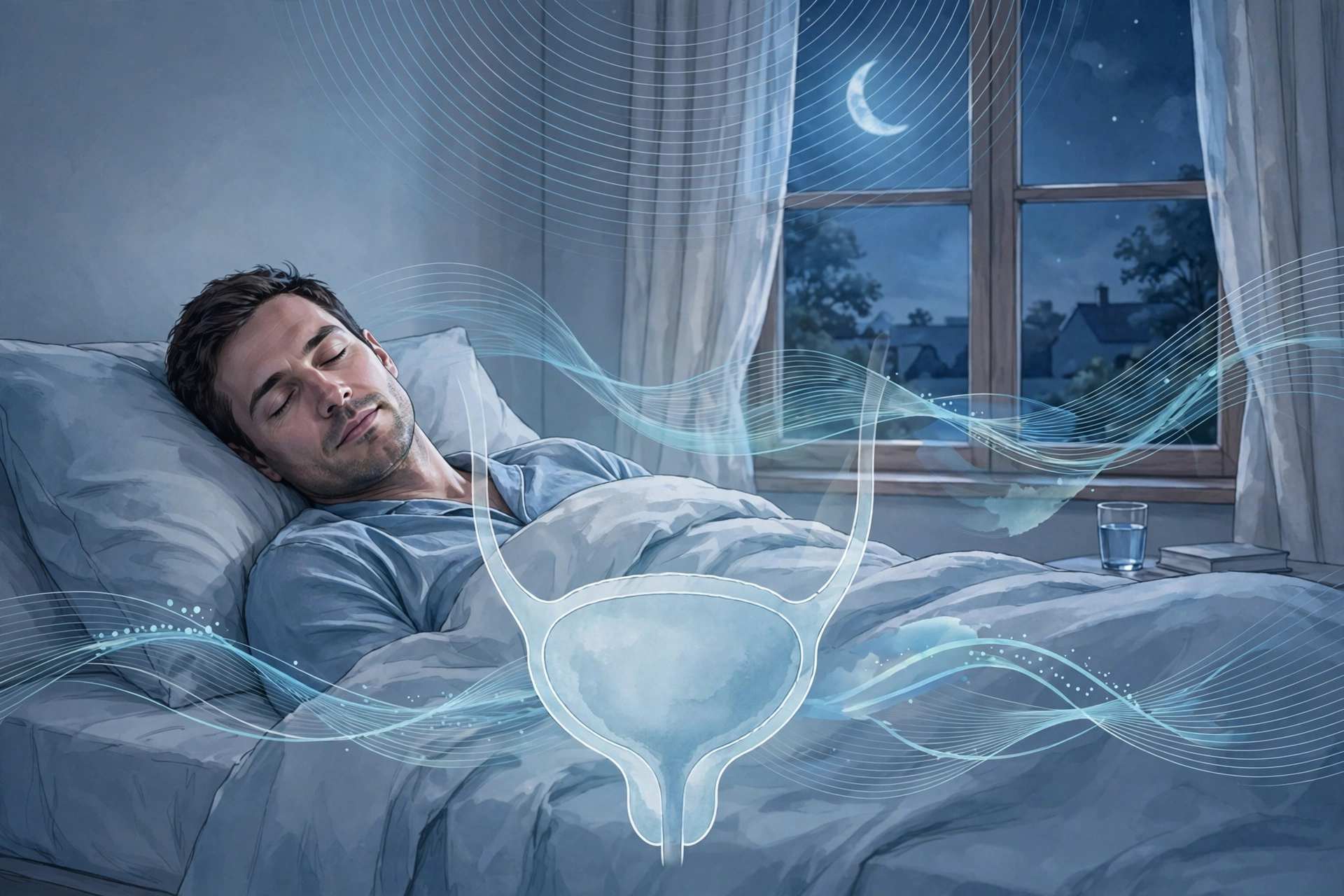
Nocturia is defined as waking one or more times during the night because you need to urinate. It is remarkably common: research published through the National Library of Medicine estimates that about one in three adults over age 30 experience it to some degree, and Mayo Clinic notes that roughly one-third of men over 30 make at least two bathroom trips after going to bed.
Clinicians generally divide nocturia into three patterns:
- Nocturnal polyuria — the body produces an unusually large share of its daily urine output at night. A natural nighttime rise in antidiuretic hormone (vasopressin) normally concentrates urine while you sleep; this circadian surge blunts with age, which is one reason nocturia climbs as men get older.
- Reduced nighttime bladder capacity — the bladder cannot hold its usual volume at night, often because of an enlarged prostate, overactive bladder muscles, or incomplete emptying.
- Global polyuria — high urine output around the clock, which points toward conditions such as diabetes or the effect of certain medications.
One myth worth clearing up early: while nocturia becomes more common with age, it is not simply “a normal part of getting older.” It is frequently a symptom of an underlying and often treatable condition — and the earlier it is evaluated, the more of your sleep, energy, and sex drive you preserve.
How Nocturia and Sex Drive Are Connected
The link between nocturia and sex drive is not a single mechanism but a web of them. Understanding each strand helps you see why fixing your sleep can do as much for your libido as anything else.
1. Fragmented Sleep Disrupts Your Testosterone Rhythm
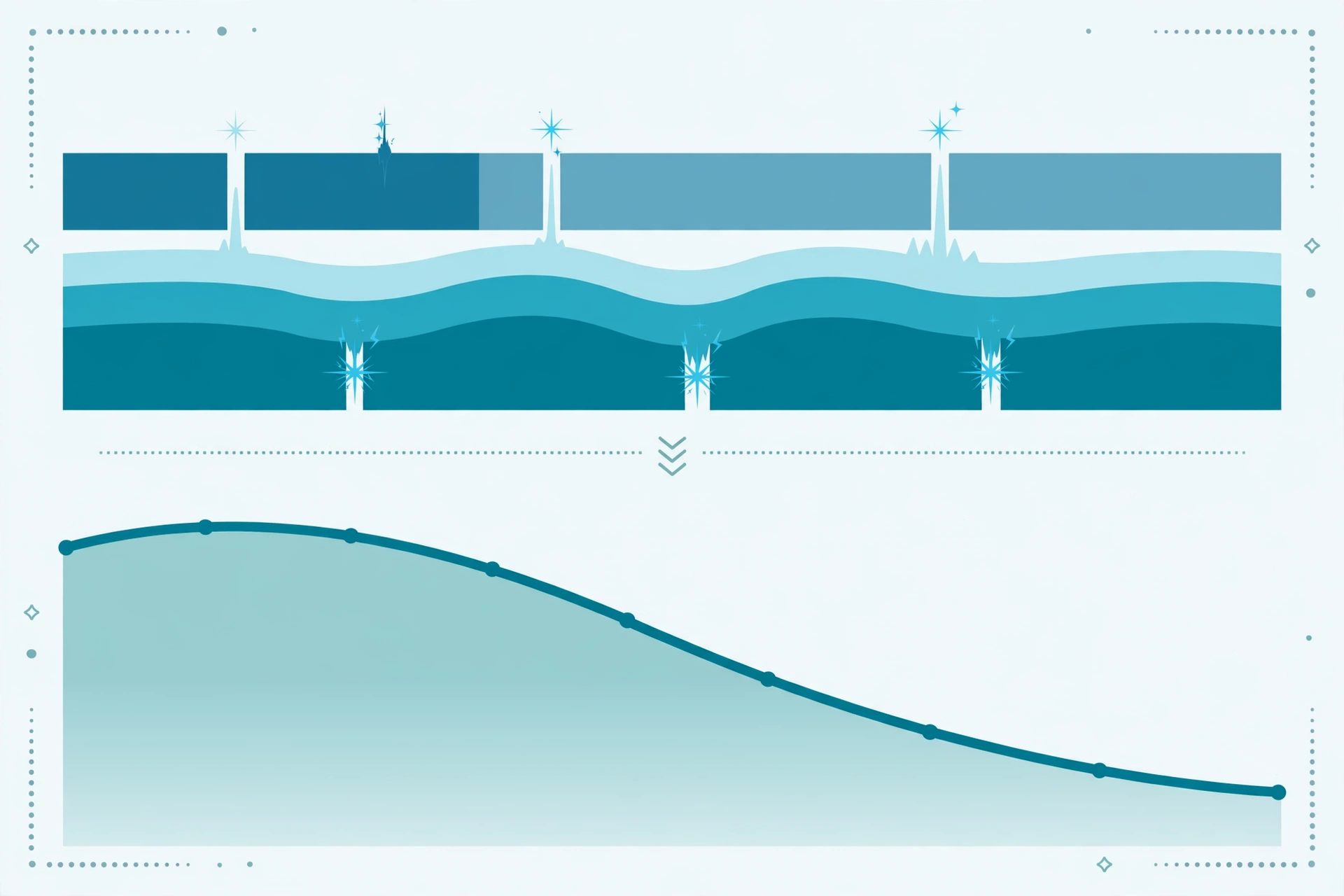
Most of a man’s daily testosterone is produced during sleep, with levels peaking in the early morning hours. Deep, slow-wave sleep — concentrated in the first three to four hours of the night — is the engine room of that production. Nocturia strikes exactly there: physicians advising the Nocturia Council note that most sufferers sleep an average of only two to three hours before being woken by the urge to urinate, shattering the restorative window.
The hormonal cost is measurable. In a well-known study (Leproult and Van Cauter, 2011), healthy young men restricted to five hours of sleep per night for just one week showed a 10 to 15 percent drop in daytime testosterone levels. And the sleep-desire link is not only a male story: research by Kalmbach and colleagues found that each additional hour of sleep was associated with roughly a 14 percent increase in next-day sexual desire in women. When your night is broken into 90-minute fragments, your hormones pay the price — and so does your desire. For more on this mechanism, see our guides on how sleep affects sex drive and low testosterone symptoms in men and when to get tested.
2. Chronic Fatigue Drains Desire and Mood
Even beyond hormones, simply being exhausted erodes sexual desire. Constantly interrupted nights accumulate into chronic fatigue, daytime sleepiness, and low energy — none of which are compatible with a healthy sex life. Poor sleep quality also contributes to mood disorders such as depression and anxiety, which independently suppress libido.
The Nocturia Council’s awareness data put the toll in stark terms: adults who wake three or more nights a week to urinate are 37 percent more likely to take sick leave, and nocturia is associated with increased risks of obesity, depression, and falls. If exhaustion is the wall between you and intimacy, it may be worth reading our piece on being too tired for sex and what fatigue does to libido.
3. The Erectile Function Connection
Nocturia and erectile dysfunction (ED) travel together often enough that researchers recommend screening for both at once. A 2008 study found that, like high blood pressure and diabetes, overactive bladder could be a risk factor for ED — and that men with lower urinary tract symptoms (LUTS, a group that includes nocturia) reported reduced sexual activity, enjoyment, and overall satisfaction because of their symptoms. A 2021 study went further, finding that men living with ED were more likely to experience LUTS and vice versa, leading researchers to recommend that doctors evaluate for both conditions whenever either one appears.
There is also a plausible shared mechanism: both conditions involve the pelvic floor and the vascular system. Repeated pressure on the pelvic floor can weaken the muscular support involved in erections, and endothelial (blood-vessel) dysfunction is implicated in both urinary symptoms and ED. In other words, nocturia may be an early warning signal from the same systems that govern sexual performance — which is one more reason not to shrug it off.
4. The Sleep Apnea Bridge
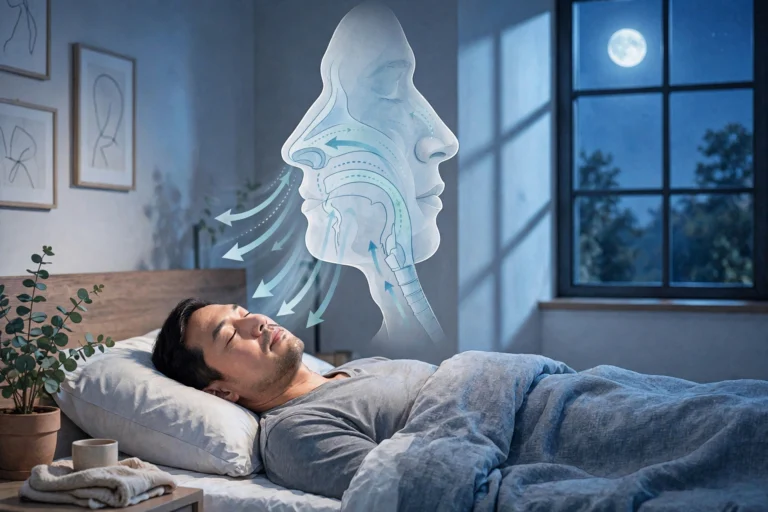
Obstructive sleep apnea (OSA) is a major and under-recognized cause of nocturia — and of low sex drive. Mayo Clinic teaching materials note that as many as half of people with sleep apnea experience nocturia. The mechanism is elegant: apnea episodes stretch the right side of the heart, raising levels of atrial natriuretic factor, a hormone that tells the kidneys to make more urine. The result is bathroom trips driven by a breathing problem.
The treatment evidence is striking: in one representative trial, continuous positive airway pressure (CPAP) therapy reduced nocturia from an average of 2.5 trips per night to 0.7, with more than 70 percent of patients reporting good to excellent relief. Sleep apnea independently causes intermittent drops in nighttime oxygen — another known contributor to erectile dysfunction and low testosterone — so screening for apnea can be a double win for nocturia and sex drive. Read more about this overlap in our article on sleep apnea and erectile dysfunction.
5. Relationship Strain and a Tired Partner
Nocturia rarely affects only one person in a bed. A partner who wakes every time you get up ends up sleep-deprived too — and a household running on fragmented sleep is not a household with much desire left over. Embarrassment about symptoms can add avoidance to the mix: men may quietly retreat from intimacy rather than explain why they are exhausted or anxious, and the silence can be misread as disinterest. Research on urinary symptoms and ED shows this anxiety-stress cycle runs in both directions — symptoms cause stress, and stress worsens symptoms. Naming the problem openly is often the first step out of the loop.
6. Medication Effects on Both Fronts
Some of the medications linked to nocturia also affect sexual function. Diuretics (water pills) increase urine output — when they are taken matters enormously, which is why many clinicians advise taking them earlier in the day — and certain blood pressure medications and antidepressants are known to affect libido or erectile function in some people. Never change the timing or dose of a prescription on your own; instead, bring a complete medication list to your appointment and ask whether your regimen could be contributing to nighttime urination, low desire, or both.
What Causes Nocturia?
Nocturia is a symptom, not a diagnosis — the cause determines the treatment. The most common contributors in men include:
- Benign prostatic hyperplasia (BPH): an enlarged prostate, very common after age 40, that narrows the urethra and prevents the bladder from emptying fully. The National Institute of Diabetes and Digestive and Kidney Diseases (NIDDK) lists nocturia among the hallmark symptoms of BPH.
- Nocturnal polyuria: excess nighttime urine production, worsened by the age-related blunting of the nighttime vasopressin surge.
- Sleep apnea: present in up to half of nocturia cases seen in some clinical series.
- Diabetes: high blood sugar increases urine output day and night.
- Heart failure and leg edema: fluid that pools in the legs during the day is reabsorbed into the bloodstream when you lie flat at night, becoming urine.
- Medications: diuretics, some decongestants and antihistamines, and certain other drugs can worsen nighttime urination.
- Evening habits: drinking large volumes of fluid late in the evening, and caffeine or alcohol within a few hours of bed — both act as bladder irritants and mild diuretics.
- Urinary tract infections and other bladder conditions: less common in men than women, but worth ruling out.
Mayo Clinic’s guidance on nocturia causes and treatment emphasizes that proper diagnosis — a history, an exam, and simple laboratory testing — is what unlocks effective treatment. For couples navigating prostate-related changes together, our BPH and sexual function guide for couples goes deeper.
A Practical Plan to Protect Your Sleep and Your Sex Life
You do not have to wait for a diagnosis to start sleeping better. These evidence-backed steps address nocturia and sex drive at the same time:
- Front-load your fluids. Stay well hydrated during the day — dehydration is not the goal — but taper fluid intake in the two to three hours before bed. For reference, Mayo Clinic suggests about 15.5 cups of total daily fluid for men.
- Cut caffeine and alcohol in the evening. Both irritate the bladder and increase urine production. An afternoon cutoff works for most men.
- Double-void before bed. Urinate, wait a few minutes while you finish your evening routine, then urinate again. This empties residual urine that would otherwise wake you at 2 a.m.
- Elevate your legs in the evening. If you have ankle swelling, an hour or two with your legs raised before bed helps that fluid return to circulation earlier — so it becomes daytime urine instead of nighttime urine.
- Review medication timing with your clinician. Ask whether diuretics or other prescriptions could be scheduled earlier in the day. Do not adjust anything without medical guidance.
- Get screened for sleep apnea. Loud snoring, morning headaches, and unrefreshing sleep alongside nocturia are classic flags — and treating apnea often improves both urination and sexual function.
- Strengthen the pelvic floor. Kegel exercises improve bladder control and have also been shown to help erectile function — one habit, two benefits. Our guide to Kegel exercises for men walks through correct technique.
- Keep a three-day bladder diary. Note fluid intake, bathroom trips (day and night), and any leakage. This simple log is one of the most useful things you can bring to a urology appointment.
- Time intimacy kindly. If nights are your worst stretch, morning intimacy — after a full stretch of sleep — may suit both of you better. There is nothing wrong with scheduling closeness around your body’s reality.
How to Talk to Your Partner About It
Because your partner is almost certainly affected too, a candid conversation helps more than silent coping. Experts recommend choosing a quiet, private moment — not the middle of the night — and being specific: how often you wake, how it makes you feel, and how it affects your days. Frame it as a shared project: “My broken sleep is affecting my energy and our time together, and I want us to fix it.” Discussing practical solutions together — from fluid timing to seeing a doctor — turns an embarrassing symptom into teamwork, which is itself good for intimacy.

When to See a Doctor
Make an appointment if nocturia is disrupting your sleep, your daytime energy, or your intimate life — you do not need to wait until it feels “serious enough.” Seek prompt care if you notice blood in your urine, fever or chills with urinary urgency, an inability to urinate at all, sudden worsening of symptoms, or severe daytime sleepiness.
A typical evaluation starts with a detailed history, a physical exam, your bladder diary, and simple laboratory tests such as urinalysis. Depending on findings, your clinician may check for diabetes, assess your prostate, or refer you for a sleep study. Treatment follows the cause: lifestyle adjustments, medication to reduce urine production or relax bladder muscles, treatment of BPH or sleep apnea, or a combination. Most cases can be substantially improved — and with better sleep, desire and performance often recover alongside it.
Frequently Asked Questions
Can nocturia really lower my sex drive?
Yes, through several routes at once. Fragmented sleep disrupts the nighttime testosterone production that fuels desire — one study found a 10 to 15 percent drop in daytime testosterone after just one week of short sleep. Chronic fatigue, low mood, and the stress of the symptoms themselves further suppress libido, and shared underlying causes such as sleep apnea or vascular problems can affect sexual function directly.
Is waking up to urinate just a normal part of getting older?
It becomes more common with age, but clinicians do not consider it a normal or inevitable part of aging. Nocturia is usually a symptom of an underlying condition — such as BPH, sleep apnea, nocturnal polyuria, or a medication effect — that can be evaluated and often treated. If it is affecting your sleep or quality of life, it deserves a medical conversation.
Can treating nocturia improve erectile function?
Often, yes — especially when the treatment restores sleep. Research shows that men with lower urinary tract symptoms are more likely to experience ED, and that doctors should evaluate both conditions together. Improving sleep quality can raise testosterone and energy, while treating shared drivers like sleep apnea or BPH can benefit urinary and sexual function simultaneously. Individual results vary, so discuss expectations with your clinician.
Will drinking less water before bed fix nocturia?
Tapering fluids in the evening can reduce nighttime trips, but deliberately dehydrating yourself is counterproductive and can harm urinary tract health. The better strategy is to drink adequately during the day and taper in the two to three hours before bed, while also addressing caffeine, alcohol, and any underlying medical cause.
Should I change when I take my diuretic?
Many clinicians recommend taking diuretics earlier in the day so their peak effect does not land at bedtime — but you should never change the timing or dose of any prescription without talking to the clinician who prescribed it. Bring your full medication list to your appointment and ask whether your regimen could be contributing to nocturia or changes in sexual function.
Do pelvic floor exercises really help both problems?
Evidence supports pelvic floor (Kegel) exercises for improving bladder control and for helping erectile function, making them one of the few interventions that benefit both sides of the nocturia-sex drive equation. Correct technique matters — ask your doctor or a physical therapist for guidance so you are strengthening the right muscles.
How do I bring this up with my partner without killing the mood?
Pick a calm, private moment outside the bedroom routine, be honest and specific about what is happening, and frame it as something you want to solve together. Most partners are relieved to learn that exhaustion or withdrawal has a medical explanation rather than an emotional one — and tackling it as a team tends to strengthen, not weaken, intimacy.
Medical disclaimer: This article is for educational purposes only and is not medical advice. Nocturia can be a symptom of several different medical conditions, and only a qualified clinician can evaluate your symptoms and recommend appropriate treatment. If you are experiencing frequent nighttime urination, changes in sexual function, or related health concerns, please consult your healthcare provider.