Pelvic Organ Prolapse and Sex: What Every Couple Should Know
Receiving a pelvic organ prolapse diagnosis can leave you with questions that feel too personal to ask out loud. One of the biggest: what happens to pelvic organ prolapse sex now? Is intimacy still safe, will it hurt, and will your partner notice? Doctors say they hear these questions far less often than they should, because so many women feel embarrassed raising them. The reassuring truth: a prolapse diagnosis does not end your sex life. With accurate information, a few practical adjustments, and open communication, most couples continue to enjoy a satisfying, connected intimate life.
Pelvic organ prolapse is one of the most common pelvic floor disorders in women, especially after vaginal childbirth and after menopause — yet it remains widely under-discussed. This pelvic organ prolapse sex guide covers everything a couple should know about intimacy with a prolapse: what prolapse is, whether sex is safe, which positions and strategies improve comfort, how pessaries and surgery affect intimacy, and how to talk about it all together.
What Pelvic Organ Prolapse Really Is
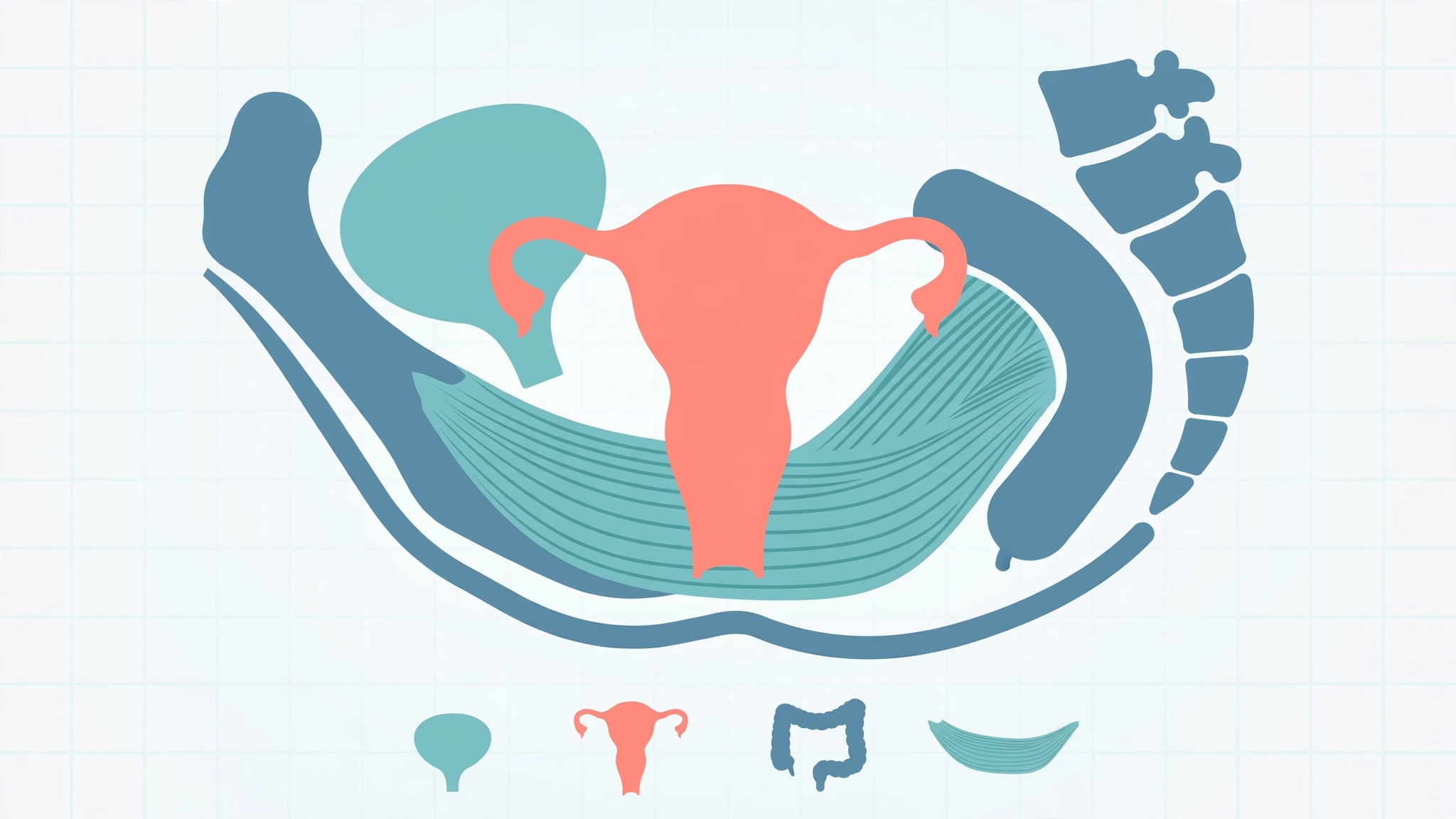
Pelvic organ prolapse happens when the pelvic floor muscles and connective tissues that support the pelvic organs weaken or stretch. Think of these tissues as a hammock holding up the bladder, uterus, and rectum. When the hammock sags, one or more organs can descend into or beyond the vaginal canal. Mayo Clinic explains that uterine prolapse occurs when pelvic floor muscles and ligaments stretch and weaken until they can no longer adequately support the uterus, most commonly after menopause and in women who have had vaginal deliveries (Mayo Clinic).
There are several types, and knowing which one you have helps you make smarter decisions about intimacy:
- Cystocele (prolapsed bladder): the bladder bulges into the vagina — the most common type.
- Uterine prolapse: the uterus descends into the vaginal canal.
- Rectocele: the rectum bulges forward into the vagina.
- Vaginal vault prolapse: after hysterectomy, the top of the vagina can descend.
Symptoms commonly worsen toward evening and ease with rest, because gravity plays a major role.
Can You Have Sex With a Prolapse?
Yes. Gynecologists and pelvic health specialists confirm that pelvic organ prolapse sex is safe with the prolapse in place. Intercourse does not pull the prolapse further down or cause damage. Arousal and orgasm increase blood flow to pelvic tissues, which supports tissue health, and the muscular contractions of sexual activity give the pelvic floor a gentle workout.
Sex may still feel different. Many women notice pressure, fullness, or awareness of the bulge; some feel discomfort in certain positions, dryness that makes friction unpleasant, or self-consciousness that blocks arousal. All of these are manageable — and most couples find their rhythm.
Will Sex Make a Prolapse Worse?
No. Sex cannot cause a prolapse, and it cannot make an existing prolapse worse. In other words, regular pelvic organ prolapse sex poses no risk to the prolapse itself. Prolapse develops over years from weakened connective tissue — vaginal childbirth, aging, declining estrogen after menopause, chronic straining, chronic coughing, repeated heavy lifting, or inherited tissue traits.
Two comfort issues can make pelvic organ prolapse sex feel worse without causing any harm: vaginal dryness, which creates friction mistaken for pain (generous lubricant usually resolves it), and a sense of heaviness that varies with arousal and position. Both are comfort issues, not signs of harm.
How Pelvic Organ Prolapse Affects Sex: The Real Changes Couples Notice
Understanding exactly how pelvic organ prolapse sex changes things removes much of the fear. Here are the most common shifts and what is really behind each one:
Sensation and the feeling of “looseness”
Some women report the vagina feels less tight during intercourse. The change comes from altered anatomy, and sensation concerns often fade once pressure anxiety does. Unhurried arousal and full relaxation make the biggest difference.
Discomfort or pressure in certain positions
Deep penetration or downward-pressing positions can push on the bulge and cause aching. Reclined positions with the pelvis slightly raised tend to feel best, because the prolapse retracts naturally when you lie back.
Vaginal dryness
Prolapse peaks around and after menopause, when falling estrogen thins and dries vaginal tissue. Dryness is often the true culprit behind pain blamed on the prolapse itself. Lubricant is the simplest fix; persistent dryness is worth raising with your doctor, since localized estrogen or moisturizers are routine in prolapse care.
Involuntary pelvic floor clenching
Many women unconsciously clench their pelvic floor — during daily life and during sex — in an effort to “hold everything up.” Constant clenching does not prevent descent, but it can cause heaviness, trigger points, and pain with penetration. Physiotherapists say this pain usually comes from tight, overworked muscles, not from the prolapse itself — so learning to release the pelvic floor often helps more than endless strengthening.
Orgasm changes
Women with prolapse plus urinary incontinence may notice difficulty reaching orgasm or lower libido. Once symptoms are managed — through therapy, a pessary, or surgery — sexual function generally improves. Orgasm itself appears beneficial: a 2022 study found orgasm improved postpartum pelvic floor strength compared with Kegels alone.
Body image and desire
Shame about the bulge and fear of a partner’s reaction can extinguish desire faster than any physical symptom. These feelings are normal — and respond well to honest conversation, partner reassurance, and counseling when needed.

Positions and Comfort Strategies for Pelvic Organ Prolapse Sex
There is no universal best position — the right choice is whatever feels comfortable for your body. Still, pelvic health clinicians have identified clear patterns for pelvic organ prolapse sex:
| Tends to help | Why | Use caution with | Why |
|---|---|---|---|
| Modified missionary, pillow under pelvis | Raising the hips lets the prolapse retract, reducing pressure on the bulge | Woman on top | Upright gravity increases downward pressure and pelvic effort |
| Side-lying | Good control over depth and angle; try both sides | Standing positions | Full gravity on the pelvic floor throughout |
| Rear entry lying flat | Reclined angle eases pressure on the front wall; avoid with a rectocele | Very deep penetration | Can press directly on prolapsed tissue |
- Give arousal its time. Generous foreplay helps the vagina lengthen and lubricate naturally before penetration.
- Lubricate generously at the start and reapply as needed — this single change transforms the experience for many women.
- Relax the pelvic floor deliberately. Breathe slowly and consciously release the muscles; exhaling while gently bearing down helps the pelvic floor lengthen.
- Broaden the definition of sex. Cuddling, manual stimulation, oral sex, and toys all count — removing the pressure of intercourse often restores pleasure faster than any technique.
- Communicate in the moment. Simple check-ins prevent pain from escalating and build trust.
Sex With a Pessary: What Couples Need to Know
A pessary — a removable silicone device fitted in the vagina to hold prolapsed organs in place — is one of the most effective non-surgical treatments, yet guidance on pelvic organ prolapse sex with one in place is a gap most articles skip. Key points gynecologists share:
- Most ring pessaries can stay in during intercourse. They sit high in the vaginal vault and rarely interfere; many women find sex more comfortable with the pessary in, because the bulge is held up.
- Ask your fitting clinician first. Space-filling designs like the Gellhorn or cube pessary, used for advanced prolapse, typically need removal before intercourse and reinsertion afterward.
- Watch for warning signs: bleeding, unusual discharge, odor, or new pain after sex with a pessary warrants a prompt call to your doctor — it can signal a fit problem.
- Your partner will almost certainly not feel the device. A well-fitted pessary is undetectable to partners, which removes a major source of self-consciousness.
If you are hesitant, clinicians suggest a trial: try once with the pessary in, check in honestly afterward, and decide together. Most gynecologists welcome direct questions about pelvic organ prolapse sex at any appointment.

Talking to Your Partner About Prolapse: A Guide for Couples
Prolapse specialists say the emotional silence around the condition often causes more harm than the bulge itself. Bringing pelvic organ prolapse sex concerns into the open often brings couples closer. Here is a practical framework for the conversation:
Start with facts, not apologies
Frame prolapse as what it is: a common medical condition of the pelvic support tissues, like a hernia. Avoid language about things “falling out” — it frightens partners unnecessarily and is usually inaccurate.
Share the reassurance you have learned
Most partners’ first unspoken fears are “will this hurt her?” and “can this make things worse?” Tell them directly: sex does not worsen prolapse, and you want to keep sharing intimacy. Lifting that burden changes everything.
Be specific about what helps
Vague requests (“just be careful”) leave partners anxious. Specific ones empower them: a pillow under your hips, more time and lubricant, a signal if you tense up. Specificity turns a partner from a worried bystander into a teammate — and invites their own honesty about what they notice and feel.
Keep non-penetrative intimacy front and center
Agree that a good night of intimacy does not require intercourse. Couples who embrace this report higher satisfaction, because pressure is gone and pleasure becomes the goal.
Treatment Options and What Each Means for Your Sex Life
Doctors describe a ladder of treatment, and each rung has implications for intimacy. Many couples find that combining pelvic floor therapy with open dialogue about pelvic organ prolapse sex restores both comfort and confidence:
- Watchful waiting. If symptoms are mild and not bothersome, many specialists recommend no treatment at all — just routine checkups.
- Pelvic floor physical therapy. A pelvic floor physiotherapist assesses whether your muscles are weak, tight, or both, then builds a personal program. Therapy improves comfort during sex and teaches you to relax the pelvic floor as well as strengthen it. Our guide to pelvic floor exercises and their benefits covers the fundamentals.
- Pessary. A fitted support device often restores comfortable intercourse immediately, with no recovery time and full reversibility.
- Vaginal estrogen or moisturizers. For postmenopausal women, these improve tissue thickness and elasticity, easing the vaginal dryness that so often undermines comfortable sex.
- Surgery. When other treatments fall short, reconstructive surgery repositions the organs and reinforces the vaginal walls, with high success rates — plus a recovery period and changes to discuss with your partner, covered next.
Sex After Prolapse Surgery: The Recovery Timeline
If you and your surgeon decide on an operation, when pelvic organ prolapse sex can resume deserves a straight answer. Here is the typical roadmap — your own surgeon’s instructions always take priority:
The first 6 to 8 weeks: healing comes first
Most surgeons advise no vaginal penetration for six to eight weeks while repaired tissues knit together; intercourse too early risks disrupting the repair. Gentle, non-penetrative intimacy can usually resume once you feel up to it — ask your surgeon what is permitted.
The follow-up clearance appointment
Around six weeks, your surgeon confirms healing is on track. Ask directly: “Is it safe to resume intercourse?” Explicit clearance removes the anxiety that otherwise shadows the first attempts — then go slowly, with plenty of lubricant and gentle, supported positions.
Long-term expectations
Sexual function studies after prolapse repair generally show improvement: with the bulge and pressure gone, comfort and confidence rise. One caution: obliterative procedures (which narrow or close the vaginal canal, for women certain they no longer want penetrative sex) do end vaginal intercourse. If preserving your sex life matters, make sure your surgeon knows — reconstructive options are designed to preserve it.
When to See Your Doctor
Prolapse care is about quality of life, so seek help whenever the condition bothers you. If pelvic organ prolapse sex has become painful despite the strategies above, that alone is a good reason to book an appointment. These signs merit a prompt one:
- Bleeding from the vagina or from the prolapsed tissue
- An ulcer or sore on the bulge that does not heal
- Inability to urinate or fully empty the bladder
- New or worsening pain with intercourse despite comfort measures
- Foul-smelling discharge or signs of infection
- A pessary that causes bleeding, pain, or will not stay in place
- Sudden worsening of the bulge or new pelvic pain
You never need surgery simply because a prolapse exists — only if it affects your life, comfort, or intimacy in ways that matter to you.
FAQs
Is it safe to have sex with pelvic organ prolapse?
Yes. Gynecologists confirm intercourse is safe with a prolapse in place and does not worsen the condition. Some women notice pressure or discomfort in certain positions, but lubrication, supportive positions, and communication resolve most of that. If anything causes sharp or persistent pain, pause and discuss it with your doctor.
Will my partner feel the prolapse during sex?
Almost certainly not. A partner’s anatomy pushes prolapsing soft tissue gently aside, so most partners cannot detect a prolapse at all — and a well-fitted pessary is equally undetectable. Even where the bulge protrudes beyond the opening in advanced cases, it rarely affects a partner’s pleasure.
Can I keep my pessary in during intercourse?
In many cases, yes. Support-type pessaries such as the ring with support are designed to stay in place during sex, and many women find intercourse more comfortable with the pessary in. Space-filling designs like the Gellhorn or cube pessary are usually removed beforehand. Confirm with your fitting clinician.
When can I have sex after prolapse surgery?
Most surgeons advise waiting six to eight weeks after reconstructive surgery, until a follow-up exam confirms proper healing. Get explicit clearance from your surgeon before resuming penetrative sex. Start gently with plenty of lubricant, and report persistent pain, bleeding, or discharge.
Why does sex hurt even though my prolapse is mild?
The pain often comes from something other than the prolapse itself. Common culprits include vaginal dryness (especially after menopause), involuntary clenching of the pelvic floor muscles, scar tissue from childbirth, or pelvic floor tension. A pelvic floor physiotherapist can identify the true cause, and treatment usually restores comfortable intimacy.
Can pelvic organ prolapse sex still include orgasm?
Yes. Prolapse does not affect the clitoris or the nerves responsible for orgasm, and many women continue to orgasm normally. Research even suggests orgasm may benefit pelvic floor strength. If orgasm has become difficult, it is usually linked to pain, dryness, or anxiety — all treatable factors.
If prolapse is affecting your intimate life, bring it up with your doctor. Pelvic organ prolapse is one of the most treatable conditions in women’s health — from pelvic floor therapy and pessaries to highly successful surgery — and there is no reason to suffer in silence. Talk to your partner honestly, explore this guide’s comfort strategies together, and keep choosing intimacy on your own terms. A fulfilling pelvic organ prolapse sex life is absolutely achievable.
Medical disclaimer: This article is for educational purposes only and does not constitute medical advice. Pelvic organ prolapse varies from person to person, and treatment decisions should always be made with a qualified healthcare professional who has examined you. Consult your gynecologist or urogynecologist about your individual situation before starting, changing, or stopping any treatment.