Bacterial Vaginosis: Causes, Symptoms, and Treatment
Bacterial Vaginosis: Causes, Symptoms, and Treatment
If you have ever noticed an unusual discharge or a smell down there that made you pause, you are not alone — and you are not imagining it. Bacterial vaginosis is the most common vaginal infection in women of childbearing age, yet many women go years confusing it with a yeast infection or simply hoping it will go away on its own. It deserves better than that. It is very treatable, and once you understand what is actually happening inside your body, dealing with it becomes far less stressful.
What Exactly Is Bacterial Vaginosis?
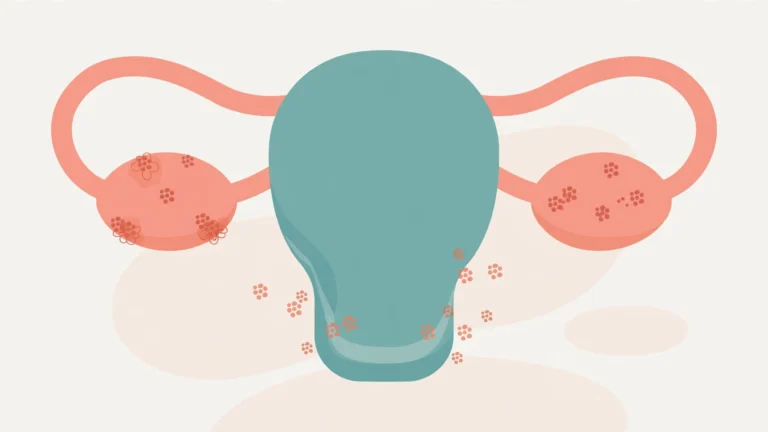
Your vagina is home to a community of tiny organisms, mostly helpful bacteria called lactobacilli. Think of them as the neighborhood watch of your vaginal health: they produce lactic acid, keep the environment pleasantly acidic, and stop harmful bacteria from setting up camp.
Bacterial vaginosis (often shortened to BV) happens when that neighborhood gets disrupted. The helpful lactobacilli decline, and other bacteria multiply to fill the gap. The result is not a true "infection" in the classic sense — nothing new invaded your body. It is an imbalance, and that distinction matters because it changes how you treat and prevent it.
It is worth knowing that BV is not classified as a sexually transmitted infection. That said, it shows up more often in women who are sexually active, because sexual activity can temporarily shift the delicate bacterial balance.
BV Symptoms: What to Look For
Here is the tricky part: up to half of women with bacterial vaginosis notice no symptoms at all. When symptoms do show up, they tend to follow a recognizable pattern:
- Thin, grayish or whitish discharge — lighter and more watery than your usual discharge. If you are unsure what counts as typical, our guide to vaginal discharge, normal vs abnormal can help you compare.
- A noticeable fishy odor — often described as sharp or "off." It tends to get stronger after sex or during your period, because both can briefly raise vaginal pH.
- Burning when you urinate — some women feel a mild sting, similar to a urinary irritation.
- Light itching or swelling around the vaginal opening — though strong, intense itching is actually more typical of a yeast infection than of BV.
The odor is the hallmark clue. If the main thing you notice is intense itching with thick, cottage-cheese-like discharge, that points more toward yeast — but never self-diagnose from symptoms alone, because the two can overlap and treatments are completely different.
What Causes Bacterial Vaginosis?
Doctors do not know exactly what flips the switch every time, but research has identified several reliable triggers. Any of these can tip the balance:
1. Douching and harsh washes
Douching is the single most counterproductive "hygiene" habit here. The vagina cleans itself beautifully, and rinsing the inside flushes away the good bacteria along with everything else. Scented soaps, bubble baths, and fragranced sprays used internally have a similar effect.
2. New or multiple sexual partners
Semen is alkaline, so intercourse temporarily raises vaginal pH — the opposite of what lactobacilli need. A new partner introduces unfamiliar bacteria too, which is one reason BV sometimes appears early in a new relationship.
3. Antibiotic use
Antibiotics prescribed for a cold, UTI, or dental work cannot always tell good bacteria from bad. A round of antibiotics can knock back your lactobacilli and leave the door open for bacterial overgrowth.
4. Hormonal shifts
Periods, pregnancy, birth control changes, and menopause all nudge vaginal pH. That is why some women notice BV cropping up right after their period, month after month.
5. IUDs and smoking
Copper and hormonal IUDs have been associated with higher BV rates in some women, and smoking is another established risk factor — one more reason your whole body benefits from quitting.
How Is It Diagnosed?
Because BV symptoms overlap with yeast infections, trichomoniasis, and even STIs, a proper diagnosis is worth the visit. Here is what to expect:
1. A short conversation about your symptoms, medications, and habits.
2. A pelvic exam so the provider can observe the discharge.
3. A swab test of the vaginal fluid, checked for:
- pH level — BV typically pushes vaginal pH above 4.5. Learn more about why acidity matters in our vaginal pH balance explained article.
- Clue cells — vaginal cells coated with bacteria, visible under a microscope.
- The "whiff" test — adding a special solution releases the characteristic fishy odor, confirming BV.
Home test kits exist, but they are not a substitute for a clinician's swab. If you have recurring symptoms, getting tested properly is the fastest route to relief.
Treatment That Actually Works
The standard treatment is a short course of prescription antibiotics. The two most commonly used are:
- Metronidazole — usually as tablets taken twice a day for a week, or as a vaginal gel used for five days.
- Clindamycin — available as a vaginal cream or as oral capsules.
Most women feel better within two or three days, but finish the full course even if symptoms vanish early — stopping halfway is a classic reason the imbalance bounces straight back.
A few practical notes while on treatment:
- Avoid alcohol during treatment with metronidazole, and for about 48 hours afterward; the combination can cause nausea and flushing.
- Hold off on sex or use condoms until the course is finished, to avoid re-disrupting the healing balance.
- There is no need to treat your partner. Unlike chlamydia or gonorrhea, current medical guidance does not recommend routine partner treatment for BV, though emerging research is studying whether treating partners helps with recurrences.
For women whose BV keeps returning, doctors sometimes add boric acid vaginal suppositories after antibiotics. Boric acid helps restore a healthy acidic environment and is one of the better-studied options for stubborn, recurring cases — but it must be used exactly as a clinician directs, never taken by mouth, and never during pregnancy.
Why Does Bacterial Vaginosis Keep Coming Back?
BV has a well-earned reputation for recurrence: about half of treated women have another episode within a year. It usually is not that the treatment "failed" — it is that the vaginal ecosystem never fully rebuilt itself afterward.
Common reasons for repeat episodes include:
- Stopping antibiotics early
- Continuing to douche or use scented internal products
- Ongoing hormonal fluctuations (for example, post-period flares)
- Smoking or frequent new sexual partners
- A lactobacillus population that never fully recovered after treatment
If you have had three or more episodes in a year, ask your doctor about a longer-term plan rather than repeating single short courses. Options can include extended antibiotic regimens followed by probiotics or boric acid maintenance.
Preventing Bacterial Vaginosis: Daily Habits That Help
You cannot eliminate risk entirely, but you can make BV much less likely:
- Let your vagina clean itself. Wash only the outer vulva with warm water and a gentle, fragrance-free soap.
- Never douche. It is the habit with the clearest link to BV.
- Wear breathable cotton underwear and change out of sweaty gym clothes promptly.
- Use condoms — they reduce the pH swings of unprotected sex.
- Wipe front to back to avoid carrying bacteria from the rectum forward.
- Consider probiotics — foods like yogurt and fermented products, or vaginal probiotic products, may support lactobacillus levels. Evidence is promising but still building, so treat them as support, not a cure.
- Limit unnecessary antibiotics, and if you must take them, ask your doctor about protecting your vaginal flora.
BV vs. Yeast Infection: A Quick Comparison
Antifungal creams do nothing for BV, so here is the key difference at a glance:
| Feature | Bacterial Vaginosis | Yeast Infection |
|—|—|—|
| Discharge | Thin, gray or white | Thick, white, clumpy |
| Odor | Fishy, often strong | Usually none |
| Itching | Mild or absent | Often intense |
| Cause | Bacterial imbalance | Fungal overgrowth |
| Treatment | Antibiotics | Antifungals |
If you have treated yourself for "yeast" more than once with no real improvement, it is time to get tested. The wrong treatment just delays relief.
BV and Pregnancy
Pregnancy makes BV worth taking extra seriously. Untreated BV during pregnancy is associated with a higher risk of preterm birth and low birth weight. The reassuring news: the usual antibiotics are considered safe in pregnancy when prescribed by your doctor. If you are pregnant and notice a fishy odor or unusual discharge, get tested promptly — do not wait to see if it resolves on its own.
When to See a Doctor
Book an appointment if:
- This is your first episode of unusual discharge or odor — you need a correct diagnosis.
- Over-the-counter yeast treatments did not help.
- Symptoms return after treatment, or keep recurring.
- You notice pelvic pain, fever, or bleeding between periods (these are not typical BV symptoms and need checking).
- You are pregnant or trying to conceive.
Also, because BV increases susceptibility to sexually transmitted infections, consider whether STI testing makes sense for you — especially if you have new or multiple partners. For an authoritative overview, the CDC's page on bacterial vaginosis is an excellent reference.
FAQ: Quick Answers About Bacterial Vaginosis
Is bacterial vaginosis an STD?
No. It is not classified as a sexually transmitted infection, because women who have never had sex can develop it too. However, sexual activity is a recognized risk factor.
Can men get bacterial vaginosis?
No — BV specifically involves the vaginal environment. However, research is ongoing into whether partners play a role in recurrences.
Can bacterial vaginosis go away on its own?
Sometimes, in mild cases, the bacterial balance resets itself. But often it lingers or returns. If symptoms last more than a few days, or if you are pregnant, get treated rather than waiting.
Does bacterial vaginosis affect fertility?
There is no strong evidence that BV itself causes infertility, but its link to pelvic inflammation and preterm birth means it is worth treating — especially when trying to conceive.
The Bottom Line
Bacterial vaginosis is common, misunderstood, and — most importantly — very fixable. The odor and discharge can feel embarrassing, but they are simply your body's way of signaling that its bacterial balance needs a reset. With the right diagnosis, a completed course of antibiotics, and a few sensible habit changes, most women get back to normal quickly. And if it keeps coming back, that is not a failure — it is a signal to ask your doctor for a longer-term plan instead of another quick fix.