Fibroids and Painful Sex: What Couples Should Know
If you are searching for answers about fibroids and painful sex, you are not alone — and the pain is not something you have to quietly accept. Uterine fibroids are among the most common health conditions in women of reproductive age, and painful intercourse (what doctors call dyspareunia) is one of their most under-discussed symptoms. Research suggests that roughly 1 in 5 women with fibroids experiences pain during sex, yet many couples never bring it up with a doctor because it feels awkward or embarrassing.
This guide is written for both of you — the woman experiencing the pain and the partner who wants to help. It explains what fibroids are, exactly how they cause pain during intimacy, which types and locations hurt most, and what doctors actually recommend. Understanding the link between fibroids and painful sex is the first step toward real relief and protecting your relationship.
What Are Uterine Fibroids?
Uterine fibroids (also called leiomyomas or myomas) are non-cancerous growths made of smooth muscle cells and fibrous connective tissue that develop in or around the uterus during the childbearing years. They are remarkably common: up to 70–80% of women develop at least one fibroid by age 50, though many never have symptoms and never know they are there.
Because fibroids and painful sex so often occur together, many gynecologists now ask about sexual pain as a routine part of every fibroid evaluation.
Fibroids range from the size of a pea to the size of a grapefruit or larger, and a woman can have a single fibroid or many. They grow under the influence of estrogen and progesterone, which is why they usually shrink after menopause. Fibroids are almost never cancerous — fewer than 1 in 1,000 develop into a malignant tumor, according to the Mayo Clinic.
The symptoms women notice most often are heavy or prolonged menstrual bleeding, pelvic pressure or fullness, frequent urination, and back pain. But sexual symptoms — pain during or after sex, reduced desire, and bleeding after intercourse — are just as real and deserve the same medical attention.
Fibroids and Painful Sex: Why Location Matters Most
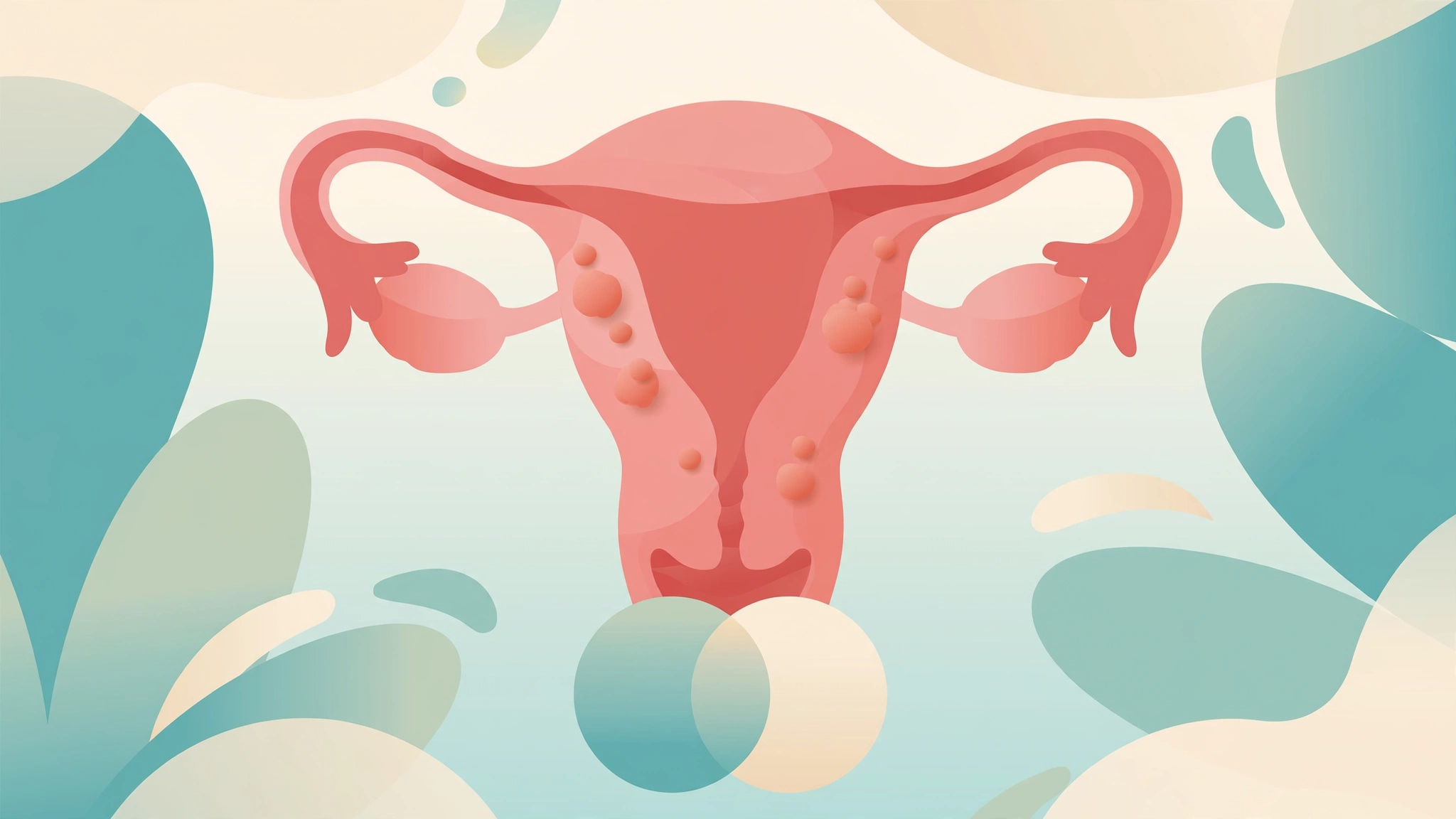
Whether fibroids cause pain during sex depends mainly on two things: their size and their location. A small fibroid tucked away on the outer surface may never bother you, while a larger one near the cervix can make penetration genuinely painful. Here is how each type influences the picture:
- Submucosal fibroids grow into the inner uterine cavity. They are most famous for causing heavy bleeding, but they can also make the uterus tender and contribute to cramping after sex.
- Intramural fibroids grow within the muscular wall of the uterus. When they sit in the upper region (the fundus), they are the most frequent cause of deep pelvic pain during intercourse, according to research in The Journal of Sexual Medicine.
- Subserosal fibroids grow on the outer surface. Large ones press on nearby pelvic nerves and organs, producing a constant dull pressure that penetration can intensify.
- Cervical fibroids grow near the cervix, at the end of the vaginal canal. These are the most likely to cause sharp pain during penetration itself, because they are vulnerable to direct impact and friction.
- Pedunculated fibroids hang from a stalk. In rare cases the stalk can twist, cutting off the fibroid’s blood supply and causing sudden, severe pelvic pain that needs urgent care.
There are also indirect mechanisms at work. Fibroids can cause pelvic floor muscle tension — the muscles around the pelvis tighten protectively against chronic pressure, and that tension itself becomes a major driver of pain during sex. Hormonal imbalances associated with fibroid growth can cause vaginal dryness, making friction uncomfortable. (If dryness is part of your story, our guide to vaginal dryness: causes and treatment covers what helps.) Mapping where the fibroids sit is the single most useful step in understanding your own pattern of fibroids and painful sex.
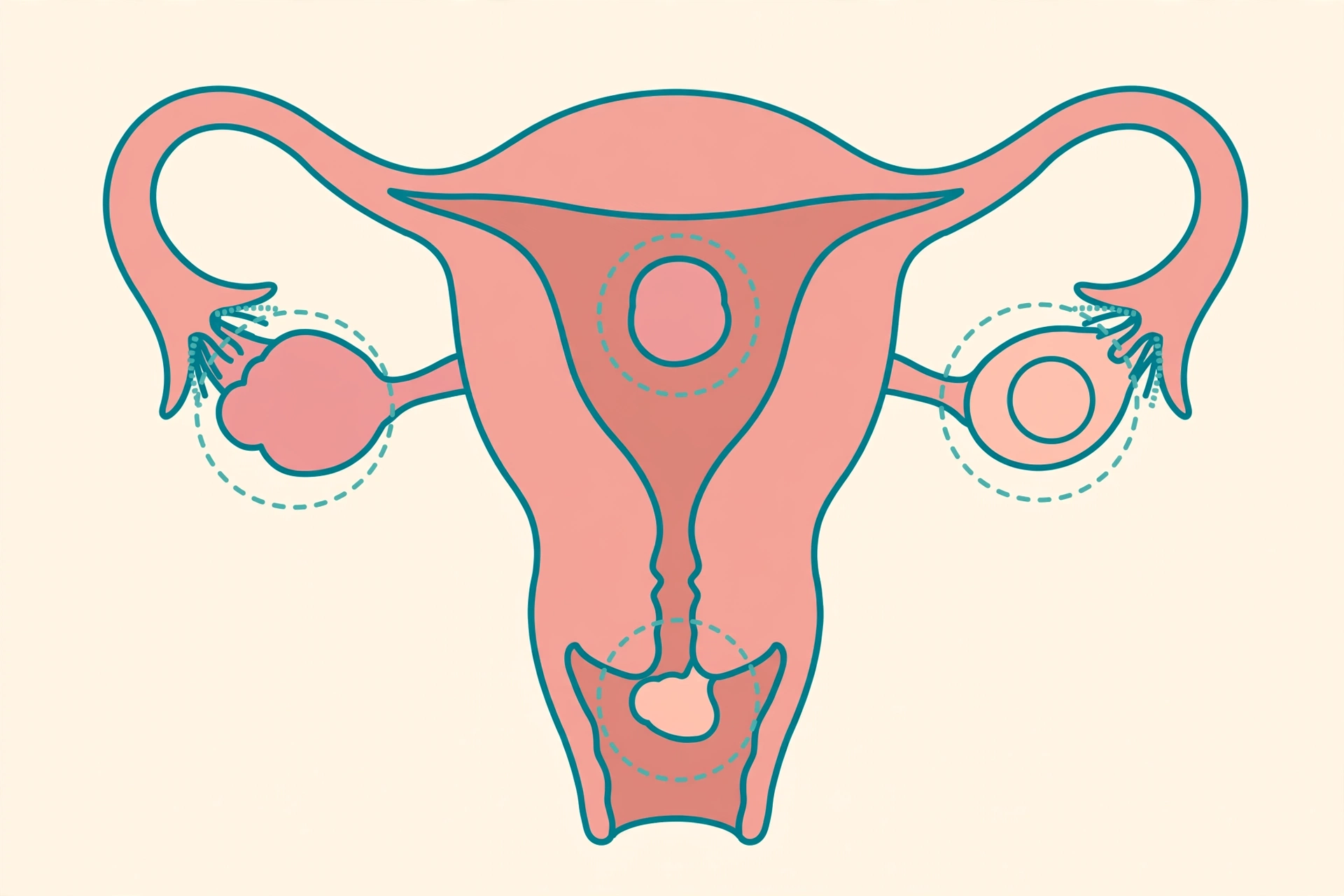
Note when the pain happens — it is a useful diagnostic clue. Pain at penetration points toward the cervix or vaginal entrance; deep aching with thrusting suggests intramural or subserosal fibroids; cramping during orgasm or hours afterward reflects uterine irritability. Jotting down this pattern before your appointment helps your doctor reach the right diagnosis faster.
Beyond Physical Pain: How Fibroids Affect a Couple’s Whole Intimate Life
The emotional side of fibroids and painful sex rarely makes it into clinic brochures, but it matters enormously to couples. Pain is only the beginning. Many women describe a cascade of effects:
When fibroids and painful sex go unaddressed for months, quiet resentment can replace desire on both sides — which is why naming the problem early protects the relationship.
- Fading desire: when sex repeatedly ends in pain, the brain starts linking intimacy with discomfort and desire fades. This is a normal protective response, not a personal failing.
- Body image strain: large fibroids can enlarge the abdomen, and months of bloating, heavy bleeding, and fatigue can leave a woman feeling anything but desirable.
- Bleeding worries: spotting or heavier bleeding after sex can cause embarrassment and make both partners anxious about initiating intimacy.
- Exhaustion from anemia: chronic heavy bleeding depletes iron stores, and the resulting fatigue can drain energy for everything — including sex.
- Distance between partners: when one person avoids intimacy without explaining why, the other often reads it as rejection. The gap widens on both sides.
None of this means your relationship is broken; it means a medical condition is getting in the way — and medical conditions can be treated. Couples facing fibroids and painful sex who understand what is happening medically almost always find it easier to stop blaming themselves or each other.
When Painful Sex Isn’t Only Fibroids: What Doctors Check
Here is something most guides to fibroids and painful sex skip: fibroids often coexist with other conditions that also cause painful sex, and treating only the fibroids may not fully resolve the pain. A careful doctor will consider several possibilities before settling on a diagnosis. Understanding this list helps you ask better questions at your appointment. Teasing apart whether fibroids and painful sex are directly linked in your case — or whether a second condition is driving the pain — is exactly what a thorough workup does.
| Condition | How it overlaps with fibroids | Clues doctors look for |
|---|---|---|
| Endometriosis | Can coexist with fibroids; also causes deep pain during sex | Painful periods since teens, pain with bowel movements during menstruation |
| Adenomyosis | Uterine lining grows into the muscle wall; often misdiagnosed as fibroids | Enlarged, tender, “boggy” uterus; severe menstrual cramps |
| Pelvic floor dysfunction | Common secondary effect of chronic fibroid pressure | Muscle tenderness on pelvic exam, pain with tampon use or exams |
| Ovarian cysts | Can cause one-sided deep pain mistaken for fibroid pain | Sudden one-sided pelvic pain, pain with certain positions |
| Vaginal dryness / hormonal changes | Hormonal shifts around fibroids worsen dryness | Burning or friction-type pain at entry rather than deep pain |
Why does this matter? Because each condition has different best treatments. Pelvic floor physical therapy, for example, can dramatically reduce pain even when fibroids are still present. If your pain persists after fibroid treatment, ask your doctor whether a pelvic floor assessment or an evaluation for endometriosis is the next step. For a broader overview of causes beyond fibroids, see our article on why sex can hurt.
Diagnosis: How Your Doctor Finds the Cause of Fibroids and Painful Sex
Most fibroids are discovered during a routine pelvic exam, when your doctor notices an enlarged or irregularly shaped uterus. From there, the typical workup includes:
- Pelvic ultrasound — the first-line imaging test. It confirms fibroids, measures their size, and maps their locations.
- MRI of the pelvis — used when ultrasound is unclear or when surgical planning is needed; it shows fibroid type and exact position in detail.
- Blood work — checks for anemia from heavy bleeding, which often needs treatment on its own.
- A careful symptom history — this is where you come in.
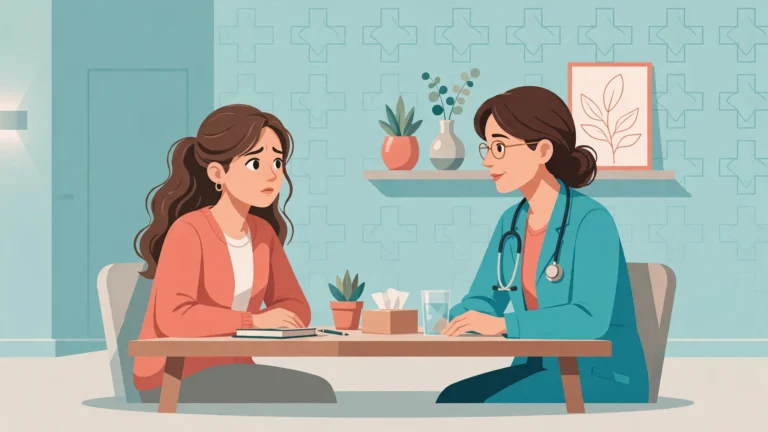
Doctors say the most useful thing a patient can bring to this appointment is a short pain journal: for two to four weeks, note when pain occurs (during penetration, deep thrusting, after orgasm, hours later), its character (sharp, dull, crampy, burning), the cycle day, and any bleeding. Also note which positions feel better or worse. This simple record often reveals the pattern behind your fibroids and painful sex — and it shows your doctor you are taking the symptom seriously, which makes it easier to have a frank conversation about intimacy. A clear two-week timeline of your fibroids and painful sex symptoms is often more revealing than any single scan.

Treatment Options Compared: What Doctors Recommend for Fibroids and Painful Sex
There is no single “right” treatment for fibroids and painful sex — the best choice depends on the fibroid’s size and location, how severe your symptoms are, your age, and crucially, whether you plan to have children. Here is an honest comparison of what doctors typically discuss. The best choice for fibroids and painful sex also depends on how the pain behaves — constant pressure, pain only with deep penetration, or cramping afterward each point in a different direction.
| Treatment | What it involves | Effect on painful sex | Fertility notes |
|---|---|---|---|
| Watchful waiting | Monitoring small, mild fibroids without intervention | May be fine if pain is minimal | No impact |
| Medications / hormonal IUD | Hormonal therapies that reduce bleeding and may shrink fibroids | Often reduces cramping and bleeding-related pain | Usually reversible; discuss timing with your doctor |
| Uterine fibroid embolization (UFE) | Minimally invasive procedure that blocks blood flow to fibroids, shrinking them | Many women report major improvement in pain during sex | Generally not recommended if you plan future pregnancy — ask a specialist |
| Myomectomy | Surgical removal of fibroids while preserving the uterus | Good relief when fibroids were the cause; recovery takes weeks | Preserves the uterus; often the choice for women planning pregnancy |
| Hysterectomy | Removal of the uterus; the definitive cure for fibroid symptoms | Ends fibroid pain permanently, but recovery is significant | Permanent end of fertility; usually reserved for severe cases |
Most fibroid websites gloss over fertility — but it deserves its own conversation. UFE is effective and minimally invasive, but because it affects blood flow to the uterus, most specialists advise against it if you plan a future pregnancy. Myomectomy preserves fertility, but fibroids can recur. If having children matters to you, say so explicitly at your first consultation — it changes the recommendation. Also ask about recovery timelines for resuming sex after any procedure; doctors typically advise waiting several weeks, and following that guidance protects your healing.
For mild symptoms, doctors often start conservatively: anti-inflammatory medicines around the time pain is expected, a hormonal IUD to lighten bleeding, pelvic floor physical therapy for muscle tension, and lifestyle measures such as maintaining a healthy weight. Only when these are insufficient do they move toward procedures. The NHS fibroids overview offers a balanced summary of these stepped options.
For Partners: How to Talk About Fibroids and Painful Sex and Stay Close
If you are the partner of a woman dealing with fibroids and painful sex, your role matters more than you might think. Many women say the hardest part is not the pain itself but the fear of disappointing their partner.
Start the conversation outside the bedroom. A calm, neutral moment works best. Try framing it around the medical facts you now share: “I read that fibroids can make sex painful depending on where they are. Can you tell me what it feels like for you?” Listening without defensiveness does more than any technique.
Believe the pain. Fibroids are invisible from the outside, and pain that comes and goes can look suspicious to a partner who has never felt it. Dismissing it — even unintentionally — shuts down communication and increases anxiety, which tightens pelvic muscles and makes the next attempt worse.
Couples navigating fibroids and painful sex often say that simply naming the problem out loud — “this is a medical issue, not a rejection” — lifted half the pressure.
Adapt together, without pressure. Practical adjustments many couples find helpful include allowing more time for arousal and using a good-quality lubricant to reduce friction, since dryness often accompanies fibroids. Positions that limit deep penetration or let the woman control depth and angle tend to hurt less; a pillow under the hips can change the pelvic angle enough to avoid a tender spot. On difficult days, closeness, massage, and non-penetrative intimacy all count.
Go to the appointment together if she is comfortable with it. Partners who hear the doctor’s explanation firsthand stop guessing, ask better questions, and become genuine allies in treatment decisions.
Fibroids and Painful Sex: FAQs
Can fibroids cause pain during sex?
Yes. Depending on their size and location, fibroids can cause pain during sex — especially fibroids near the cervix or large ones pressing on pelvic nerves and organs. About 1 in 5 women with fibroids experiences painful intercourse. If pain is new or worsening, have it evaluated rather than assuming it is normal.
Can my partner feel my fibroids during sex?
Sometimes, but not usually. Very large fibroids can create a sense of firmness or fullness that a partner might notice, particularly with submucosal or large intramural fibroids. Most of the time, however, your partner cannot feel the fibroids themselves — what they may notice is your discomfort. Open communication helps far more than worrying about this.
Do fibroids cause bleeding after sex?
They can. Fibroids near the cervix may bleed from friction and pressure during intercourse, and submucosal fibroids are linked to fragile uterine blood vessels. Mention light spotting at your next appointment. Heavier bleeding, bleeding lasting more than a day or two, or bleeding with dizziness warrants a prompt call to your doctor to rule out other causes.
Will treating fibroids make sex less painful?
For most women whose pain is truly driven by fibroids, yes. Shrinking or removing the fibroids relieves the pressure and bleeding behind the pain. Improvement is usually gradual over the weeks and months after treatment as fibroids shrink and tissues heal. If pain persists after treatment, ask about pelvic floor physical therapy or evaluation for coexisting conditions like endometriosis. Because fibroids and painful sex so often travel together, bring this symptom up even if your doctor does not ask about it directly.
Is it safe to have sex when I have fibroids?
Yes, it is generally safe — fibroids are benign and sex will not make them grow or spread. The main question is comfort, not safety. Adapt with lubrication, gentler positions, and honest communication rather than pushing through pain. See your doctor if pain is regular, severe, or accompanied by bleeding.
Can fibroids affect my libido or ability to orgasm?
Yes, both directly and indirectly. Pain during sex can inhibit the physical and emotional responses that lead to orgasm, and chronic discomfort often lowers desire. Heavy bleeding can cause anemia-related fatigue that further dampens libido. Many women find that desire and responsiveness improve noticeably once the fibroids are treated and pain resolves.
A Final Word for Couples
Living with fibroids and painful sex can strain even strong relationships — but it does not have to define them. The pain has a medical explanation, and that explanation points to real treatments. Track your symptoms, talk openly with each other, and bring the conversation to your doctor without embarrassment. Painful sex is common, it is treatable, and you deserve a plan — not silence.
Remember: fibroids and painful sex are medical issues with medical solutions — not verdicts on your relationship.
Medical disclaimer: This article is for educational purposes only and is not medical advice. Fibroid symptoms vary widely between individuals, and only a qualified healthcare professional who examines you can diagnose your condition or recommend treatment. Do not start, stop, or change any medication or treatment based on this article. If you experience severe pelvic pain, heavy bleeding, dizziness, or other concerning symptoms, consult your doctor or seek medical care promptly.