Vaginismus Explained: Symptoms and Treatment Options
Vaginismus is a medical condition that affects an estimated 1 to 7 percent of women worldwide, yet it remains one of the least discussed topics in women’s health. Because so many people never mention it — even to their doctors — the true prevalence is likely higher. Understanding vaginismus symptoms treatment options begins with understanding the condition itself: involuntary tightening of the pelvic floor muscles around the vaginal opening that makes penetration painful or impossible. The good news, confirmed by large treatment studies, is that vaginismus is highly treatable, with success rates above 90 percent when care follows established clinical guidelines.
What Is Vaginismus?
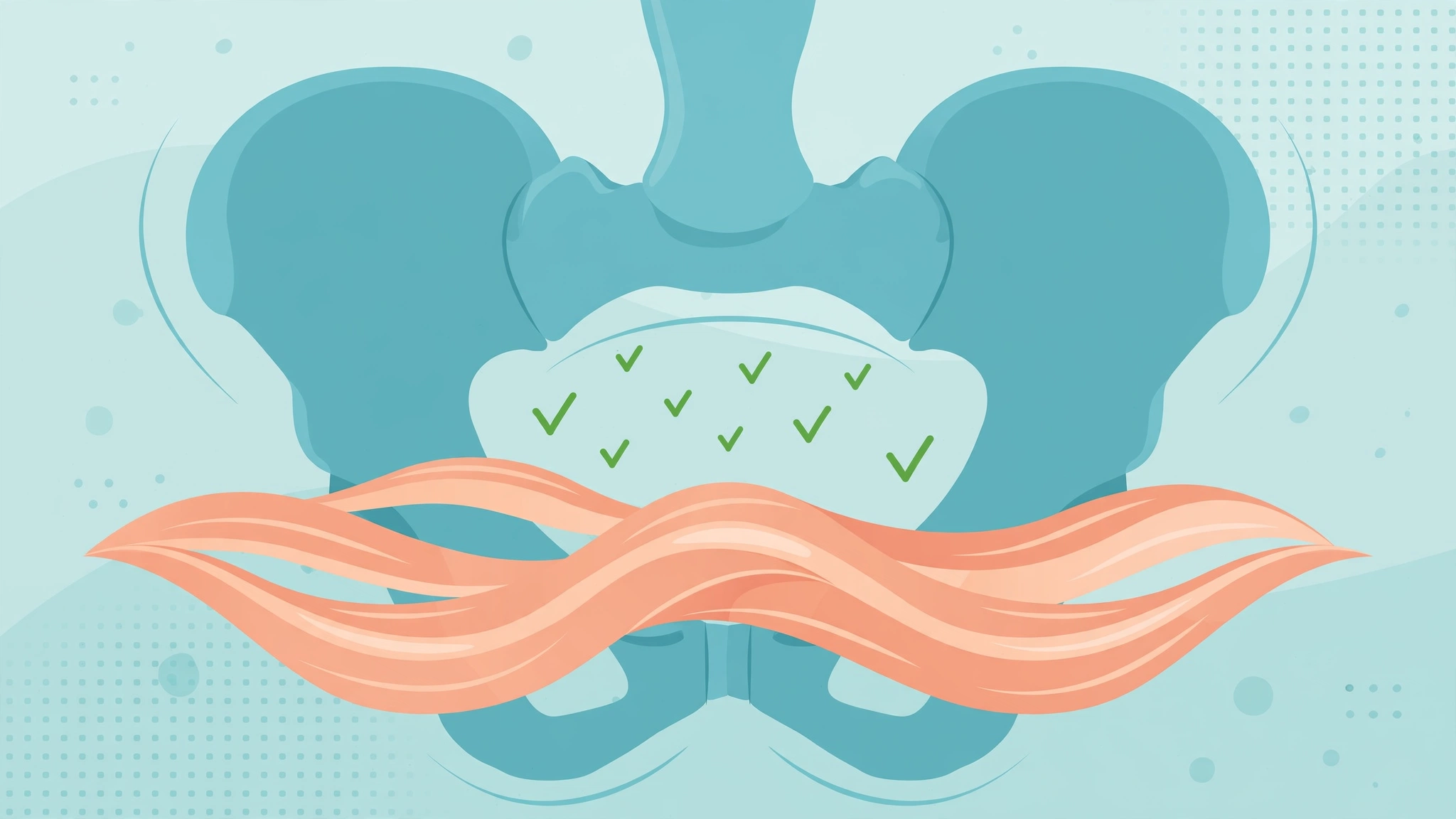
Vaginismus is an involuntary spasm or tightening of the muscles around the outer third of the vagina — specifically the pelvic floor and perineal muscles — in response to attempted vaginal penetration or even the anticipation of it. The key word is involuntary: the tightening happens reflexively, beyond conscious control. It is not a choice, a sign of low interest, or a reflection on a partner, and it has nothing to do with willpower.
In the Diagnostic and Statistical Manual of Mental Disorders (DSM-5), clinicians classify vaginismus under genito-pelvic pain/penetration disorder (GPPPD): persistent difficulty with vaginal penetration accompanied by pain, fear, or muscle tension lasting at least six months and causing meaningful distress.
Clinicians divide vaginismus into two categories. Primary vaginismus is lifelong: a woman has never achieved vaginal penetration without pain — not with a partner, a tampon, or a medical exam. Secondary vaginismus develops after a period of normal, pain-free penetration, often following childbirth, pelvic surgery, infection, menopause, or a difficult event. Both respond well to structured vaginismus symptoms treatment.
Recognizing Vaginismus Symptoms
Spotting vaginismus symptoms early makes treatment simpler, because the fear-tension cycle has had less time to strengthen. The hallmark is pain or impossibility of vaginal penetration linked to pelvic-floor muscle spasm. Common symptoms include:
- Pain during attempted penetration, often described as burning, stinging, or tearing
- The sensation of “hitting a wall” — penetration feels blocked at the vaginal entrance
- Difficulty inserting a tampon or menstrual cup
- Pain or inability to tolerate a gynecological examination or Pap smear
- Generalized tightening of the pelvic floor, thighs, or abdomen when penetration is anticipated
- Fear or anxiety about penetration that builds before any attempt
- Loss of sexual desire or avoidance of intimacy over time
Symptoms vary widely. Some women experience vaginismus in every situation with every object, while others have situational vaginismus — pain-free tampon use, for example, but pain with a partner. Importantly, vaginismus does not usually affect arousal or the ability to experience orgasm through other forms of stimulation; it specifically affects penetration. Clinicians stress that vaginismus is a recognized medical condition — and one of the most responsive to treatment in all of sexual medicine.
What Causes Vaginismus?
Doctors do not attribute vaginismus to a single cause. The modern understanding is that physical and emotional factors combine and reinforce each other, creating a pain-fear-tension cycle: pain leads to fear, fear tightens the muscles, tension causes more pain. Because any of these factors can trigger the protective muscle reflex — and the reflex can persist long after the original trigger resolves — doctors assess the full picture before planning vaginismus symptoms treatment.
Physical contributors
- Vaginal infections, including yeast infections and urinary tract infections
- Menopause-related estrogen decline causing vaginal dryness and thinning
- Childbirth, including perineal tears or episiotomy, and postpartum changes
- Pelvic surgery, injury, or chronic pelvic conditions such as endometriosis
- Skin conditions affecting the vulva, such as lichen sclerosus
- Inadequate lubrication or certain medications that reduce arousal
Psychological and social contributors
- Fear of pain, pregnancy, or losing control
- Anxiety related to sexual performance or guilt
- History of sexual trauma or assault
- A painful first sexual experience or painful medical examination
- Strict or fear-based messaging about sex during upbringing
- Relationship stress or pressure around intimacy
Vaginismus vs. Lookalike Conditions: Differential Diagnosis
Doctors first rule out conditions that mimic vaginismus, because each needs different care:
Vulvodynia or vestibulodynia
- Key difference: burning or stinging pain at the vaginal entrance even without touch; muscle spasm is not the main feature
- Typical care: topical treatments, pain management, pelvic floor therapy
General dyspareunia (painful intercourse)
- Key difference: a symptom, not a diagnosis — pain without the reflexive pelvic-floor contraction
- Typical care: depends on the underlying cause
Genitourinary syndrome of menopause
- Key difference: pain driven by estrogen-related dryness and thinning, mainly after menopause
- Typical care: vaginal moisturizers, lubricants, local estrogen therapy
Endometriosis-related pelvic pain
- Key difference: deep pelvic pain from endometrial-like tissue; pain is often worse deeper in the pelvis
- Typical care: hormonal management, surgical evaluation, pain care
Getting the diagnosis right is the foundation of effective vaginismus symptoms treatment: treating an infection like vaginismus, or vaginismus like a simple infection, only delays real relief. As the International Society for the Study of Vulvovaginal Disease recommends, every woman with suspected vaginismus should also be evaluated for vulvar pain disorders.
How Doctors Diagnose Vaginismus
Diagnosis starts with a detailed medical and sexual history: when symptoms began, which situations trigger them, what the pain feels like, and what preceded it. A gentle pelvic examination usually follows, to rule out other conditions and observe the muscle response. Doctors who treat vaginismus move slowly, explain every step, and stop at any point on request. Women who cannot tolerate an exam initially may begin with education and therapy, then be examined later when ready. Once the cause is confirmed, the clinician outlines a personalized vaginismus symptoms treatment plan.
The Mayo Clinic lists muscle spasms of the vaginal wall among the recognized causes of pain at vaginal entry. If symptoms have persisted for six months or more and cause significant distress, the DSM-5 criteria for GPPPD are typically met — and a structured vaginismus symptoms treatment plan can begin.
Vaginismus Symptoms Treatment: What Doctors Recommend
Modern vaginismus symptoms treatment addresses both the muscle reflex and the fear-anxiety cycle, so care is usually multidisciplinary — combining a gynecologist or sexual-medicine physician, a pelvic floor physical therapist, and often a psychologist or sex therapist. The core options, in the order doctors typically introduce them:
1. Education and counseling
The first step in vaginismus symptoms treatment is demystifying the anatomy and the pain cycle. When patients understand that their muscles are producing a protective reflex — not a personal failing — fear decreases and treatment compliance improves. Clinicians often recommend reading about common causes of low libido, since vaginismus and reduced desire frequently coexist.
2. Progressive desensitization with vaginal dilators
This is the cornerstone of treatment and the most studied intervention. Under clinical guidance, the patient gradually introduces vaginal dilators — smooth, graduated medical devices — beginning with the smallest size. Success depends on consistency and patience, and on one firm rule: no step should cause significant pain.
- Learn to relax the pelvic floor with breathing and gentle touch near the vaginal opening
- Introduce a finger, using water-based lubricant, only when comfortable
- Progress to the smallest dilator, resting it in place for 10 to 15 minutes so the muscles adapt to pressure without pain
- Move up through larger sizes at the patient’s own pace
- Involve the partner in later stages if desired
- Transition toward comfortable penetration when ready
Success depends on consistency and patience — and on the firm rule that no step should cause significant pain. Pain-free progress is the goal at every stage.
3. Pelvic floor physical therapy
A pelvic floor physiotherapist teaches muscle control in both directions: strengthening is rarely the issue, so therapy emphasizes relaxation — releasing chronic tension, improving breathing mechanics, and using biofeedback so patients can see and feel when the muscles are gripping versus releasing. Many women work through much of their program with a therapist before continuing independently.
4. Cognitive behavioral therapy and sex therapy
When fear, anxiety, trauma history, or negative beliefs about sex feed the reflex, CBT helps patients identify and reframe unhelpful thought patterns, while sex therapy addresses the couple’s intimacy more broadly — including communication, pacing, and reducing performance pressure. Research shows treatment works better when both partners participate.
5. Adjunctive medical options
Doctors may recommend water-based lubricants or vaginal moisturizers to reduce friction. For carefully selected severe cases, specialists sometimes use botulinum toxin (Botox) injections into the pelvic floor muscles to temporarily reduce spasm — a 2019 research review suggested benefit, though more study is needed. Surgery is almost never required for vaginismus itself and is reserved for rare anatomical problems that mimic its symptoms.
Treatment success rates are consistently high: studies report roughly 90 percent or more of women achieving comfortable penetration after completing a structured program. A small 2021 study found that 85 of 91 women with primary vaginismus — across all severity levels — achieved pain-free intercourse after treatment.
What Treatment Looks Like: A Realistic Timeline
One of the most common questions about vaginismus symptoms treatment is how long recovery takes. There is no fixed schedule — mild cases may resolve in weeks, long-standing or severe cases in several months. Comparing your timeline to someone else’s is unhelpful; progress within your own program is what matters.
Weeks 1–2: Understanding and calming
Education sessions, learning to identify and relax the pelvic floor, breathing techniques, and — where relevant — beginning counseling. Many women notice their anxiety about penetration drops simply from understanding the mechanism — an encouraging early sign in any vaginismus symptoms treatment program.
Weeks 3–6: Gentle desensitization begins
Progressive touch exercises and the first dilator sizes, often with pelvic floor therapy sessions every week or two. Tolerating the smallest dilator without pain is a genuine clinical milestone at this stage of vaginismus symptoms treatment, even if it seems small.
Weeks 6–12: Steady progression
Moving through dilator sizes and practicing consistently at home (usually daily or several times per week). Many women with mild-to-moderate vaginismus reach their goals in this window with consistent vaginismus symptoms treatment practice at home.
Months 3–6+: Consolidation
Transitioning from dilators to partner penetration and addressing any remaining anxiety. Setbacks — a painful week, a stalled size — are normal; the program simply pauses and resumes. The research flags two factors worth knowing: vaginismus symptoms treatment works better when patients do not blame themselves, and consistent daily practice matters more than any single clinic session.
How Partners Can Support Recovery
Partner support measurably improves vaginismus symptoms treatment outcomes. Doctors recommend the following:
- Approach it as a team project. Framing treatment as something the couple manages together removes pressure and blame from both sides.
- Remove the penetration deadline. Agree that there is no timeline and no requirement to attempt intercourse on any particular date. Pressure is the enemy of relaxation.
- Keep intimacy alive. Treatment programs include “sensate focus” — structured, non-demanding touch that maintains closeness without performance goals. Intimacy does not have to pause during recovery.
- Communicate plainly. The partner needs to hear what hurts, what helps, and when to stop — and the patient needs to say it without guilt. Many couples benefit from discussing this with a sex therapist.
- Celebrate small milestones. Tolerating a new dilator size or completing a therapy session is real progress.
- Manage your own feelings. Partners often feel rejected, frustrated, or worried about causing pain. These feelings are valid, and a therapist can help both partners process them.
With patience and open communication, vaginismus symptoms treatment becomes a shared journey rather than a source of stress.
When to See a Doctor
See a gynecologist, urologist, or sexual-medicine specialist if penetration is consistently painful or impossible, if tampons or pelvic exams cannot be tolerated, or if fear about penetration is affecting your relationship or emotional health. Seek care promptly if pain is sudden and severe, or comes with bleeding, discharge, fever, or urinary symptoms — these may signal an infection or another condition needing urgent attention. Delaying vaginismus symptoms treatment tends to deepen the fear cycle, so earlier evaluation is better.
Many women start the conversation with their family doctor or a women’s health physiotherapist, then accept a specialist referral. If discussing it feels uncomfortable, remember that clinicians who treat sexual pain do so every day — there is nothing to be embarrassed about.
FAQs
These are the questions doctors hear most often about vaginismus symptoms treatment:
Can vaginismus be cured?
Yes — vaginismus is one of the most treatable sexual pain conditions. Studies report success rates of 90 percent or higher for achieving comfortable penetration after a structured program combining desensitization, pelvic floor therapy, and counseling. Many women resolve symptoms fully and need no ongoing care.
What does vaginismus feel like?
Most women describe a burning or stinging sensation at the vaginal entrance, or the feeling of “hitting a wall” that blocks penetration. The pelvic floor and thigh muscles may visibly tighten. Pain usually stops when the attempt stops, though anxiety about the next attempt often builds afterward.
How long does vaginismus treatment take?
It varies with severity: mild cases may improve in weeks; long-standing or severe cases often need three to six months of consistent practice. What matters is regular, pain-free progression, not speed. Clinicians advise against setting deadlines — pressure can slow recovery.
Can I still get pregnant if I have vaginismus?
Vaginismus does not affect ovulation, egg quality, or the ability to carry a pregnancy — it affects penetration. Some women conceive once treatment succeeds; others conceive with assisted techniques recommended by their fertility doctor. Discuss family planning openly with your gynecologist.
Can I treat vaginismus at home without seeing a doctor?
Home exercises — pelvic floor relaxation, breathing practice, dilator desensitization — are central to treatment, but doctors recommend starting with a professional evaluation first. A clinician must rule out lookalike conditions and tailor the program, and a pelvic floor therapist teaches the techniques correctly.
Can vaginismus come back after successful treatment?
Recurrence is possible but uncommon after thorough treatment. It is more likely after long gaps without penetration, following childbirth, pelvic surgery, or a new traumatic experience. Women who have completed treatment already know the techniques — a brief “refresher” round of vaginismus symptoms treatment usually restores progress quickly.
If penetration has become painful or frightening, do not wait and hope it resolves on its own — book an appointment with your doctor or a pelvic floor specialist and start with a proper evaluation. You can also explore our guide to the common causes of low libido, since desire and pain so often influence each other.
This article is for educational purposes only and is not medical advice. Vaginismus and related conditions should be evaluated and treated by a qualified healthcare professional. Always consult your doctor, gynecologist, or a licensed pelvic floor therapist before starting any treatment program, and never use medication — including topical products or injections — except as prescribed or recommended by your own clinician.