
Urinary Incontinence and Sex: Managing Leaks With Confidence
Leaking urine during intimacy is far more common than most people realize — and one of the least discussed topics in sexual health. If you live with urinary incontinence and sex has quietly become a source of anxiety rather than pleasure, you are not alone. Research suggests that up to 60 percent of women who live with urinary incontinence also experience leakage during sexual activity, yet most never mention it to a partner or a doctor out of embarrassment. This guide explains why leaks happen during sex, what the medical evidence says, and the practical steps — from pelvic floor training to medical treatments — that can help you manage leaks with confidence.
Urinary Incontinence and Sex: Understanding the Link
Doctors use the term coital incontinence to describe involuntary urine leakage that happens during sexual activity. It is distinct from everyday leaks triggered by coughing, sneezing, or exercise, because the triggers are the physical pressures and muscle contractions involved in intimacy. Understanding urinary incontinence and sex as a clinical topic — rather than a personal failure — is the first step toward solving it.
Studies consistently show that this is a widespread experience. Around one in four sexually active women report some leakage during sex, and the figure climbs to roughly 60 percent among women who already live with urinary incontinence, according to data reported by the National Association for Continence. The true number is likely higher, because embarrassment keeps many people from ever reporting it.
Leaks can occur at different moments, and the timing often points to the underlying cause:
| When Leakage Happens | Likely Cause | What Helps |
|---|---|---|
| During penetration | Pressure on a weakened pelvic floor (stress incontinence) | Pelvic floor strengthening, positional adjustments |
| During orgasm | Involuntary bladder muscle spasms (overactive bladder) | Bladder training, medications your doctor may discuss |
| Both | Mixed incontinence — both mechanisms at work | Combined approach: exercises plus medical review |
Why Leaks Happen During Sex
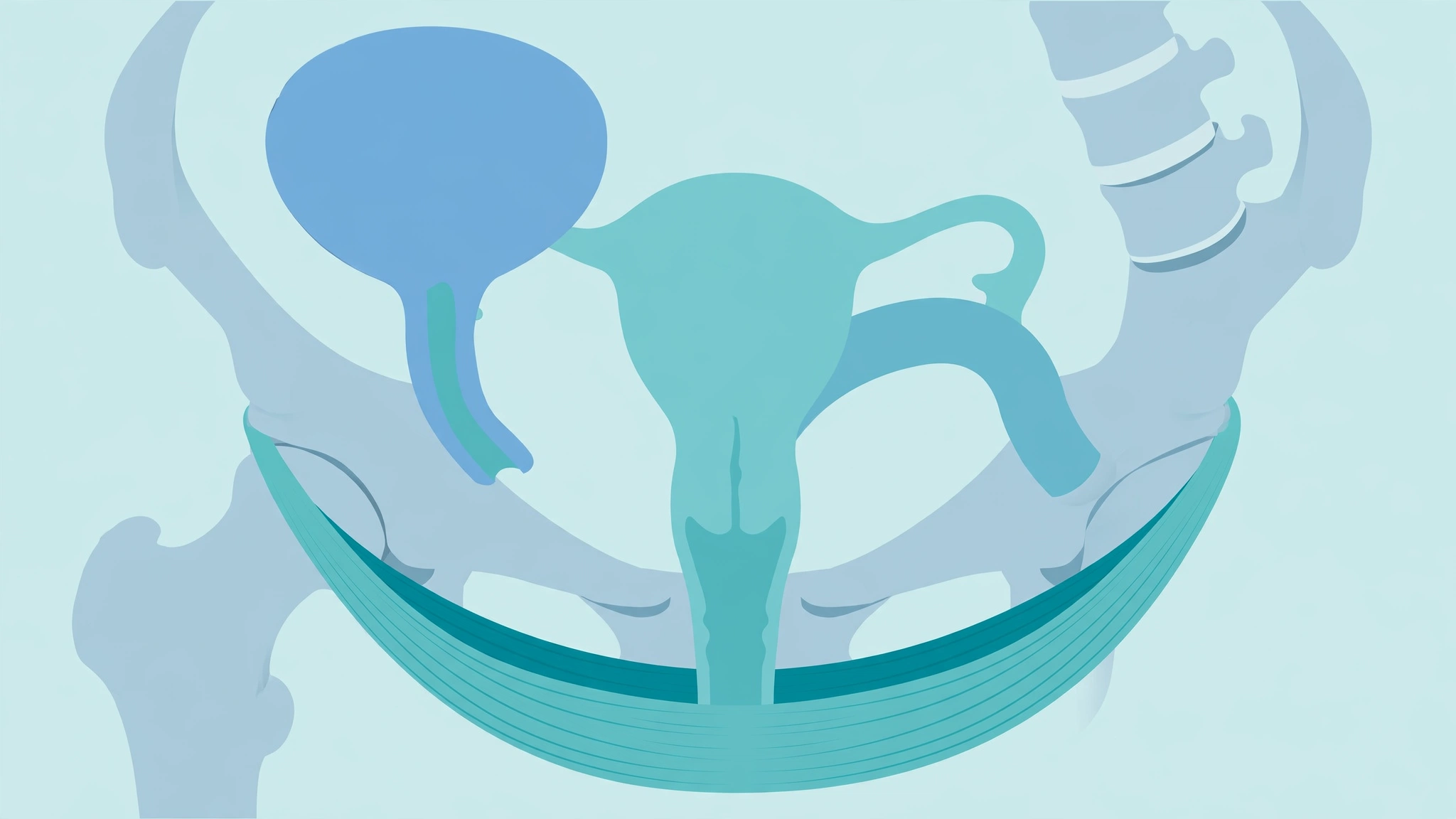
The relationship between urinary incontinence and sex is mostly mechanical. The pelvic floor — a hammock-like layer of muscles supporting the bladder, uterus, and bowel — can be weakened by childbirth, abdominal surgery, chronic coughing, obesity, or the hormonal changes of menopause. When those muscles cannot keep the urethra firmly closed, the pressure and movement of sexual activity can push urine past the sphincter.
With orgasm, the story is slightly different. Climax involves rhythmic contractions of pelvic muscles, and in people with an overactive bladder, the detrusor (bladder wall) muscle can spasm involuntarily at the same time, releasing urine. This is sometimes called orgasmic incontinence, and it is more closely tied to urge-type incontinence than to muscle weakness.
Common contributing factors that clinicians look for include:
- Weakened pelvic floor muscles after vaginal childbirth, multiple pregnancies, or surgery
- Menopause-related estrogen decline, which thins and weakens pelvic tissues
- Overactive bladder with urgency and frequent daytime or nighttime trips to the toilet
- Chronic constipation, which increases abdominal pressure on the bladder
- Excess weight, which raises baseline pressure on the pelvic floor
- Bladder irritants such as caffeine, alcohol, carbonated drinks, and artificial sweeteners
- Certain medications, including some blood pressure drugs and diuretics — worth reviewing with your doctor
According to the Mayo Clinic, urinary incontinence is common but never an inevitable part of aging, and most cases can be improved with simple lifestyle changes or medical care.
Climacturia in Men: The Overlooked Side
Most articles about urinary incontinence and sex focus entirely on women, but men are affected too — and the male experience is almost never discussed. Climacturia, leakage of urine during orgasm, is reported by a significant proportion of men after radical prostatectomy (prostate removal surgery). Estimates from urological studies range widely, but many clinicians report that up to half of post-prostatectomy patients experience some degree of climacturia in the first year after surgery.
If you are a man recovering from prostate treatment and leakage is affecting your sex life, raise it directly with your urologist — it is an expected post-surgical issue with established management strategies (see also our couples guide to BPH and sexual function).
How Leaks Affect Confidence, Desire, and Relationships
When urinary incontinence and sex become linked in your mind with embarrassment, the psychological fallout often does more damage than the leak itself. Studies link coital incontinence with reduced sexual desire, lower arousal, decreased satisfaction, and in some cases painful intercourse (dyspareunia). Many people begin avoiding intimacy altogether — and avoidance, not the leak, is what slowly erodes a relationship.
If urinary incontinence and sex have become a source of dread in your relationship, breaking the cycle of avoidance is the single most important step you can take.
The impact extends to partners. A peer-reviewed review of the research found that male partners of women with any type of urinary incontinence reported decreased overall sexual function, lower satisfaction, less frequent intercourse, and higher rates of erectile difficulties compared with partners of women without incontinence. Yet the same review found a striking detail: among partners who were aware of the leakage, 65 percent did not consider it the main problem affecting their sexual health. In other words, the person leaking usually suffers far more than the partner does.
This is why clinicians consistently describe open communication as a treatment in its own right. Fear of a partner’s reaction is almost always worse than the reaction itself — and hiding the issue creates the emotional distance that partners actually notice. A practical approach to rebuilding connection through shared exercises can be found in our couples intimacy exercises guide.
A Practical Plan for Managing Leaks During Sex
Managing urinary incontinence and sex is rarely about one single fix. Doctors typically recommend a layered plan that starts with simple, low-risk steps and escalates only if needed. Here is the framework most pelvic health specialists suggest.
The encouraging news is that urinary incontinence and sex respond well to the same strategies doctors recommend for everyday leaks.
Step 1: Build a Pre-Intimacy Routine
Clinicians commonly recommend emptying your bladder shortly before intimacy and tapering fluids — particularly caffeine and alcohol — in the two to three hours beforehand. Keep a dark-colored towel or washable waterproof pad on the bed so that a small leak is a non-event rather than a crisis. Removing the worst-case scenario often restores enough confidence to relax — and relaxation itself reduces urgency symptoms.
These small preparations go a long way toward easing urinary incontinence and sex anxiety.
Step 2: Strengthen the Pelvic Floor
Pelvic floor muscle training — Kegel exercises — is the first-line treatment for stress-type leakage and has evidence behind it for improving sexual function too. The NHS recommends the following technique:
- Identify the right muscles by imagining you are stopping the flow of urine (do this only as a one-time test, not as exercise).
- Tighten the pelvic floor, squeeze and lift for a slow count of up to 10, then relax fully.
- Also practice quick squeezes — tighten and release immediately — which train the muscles that respond to sudden pressure.
- Aim for three sets of eight squeezes, three times a day — many people do one set at each meal.
- Do them for at least three months before judging the results; pelvic floor strength builds slowly.
Key mistakes to avoid: holding your breath, squeezing your buttocks or thighs instead of the pelvic floor, and doing the exercises while actually urinating (this can interfere with bladder emptying). If you cannot feel a squeeze at all, or experience pain, ask your doctor for a referral to a pelvic floor physiotherapist — supervised training produces better results than self-taught routines.
Step 3: Reduce Pressure During Intimacy
Positions that minimize direct pressure on the bladder can meaningfully reduce leakage. For couples navigating urinary incontinence and sex, side-lying positions are frequently recommended by clinicians because they reduce abdominal and bladder pressure compared with positions where one partner bears weight on the other’s lower abdomen. Beyond mechanics, maintaining a relaxed, unhurried pace helps: tension and rushing increase pelvic muscle spasms, while relaxation supports better bladder control.
Step 4: Retrain the Bladder and Adjust Lifestyle
For urge-type leaks, bladder training is a standard first-line therapy: start by voiding on a set schedule (for example, every two hours), then extend the interval by 15 minutes each week until you can comfortably go three to four hours. Avoid “just in case” trips to the toilet, which train the bladder to signal at low volumes.
Lifestyle measures that reduce overall leakage tend to reduce sexual leakage too:
- Limit bladder irritants: caffeine, alcohol, carbonated drinks, artificial sweeteners, and very spicy foods
- Maintain a healthy weight — even modest weight loss can reduce stress incontinence symptoms
- Treat constipation, since straining increases abdominal pressure on the bladder
- Quit smoking — chronic coughing repeatedly strains the pelvic floor
- Review medications with your doctor if leaks began after starting a new prescription
Every measure that improves daytime bladder control also makes urinary incontinence and sex easier to manage.

Medical Treatments to Discuss With Your Doctor
If conservative steps do not resolve urinary incontinence and sex-related leaks, doctors have evidence-based options to discuss — never to self-prescribe:
- Pelvic floor physiotherapy: supervised programs using biofeedback can succeed where home exercises alone have not.
- Overactive-bladder medications: doctors may discuss anticholinergics or beta-3 agonists, which calm bladder spasms and increase capacity. Side effects (e.g. dry mouth) make the decision individualized.
- Vaginal estrogen (postmenopause): can strengthen urethral and vaginal tissues, often discussed as part of genitourinary care after menopause.
- Bladder Botox injections: for refractory overactive bladder, an outpatient procedure that relaxes the bladder muscle for six to nine months.
- Sacral neuromodulation: a small implanted device modulating bladder-brain nerve signals, reserved for cases unresponsive to other treatments.
- Midurethral sling surgery: for severe stress incontinence, supporting mesh under the urethra. Success rates are high, and studies show it can improve partners’ sexual satisfaction too.
A useful rule from pelvic medicine: treat the underlying incontinence type, and the sexual leakage usually improves along with it — which is why addressing urinary incontinence and sex concerns starts with treating the bladder itself.
The PISQ-12: A Self-Assessment to Bring to Your Doctor
One resource most online articles never mention is the PISQ-12 — the Pelvic Organ Prolapse/Urinary Incontinence Sexual Function Questionnaire. This is a validated 12-question clinical tool that urologists and urogynecologists use to measure exactly how bladder and prolapse symptoms affect sexual life, covering desire, arousal, orgasm, pain, leakage during activity, and emotional reactions like shame or fear.
You cannot formally score yourself without a clinician, but the questions make an excellent conversation starter. Two of the items ask directly whether you leak during sexual activity and whether fear of leakage restricts your sex life — precisely the concerns many patients struggle to voice. Before your appointment, consider completing a three-day bladder diary (fluid intake, voiding times, leaks, and triggers), which doctors consistently cite as the single most useful thing a patient can bring. Arriving with a diary and these topics already named turns an awkward visit into a productive one.
Despite its usefulness, few mainstream articles mention the PISQ-12 — yet it remains the best-validated way to discuss urinary incontinence and sex with a clinician.
Talking to Your Partner About Leaks
Discussing urinary incontinence and sex with a partner is consistently ranked by patients as the hardest part — and by clinicians as the most important. Sexual health experts advise having the conversation outside the bedroom, framed positively: it is a common, treatable medical issue, not a confession. Many partners are relieved simply to understand what is happening, and practical agreements (a towel on the bed, a pause if needed) turn a feared moment into a managed one.
Many couples discover that once urinary incontinence and sex are discussed openly, the conversation itself was far harder than the reality.
If you are dating someone new, some clinicians suggest treating the conversation as useful information about a partner: an understanding, matter-of-fact response tells you something positive. If shame or anxiety around intimacy feels entrenched, a few sessions with a sex therapist or couples counselor — ideally one experienced with pelvic health — can help both partners adjust. Remember the data point from the research: partners are far less troubled by the leak than the person experiencing it.
When to See a Doctor
You do not need to wait until urinary incontinence and sex problems feel severe — early assessment usually means simpler treatment. Book an appointment with your doctor or a urologist/urogynecologist if:
- Leaks during sex are new, frequent, or getting worse
- Leakage is affecting your relationship or emotional wellbeing
- You notice blood in the urine, pain or burning when urinating, or fever — these can signal infection or other conditions
- Onset was sudden, especially alongside back pain, numbness, or leg weakness (possible nerve involvement)
- You cannot tell whether the fluid is urine or something else — a clinician can clarify quickly
- Home measures (pelvic floor exercises, bladder training, lifestyle changes) have not helped after three months
FAQs
Is it normal to leak urine during sex?
Yes — leaking during sex is a recognized medical condition called coital incontinence, and it is far more common than people assume. Roughly one in four sexually active women report it, and the rate is much higher among people who already live with urinary incontinence. It is underreported because of embarrassment, not because it is rare, and it is highly treatable.
Normalizing urinary incontinence and sex as a medical topic — rather than a source of shame — is the first step toward getting effective help.
Is sex safe if I have urinary incontinence?
In most cases, yes. Urologists emphasize that urinary incontinence and sex can safely coexist — intimacy does not damage the bladder or make incontinence worse, with the rare exception of certain prolapse conditions your doctor would identify. Many people avoid sex out of fear, but avoidance is unnecessary and can strain a relationship. Talk to your doctor if you are unsure. Reassurance from your own clinician can make urinary incontinence and sex feel safe again.
Can Kegel exercises really stop leaking during sex?
Kegel exercises are the evidence-based first-line treatment for stress-type leakage, including leakage during intimacy. The catch is technique and consistency: three sets of eight squeezes daily for at least three months, with correct muscle isolation. If home exercises fail, supervised pelvic floor physiotherapy has significantly better outcomes.
Consistent pelvic floor training is the cornerstone of managing urinary incontinence and sex concerns at home.
Is leaking during sex the same as female ejaculation?
No. Female ejaculation involves fluid released from the Skene’s glands, typically associated with pleasure, while coital incontinence is involuntary urine loss from the bladder caused by pressure or muscle spasms. They can be confused because both involve fluid release during intimacy. Emptying your bladder before sex helps clarify which is occurring — if leakage persists with an empty bladder, discuss it with your doctor.
How do I bring up leaking during sex with my partner?
Choose a calm moment outside the bedroom and frame it as a common, treatable medical issue rather than a confession. Be specific about what helps — a towel handy, a pause if needed. Research shows partners are usually far less bothered by the leak than the person experiencing it, and openness consistently improves both intimacy and treatment outcomes.
Framing urinary incontinence and sex as a health topic keeps the conversation factual and low-pressure for both of you.
When should I see a doctor about leaking during sex?
See a doctor if leaks are frequent, worsening, or affecting your quality of life or relationship — or if you notice red flags like blood in the urine, pain, fever, or sudden onset. Bring a three-day bladder diary noting fluid intake, voiding times, and leak triggers; it is the single most useful thing you can prepare. Most cases improve with treatment, so early assessment pays off.
Leaking during intimacy does not have to define your sex life. With the right information, a practical routine, and a frank conversation with your partner and your doctor, most people manage urinary incontinence and sex successfully — and many find that addressing the issue openly brings them closer. With patience and the right strategies, urinary incontinence and sex can comfortably coexist with a satisfying intimate life. If this guide was helpful, explore our related articles on pelvic and sexual wellness, and consider booking a check-up to discuss your options. The first step is simply starting the conversation.
Medical disclaimer: This article is for educational purposes only and is not medical advice. Urinary incontinence and sexual health concerns vary from person to person; always consult a qualified healthcare professional for diagnosis and treatment tailored to your situation. If you experience severe symptoms, seek medical care promptly.