Cervicitis: Causes, Symptoms, and Treatment
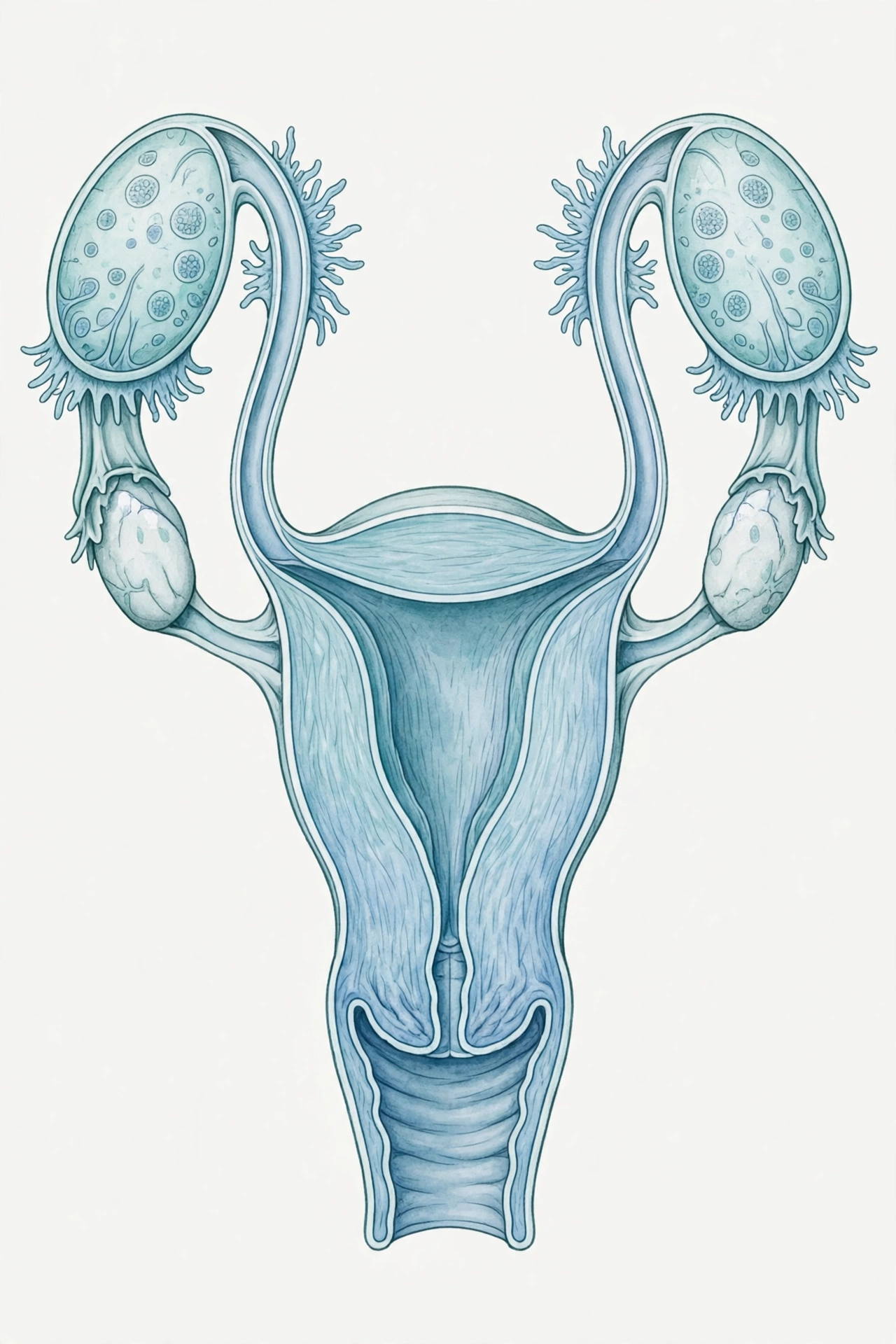
Cervicitis is the medical term for inflammation of the cervix, the narrow lower portion of the uterus that opens into the vagina. Understanding cervicitis causes treatment options matters because this condition is common, often silent, and highly treatable when identified early, yet it can lead to serious complications if left unaddressed. Whether inflammation stems from an infection, an irritant, or another underlying cause, the right diagnosis guides the right treatment, and most people recover fully within a few weeks.
This guide covers everything the leading medical resources discuss, plus the angles they often miss: how acute and chronic forms differ, how to tell cervicitis apart from similar conditions, what actually happens at the diagnostic appointment, what to do if symptoms persist, and how to handle partner notification and pregnancy planning. The goal is simple: the most complete, practical resource on cervicitis available. This cervicitis causes treatment guide is written to answer the questions patients ask most, from first symptoms to full recovery.
What Is Cervicitis?
The cervix acts as a gateway between the vagina and the uterus. When its delicate tissue becomes inflamed, the result is cervicitis. The condition exists on a spectrum: some people have no symptoms at all and only learn about it during a routine pelvic exam, while others experience noticeable discharge, bleeding, or pelvic discomfort. Because symptoms overlap with several other gynecologic conditions, professional evaluation is the only reliable way to identify it. A clear cervicitis causes treatment overview makes it easier to ask your clinician the right questions.
Acute vs. Chronic Cervicitis: Know the Difference
Clinicians generally classify cervicitis into two forms. Recognizing which form you may be dealing with helps explain why treatment approaches differ, a distinction many general health articles gloss over.
| Feature | Acute Cervicitis | Chronic Cervicitis |
|---|---|---|
| Onset | Sudden, often days after exposure | Gradual; may persist for months |
| Typical cause | Infection, most often an STI | Long-term irritation, allergies, or trauma |
| Symptoms | Usually noticeable: discharge, bleeding, pain | Often mild or absent; vague pelvic discomfort |
| Duration | Resolves within days to weeks with treatment | Can linger without removing the underlying trigger |
| Treatment focus | Target the specific infection | Remove the irritant; manage inflammation |
Chronic cervicitis deserves special attention because it is frequently misattributed to infection alone. If a course of antibiotics has not resolved your symptoms, the cause may be non-infectious, and a different strategy is needed.

Causes of Cervicitis
The cervix can become inflamed for many reasons. Identifying the underlying cause is the single most important step in choosing effective treatment. This cervicitis causes treatment breakdown starts with the most common trigger: infection.
Sexually Transmitted Infections
STIs are the most common cause of cervicitis, particularly the acute form. The leading culprits include:
- Chlamydia: the single most frequent infectious cause, and often completely silent. Learn more about how it presents in chlamydia symptoms in women.
- Gonorrhea: a bacterial infection that can damage reproductive organs if untreated.
- Trichomoniasis: a parasitic infection that commonly causes discharge and inflammation.
- Genital herpes (HSV): a viral infection that can cause sores and recurring cervical irritation.
- Mycoplasma genitalium: an emerging, underrecognized bacterial cause of persistent cervicitis that does not respond to some standard antibiotics, and one that many general articles fail to mention.
Bacterial Imbalance
An overgrowth of bacteria that normally live in the vagina, known as bacterial vaginosis, can trigger cervical inflammation. This happens when the natural microbial balance is disrupted, allowing less beneficial bacteria to dominate.
Allergic Reactions and Sensitivities
Some cases of cervicitis result from sensitivity to products used in or around the vagina, including latex condoms, spermicides, feminine hygiene sprays, douches, and fragranced soaps or washes. These substances can inflame cervical tissue even without any infection present. In these cases, cervicitis causes treatment means identifying and avoiding the trigger.
Chemical and Physical Irritation
Devices and objects can physically irritate the cervix, particularly with prolonged or improper use: tampons, menstrual cups, diaphragms, and vaginal pessaries. Frequent vaginal exams or gynecologic procedures, and trauma during childbirth, can also contribute. In rarer cases, chronic cervicitis has been linked to systemic inflammatory conditions such as lichen planus or lupus.
Symptoms of Cervicitis
Cervicitis frequently causes no symptoms. When symptoms do appear, they may include:
- Unusual vaginal discharge that is heavier than normal, possibly gray, white, yellow, or greenish, and sometimes with an unpleasant odor
- Spotting or bleeding between periods, especially bleeding after sexual activity
- Pain or discomfort during intercourse
- Burning or pain during urination, or needing to urinate more often
- Vaginal itching, irritation, or redness
- Pelvic or lower abdominal discomfort
Because these symptoms overlap with several other conditions, self-diagnosis is unreliable. A clinical exam with laboratory testing is the only way to confirm cervicitis and identify its cause. Recognizing these signs early is the first step in any cervicitis causes treatment plan.
How Cervicitis Differs From Similar Conditions
One of the most useful, yet least covered, topics is how cervicitis compares to conditions that feel similar. This comparison helps you have a more informed conversation with your clinician.
| Condition | Where It Occurs | Key Distinguishing Features |
|---|---|---|
| Cervicitis | Cervix | Bleeding after sex or between periods; cervix appears red or swollen on exam |
| Vaginitis | Vagina | Itching and irritation dominate; discharge changes, but post-intercourse bleeding is uncommon |
| Pelvic inflammatory disease (PID) | Uterus, fallopian tubes, ovaries | Abdominal pain and fever; a complication that untreated cervicitis can progress into |
| Urinary tract infection (UTI) | Bladder, urethra | Burning urination without vaginal discharge or bleeding |
If your symptoms include fever or significant abdominal pain, seek care promptly, as these can signal PID, which requires urgent treatment. For a fuller picture of that condition, see our guide to PID symptoms and signs.
How Cervicitis Is Diagnosed: What to Expect at the Appointment
Many people delay care because they are unsure what the visit involves. Knowing the process in advance reduces anxiety. Your cervicitis causes treatment journey begins with an accurate diagnosis, which is why the visit follows four clear steps.
1. History and discussion. Your clinician will ask about your symptoms, menstrual cycle, contraception, and sexual history, including recent partners. Honest answers lead to accurate testing; clinicians ask these questions routinely and without judgment.
2. Pelvic exam. Using a speculum, a smooth instrument that gently holds the vaginal walls open, the clinician visually inspects the cervix. An inflamed cervix may look red, swollen, or irritated, and may bleed easily when touched. Pus-like discharge may be visible. These findings guide your cervicitis causes treatment choices.
3. Sample collection. Similar to a Pap smear, a small swab or brush collects fluid from the cervix. The sample goes to a laboratory to test for chlamydia, gonorrhea, trichomoniasis, bacterial vaginosis, and sometimes Mycoplasma genitalium. A urine test or blood work may also be ordered.
4. Results and next steps. Modern laboratory tests typically return results within a few days. However, if the exam strongly suggests cervicitis and you have risk factors for an STI, your clinician may start your cervicitis causes treatment immediately rather than waiting, adjusting the plan when results arrive.
If you are nervous about discussing sexual health with a clinician, our article on how to talk to your doctor about sex offers practical guidance.
Cervicitis Treatment: What to Expect
Treatment depends entirely on the cause identified through testing, which is why the cervicitis causes treatment picture looks different for each patient.
Treatment for Infection-Related Cervicitis
When an infection is responsible, medication clears it. Completing the full cervicitis causes treatment course your clinician prescribes prevents recurrence:
- Bacterial infections such as chlamydia, gonorrhea, and trichomoniasis are treated with antibiotics selected for the specific organism. Because Mycoplasma genitalium can resist some common antibiotics, persistent cases may require specific testing and a tailored regimen.
- Viral infections such as genital herpes are managed with antiviral medication, which controls outbreaks and reduces transmission risk, though herpes itself is not curable.
- Bacterial vaginosis contributing to cervical inflammation is treated with appropriate antimicrobial therapy.
Symptoms typically begin improving within a few days of starting the right treatment. If PID is also present, a longer course is required, often around two weeks. Sticking to your cervicitis causes treatment schedule gives the best results.
Treatment for Non-Infectious Cervicitis
When irritation or allergy is the cause, treatment centers on removing the trigger: switching away from latex condoms, stopping douching or fragranced products, or removing a foreign body such as a tampon or diaphragm left in too long. Once the irritant is gone, inflammation usually settles on its own. Cervicitis caused by trauma or an IUD generally heals within days to a few weeks once the underlying issue is addressed, and avoiding intercourse until symptoms improve helps prevent further irritation.
Partner Treatment and Notification
If an STI caused your cervicitis, treating your partner or partners is not optional; it is essential. An untreated partner will simply reintroduce the infection, creating a cycle of reinfection that neither of you can break alone. Partner care is a critical, often overlooked part of the cervicitis causes treatment process.
- All recent sexual partners should be tested and treated, even if they have no symptoms.
- Avoid sexual contact until treatment is complete for everyone involved and your clinician confirms it is safe to resume.
- Be direct and factual when notifying a partner: name the infection, explain that it is treatable, and suggest where they can get tested. For conversation scripts and practical tips, see STI partner notification tips.
Complications of Untreated Cervicitis
Cervicitis is straightforward to treat, but ignoring it carries real risks. These risks show why completing your cervicitis causes treatment matters:
- Pelvic inflammatory disease (PID): infection can spread upward to the uterus, fallopian tubes, or ovaries, causing chronic pelvic pain and, in severe cases, requiring surgery.
- Fertility problems: PID-related scarring can lead to infertility or increase the risk of ectopic pregnancy, a life-threatening condition in which a fertilized egg implants outside the uterus.
- Increased STI and HIV risk: an inflamed cervix is more vulnerable to acquiring or transmitting other infections, including HIV.
- Pregnancy complications: untreated infection-linked cervicitis during pregnancy is associated with preterm labor, low birth weight, and newborn infection.
Recovery, Retesting, and When Symptoms Persist
Most cases resolve within one to two weeks of appropriate treatment. To support full recovery, follow your cervicitis causes treatment plan through retesting to prevent recurrence:
- Take all prescribed medication exactly as directed, even if you feel better before finishing.
- Return for follow-up testing if you had an STI, particularly chlamydia or gonorrhea. Retesting is typically recommended around three months after treatment, since reinfection is common.
- Contact your clinician if symptoms do not improve within a few days, or if they return after treatment.
Persistent cervicitis, where inflammation remains after standard treatment, warrants a deeper workup. When standard cervicitis causes treatment has not worked, possible explanations include an untreated partner, a resistant organism such as Mycoplasma genitalium, an unrecognized irritant, or a non-infectious cause like chronic irritation from a device. In these cases your clinician may repeat testing with broader panels, review products and devices you use, and consider referral to a specialist.
Cervicitis and Pregnancy Planning
If you are planning a pregnancy, discuss any history of cervicitis and your cervicitis causes treatment with your clinician beforehand. Confirming that infections are fully cleared before conception reduces risks to both pregnancy and the newborn. During pregnancy, regular prenatal care and STI screening are especially important, since untreated cervical infections raise the likelihood of early labor and low birth weight. Cervicitis itself is treatable during pregnancy under medical supervision.
How to Prevent Cervicitis
While not every case is preventable, these evidence-based steps substantially reduce risk. Prevention works hand in hand with cervicitis causes treatment to lower your future risk:
- Use condoms consistently and correctly during vaginal, anal, and oral sex.
- Limit the number of sexual partners, and avoid sex with anyone showing signs of infection such as sores or unusual discharge.
- Get tested for STIs regularly, and ask partners to do the same.
- Consider HPV vaccination if you have not received it; see who needs the HPV vaccine for current guidance.
- Skip douching, scented feminine hygiene sprays, and fragranced soaps around the genital area; use only gentle, unscented products.
- Follow instructions for tampons, menstrual cups, and diaphragms, and never leave them in longer than directed.
- Keep up with routine pelvic exams and Pap tests, which can detect cervical changes before symptoms appear.

Frequently Asked Questions
What is the main cause of cervicitis?
Sexually transmitted infections, especially chlamydia and gonorrhea, are the most common causes. Knowing the cause shapes your cervicitis causes treatment plan. Non-infectious causes include allergic reactions to latex or spermicides, chemical irritants such as douches, physical irritation from devices, and vaginal bacterial imbalance.
Can cervicitis go away on its own?
Mild non-infectious cervicitis may settle once an irritant is removed, but infection-related cervicitis will not reliably resolve without cervicitis causes treatment and risks progressing to pelvic inflammatory disease. A clinical evaluation is the safe path.
How long does cervicitis treatment take to work?
With the right cervicitis causes treatment, symptoms usually begin improving within a few days, with full resolution in one to two weeks. If pelvic inflammatory disease is also present, treatment may take several weeks to fully clear the infection.
Do I need to tell my partner if I have cervicitis?
If an STI is the cause, yes. Recent sexual partners need testing and cervicitis causes treatment to prevent reinfection, and you should avoid sexual contact until everyone has completed treatment and your clinician confirms it is safe to resume.
Can cervicitis affect fertility?
Cervicitis itself is treatable, but untreated infection can spread to the upper reproductive tract and cause pelvic inflammatory disease, which can lead to scarring, infertility, or ectopic pregnancy. Early cervicitis causes treatment protects fertility.
Is cervicitis the same as cervical cancer?
No. Cervicitis is inflammation of the cervix, while cervical cancer is a malignant disease most often linked to persistent high-risk HPV infection. However, because abnormal bleeding can occur with both, any unexplained bleeding should be evaluated, and regular cervical screening remains important.
Can I get cervicitis more than once?
Yes. Treated cervicitis rarely returns on its own, but a new infection from a partner, a new irritant exposure, or an untreated underlying trigger can cause it to recur. Consistent prevention and prompt cervicitis causes treatment reduce the risk.
When to See a Doctor
Make an appointment if you notice new or changed vaginal discharge, bleeding between periods or after intercourse, or recurring pain during intercourse. Seek care promptly if symptoms include fever or abdominal pain, as these may indicate a spreading infection. Regular gynecologic checkups remain the best way to catch cervicitis early, since many cases cause no symptoms at all. Prompt evaluation means your cervicitis causes treatment can start sooner.
Medical disclaimer: This article is for educational purposes only and is not medical advice. It does not diagnose any condition or replace evaluation by a qualified clinician. If you have symptoms or concerns about cervicitis, consult a qualified healthcare professional for personalized guidance. Never disregard professional medical advice or delay seeking care because of something you have read here. Information on treatments is general in nature; specific medication decisions, including drug choice and course length, must be made by your clinician.
For further reading, the Centers for Disease Control and Prevention (CDC) publishes current sexually transmitted infection treatment guidelines that clinicians follow when managing cervicitis.