Adenomyosis Explained: Symptoms, Painful Sex, and Treatment Options
Understanding adenomyosis painful sex symptoms starts with a simple but little-known fact: many women live with an enlarged, inflamed uterus for years before anyone names the cause. Adenomyosis is a common uterine condition that can cause severe period pain, heavy bleeding, chronic pelvic aching, and — crucially — pain during sex. Because its symptoms overlap with endometriosis and fibroids, it is frequently misdiagnosed or missed entirely. This guide explains what adenomyosis is, why it makes sex painful, how doctors tell it apart from lookalike conditions, and what treatment options actually work — so you and your doctor can build a plan with confidence.
What Is Adenomyosis?
The uterus has two main layers. The endometrium is the inner lining that thickens each month and sheds during menstruation. The myometrium is the thick muscular wall around it — the muscle that contracts powerfully during labor.
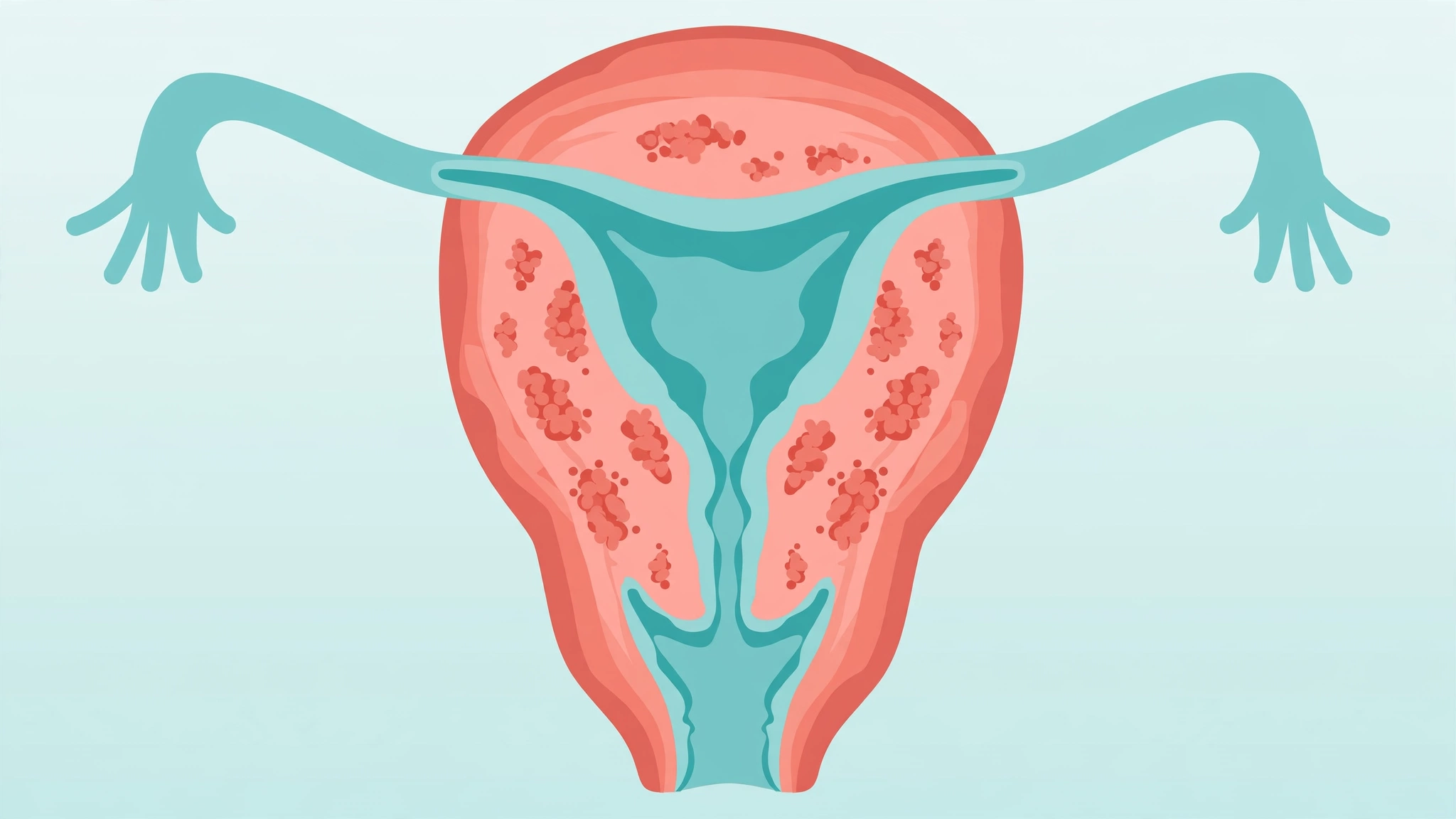
Adenomyosis happens when tissue similar to the endometrial lining grows into the myometrium, the muscular wall of the uterus. This trapped tissue behaves exactly like the normal lining: it thickens, swells, and tries to bleed with every menstrual cycle. But unlike the lining inside the uterine cavity, it has nowhere to go. The result is inflammation, bleeding inside the muscle wall, and a uterus that becomes enlarged — sometimes doubling or tripling in size — tender, and boggy.
Clinicians distinguish two patterns:
- Diffuse adenomyosis: the most common type, where endometrial tissue is scattered throughout the uterine muscle, causing general enlargement and a rounded, “globular” uterus.
- Focal adenomyosis: a localized pocket or nodule of tissue within the wall. It can look so much like a fibroid on imaging that the two are frequently confused — and distinguishing them matters, because treatments differ.
The exact cause remains unknown, but researchers point to several theories: endometrial cells migrating into the muscle through micro-tears from childbirth or uterine surgery, developmental misplacement of cells during fetal growth, inflammation after pregnancy, or even bone-marrow stem cells transforming within the muscle. One fact is well established: the disease is estrogen-dependent, which is why symptoms typically improve after menopause when estrogen levels fall. Risk factors include being over 30 (most diagnoses happen between 35 and menopause), prior childbirth, previous uterine surgery such as a C-section or fibroid removal, and having endometriosis alongside.
Adenomyosis Painful Sex Symptoms: Why Sex Hurts
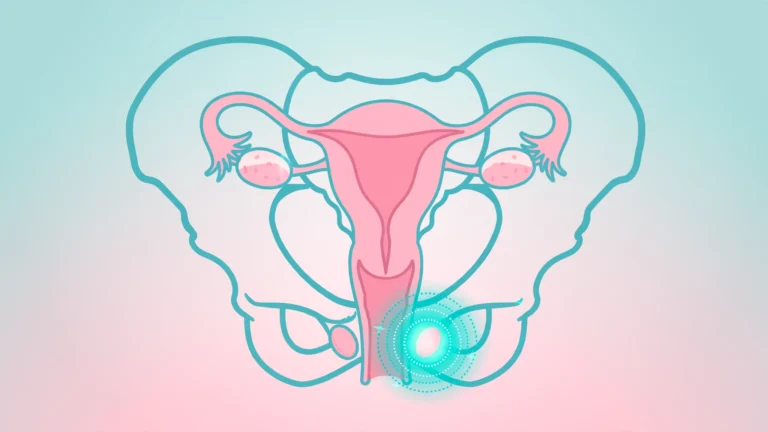
Among the most distressing adenomyosis painful sex symptoms is dyspareunia — medical shorthand for pain during intercourse. Doctors consistently describe a characteristic pattern: the pain is worst with deep penetration, rather than at the vaginal opening. That pattern makes sense once you picture the anatomy: an enlarged, inflamed uterus sits directly above the vagina. Deep thrusting pushes against that tender, swollen organ, and a uterus whose muscle wall is chronically inflamed responds with sharp or aching pain.
Several features help distinguish this from other causes of painful sex:
- Timing in the cycle: many women notice the pain is worse around menstruation, when the trapped tissue swells and bleeds — the whole organ is at its most inflamed and tender.
- Deep rather than entry pain: entry pain points more toward vulvodynia or vaginismus; deep pain points toward the uterus or ovaries.
- Lingering ache after sex: a dull pelvic ache that persists for hours after intercourse is commonly reported with adenomyosis.
- Bleeding after sex: contact with the inflamed uterus can trigger light spotting in some women.

Full Symptom Checklist
Besides the classic adenomyosis painful sex symptoms, women with adenomyosis commonly report:
- Heavy, prolonged bleeding (menorrhagia): soaking through pads hourly, periods lasting longer than seven days — the single most common symptom and a frequent route to iron-deficiency anemia.
- Bleeding between periods or irregular cycles.
- Chronic pelvic pain that does not fully resolve between periods.
- Bloating and abdominal fullness — an enlarged uterus can create a visible, persistent belly swelling some women call the “adenomyosis belly.”
- Uterine tenderness noticeable during a pelvic exam.
- Difficulty conceiving or staying pregnant, including higher reported rates of miscarriage and preterm birth.
- Fatigue and shortness of breath from anemia caused by heavy bleeding.
Importantly, some women — particularly younger ones with focal disease — have no symptoms at all, and the condition is found incidentally on imaging done for another reason. Roughly one in three people with adenomyosis is estimated to be asymptomatic.
Adenomyosis vs. Endometriosis vs. Fibroids: Telling Them Apart
Adenomyosis is one of the most confused conditions in gynecology, because two close neighbors produce nearly identical complaints. Here is how doctors separate the three:
| Feature | Adenomyosis | Endometriosis | Fibroids |
|---|---|---|---|
| Where the tissue is | Inside the uterine muscle wall | Outside the uterus (ovaries, tubes, bowel, bladder) | Benign muscle tumors in or around the uterus |
| Uterus size | Enlarged, tender, “boggy” | Usually normal size | Enlarged with firm lumps |
| Hallmark symptom | Heavy bleeding + severe cramps | Cyclic pain, bowel/bladder pain | Bleeding, pressure symptoms |
| Best imaging | Transvaginal ultrasound, MRI | Ultrasound, laparoscopy | Ultrasound |
| Definitive diagnosis | Tissue after hysterectomy (imaging is usually sufficient) | Laparoscopy with biopsy | Imaging appearance |
Why does this matter? Because coexistence is common: a woman can have adenomyosis and endometriosis at the same time, or adenomyosis plus fibroids. When that happens, symptoms stack and treatment has to address the right target. That is especially true for adenomyosis painful sex symptoms, which can persist even when a lookalike condition has been treated. If you have a diagnosis of endometriosis but your bleeding is far heavier than expected — or you have fibroids but your period pain seems disproportionate — ask whether adenomyosis has been ruled in or out. You may also find our guide on endometriosis and painful sex useful for comparison.
Why Adenomyosis Goes Undiagnosed for Years
Few conditions are as routinely underdiagnosed as adenomyosis. Several forces keep it hidden:
- Normalized suffering: many women are told their “bad periods” are just how periods are, and they stop mentioning them.
- Overlap: the symptoms mimic endometriosis, fibroids, and IBS so closely that the wrong label sticks.
- Ignored imaging findings: markers of adenomyosis can appear on an ultrasound or MRI report and never be discussed with the patient — women discover the finding later and wonder why nobody flagged it as significant.
- Historically invasive diagnosis: definitive confirmation once required a hysterectomy and tissue analysis, so doctors were reluctant to pursue the label in younger patients. Modern transvaginal ultrasound and MRI have changed that, but awareness has lagged behind.
- Insurance and access barriers: MRI is more sensitive than ultrasound for adenomyosis, yet it is not always approved or affordable, leaving some women with inconclusive scans.
The practical lesson: if your adenomyosis painful sex symptoms have been dismissed, a second opinion from a gynecologist experienced in pelvic pain is not overreacting. Ask directly, “Could this be adenomyosis?” — and bring a symptom diary (pain levels, bleeding, pain with sex, cycle day). Specific data gets better answers than general complaints.
How Doctors Diagnose Adenomyosis
There is no simple blood test, so diagnosing adenomyosis painful sex symptoms is built from three pieces (summarized from the Mayo Clinic and NHS clinical overviews):
- History and physical exam: a detailed conversation about bleeding, pain patterns, pain with sex, bowel and bladder symptoms, and fertility — followed by a pelvic exam, where a diffusely enlarged, tender uterus is highly suggestive.
- Transvaginal ultrasound: the first-line imaging test. Sonographers look for asymmetric wall thickening, small cystic spaces inside the muscle, and an enlarged, heterogeneous uterus.
- Pelvic MRI: more sensitive and specific, particularly useful when ultrasound is inconclusive or fibroids are also present. It measures the junctional zone — the boundary between the endometrium and muscle — which thickens characteristically in adenomyosis.
In some cases doctors add a hysteroscopy (direct camera views of the uterine cavity) to confirm imaging findings. True histological confirmation — finding endometrial glands inside muscle under a microscope — usually only happens after hysterectomy, but modern imaging is accurate enough that treatment decisions are routinely made without it.

Treatment Options: The Step-Up Ladder Doctors Use
Treatment for adenomyosis painful sex symptoms is not one-size-fits-all; it depends on symptom severity, age, and whether you want to preserve fertility. Doctors typically work through a step-up ladder, from least to most invasive:
1. First-line medications
- NSAIDs (such as ibuprofen-type medicines) for period and pelvic pain, used around menstruation.
- Tranexamic acid — a non-hormonal medicine that reduces heavy bleeding; clinicians may use it alone for mild symptoms or alongside hormonal treatment.
2. Hormonal therapies
- The levonorgestrel IUD (hormonal IUD): clinical guidance ranks this the preferred first-line medical treatment. It releases hormone locally into the uterus, thinning the endometrium and reducing both bleeding and pain — often for years.
- Combined or progestin-only contraceptives: pills, injections, or implants that regulate the cycle and calm symptoms.
- GnRH analogues: stronger medications that temporarily lower estrogen, creating a short-term menopause-like state. Because of bone-density effects, doctors limit duration and sometimes use them to prepare patients for fertility treatment cycles.
3. Uterus-preserving procedures
- Uterine artery embolization (UAE): a radiologist blocks the blood vessels feeding the adenomyotic tissue, shrinking the uterus and reducing bleeding and pain.
- High-intensity focused ultrasound (HIFU): focused ultrasound energy ablates areas of adenomyotic tissue without incisions.
- Adenomyomectomy: surgical removal of a focal adenomyotic mass while keeping the uterus — an option mainly for focal disease in women who want to preserve fertility, though it is technically challenging.
4. Hysterectomy
Removal of the uterus is the definitive cure — without a uterus, there is no tissue to bleed and no pain. It is reserved for severe symptoms when other treatments have failed and childbearing is complete. Many insurers cover it when deemed medically necessary.
There is no cure short of hysterectomy, but most women achieve substantial relief well before that step — the hormonal IUD alone transforms symptoms for many. The key is matching the treatment to your priorities with a doctor who understands the full ladder, not just one rung.
Living With Adenomyosis: Intimacy, Anemia, and Everyday Life
A diagnosis is the starting line, not the finish. Day-to-day management of adenomyosis painful sex symptoms — through honest communication, cycle tracking, and the right medical care — makes a real difference. These day-to-day strategies matter as much as any prescription:
- Talk to your partner early and plainly. Pain during sex is medical, not personal. Explaining the mechanics — “deep contact presses on an inflamed uterus” — removes blame from both sides and lets you plan together. Couples who can discuss painful sex openly adapt faster than couples who avoid the subject.
- Track pain against your cycle. Note which cycle days bring deep-penetration pain versus comfortable days; many couples find timing intimacy around less inflamed days helps while treatment takes effect.
- Broaden intimacy beyond penetration. Plenty of satisfying intimacy does not involve deep penetration at all. Removing the expectation reduces anxiety — and anxiety itself tightens muscles and worsens pain.
- Manage anemia actively. Heavy bleeding depletes iron; ask your doctor to check ferritin, not just hemoglobin. Persistent fatigue, hair shedding, and shortness of breath often improve once iron stores are restored alongside bleeding control.
- Heat, gentle movement, stress management. Heat therapy, light exercise, and sleep hygiene do not treat adenomyosis, but they lower the background volume of pain while medical treatment works.
- Protect your mental health. Years of unexplained pain — and pain during one of life’s most intimate acts — takes a psychological toll. Low mood and anxiety are common and treatable; mention them to your doctor the same way you mention bleeding.
FAQs
Does adenomyosis cause pain during sex?
Yes. Painful intercourse is one of the recognized adenomyosis painful sex symptoms, and it classically occurs with deep penetration because thrusting presses against the enlarged, inflamed uterus. The pain is often worse around menstruation, when the trapped tissue is most swollen, and a dull ache may linger afterward.
How is adenomyosis different from endometriosis?
Adenomyosis is tissue growing into the uterine muscle wall; endometriosis is similar tissue growing outside the uterus (on ovaries, tubes, or bowel). Both cause period pain, pelvic pain, and pain during sex, and they often coexist. Ultrasound and MRI can usually distinguish them, and knowing which you have guides treatment choices.
Can adenomyosis be treated without a hysterectomy?
Yes — most women manage adenomyosis painful sex symptoms without hysterectomy. Options include NSAIDs, tranexamic acid, the hormonal IUD (the preferred first-line treatment in clinical guidance), other hormonal therapies, uterine artery embolization, and focused ultrasound. Hysterectomy remains the only definitive cure but is reserved for severe cases after childbearing is complete.
Can you get pregnant if you have adenomyosis?
Many women with adenomyosis do conceive and carry healthy pregnancies. However, the condition is associated with implantation difficulty, higher miscarriage and preterm-birth rates, and other pregnancy complications. Early diagnosis and a tailored fertility plan — including suppressing disease activity before trying — meaningfully improve outcomes, so involve a fertility specialist early.
Will adenomyosis go away after menopause?
Usually, yes. Adenomyosis is estrogen-dependent, so symptoms typically ease significantly once estrogen levels fall after menopause. This is why doctors’ treatment goals before menopause focus on symptom control and preserving fertility or the uterus — time is, in a sense, on your side.
Does adenomyosis increase cancer risk?
No. Adenomyosis is a benign condition and does not cause or increase the risk of uterine or any other cancer. It can, however, cause chronic anemia from heavy bleeding and substantially reduce quality of life — both worth treating seriously in their own right.
The classic adenomyosis cluster — crushing cramps, heavy bleeding, a tender enlarged uterus, and adenomyosis painful sex symptoms — is manageable once it is correctly identified. Recognizing adenomyosis painful sex symptoms early is the first step toward a comfortable intimate life. If anything in this guide sounds familiar, bring a symptom diary to a gynecologist, ask specifically about adenomyosis, and discuss the step-up treatment ladder. You deserve answers, relief, and an intimate life free of pain.
Medical disclaimer: This article is for educational purposes only and is not medical advice. Adenomyosis painful sex symptoms and treatment decisions are personal — please consult a qualified healthcare professional for diagnosis and care tailored to your situation.