PrEP Side Effects: What Users Report
PrEP (pre-exposure prophylaxis) is one of the most effective tools available for reducing the risk of HIV, and millions of people around the world now take it. Yet one question comes up again and again in clinics, forums, and patient surveys: what does it actually feel like to take it? This PrEP side effects guide answers that question from the user’s perspective — what people most commonly report, how long symptoms usually last, which side effects belong to which formulation, and the practical steps that help people stay comfortable while they stay protected.
If you are still deciding whether PrEP fits your situation, our overview of PrEP vs PEP: which HIV prevention option fits your situation can help you compare the choices before you read further.
PrEP Side Effects Guide: The Four Approved Options
Most public discussion of side effects focuses on “PrEP” as a single thing, but there are now several distinct PrEP medicines, and their side-effect profiles differ. Understanding which one you (or someone you know) are taking is the first step in making sense of any symptoms.
- Truvada (emtricitabine + tenofovir disoproxil fumarate) — a daily oral tablet, approved since 2012. Also available as a lower-cost generic.
- Descovy (emtricitabine + tenofovir alafenamide) — a daily oral tablet, approved in 2019. Its kidney and bone safety profile is considered somewhat more favorable than Truvada’s.
- Apretude (cabotegravir) — a long-acting injection given by a healthcare professional, approved in 2021. Its dominant side effect is discomfort at the injection site.
- Yeztugo (lenacapavir) — a twice-yearly injection option. Early reported experience centers on injection-site reactions, similar in character to Apretude’s.
The pill formulations and the injectable formulations are different classes of drugs, so comparing their side effects head-to-head is not quite apples-to-apples. The sections below do both: describe the shared user experience, then break down what is specific to each option.
What Users Report: The “Start-Up Syndrome”
The single most consistent finding across clinical trials, user surveys, and real-world studies is this: a large proportion of PrEP users report no side effects at all. Among those who do notice something, the overwhelming majority describe a short-lived cluster of mild symptoms in the first days to weeks of treatment — something clinicians informally call “start-up syndrome.”
The classic start-up complaints are:
- Nausea or queasiness, sometimes with a reduced appetite
- Mild headache
- Loose stools or mild abdominal cramping
- General fatigue or feeling “off”
Users consistently report that these symptoms peak early and then fade. Clinical guidance typically describes them as resolving within the first one to four weeks of use, with many people noticing improvement within the first two weeks. Importantly, surveys of people who stopped PrEP in the first month show that nausea and stomach upset were among the top reasons — which makes the start-up period the highest-risk window for giving up on an otherwise highly effective prevention method. Knowing that the discomfort is temporary and expected helps many users push through it.
Common Side Effects Reported by Pill Users (Truvada and Descovy)
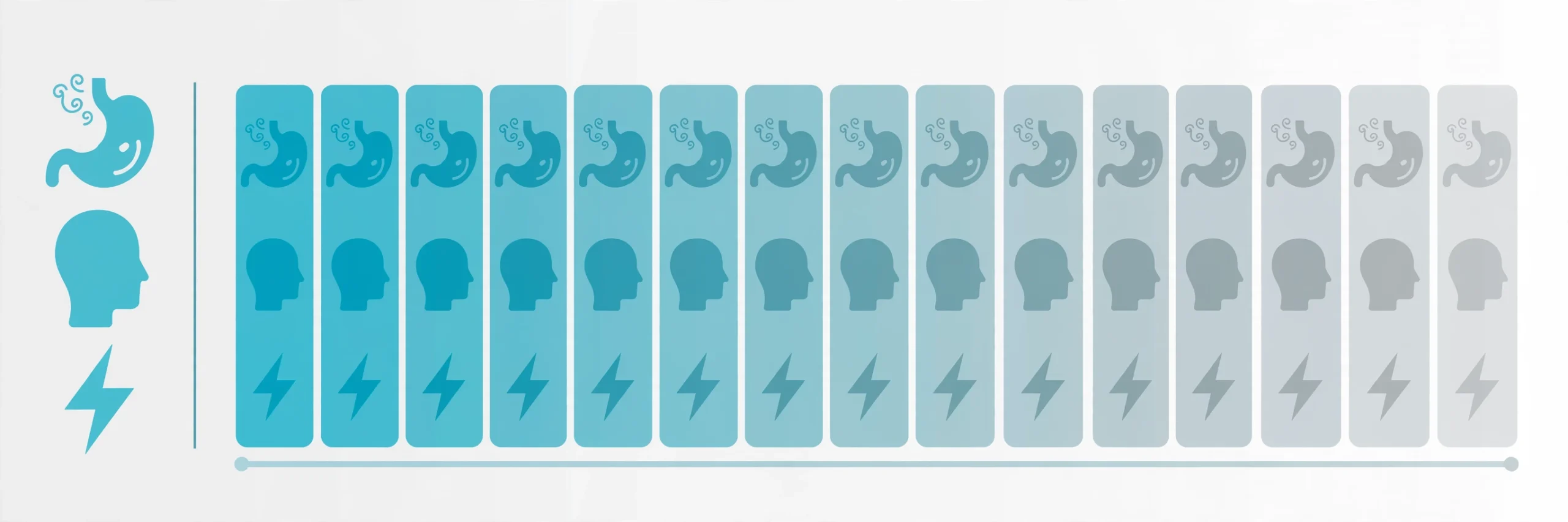
For the oral tablets, user reports line up closely with trial data. The most frequently reported effects are gastrointestinal and neurological in the mild, transient category:
- Nausea — the most commonly reported early symptom, usually mild and responsive to simple timing strategies (see the management section below).
- Headache — typically mild, most often reported in the first weeks.
- Diarrhea or soft stools — more often associated with Truvada than Descovy in user reports.
- Fatigue — described by some users as a general sluggishness that fades with continued use.
- Loss of appetite or mild abdominal discomfort — less common, but reported in patient experience surveys.
Beyond the start-up window, the oral formulations have two longer-term concerns that users should understand, even though both are uncommon and usually reversible:
- Kidney function changes. Truvada’s tenofovir component can reduce creatinine clearance in a small number of users. When this happens, it tends to be mild, non-progressive, and reversible after stopping the drug. Descovy’s formulation is considered easier on the kidneys, which is why clinicians often prefer it for patients who already have kidney concerns. This is why regular kidney bloodwork is built into every PrEP care plan.
- Bone density. Small decreases in bone mineral density have been observed in some people taking Truvada long-term, although studies have not shown an increase in fracture risk. Descovy shows less of this effect. For most healthy adults this is not a practical concern, but it is worth discussing with your clinician if you have osteoporosis or other bone risk factors.
Injectable PrEP (Apretude and Yeztugo): What Injection-Site Users Report
The injectables have a very different side-effect story from the pills. Systemic side effects such as nausea and headache are reported far less often with cabotegravir injections. Instead, the dominant user experience is injection-site reactions:
- Pain or tenderness at the injection site (the most common complaint)
- Swelling, firmness, or a small nodule under the skin
- Redness, warmth, or itching around the injection site
- Occasional bruising
Users report that these reactions are usually mild to moderate, peak within a day or two of the injection, and resolve on their own within about a week. Clinical trial participants described them as tolerable, and injection-site pain was rarely a reason people discontinued the injections. A practical tip many clinics pass on: the reaction can be less bothersome if you avoid strenuous activity using the injected muscle for a day, and a cool compress can help with soreness.
Comparing Side Effects Across Formulations
| Side effect | Truvada (pill) | Descovy (pill) | Apretude (injection) |
|---|---|---|---|
| Nausea / stomach upset | Common early | Common early | Uncommon |
| Headache | Common early | Common early | Uncommon |
| Diarrhea | Reported | Less reported | Rare |
| Fatigue | Reported | Reported | Uncommon |
| Injection-site reactions | n/a | n/a | Very common, mild |
| Kidney function changes | Possible; monitored | Lower risk | Not a characteristic concern |
| Bone density effects | Small decreases noted | Less effect | Not a characteristic concern |
| Hepatitis B flare on stopping | Possible | Possible | Not characteristic |
This table summarizes the general pattern from trials and user reports. Individual experiences vary, and your clinician’s judgment — based on your kidney function, bone health, and hepatitis B status — matters more than any table when choosing a formulation.
Rare but Serious Side Effects: What the Evidence Shows
Serious side effects from PrEP are uncommon, but this PrEP side effects guide would be incomplete without them. Knowing what to watch for is part of using the medication safely:
- Allergic reactions. Rash, swelling, or difficulty breathing are rare but require immediate medical attention. Anyone with a known allergy to a PrEP ingredient should not take that formulation.
- Liver problems. Signs can include unusual fatigue, abdominal pain, dark urine, or yellowing of the skin or eyes. Baseline and periodic liver checks are part of routine monitoring.
- Kidney problems. Decreased urine output, swelling in the legs or feet, or unusual fatigue can signal kidney issues. Routine bloodwork catches most changes long before symptoms appear.
- Hepatitis B flares. People living with hepatitis B who start and then stop Truvada or Descovy can experience a flare of their hepatitis. This is why hepatitis B testing is required before starting PrEP and why you should never stop the pills abruptly if you have hepatitis B — talk to your clinician first.
- Lactic acidosis. An excess of lactic acid in the blood is listed as a rare serious risk with the oral tablets. Deep, rapid breathing, unusual muscle pain, and persistent nausea are warning signs that warrant urgent evaluation.
For longer-term reassurance: the CDC has reported no serious problems detected in people followed on PrEP for up to five years. Like all medicines, PrEP’s benefits and risks are individual — this section describes what is possible, not what is typical.
What Monitoring Looks Like While on PrEP
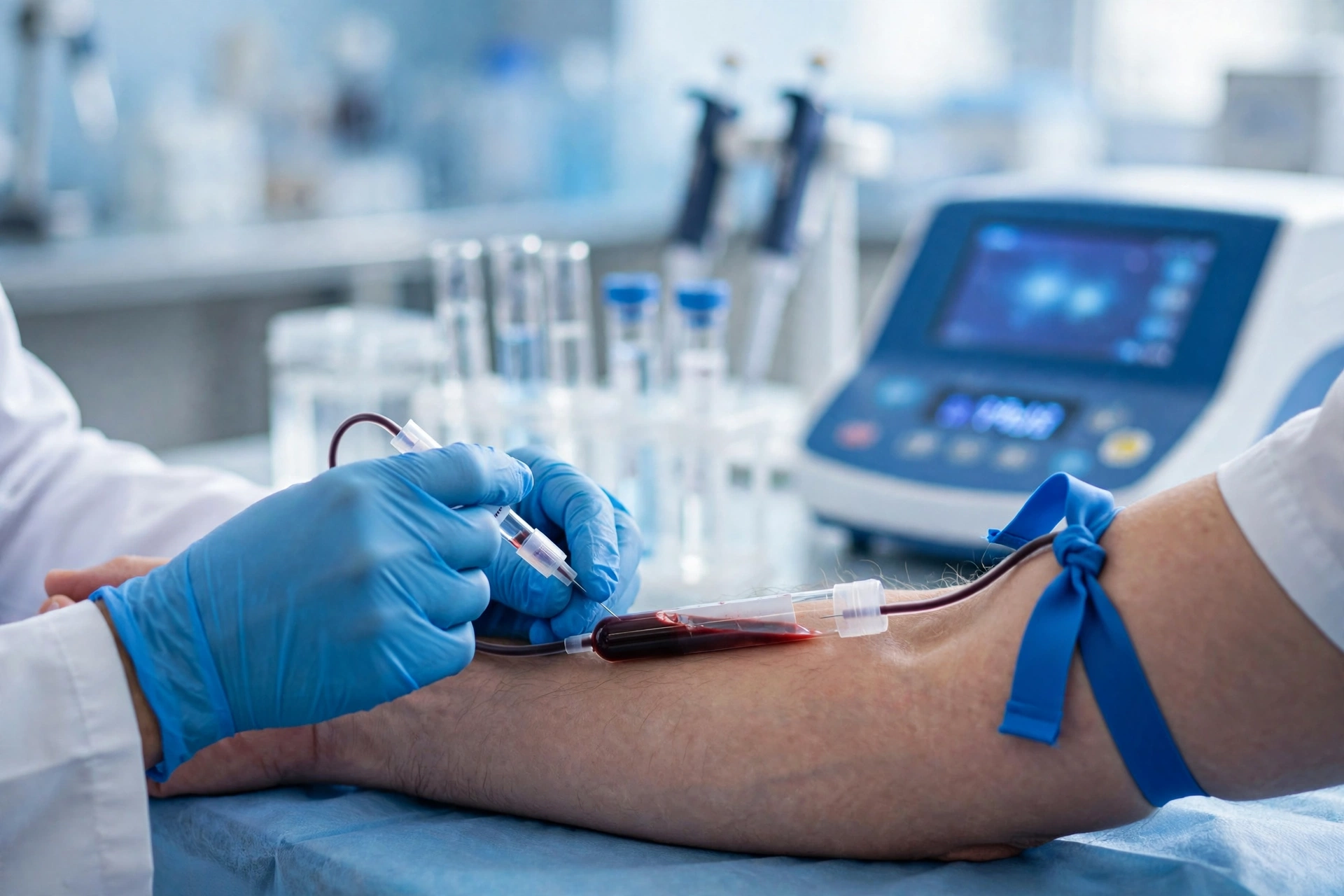
One reason PrEP’s serious side effects are rarely a practical problem is that monitoring is built into the care plan. Before starting, your clinician will order baseline tests: an HIV test (PrEP is only for people who are HIV-negative), kidney function labs, hepatitis B screening, and STI testing. If you want a refresher on what that testing involves, see our HIV testing guide: when, how, and what to expect.
Once you are on PrEP, expect check-ins at least every three months, including repeat HIV testing, kidney function bloodwork, STI screening, and — for some people — pregnancy testing. Your clinician will also ask at each visit whether side effects are bothering you and whether you are taking the medication as prescribed. These visits are the safety net: they are how kidney changes, hepatitis issues, or adherence problems get caught early, while they are easy to manage.
Managing Side Effects: Practical, User-Tested Strategies
Most start-up symptoms respond to simple adjustments. These are the strategies clinicians most often recommend, and the ones users report actually help:
- Time your dose with food or at bedtime. Taking the pill with a light snack or right before sleep makes nausea far less noticeable for many users.
- Settle the stomach gently. Ginger candy, peppermint tea, and small frequent meals are classic, low-risk nausea remedies. For gas or bloating, an over-the-counter gas reliever may help; for soft stools, a fiber supplement can add bulk.
- Stay hydrated and rest. Mild headaches and fatigue in the first weeks often improve with adequate fluids and sleep.
- Don’t skip doses because of mild symptoms. Missing doses lowers protection and, for the pills, stretches out the adjustment period. If symptoms are interfering with daily life, call your clinic before deciding to stop — they may suggest a timing change or a different formulation.
- Consider switching, not quitting. Some users who struggled with pill side effects do well on the injectable, and vice versa. Persistently bothersome symptoms are a reason to revisit the formulation choice with your clinician, not necessarily a reason to abandon HIV prevention.
- Keep your follow-up appointments. The three-month visits are when your care team reviews side effects, labs, and adherence together — bring a list of anything you’ve noticed, even if it seems minor.
Interactions and Special Situations Users Ask About
Competitor articles rarely address the practical questions users bring to forums and clinic visits. Here are the ones worth knowing:
- Other medications. Some medicines — including certain pain relievers used regularly, and drugs that also affect the kidneys — can interact with the oral tablets. Always tell your prescriber about everything you take, including over-the-counter products and supplements, so they can check for interactions.
- Gender-affirming hormone therapy. Studies have found that PrEP remains effective for people taking feminizing hormone therapy, and the two can be used together. If you use gender-affirming hormones, mention it at your PrEP visit so monitoring can be tailored appropriately.
- Pregnancy and breastfeeding. PrEP may be an option for people who are pregnant, trying to conceive, or breastfeeding and at risk of HIV — the CDC notes this explicitly — but the decision should be made with a clinician who knows your full history.
- Alcohol and recreational substances. PrEP does not interact dangerously with alcohol in the way some medicines do, but heavy substance use is associated with missed doses, which is the main way protection fails. If adherence is a struggle, the injectable option removes the daily-pill burden entirely.
- On-demand (event-based) dosing. Some clinicians prescribe the oral tablets to be taken around specific periods of potential exposure rather than continuously. Side-effect patterns are similar, but because exposure to the drug is intermittent, some users report fewer ongoing symptoms.
Red Flags: When to Contact Your Clinician Promptly
Most side effects are mild and temporary. Contact your healthcare provider promptly — or seek urgent care — if you experience any of the following:
- Signs of an allergic reaction: rash, hives, swelling of the face or lips, or difficulty breathing
- Yellowing of the skin or eyes, dark urine, or persistent upper-abdominal pain
- Markedly reduced urination, swelling of the legs or feet, or new shortness of breath
- Fever, swollen glands, or a new rash while on PrEP — these can occasionally signal an HIV infection, which changes the treatment plan entirely
- Severe or worsening nausea, vomiting, or abdominal pain that prevents you from keeping the pill down
- Injection-site reactions with spreading redness, increasing pain after several days, pus, or fever, which may indicate infection
If you are ever unsure whether a symptom is serious, the safest move is to call your clinic or pharmacist rather than waiting for your next scheduled visit.
Frequently Asked Questions
How common are PrEP side effects, really?
Most people on PrEP report no side effects at all. Among those who do, the great majority describe mild, temporary symptoms — mainly nausea, headache, and stomach upset — that resolve within the first weeks. Serious side effects are uncommon, and routine monitoring is designed to catch them early.
How long do the start-up side effects last?
Typically one to four weeks, with many users noticing improvement within the first two weeks. If nausea, headache, or stomach symptoms persist beyond the first month or are getting worse rather than better, contact your clinician — a timing adjustment or a different formulation may help.
Are the side effects of the PrEP shot worse than the pills?
They are different rather than worse. The injection mainly causes local site reactions — soreness, swelling, or a small lump — that fade within about a week. It causes far less nausea and stomach upset than the pills. Many users who could not tolerate the tablets do well on the injection, and vice versa.
Can PrEP damage my kidneys?
The oral tablets can cause mild, usually reversible changes in kidney function in a small number of users, which is why kidney bloodwork is checked before starting and every few months thereafter. Descovy carries a lower kidney risk than Truvada, and the injectable is not characteristically associated with kidney effects. Caught on routine labs, these changes are manageable.
What happens if I stop taking PrEP suddenly?
Stopping is not dangerous in itself for most people, but two things matter. First, your HIV protection fades, so use condoms or another prevention method if exposure risk continues. Second, if you have hepatitis B and take Truvada or Descovy, stopping abruptly can trigger a hepatitis flare — discuss a stopping plan with your clinician first. If you stopped and want to restart, you’ll need a fresh HIV test.
Do PrEP side effects go away if I switch formulations?
Often, yes. Because the pills and the injection are different drugs with different side-effect profiles, switching resolves the problem for many users — for example, moving from pills to the injection frequently eliminates nausea and stomach upset, while moving from the injection to pills eliminates site reactions. Discuss the trade-offs with your prescriber.
Does PrEP interact with birth control or hormone therapy?
No clinically significant interaction with hormonal contraception has been established, and studies support using PrEP alongside feminizing gender-affirming hormone therapy. Still, always give your prescriber your complete medication list so they can verify there are no individual concerns.
Is there anything like PrEP for other STIs?
PrEP protects against HIV only — not against chlamydia, gonorrhea, syphilis, or other STIs. Condoms remain the main broad-spectrum protection. A related option, doxyPEP, a prevention strategy for bacterial STIs, is a separate approach your clinician can explain if it is relevant to you.
Medical disclaimer: This article is for educational purposes only and is not medical advice. PrEP is a prescription medicine, and decisions about starting, stopping, or switching formulations should be made with a qualified healthcare professional who knows your medical history. If you experience concerning symptoms, contact your clinician or local health services promptly. For authoritative information, see the CDC’s official PrEP resource page.