Enlarged Prostate (BPH) and Sex: Symptoms Couples Should Know
Few conversations feel harder to start than the one about an enlarged prostate and the bedroom. Yet for millions of couples, this conversation is overdue. Benign prostatic hyperplasia, or BPH, affects roughly half of men in their 50s and the great majority of men by age 80 — and many notice changes in their sex lives around the same time. This guide to bph and erectile dysfunction explains, in plain clinical language, what an enlarged prostate does to erections, ejaculation, and desire, which treatments carry sexual side effects, and how couples can protect intimacy through diagnosis, treatment, and recovery.
BPH and Sexual Function: How an Enlarged Prostate Really Affects the Bedroom
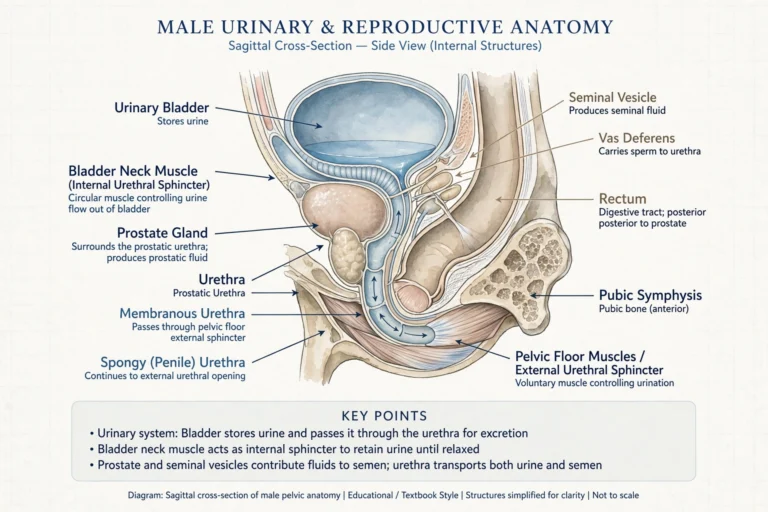
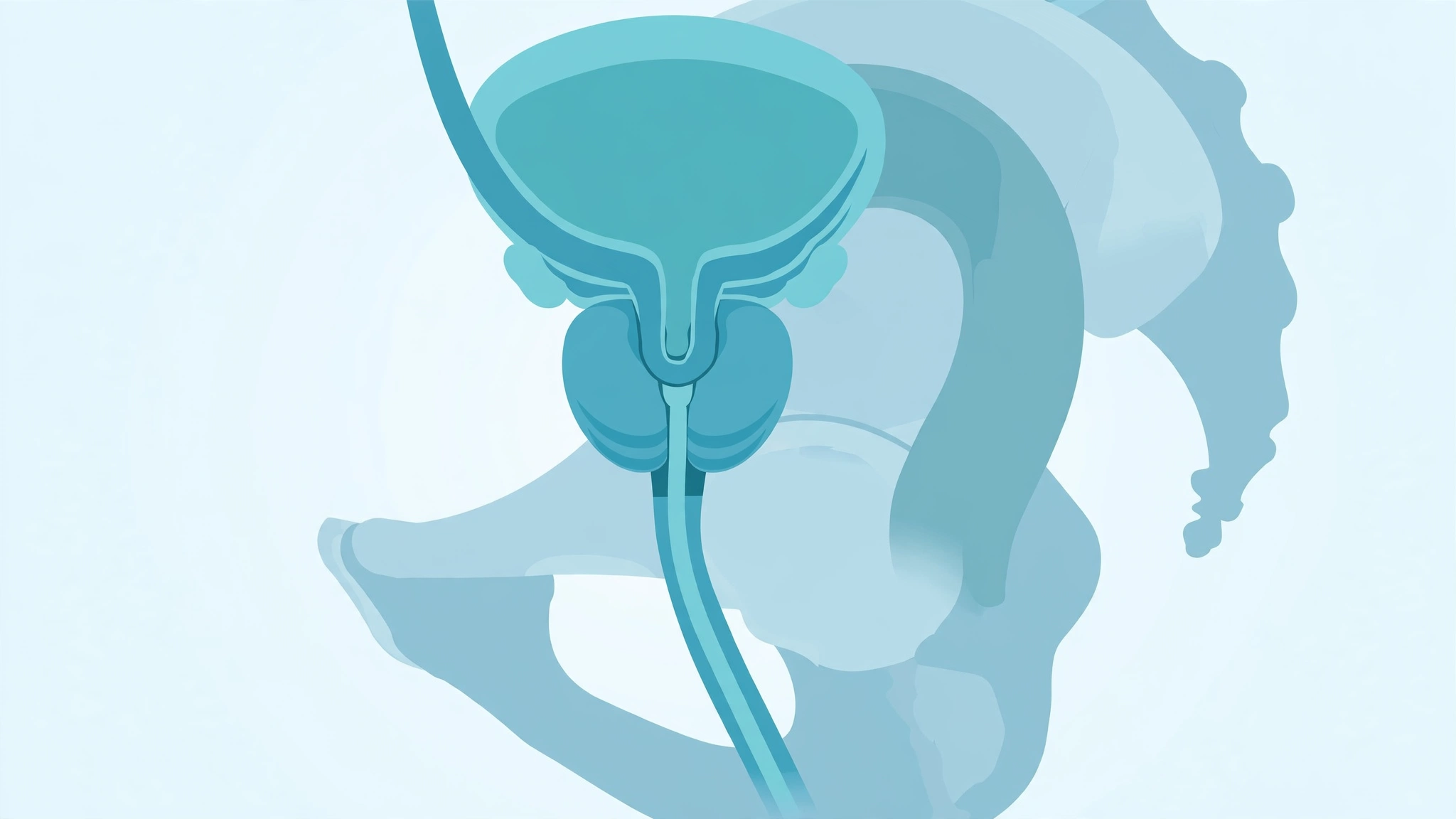
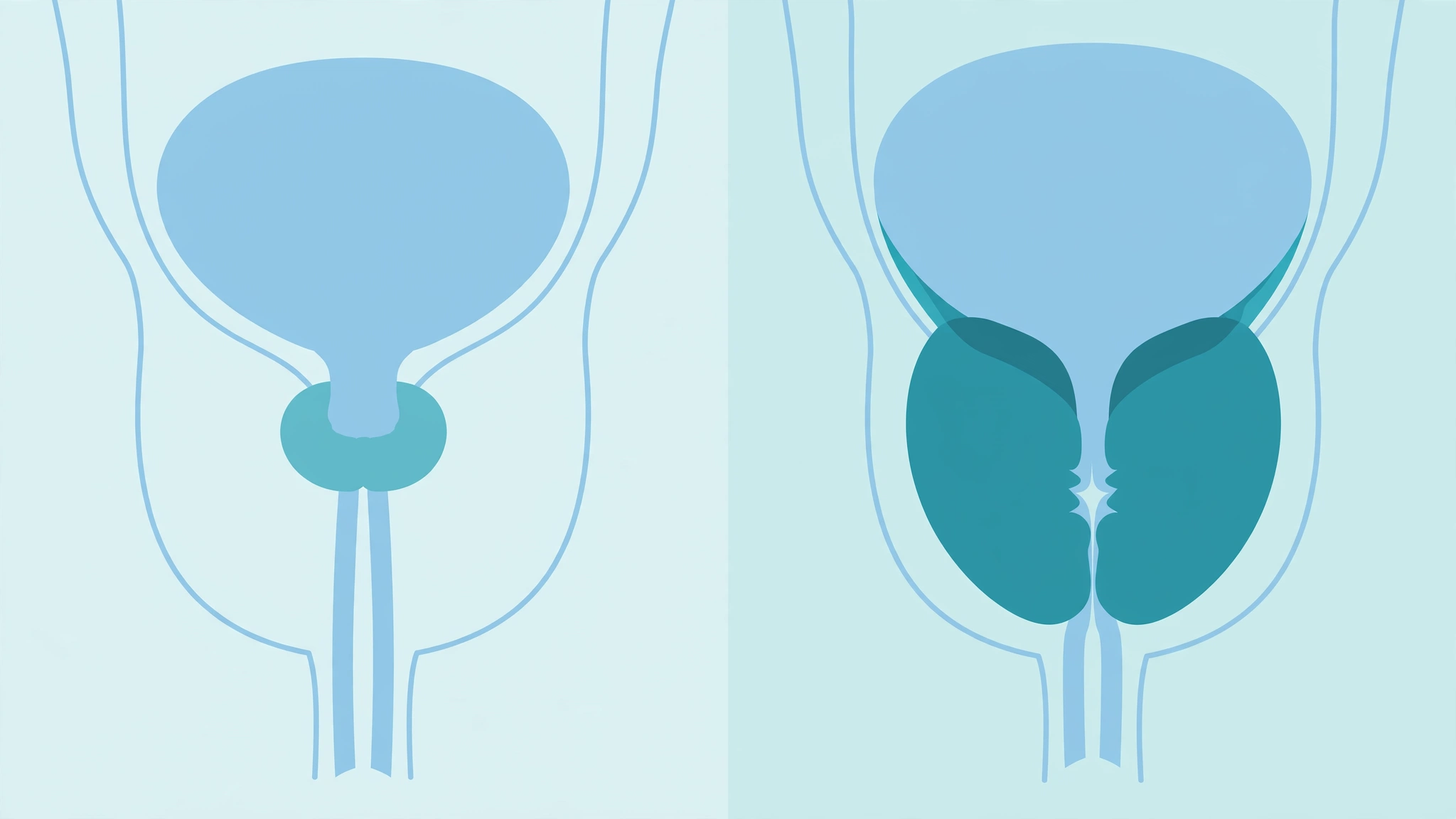
The prostate is a walnut-sized gland sitting just below the bladder, wrapped around the urethra — the tube that carries both urine and semen out of the body. It produces part of the fluid in semen, and its muscles contract to help propel that fluid during ejaculation. It also sits very close to the nerves and blood vessels that supply the penis. That geography is the entire reason BPH and sexual function are linked: the gland is small, but everything sexual flows through or beside it.
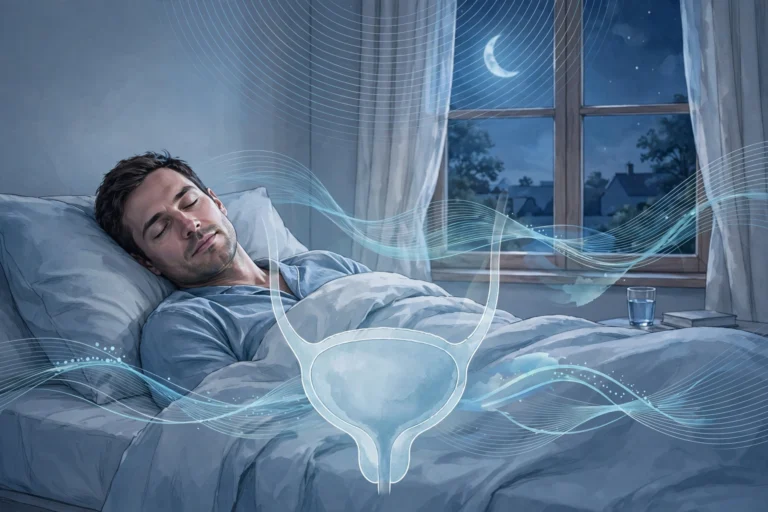
Researchers studying this connection make one crucial distinction that every couple should understand. BPH itself — the benign growth of prostate tissue — is primarily a urinary condition. On its own, a bigger prostate does not directly cause erectile dysfunction, and it does not lower sex drive. What it does cause is a cluster of urinary symptoms that can quietly drain the life out of intimacy: the need to urinate frequently, weak stream, waking two or three times a night to pee, and a nagging fear of needing the bathroom mid-romance. Exhaustion and anxiety are terrible aphrodisiacs.
BPH and Erectile Dysfunction: The Coincidence Couples Should Understand
Almost every man with BPH asks his doctor whether the enlarged prostate causes erectile dysfunction. The honest answer: BPH does not directly cause ED, but the two travel together so often the distinction can feel academic. Men with moderate to severe BPH symptoms are significantly more likely to report erectile difficulties than men with mild or no symptoms.
So when men ask whether BPH and erection problems share a single cause, the answer is that they share a whole neighborhood of causes: advancing age, cardiovascular disease, diabetes, high blood pressure, metabolic syndrome, and chronic inflammation. The same blood vessels and nerve pathways that control urinary flow also participate in erections. When those shared systems decline, both functions can suffer. That means erectile changes alongside BPH may be a signal to check heart health, blood sugar, and blood pressure — not just the prostate.
Because the link between bph and erectile dysfunction runs through shared blood vessels and nerves rather than the prostate alone, cardiometabolic health — regular exercise, controlled blood pressure and blood sugar — protects erections as much as any prostate pill.
New erectile difficulties alongside BPH deserve a medical check-up, since ED can be an early warning sign of vascular disease — and it is one of the most treatable symptoms in urology.

Ejaculation Changes: Where BPH and Sexual Function Overlap Most
This is where BPH and sexual function overlap most visibly. Because the prostate manufactures roughly a third of seminal fluid and its muscles drive ejaculation forward, treatments for BPH — far more than the condition itself — are the usual culprits behind ejaculatory changes. The most common change is a noticeable drop in ejaculate volume. Some men notice that orgasm feels the same but produces far less fluid; others experience what doctors call a “dry orgasm,” or retrograde ejaculation, where semen flows backward into the bladder instead of out through the penis.
Retrograde ejaculation is the classic side effect of transurethral resection of the prostate (TURP), the most common surgical treatment for BPH, because the procedure alters the internal valve that normally directs semen forward. It is not dangerous — the semen simply leaves the body in the urine afterward — but it can feel unsettling, and it reduces fertility. Men who plan to father children should raise this with their urologist before any procedure, since some newer treatments preserve forward ejaculation better than TURP.
Medications can cause similar effects without any surgery. Tamsulosin and related alpha blockers are frequently associated with reduced ejaculate volume or dry orgasm, while 5-alpha reductase inhibitors may reduce ejaculate volume as well. Partners should know these changes are side effects, not a loss of attraction — a misunderstanding that causes needless hurt in many relationships.
The reassuring news in all this data on bph and sexual function is that ejaculation side effects from medication are usually dose-related and often reversible when the prescription is adjusted — which is why men should report them early rather than quietly stopping treatment.
Does BPH Lower Libido?
This is one area where bph and sexual function data surprises many couples. Having an enlarged prostate does not, by itself, reduce a man’s interest in sex. Libido is governed largely by hormones, mood, energy, and relationship dynamics — not by the size of the prostate. So if desire has dropped, the cause usually lies elsewhere.
The two most common indirect culprits are exhaustion and medication. Nocturia — waking repeatedly to urinate — fragments sleep night after night, and chronic sleep loss lowers energy, mood, and desire in anyone. Meanwhile, the 5-alpha reductase inhibitors finasteride and dutasteride, which shrink the prostate by blocking the conversion of testosterone to dihydrotestosterone (DHT), can lower libido in a minority of men. Alpha blockers, by contrast, generally leave desire untouched. If libido has faded after starting BPH treatment, couples can find related guidance in our guide on low libido and the common causes worth ruling out first.
There is also a psychological layer partners should take seriously. Men with severe urinary symptoms often feel embarrassed by bathroom urgency and anxious about performance, and that quiet erosion of confidence can suppress desire more powerfully than any hormone shift. Naming it — gently, without blame — is often the first step back.
Men who notice urinary and bedroom changes at the same time sometimes fall into forums full of alarming anecdotes about bph and sexual function; a proper urology visit gives a far more accurate — and usually more reassuring — picture of what is treatable.
BPH Medications: An Honest Look at Sexual Side Effects
In any honest discussion of bph and sexual function, treatments take center stage — because it is treatment, not the condition, that most often changes a man’s sex life. The table below summarizes what doctors typically prescribe and the sexual side effects to discuss at the appointment:
Researchers who study bph and sexual function consistently find that the men most satisfied with their treatment are the ones who discussed sexual side effects with their doctor before starting medication, not after problems appeared.
| Medication class | How it helps BPH | Possible sexual side effects | Worth asking your doctor |
|---|---|---|---|
| Alpha blockers (tamsulosin, alfuzosin, doxazosin, terazosin) | Relax muscles in the prostate and bladder neck, easing urine flow quickly | ED risk is close to placebo for most; some (especially tamsulosin) are linked to reduced ejaculate volume or dry orgasm | Which alpha blocker has the lowest ejaculation impact for my priorities? |
| 5-alpha reductase inhibitors (finasteride, dutasteride) | Block DHT to shrink the prostate over months | Higher likelihood of ED, lowered libido, and reduced ejaculate volume than alpha blockers | Do the long-term prostate benefits outweigh the sexual trade-offs for me? |
| Combination therapy | Faster and stronger symptom relief than either class alone | Combined side-effect profile of both classes | Can we review the plan if sexual side effects appear? |
| Tadalafil (daily) | Relaxes smooth muscle in the prostate and bladder; approved for BPH symptoms | Designed to improve erections as well; generally preserves or enhances sexual function | Would once-daily use suit my overall health profile? |
Side effects differ between drugs in the same class and between individual men, so the sexual dimension belongs in the treatment decision — urologists expect patients to ask about it, and bringing a partner to the appointment helps. Doctors describe the full range of options, from watchful waiting to minimally invasive procedures, on the Mayo Clinic’s BPH diagnosis and treatment page.
Prostate Surgery: What Couples Should Expect About Recovery
When medications are not enough, doctors may recommend TURP, laser surgery, or a newer minimally invasive procedure. Couples should know three things. First, modern nerve-sparing techniques have substantially reduced the risk of lasting erectile dysfunction. Second, retrograde (dry) ejaculation remains common after TURP and is worth discussing in advance, especially for younger men.
Third, recovery is a timeline, not an event. Erectile function after prostate surgery can take weeks to months to return, and doctors often recommend strategies that maintain blood flow to penile tissue during healing, which may include erection-supporting medication once the surgeon gives clearance. If erections have not improved after the healing window your surgeon described, raise it at follow-up rather than quietly giving up.
Tadalafil: The One Treatment That Helps Both
A unique chapter in the bph and erectile dysfunction story is tadalafil — the same medication widely known for treating erectile dysfunction — which is also approved for relieving the urinary symptoms of BPH. It works by relaxing smooth muscle in the prostate, bladder neck, and blood vessels, which eases urine flow while simultaneously supporting erections.
Like any prescription medication, it is not suitable for everyone — men taking nitrates for heart conditions, for example, cannot use it — so the decision belongs with a physician who knows the full medical history. But for the right patient, it is the rare treatment where the bathroom and the bedroom improve on the same prescription.
This dual action is why tadalafil appears in so many discussions of bph and erectile dysfunction: one daily tablet can ease urinary symptoms while supporting erections, provided a doctor confirms it is safe for the individual.
The Partner’s Perspective: Facing BPH as a Couple
Competitors rarely write about the person on the other side of the bed — but BPH is a couple’s condition in practice. Partners are usually the first to notice the pattern: the third trip to the bathroom before midnight, the shorter fuse from broken sleep, the quiet withdrawal from intimacy. Couples who approach bph and erectile dysfunction as a team cope far better than those where the man suffers in silence.
A few principles help. First, separate the symptoms from the person: urgency, fatigue, and medication side effects are medical events, not rejections. Second, keep intimacy broad — when intercourse feels pressured, couples who maintain closeness through touch, conversation, and humor preserve the connection that makes a sex life recoverable. Guidance on rebuilding desire together can be found in our article on mismatched libidos in marriage. Third, attend the urology appointment together if possible; partners often ask the practical questions men forget, such as how long recovery really takes and which side effects are temporary.
Couples who learn about bph and erectile dysfunction together often find the conversation easier, because shared medical facts are less threatening than unspoken fears.
Practical Steps to Protect Intimacy During BPH Treatment
Evidence-based guidance on bph and erectile dysfunction agrees on several practical strategies that couples can start this week:
- Time intimacy around symptoms. Many couples find mornings or times shortly after voiding easier than late evenings when urgency peaks.
- Address the sleep problem directly. Limiting evening fluids and caffeine, double-voiding before bed, and treating nocturia medically often restores the energy that desire needs.
- Review every prescription. Bring a full medication list — including blood pressure drugs and antidepressants, which also affect sexual function — to every appointment.
- Stay physically active. Regular moderate exercise supports vascular health, which underpins both urinary and erectile function.
- Talk before the procedure. Discuss ejaculation, erection, and fertility expectations with the surgeon in advance so there are no surprises afterward.
- Give recovery a real timeline. Judge progress in months, not days, after surgery — and keep the doctor informed rather than quietly giving up.
When to See a Doctor: Red Flags Couples Should Not Ignore
Most BPH symptoms develop gradually, but some demand prompt medical attention rather than a routine visit — as Medical News Today notes in its guide to enlarged prostate and sex, urinary symptoms can also signal infections or other conditions needing diagnosis:
| Symptom | Why it matters | Action |
|---|---|---|
| Inability to urinate at all | Can indicate acute urinary retention, which may damage the bladder and kidneys | Seek urgent care the same day |
| Blood in urine or semen | Can occur with BPH but also signals infection, stones, or other conditions needing diagnosis | Book a prompt medical appointment |
| Fever, chills, or pelvic pain with urinary symptoms | Suggests a possible prostate or urinary infection rather than BPH alone | See a doctor promptly; do not self-treat |
| Sudden severe erectile change or penile pain | May indicate a vascular event or medication reaction | Contact your doctor without delay |
| Recurrent urinary tract infections | Can mean the bladder is not emptying properly | Ask for a urology referral |
FAQs
These are the questions doctors hear most often from men and their partners about bph and sexual function.
Can an enlarged prostate cause erectile dysfunction on its own?
No. BPH itself is not a direct cause of erectile dysfunction; it is primarily a urinary condition. The two often appear together because they share risk factors — age, cardiovascular disease, diabetes, and high blood pressure. Some BPH medications and surgeries can also contribute to erectile difficulties. New ED alongside BPH deserves a medical check-up, since erection changes can be an early signal of vascular disease.
Will BPH medication make me less interested in sex?
It depends on the medication. Alpha blockers generally do not lower libido. The 5-alpha reductase inhibitors finasteride and dutasteride can reduce sex drive in some men, along with a higher chance of erectile and ejaculation changes. If desire drops after starting treatment, tell your doctor — adjusting the medication class or adding strategies for the underlying causes often helps without abandoning BPH treatment.
Is a dry orgasm after prostate treatment normal?
Dry orgasm, or retrograde ejaculation, is a common effect of TURP surgery and can also occur with certain alpha blockers. The semen flows into the bladder instead of outward; it is not harmful and orgasmic sensation usually remains. It does reduce fertility, so men who may want children should discuss ejaculation-preserving treatment options with their urologist before any procedure.
Can my partner be affected by my BPH or its treatment?
BPH is not contagious and cannot be passed to a partner. What partners do experience are the indirect effects: disrupted sleep from nocturia, reduced spontaneity, and the emotional weight of a withdrawn sex life. Open conversation, shared medical appointments, and keeping non-sexual closeness alive help couples navigate treatment as a team.
Does frequent ejaculation help or hurt an enlarged prostate?
There is no reliable evidence that frequent ejaculation shrinks the prostate or worsens BPH. Studies that account for age find no meaningful link between ejaculation frequency and prostate size. Regular sexual activity is generally considered safe with BPH unless a doctor advises otherwise — for example, briefly before a PSA blood test, since ejaculation can temporarily raise PSA levels.
Can I stay sexually active while being treated for BPH?
Yes — most men remain sexually active throughout BPH treatment. The key is choosing treatments with your priorities in mind, since some preserve sexual function better than others. Men recovering from prostate procedures should follow their surgeon’s guidance on when to resume sexual activity, then judge recovery over weeks to months.
To sum up what doctors know about bph and sexual function: the enlarged prostate itself is rarely the direct villain in the bedroom — its urinary symptoms, its treatments, and the shared health conditions behind them are. That is good news, because symptoms can be managed and treatments can be chosen with intimacy in mind. If symptoms are new, worsening, or worrying, talk to your doctor.
Every couple’s experience of bph and sexual function is different, so the treatment plan should reflect your priorities — not a one-size-fits-all ranking of prostate pills.
Medical disclaimer: This article is for educational purposes only and is not medical advice. Benign prostatic hyperplasia and sexual dysfunction can have many causes, and treatments affect each person differently. Do not start, stop, or change any medication based on this article. Consult a qualified healthcare professional — such as your doctor or a urologist — for diagnosis and treatment decisions tailored to your health.