ED and Heart Disease: The Hidden Link
Difficulty getting or keeping an erection can feel like a private frustration, something most men would rather not think about, let alone discuss. But cardiologists and urologists have been saying the same thing for years: trouble in the bedroom can be an early signal of trouble in the chest. The erectile dysfunction heart disease link is one of the best-documented connections in men’s medicine, and understanding it could protect far more than your sex life.
Research consistently shows that erectile dysfunction (ED) can appear two to five years before a major cardiovascular event such as a heart attack. Because the underlying cause of most ED is the same process that damages coronary arteries, new-onset ED is increasingly treated by doctors as a prompt to check the heart, not just the hormones or the mind. This article explains the biology behind the link, the specific tests worth asking your doctor about, the drug interactions many men miss, and the clear steps to take next. Understanding the erectile dysfunction heart disease link will help you ask your doctor the right questions.
Why Erections and the Heart Run on the Same Plumbing
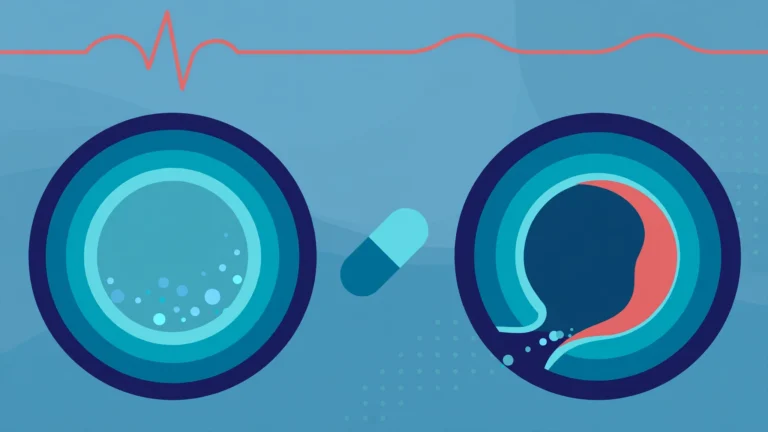
An erection is, mechanically speaking, a hydraulic event. When a man is aroused, nerve signals trigger the inner lining of penile blood vessels to release nitric oxide, which relaxes the vessel walls and lets extra blood flow in. The blood is then trapped in spongy tissue, producing rigidity. Anything that narrows the arteries or weakens that vessel response can interfere with the process.
According to Harvard Health, blood vessel problems are the leading cause of erectile dysfunction, and the chief culprit is atherosclerosis, the gradual buildup of cholesterol-filled plaque inside artery walls. Plaque narrows and stiffens arteries, restricting blood flow wherever it accumulates. When it accumulates in the arteries supplying the penis, erections suffer.
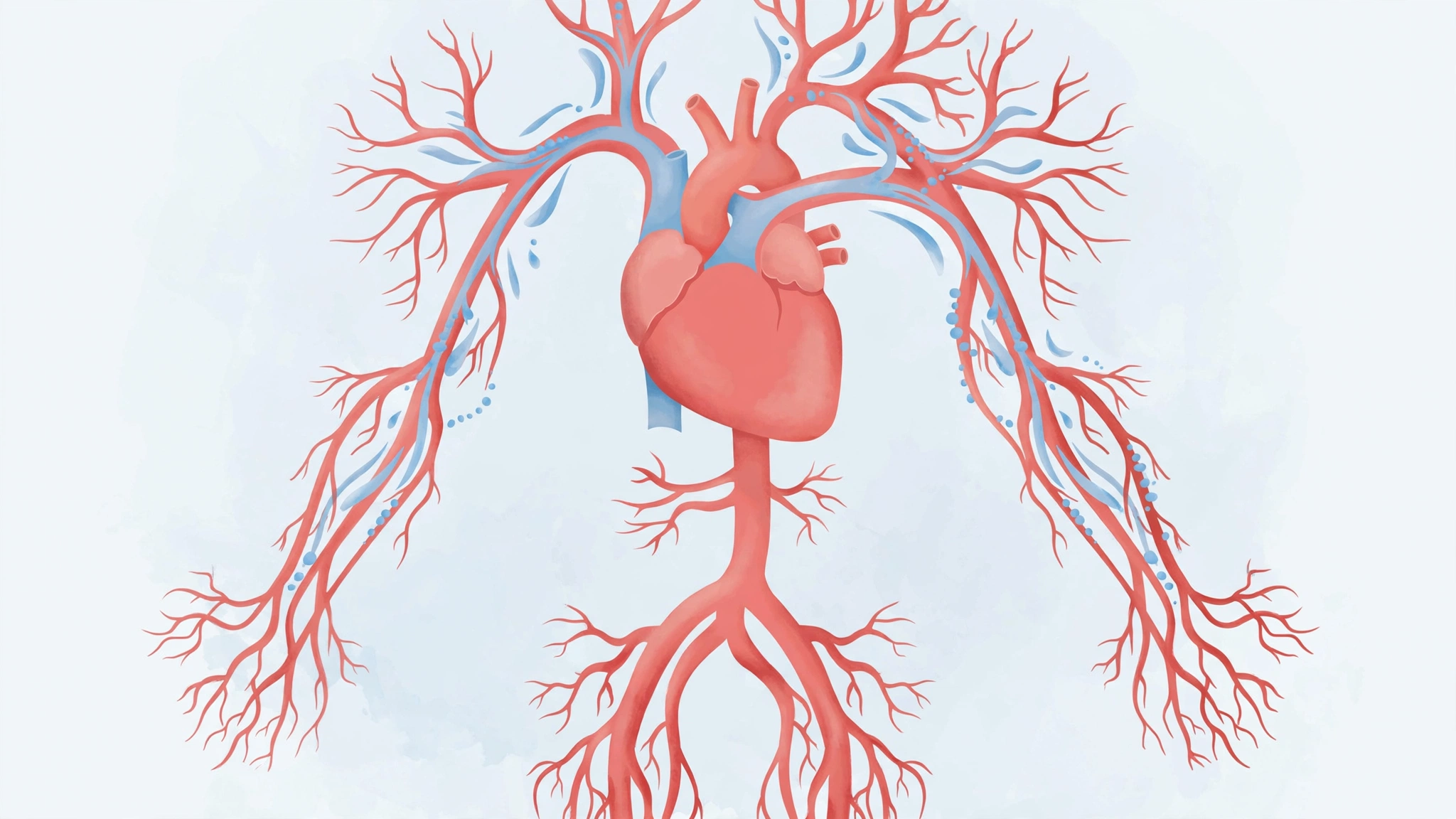
Here is the part that makes the connection medically important: atherosclerosis is a body-wide process. Plaque that narrows the small penile arteries is very likely also narrowing the larger coronary arteries that feed the heart. Doctors call this the “artery-size hypothesis.” The penile arteries are only about 1–2 millimeters wide, while coronary arteries are roughly twice that, so the same degree of plaque buildup produces noticeable symptoms in the penis years before it produces chest pain or shortness of breath. As Harvard Health puts it, erections serve as a barometer for overall vascular health.
Beneath the plaque story lies an earlier shared step: endothelial dysfunction. The endothelium is the thin inner lining of every blood vessel in the body. When it is damaged by smoking, high blood pressure, diabetes, or high cholesterol, it produces less nitric oxide and loses elasticity. That same endothelial failure both makes erections harder to achieve and starts the chain of events that ends in clogged coronary arteries. This is why clinicians now view vasculogenic ED and early coronary disease as two faces of one underlying condition. The erectile dysfunction heart disease link is, at its core, one disease showing up in two places.
ED as an Early Warning Sign: The Window of Opportunity
Few medical red flags arrive as early as ED does. The University of Chicago Medicine notes that ED can occur as early as two to four years before a major heart attack or other cardiovascular event, and other clinical sources describe a three-to-five-year lead time. That gap is not bad news, it is an opportunity, and it is exactly why physicians take the erectile dysfunction heart disease link so seriously. A symptom that shows up years in advance gives a man and his doctor time to identify and treat cardiovascular risk before a first heart attack ever happens.
The signal is strongest in younger men. ED is common and often multifactorial after age 70, but a man in his 30s, 40s, or 50s who develops gradually worsening erections without an obvious psychological cause is exactly the patient doctors want to evaluate. One widely cited Mayo Clinic finding illustrates the stakes: a man in his 40s with ED faces a dramatically higher likelihood of underlying coronary disease than a same-age man without ED, even though both may feel fine during exercise.
The U.S. numbers underline how many men this affects. About half of men between 40 and 70 experience some degree of ED, and roughly 30 million American men live with it. For many, it is the first outward sign that the vascular system needs attention. Researchers have also found that men with ED carry a higher likelihood of elevated coronary calcium scores, a measurable marker of hardened plaque, independent of other risk factors such as diabetes, smoking, or obesity.
Shared Risk Factors: One List, Two Conditions
The risk factors for erectile dysfunction and heart disease read like a single list, because they largely are one. Doctors assessing ED routinely screen for the same items a cardiologist would, because the erectile dysfunction heart disease link means both doctors are looking at the same underlying disease process:
- High blood pressure — damages the endothelium over time and reduces nitric oxide production.
- High cholesterol — feeds the plaque buildup at the center of atherosclerosis.
- Diabetes and prediabetes — injure small blood vessels and nerves alike. In men with diabetes, ED can indicate “silent” coronary artery disease that causes no other symptoms.
- Smoking — one of the most powerful drivers of both endothelial damage and arterial plaque.
- Obesity and extra weight — associated with inflammation, insulin resistance, and lower testosterone.
- Sedentary lifestyle — inactivity weakens the vascular system; regular aerobic exercise strengthens it.
- Advancing age — risk for both conditions rises with age, though ED in a younger man is the stronger warning signal.
- Family history — a parent or sibling who developed heart disease young raises the likelihood that ED has a vascular cause.
If several of these apply to you, ED is not an isolated problem. It is the erectile dysfunction heart disease link in action, and it is a pattern your doctor will recognize immediately.
What the Erectile Dysfunction Heart Disease Link Means for Your Doctor Visit
This is the part most articles skip. Knowing that a link exists is useful; knowing what a thorough evaluation looks like is actionable. When a man presents with new, unexplained ED and vascular risk factors, evidence-based guidelines (including the Princeton consensus on sexual dysfunction and cardiac risk) recommend a cardiovascular workup whenever the erectile dysfunction heart disease link looks plausible. Reasonable tests and checks to discuss with your doctor include:
- Blood pressure measurement and lipid panel — the basic screen for hypertension and high cholesterol, the two most common shared drivers.
- Blood sugar or HbA1c — to detect undiagnosed diabetes or prediabetes, both strongly tied to ED.
- Resting ECG — a quick, noninvasive look for electrical or structural signs of heart strain.
- Coronary artery calcium (CAC) score — a CT scan measuring calcium deposits in the coronary arteries; a leading direct gauge of plaque burden, and especially informative for men in the intermediate-risk range.
- Testosterone levels — low testosterone is associated with both ED and cardiovascular risk, and checking it helps distinguish hormonal from vascular causes.
- Exercise stress test — sometimes ordered when symptoms or risk profiles suggest possible coronary narrowing.
Not every man needs every test. A primary-care doctor or urologist can match the workup to your age, risk factors, and symptoms, and a cardiology referral makes sense when several risk factors cluster together. The Mayo Clinic‘s own physicians advise men who are prescribed ED treatment to also have their hearts evaluated, because treating the heart condition, when one is found, can itself improve erections. That is the opportunity embedded in the warning.
If you are looking for a broader sense of what routine men’s health screening looks like by decade, our guide to sexual health checkups by age lays out what to test and when.
When ED Is Not About the Heart
Not every case of erectile dysfunction points to the arteries, and a careful doctor will rule out other causes before concluding the heart is involved, even when the erectile dysfunction heart disease link makes a vascular cause likely. Common non-vascular causes include:
- Psychological factors — performance anxiety, depression, chronic stress, and relationship conflict can all produce ED on their own. A hallmark clue is that erections still occur during sleep or first thing in the morning.
- Medications — certain blood pressure drugs (especially some beta-blockers and diuretics), antidepressants, and other prescriptions can worsen erectile function. Never stop a prescribed drug because of ED; ask your doctor whether an alternative exists.
- Nerve damage — from diabetes, pelvic or prostate surgery, or spinal injury, can block the signals that start an erection even when blood vessels are healthy.
- Hormonal conditions — including thyroid disorders and low testosterone, which are treatable once identified.
- Substance use — heavy alcohol use and recreational drugs impair erectile function independently of heart health.
The pattern matters. ED that arrives suddenly, often alongside stress or after a new medication, leans non-vascular. ED that develops gradually, especially in a man with blood pressure, cholesterol, or blood sugar issues, leans vascular and deserves the cardiac evaluation described above. Men already taking blood pressure medication should also know the relationship can run the other way; our article on blood pressure medications and erectile dysfunction explains which drug classes are most often implicated and what alternatives to discuss.
Low Testosterone: The Overlooked Middle Link
Testosterone sits in the middle of the erectile dysfunction heart disease link. Levels decline gradually with age, and low testosterone is independently associated with both ED and increased cardiovascular risk. Obesity, sleep apnea, diabetes, and chronic illness all suppress testosterone, and each of those is also a vascular risk factor, so the hormone and the arteries decline together in many men.
A morning blood test can establish where you stand, which is why urologists routinely include it in an ED workup. Correcting a genuine deficiency under medical supervision can improve energy, mood, and sometimes erectile function, though it is not a substitute for addressing the underlying vascular disease. If you are wondering whether symptoms warrant testing, our guide to low testosterone symptoms and when to get tested walks through the signs and the testing process.
ED Drugs and Heart Medications: An Interaction You Must Know
Medications such as sildenafil (Viagra) and tadalafil (Cialis) belong to a drug class called PDE5 inhibitors. They work by enhancing the nitric oxide pathway in blood vessel walls, which improves blood flow. Interestingly, these drugs were originally studied as heart and blood pressure medications before their erectile effects became the headline.
There is one interaction every man must know: PDE5 inhibitors must not be combined with nitrate medications, such as nitroglycerin, which are commonly prescribed for angina (chest pain from heart disease). Both drug types widen blood vessels, and together they can cause a dangerous, potentially life-threatening drop in blood pressure. This is precisely why a cardiac evaluation before starting an ED drug matters so much when the erectile dysfunction heart disease link may apply: a man may not know he has coronary disease or be taking nitrates, and the ED prescription visit is often the moment those facts surface.
Men with stable, well-controlled heart disease can often use ED medications safely under a doctor’s supervision, and some research even suggests cardiovascular benefits. The key word is supervision. If you have any heart condition, a stent, or take any cardiac drug, your cardiologist and the doctor prescribing the ED medication should both be in the loop.
What to Do If You Suspect the Link: A Clear Action Plan
If you have noticed persistent difficulty with erections, especially if it has developed gradually and you carry any cardiovascular risk factors, treat it as useful information rather than a source of shame. If the erectile dysfunction heart disease link applies to you, here is a practical sequence:
- Book an appointment — with your primary-care doctor or a urologist, and say plainly that you want to evaluate possible cardiovascular causes. Being direct helps the doctor order the right tests.
- Bring the full picture — list your medications, note your blood pressure and cholesterol history if you know it, and mention family history of heart disease.
- Ask for the cardiovascular workup — the lipid panel, blood sugar check, blood pressure review, ECG, and (where appropriate) a coronary calcium score discussed above.
- Act on the shared levers — quitting smoking, moving toward a healthy weight, exercising regularly, eating a heart-healthy diet, and controlling blood pressure and blood sugar improve both conditions at once. Lifestyle change remains the most powerful dual-purpose treatment available.
- Discuss ED treatments in the cardiac context — including whether your current medications could be contributing and whether a PDE5 inhibitor is safe alongside everything you take.
- Talk with your partner — framing ED as a health signal rather than a personal failure makes the conversation easier and invites support for the lifestyle changes that follow. Our guide on intimacy exercises for couples offers constructive ways to stay connected during the process.
For men who already live with diagnosed heart disease, questions about sexual safety are common and valid. Resuming sexual activity after a cardiac event has its own evidence-based guidance, which our article on what is safe after a heart attack covers in detail.

Frequently Asked Questions
Can erectile dysfunction really predict a heart attack?
ED does not cause heart attacks, but the erectile dysfunction heart disease link means it can precede them. Because the same atherosclerotic process narrows both penile and coronary arteries, and penile arteries are smaller, ED commonly appears two to five years before a first major cardiovascular event. Doctors treat new-onset ED in at-risk men as a reason to check the heart.
At what age should ED make me worry about my heart?
The warning signal is strongest in men under 60, particularly in their 40s and 50s, because vascular ED at a younger age is less likely to be explained by age alone. That said, ED at any age deserves an evaluation if it is new, persistent, and unexplained.
Will treating my heart condition improve my ED?
Often, yes. When the erectile dysfunction heart disease link is behind your symptoms — that is, when ED is driven by atherosclerosis or endothelial dysfunction — lowering blood pressure, improving cholesterol, controlling blood sugar, quitting smoking, and exercising can measurably improve erectile function. Treating the underlying vascular disease addresses the root cause of both problems.
Are ED medications safe if I have heart disease?
Many men with stable heart disease use PDE5 inhibitors safely under medical supervision, but they are dangerous when combined with nitrate drugs such as nitroglycerin. Your cardiologist should review any ED medication plan alongside your cardiac prescriptions before you start.
Can blood pressure medication cause erectile dysfunction?
Some can, particularly certain beta-blockers and diuretics, while others are neutral or even helpful. If ED began after starting a blood pressure drug, tell your doctor; switching classes often resolves the problem without compromising heart protection.
Does diabetes make the ED-heart connection stronger?
Yes. Diabetes accelerates damage to both small and large blood vessels, and in men with diabetes, ED can signal “silent” coronary artery disease that produces no chest pain or other symptoms. Diabetes and ED together are a strong reason for cardiac screening. See our detailed guide on diabetes and erectile dysfunction for more.
How do I bring this up with my doctor without embarrassment?
Remember that doctors hear this every week and view it as a medical symptom, not a personal failing. A simple opener works: “I’ve noticed changes in my erectile function, and I’d like to check whether there could be a cardiovascular cause.” That sentence alone puts the right workup in motion.
This article is for educational purposes only and is not medical advice. Erectile dysfunction can have many causes, and only a qualified healthcare professional can evaluate your individual situation. If you experience chest pain, shortness of breath, or other symptoms of heart disease, seek medical attention promptly.