Delayed Orgasm in Men: Causes and Treatment
Delayed orgasm men causes real distress for both partners, and finding the underlying causes is the first step toward effective treatment. If it regularly takes you 25 to 30 minutes or more of sexual stimulation to reach climax — or you cannot reach climax at all — you are dealing with a recognized medical condition, not a personal failure. This guide walks through what delayed orgasm is, why it happens, how doctors diagnose it, and the treatment options with the best evidence behind them.
What Is Delayed Orgasm in Men?
Delayed orgasm (sometimes called delayed ejaculation or inhibited orgasm) means it takes an unusually long time to reach climax despite adequate sexual arousal, a firm erection, and enough stimulation. In some cases, a man cannot reach orgasm at all during partnered sex — a situation clinicians call anorgasmia. The condition can be:
- Lifelong (primary): difficulty reaching orgasm has been present since sexual maturity.
- Acquired (secondary): the problem developed after a period of typical sexual function. This is the more common pattern.
- Situational: orgasm is delayed only in certain circumstances, for example only with a partner but not during self-stimulation.
- Generalized: the difficulty occurs across all situations and with all forms of stimulation.
Delayed orgasm affects an estimated 1 to 4 percent of men, though researchers believe the true number is higher because many men never discuss it with a doctor. Occasional difficulty is normal and happens to most men at some point. It becomes a medical concern when the delay is persistent, causes frustration or anxiety, and strains the relationship — a point the Mayo Clinic’s overview of delayed ejaculation also emphasizes.
Understanding the delayed orgasm men causes behind your symptoms also helps you choose the right specialist — a urologist, an endocrinologist, or a certified sex therapist — instead of guessing.
Delayed Orgasm vs. Delayed Ejaculation: What’s the Difference?
The terms are often used interchangeably, but orgasm and ejaculation are technically separate events. Orgasm is the pleasurable sensation of climax, controlled largely by the brain and nervous system. Ejaculation is the physical release of semen, driven by spinal reflexes and pelvic muscles. Usually the two happen together, but they can separate:
- Dry orgasm: reaching a pleasurable climax with little or no semen, common after prostate surgery or with retrograde ejaculation, where semen flows backward into the bladder.
- Anejaculation: the inability to release semen even with stimulation, which can occur with certain nerve injuries.
- Orgasmic anhedonia: a rare condition in which ejaculation occurs but without the pleasurable sensation of orgasm.
Why does this distinction matter? Because it changes the diagnosis. A man who climaxes but releases no semen may have a plumbing problem such as retrograde ejaculation, while a man who feels no climax at all despite strong stimulation is more likely dealing with nerve, hormonal, or psychological factors. When you visit your doctor, describing exactly what you experience helps rule out the different delayed orgasm men causes much faster.
Medical Causes of Delayed Orgasm in Men
Physical and medical factors account for a substantial share of delayed orgasm men causes, especially acquired delayed orgasm that appears later in life. A clinician’s first job is to rule these out.
Medications
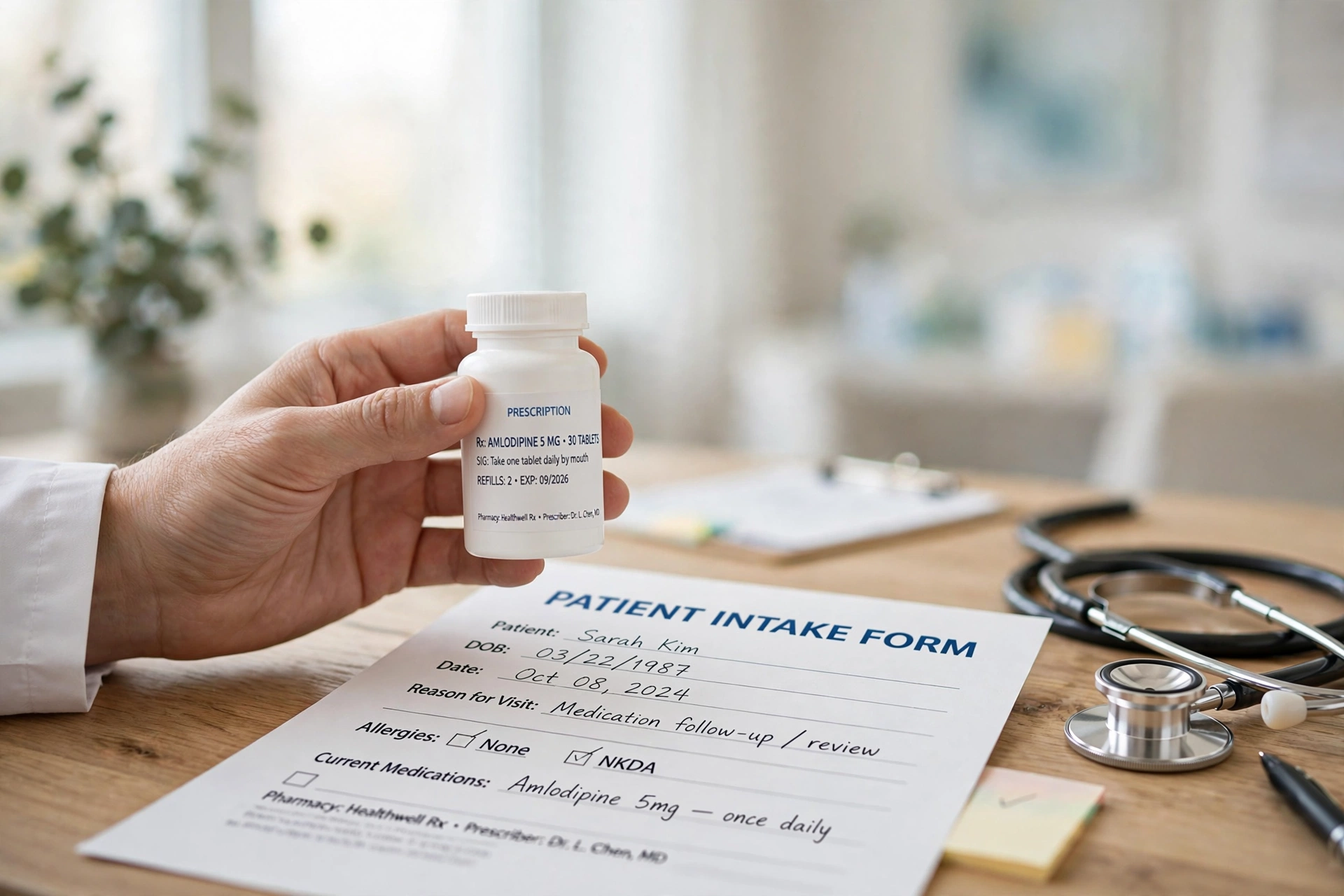
Prescription and over-the-counter drugs are among the most frequent causes. Among all delayed orgasm men causes, prescription drugs rank near the top. The biggest culprits include:
| Medication class | Examples | Why it matters |
|---|---|---|
| Antidepressants (SSRIs, SNRIs) | Sertraline, fluoxetine, paroxetine, venlafaxine | The most common drug cause; serotonin dampens the orgasm reflex |
| Antipsychotics | Risperidone, thioridazine | Alter dopamine signaling involved in climax |
| Blood pressure drugs | Thiazide diuretics, some beta blockers | Can blunt the nerve response needed for orgasm |
| Prostate medications | Alpha blockers, 5-alpha reductase inhibitors such as finasteride | Affect ejaculatory function and desire |
| Anti-anxiety drugs and painkillers | Benzodiazepines, some opioids | Depress the central nervous system |
If your symptoms started within weeks of beginning or changing a medication, tell your doctor — but never stop or adjust a prescription on your own. Antidepressants in particular can cause rebound depression or withdrawal effects if discontinued abruptly. Clinicians can often switch to an alternative with fewer sexual side effects, such as bupropion, under medical supervision. Because medications are among the most common delayed orgasm men causes, a full medication review is always the first step in the medical workup. For more detail on this specific trigger, see our guide to antidepressants and delayed orgasm.
Hormonal imbalances
Sex hormones fine-tune the orgasm response. Low testosterone (hypogonadism) is found at higher rates in men with delayed orgasm than in men with other sexual complaints, and correcting a genuine deficiency can restore normal timing. Excess prolactin (hyperprolactinemia), often related to pituitary issues or certain medications, and thyroid disorders can also suppress climax. A simple blood panel usually covers testosterone, prolactin, and thyroid hormone, which is why hormone screening is part of the standard workup for delayed orgasm men causes. Learn the warning signs in our article on low testosterone symptoms in men and when to get tested.
Nerve damage and neurological conditions
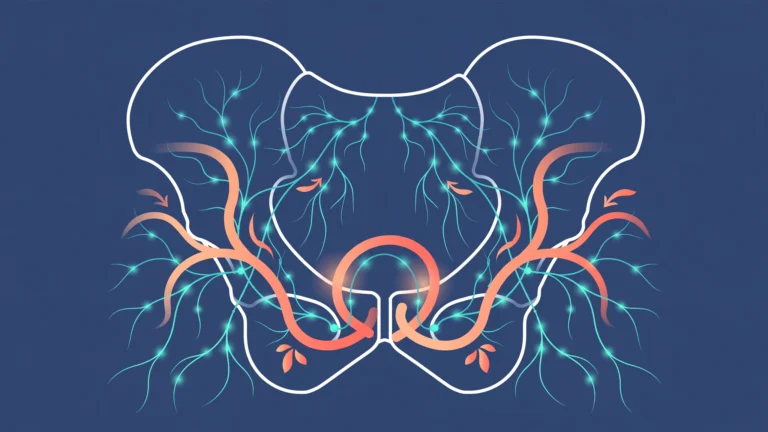
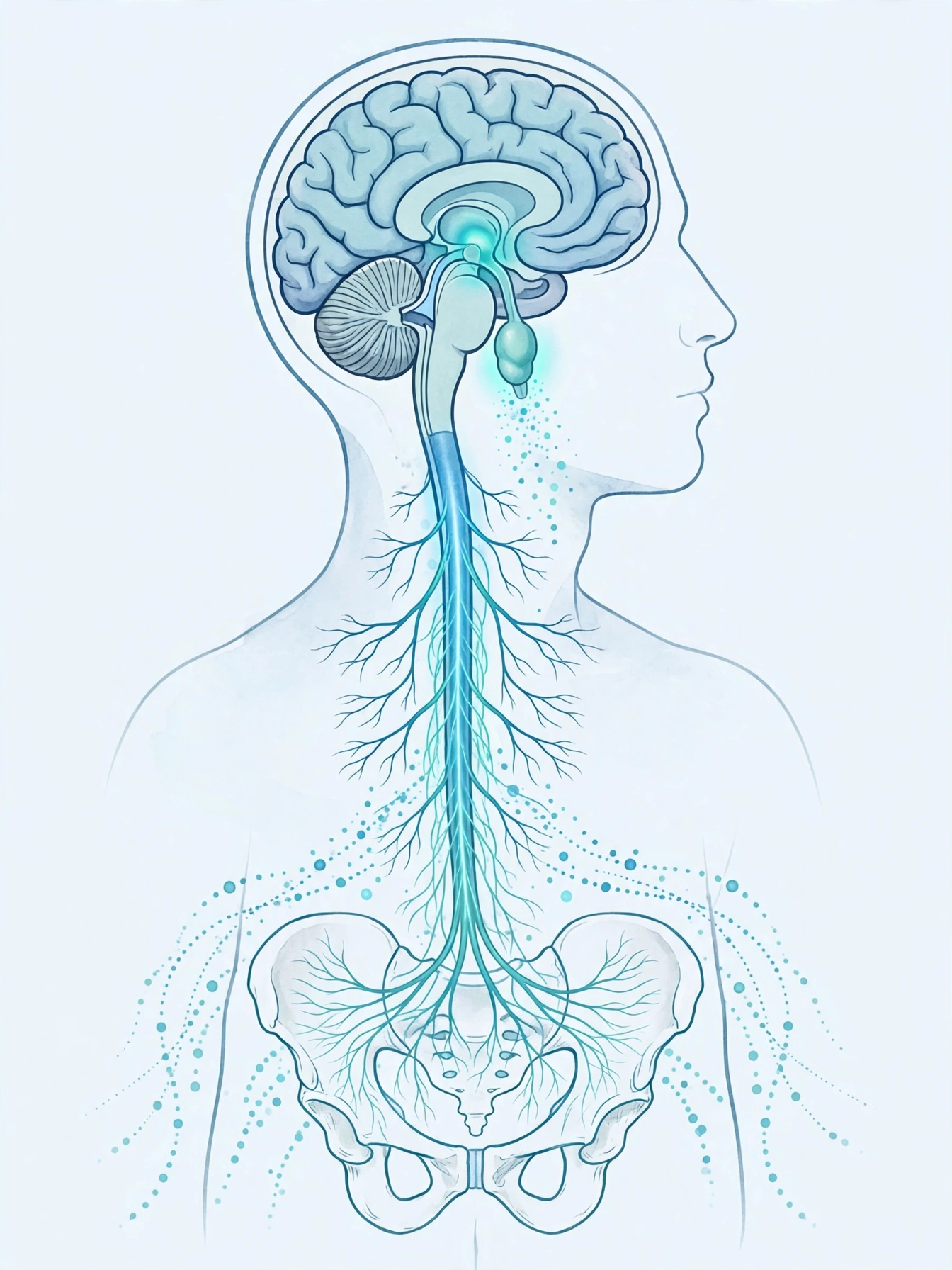
Neurological delayed orgasm men causes all work the same way: they disrupt the nerve signals that travel from the pelvis through the spinal cord to the brain. The most common disruptions include diabetic neuropathy (especially in long-standing or poorly controlled diabetes), multiple sclerosis, stroke, spinal cord injury, and pelvic or prostate surgery that damages nearby nerves. Men who have had a radical prostatectomy, for example, can often still experience orgasm but can no longer ejaculate, since the structures that produce semen were removed.
Prostate and urinary conditions
Urological delayed orgasm men causes include prostatitis (inflammation of the prostate), benign prostatic hyperplasia (BPH), and urinary tract infections, which can interfere with the muscular sequence of ejaculation and make orgasm harder to reach. Pelvic pain during sex is a clue that a urological evaluation is needed.
Age-related changes
Age-related delayed orgasm men causes are gradual and normal: sensitivity naturally declines as nerve endings become less responsive and reflexes slow. Erection quality also tends to decrease, and a less-than-full erection makes climax harder to achieve. This is a gradual, normal process — but a sudden change at any age deserves medical attention, because it points to a specific, treatable cause rather than aging alone.
Alcohol and recreational substances
Heavy alcohol use is one of the most common reversible delayed orgasm men causes; it depresses the nervous system and dulls sensation. Chronic cannabis use and certain recreational drugs are also linked to delayed orgasm. The good news is that cutting back often improves symptoms within weeks.
Delayed Orgasm Men Causes: Psychological and Relationship Factors
Delayed orgasm men causes that are psychological rather than physical are extremely common. A striking clinical clue: roughly 85 percent of men with delayed orgasm can reach climax through self-stimulation. If the body can do it alone, the wiring is usually intact — and the block is more likely mental, emotional, or relational. Key psychological contributors include:
- Performance anxiety: worrying about “taking too long” creates a self-fulfilling cycle. Anxiety activates the stress response, which directly suppresses the orgasm reflex. Read our guide to performance anxiety in bed for practical coping strategies.
- Depression and stress: both the conditions and some of their treatments blunt sexual response.
- Relationship tension: unresolved conflict, resentment, or emotional distance can make it difficult to fully relax into arousal.
- Spectatoring: mentally watching yourself perform instead of focusing on sensation — a classic pattern sex therapists identify.
- Guilt or shame: cultural or religious beliefs that frame sex as shameful can unconsciously inhibit climax.
- Fear of consequences: worry about pregnancy, or about hurting or disappointing a partner, can keep the body on guard.
- Early life experiences: trauma, a punitive sexual upbringing, or difficulty forming emotional bonds can shape adult sexual response.
- Mismatch of fantasy: some men can only climax to a specific fantasy that doesn’t match their partnered experience.
The Masturbation Connection: When Practice Trains the Wrong Response
Among behavioral delayed orgasm men causes, learned stimulation patterns are the most treatable. Sex therapists have identified a specific behavioral pattern behind many situational cases. A man may train himself — unintentionally — to respond only to a very particular kind of stimulation:
- Very fast, intense, or high-pressure self-stimulation that no partner can realistically duplicate
- A grip or rhythm that a partner’s body cannot match
- Reliance on specific visual material that isn’t present during partnered sex
- Masturbating three or more times per week, leaving little buildup of desire
Among learned delayed orgasm men causes, conditioning is reversible: the body learns what it practices. If climax has been conditioned to one narrow pattern, partnered sex simply may not deliver enough of the right kind of stimulation. The encouraging part: conditioning can be reconditioned. Therapists call this process reconditioning or retraining, and it is one of the most effective treatments for situational delayed orgasm.
How Delayed Orgasm in Men Is Diagnosed
There is no single lab test that pinpoints delayed orgasm men causes; diagnosis starts with a careful conversation. Knowing what to expect makes the appointment far less intimidating:
- Detailed history: when the problem started (suddenly or gradually), whether it is lifelong or acquired, whether it happens in all situations or only some, and how long stimulation typically takes. Your doctor may ask about a stopwatch-measured estimate, though precision isn’t required.
- Full medication and substance review: every prescription, over-the-counter drug, supplement, and details of alcohol and recreational drug use.
- Medical history: diabetes, heart disease, neurological conditions, prostate problems, prior surgeries, and mental health history.
- Physical examination: focused on the genital and neurological exam.
- Blood and urine tests: typically testosterone, prolactin, thyroid hormone, blood sugar (HbA1c), and screening for infection.
- Psychological screening: questions about mood, anxiety, relationship satisfaction, and sexual history.
A useful clue from clinical practice when sorting through the possible delayed orgasm men causes: sudden onset after a medication change, illness, or injury points toward a physical cause, while gradual onset tied to a new relationship, stress, or a change in masturbation habits leans psychological. Referral to a urologist or a certified sex therapist follows when the initial workup suggests a specialized cause.
Treatment Options for Delayed Orgasm in Men
Treatment works best when it targets the suspected delayed orgasm men causes — a principle the Sexual Medicine Society of North America stresses in its patient guidance on delayed orgasm and ejaculation. Matching the right approach to the right causes is why diagnosis comes first: most men improve with one or a combination of the approaches below.
1. Review and adjust medications
If a drug is the likely culprit, the prescribing doctor may lower the dose, switch to an alternative with fewer sexual side effects, or adjust timing. Men who must stay on an SSRI for depression or anxiety sometimes benefit from adding another agent under supervision. The key rule stands: make every change with your doctor, never on your own. Identifying drug-related delayed orgasm men causes often leads to the fastest improvement, since the fix can be as simple as a prescription change.
2. Treat the underlying medical condition
Better diabetes control, correcting low testosterone when deficiency is confirmed, treating prostatitis or thyroid disorders, and managing neurological conditions can each restore normal orgasm timing. This is why the medical workup comes first — it catches fixable delayed orgasm men causes. Compare with our broader guide to delayed ejaculation treatment for related approaches.
3. Reduce alcohol and substance use
Because heavy drinking is such a common and reversible cause, clinicians often start here. Cutting back or abstaining for several weeks is a low-cost test: if timing improves, you’ve found a major contributor to the delayed orgasm men causes affecting you.
4. Sex therapy and counseling
For psychological and relational delayed orgasm men causes, therapy with a licensed sex therapist is a cornerstone of treatment. Common approaches include cognitive-behavioral techniques for performance anxiety, sensate focus exercises (structured, non-goal-oriented touch exercises done with a partner to rebuild comfort and reduce pressure), and couples counseling to resolve underlying tension. The goal is to gradually lower the mental threshold for climax.
5. Behavioral reconditioning plan
When idiosyncratic masturbation patterns are among the delayed orgasm men causes involved, therapists typically recommend a structured retraining program:
- Vary stimulation: gradually practice with slower, gentler, more varied stimulation that resembles partnered sex.
- Reduce frequency: allow desire to build between sessions rather than climaxing multiple times a day.
- Practice transfer: combine self-stimulation with partnered intimacy, for example by guiding a partner’s hand to learn the preferred rhythm, then gradually shifting toward the partner’s natural pace.
- Drop the props: reduce reliance on specific visual material so arousal connects to the real partner.
Some clinicians also suggest a short period of abstinence from masturbation to reset sensitivity and rebuild desire — discussed with and tailored by your therapist.

6. Medical devices and off-label medications
No medication is specifically approved for delayed orgasm, but several options are used off-label under medical supervision, including certain dopamine-affecting agents. Penile vibratory stimulation — a medical vibrator applied under clinical guidance — has shown promise for men with nerve-related causes, particularly after spinal cord injury. For nerve-related delayed orgasm men causes, these are specialist-level decisions, not self-treatment.
What Couples Can Do Together
When delayed orgasm men causes strain a relationship, both partners are affected, and the partner’s response shapes the outcome. Frustration, taking it personally, or pressuring for a faster finish all raise anxiety and make the problem worse. What helps instead:
- Talk about it outside the bedroom: choose a calm, non-sexual moment. Use “I” statements: “I’ve noticed this pattern and I’d like us to figure it out together.”
- Take orgasm off the agenda: agree that some intimate sessions have no goal of climax. Removing the finish line paradoxically makes finishing easier.
- Expand the definition of good sex: focus on pleasure, closeness, and your partner’s enjoyment rather than a single endpoint.
- Give feedback kindly: guide your partner toward what feels best instead of silently enduring what doesn’t work.
- Attend appointments together: many therapists welcome partners, and joint sessions normalize the issue.
Delayed Orgasm, Fertility, and Trying to Conceive
For couples trying to conceive, the delayed orgasm men causes described above can become a fertility issue: if ejaculation rarely occurs inside the vagina during the fertile window, natural conception becomes difficult. Options to discuss with a doctor include timed intercourse during ovulation, producing a sample through self-stimulation for intrauterine insemination (IUI), or, when needed, sperm retrieval combined with in vitro fertilization (IVF). If conception hasn’t happened after 12 months of regular unprotected intercourse (or 6 months if the female partner is over 35), both partners should have a fertility evaluation rather than waiting longer.
When to See a Doctor
Book an appointment if the delayed orgasm men causes you suspect have been persistent (most encounters over several months), cause you or your partner distress, began suddenly, or are accompanied by other symptoms such as erectile difficulty, loss of desire, pelvic pain, blood in the semen, numbness, or signs of low testosterone like fatigue and reduced muscle mass. Seek prompt care if it follows a new medication, a head or spinal injury, or pelvic surgery. And remember: sexual health is health — urologists and primary care doctors discuss this every day, and embarrassment is never a reason to skip care.
Myths About Delayed Orgasm in Men
- Myth: “It means he’s not attracted to me.” Delayed orgasm is almost never about attraction. Medication, nerves, hormones, and anxiety are far more likely explanations.
- Myth: “Lasting longer is always a good thing.” Endurance is only positive when both partners are enjoying it. When it causes exhaustion, irritation, or distress, it’s a medical issue worth addressing.
- Myth: “It’s all in his head.” Physical causes — drugs, diabetes, low testosterone, nerve damage — are common and testable.
- Myth: “Nothing can be done.” Most causes are treatable, and behavioral retraining has strong results for the situational type.
- Myth: “Supplements will fix it.” No supplement has proven efficacy for delayed orgasm, and some interact with prescription drugs. Discuss any supplement with your doctor first.
Frequently Asked Questions
How long is too long before it’s considered delayed orgasm?
There is no strict cutoff, but clinicians often use 25 to 30 minutes of adequate stimulation as a rough benchmark. More important than the clock is whether the delay bothers you or your partner. If sex regularly ends from exhaustion, loss of erection, or frustration rather than climax, it’s worth discussing the possible delayed orgasm men causes with a doctor.
Can antidepressants cause delayed orgasm?
Yes — SSRIs and SNRIs are among the most common delayed orgasm men causes. The effect is dose-related and usually reversible: switching medications or adjusting the dose under your doctor’s guidance often resolves it. Never stop an antidepressant abruptly, as withdrawal and relapse of depression are real risks.
Is delayed orgasm the same as erectile dysfunction?
No. Erectile dysfunction is difficulty getting or keeping an erection; delayed orgasm is difficulty reaching climax despite a firm erection and enough stimulation. The two can occur together — a fading erection during a long session is common — but they have different causes and treatments.
Can delayed orgasm be cured?
Many cases improve substantially or resolve once the delayed orgasm men causes are addressed: changing a medication, treating low testosterone or diabetes, cutting back on alcohol, or completing behavioral retraining or sex therapy. Lifelong cases can be harder to treat but still respond to therapy and specialist interventions.
Does low testosterone cause delayed orgasm?
Low testosterone is one of several hormonal delayed orgasm men causes. Men with delayed orgasm show higher rates of testosterone deficiency than men with other sexual complaints. If blood tests confirm low levels with symptoms, testosterone therapy prescribed by a doctor may help — but it is only appropriate when deficiency is documented, not as a general performance enhancer.
Will a therapist ask me to do embarrassing things?
Sex therapy is clinical and professional. Sessions are talk-based; any behavioral exercises (such as sensate focus) are done privately at home, never in the therapist’s office. Certified sex therapists follow strict ethical guidelines, and you can ask about their credentials and approach before committing.
Should my partner come to the doctor with me?
It often helps. Partners provide useful observations, learn that the problem isn’t about them, and can participate in therapy exercises. Many clinicians actively encourage it, though the final choice is yours.
Medical Disclaimer
This article is for educational purposes only and is not medical advice. It does not diagnose any condition or replace evaluation by a qualified clinician. If you are experiencing delayed orgasm or any sexual health concern, speak with your primary care doctor or a urologist. Do not start, stop, or change any medication based on this article — always consult the prescribing clinician first.
Delayed orgasm men causes vary widely, but they also have many proven solutions. Whether the underlying issue is a medication side effect, a hormonal imbalance, nerve damage, or a learned pattern, a proper medical evaluation followed by targeted treatment gives most men an excellent chance of improvement. The hardest step is usually the first conversation — with your partner, and then with your doctor.