Does Vaping Affect Male Fertility?
If you have ever wondered, does vaping affect male fertility, you are not alone. Millions of men switched from cigarettes to e-cigarettes believing they were making a healthier choice. But when couples start trying for a baby and months pass without a pregnancy, that habit starts looking less harmless. This guide reviews what science actually says about vaping and male reproductive health.
Does Vaping Affect Male Fertility? What Studies Show
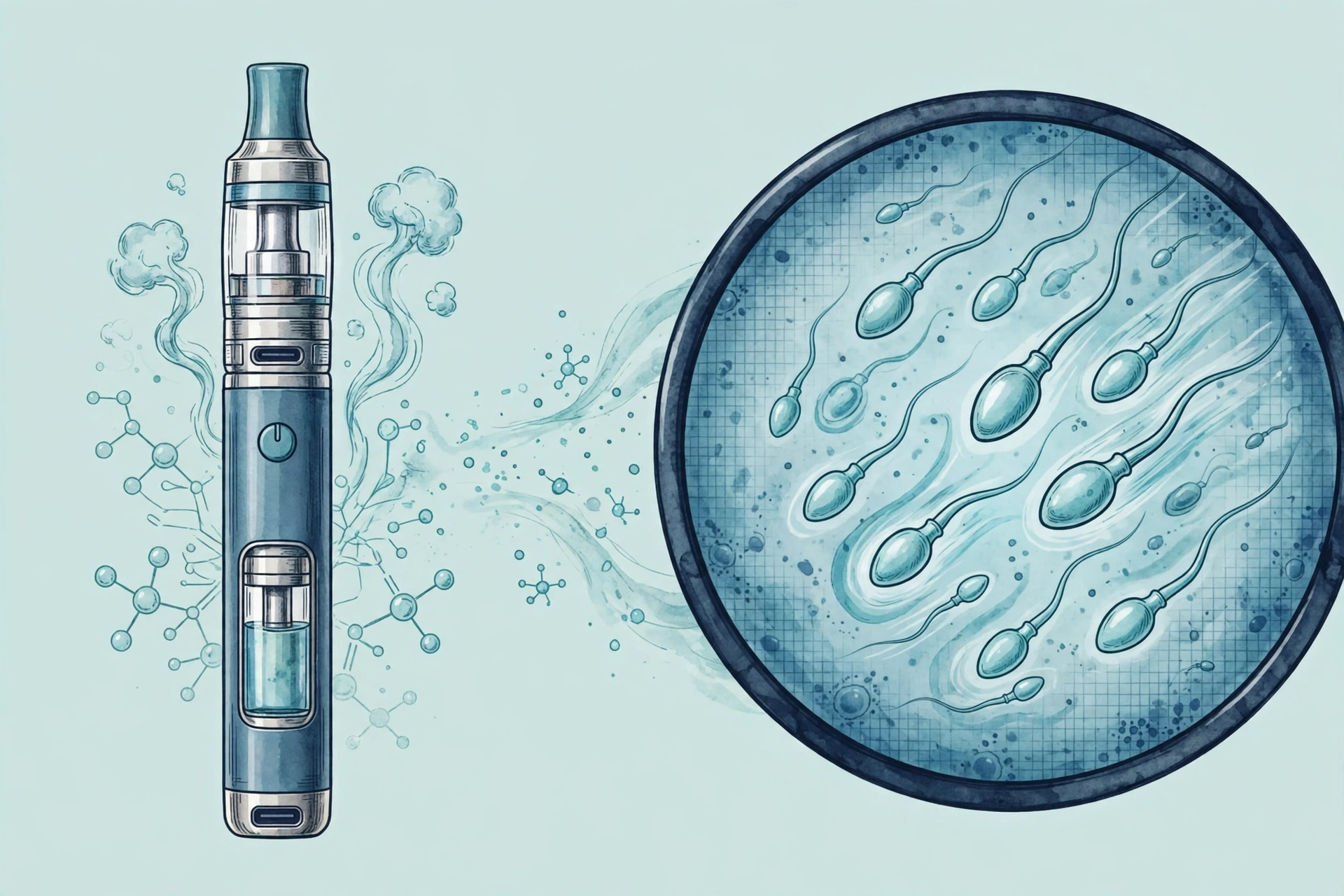
The short answer: evidence increasingly suggests yes. Multiple studies link vaping to lower sperm count, reduced motility (how well sperm swim), abnormal morphology (shape), and increased sperm DNA fragmentation. While research is still evolving — vaping is newer than smoking — the direction of findings is consistent and concerning. So does vaping affect male fertility? The balance of evidence says the risk is real, even if the research is still evolving.
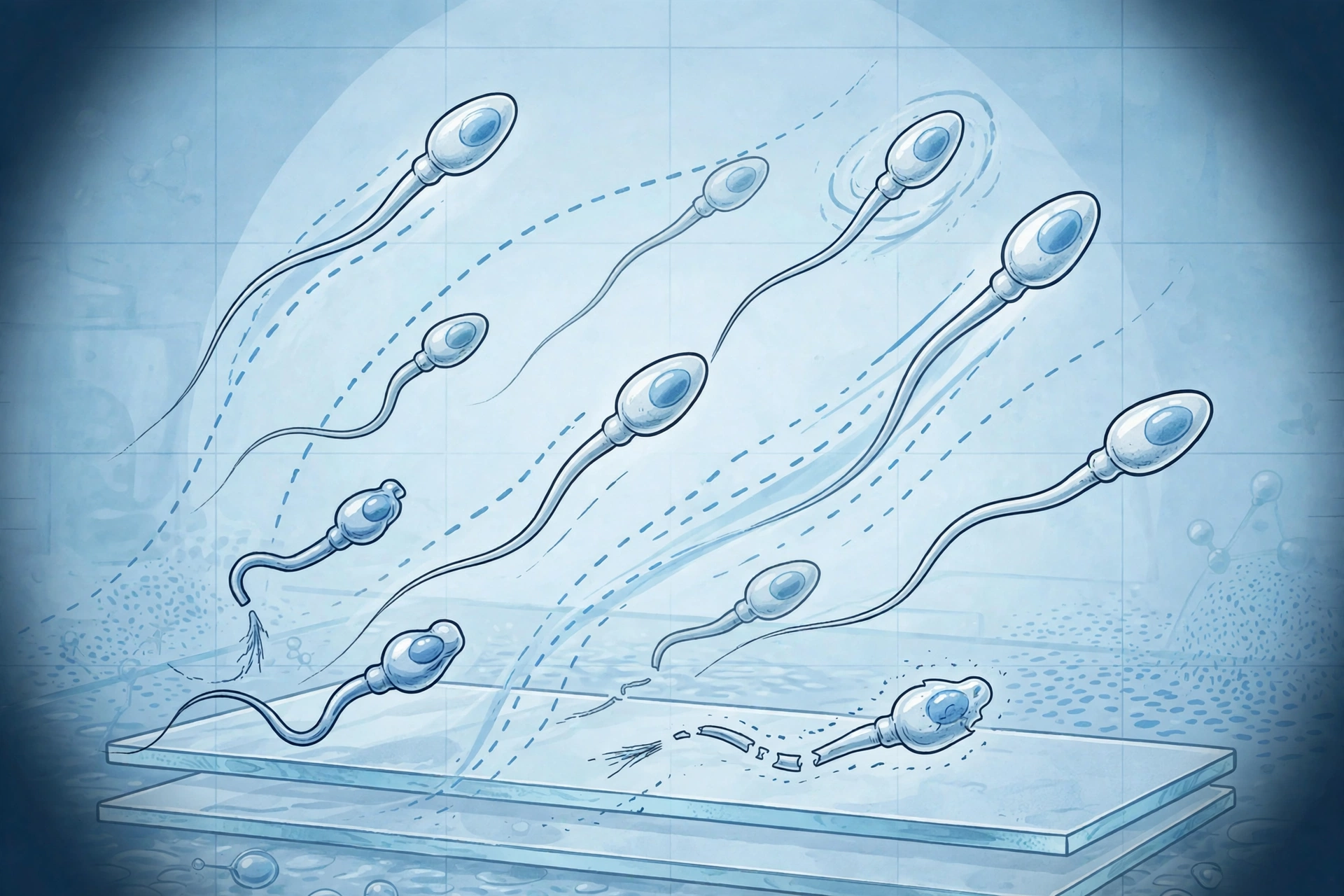
How Vaping May Harm Sperm
Nicotine: constricts blood vessels, reducing testicular blood flow; may directly impair sperm production. Heavy metals: vape aerosol contains lead, nickel, and cadmium — all linked to reduced sperm quality. Flavoring chemicals: compounds like diacetyl and cinnamaldehyde show testicular toxicity in lab studies. Oxidative stress: vaping increases reactive oxygen species that damage sperm DNA. The question does vaping affect male fertility isn’t just about nicotine — it’s the full chemical cocktail. When patients ask their doctor, “does vaping affect male fertility?”, clinicians increasingly point to this chemical cocktail as the likely culprit.
Vaping vs Smoking: Which Is Worse for Fertility?
Smoking is well-established as harmful to sperm. Vaping is likely less harmful than smoking (fewer carcinogens, no tar), but “less harmful” isn’t “safe.” Men who switch from smoking to vaping may see some improvement, but men who start vaping without a smoking history are introducing new risks. For fertility, quitting entirely beats switching. For men who switched from smoking and still ask does vaping affect male fertility, the honest answer is that switching beats smoking — but quitting nicotine entirely is best for fertility. The CDC’s e-cigarette resource has the latest data.
Can Quitting Vaping Improve Fertility?
Yes — and relatively quickly. Sperm production cycles take about 74 days, so improvements in count and motility can appear within 3 months of quitting. DNA fragmentation may take longer to normalize. The sooner you quit when trying to conceive, the better. In other words, the question of does vaping affect male fertility matters less the day you quit — sperm parameters typically rebound within a few months.

What About Secondhand Vape Exposure?
Less studied, but the aerosol contains nicotine and fine particles. Partners trying to conceive should minimize exposure. It’s not just the vaper’s fertility at stake — household air quality matters. Couples still asking does vaping affect male fertility should also clear the air at home — minimizing everyone’s exposure is the safest move.
Practical Steps for Men Trying to Conceive
1. Quit vaping at least 3 months before trying. 2. Don’t switch to smoking — quit nicotine entirely. 3. Support sperm health: exercise, healthy diet, limit alcohol, avoid overheating testicles. 4. Get a semen analysis if conception takes over 12 months (6 months if partner is over 35). 5. Talk to your doctor about any fertility concerns.
Frequently Asked Questions
Does vaping affect male fertility permanently?
Current evidence suggests the effects are reversible after quitting, with sperm parameters improving within months. No evidence of permanent damage from vaping alone, but long-term data is still limited.
How long after quitting vaping does fertility improve?
Sperm take ~74 days to mature, so allow at least 3 months. Some men see improvements sooner; DNA quality may take 6+ months to fully normalize.
Is nicotine-free vaping safe for fertility?
Safer than nicotine vaping, but not risk-free. The aerosol still contains heavy metals, flavoring chemicals, and particles that cause oxidative stress.
Should I quit vaping before trying for a baby?
Yes. Both partners should quit nicotine and minimize chemical exposures at least 3 months before trying to conceive for the best outcomes.
The Bottom Line
So, does vaping affect male fertility? Current science points to yes — studies link vaping to lower sperm count, weaker motility, and more sperm DNA damage. The reassuring part is that quitting can reverse much of the harm within a few sperm production cycles. If you are trying to conceive, putting down the vape is one of the simplest and most effective steps you can take for your fertility.
Medical disclaimer: This article is for educational purposes only and is not medical advice. Consult a healthcare provider about fertility concerns.